Is it the future or is it the past? A look back on WGT 2025
by Evert Palmets
It’s time to publish a retrospective article on the events of the 2025 Wave Gotik Treffen, because the lineup for this year’s festival has been announced for quite some time now, and tickets are already on sale!
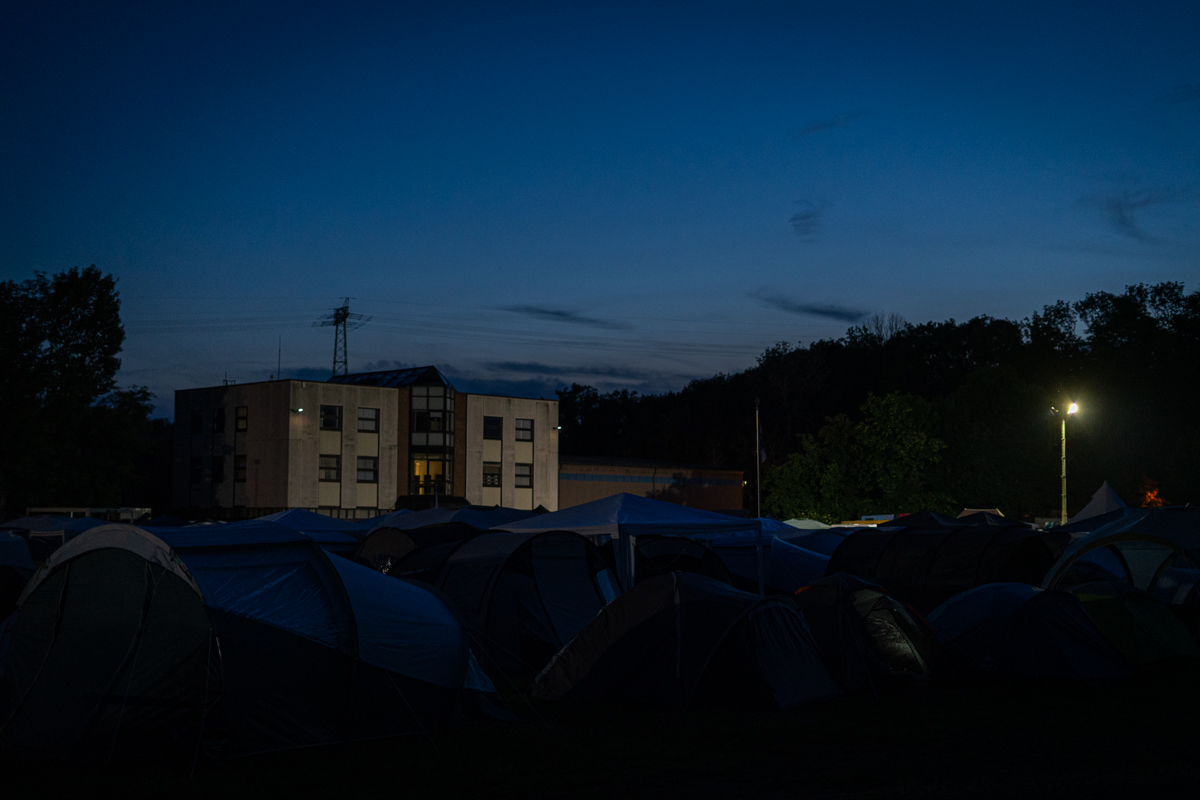
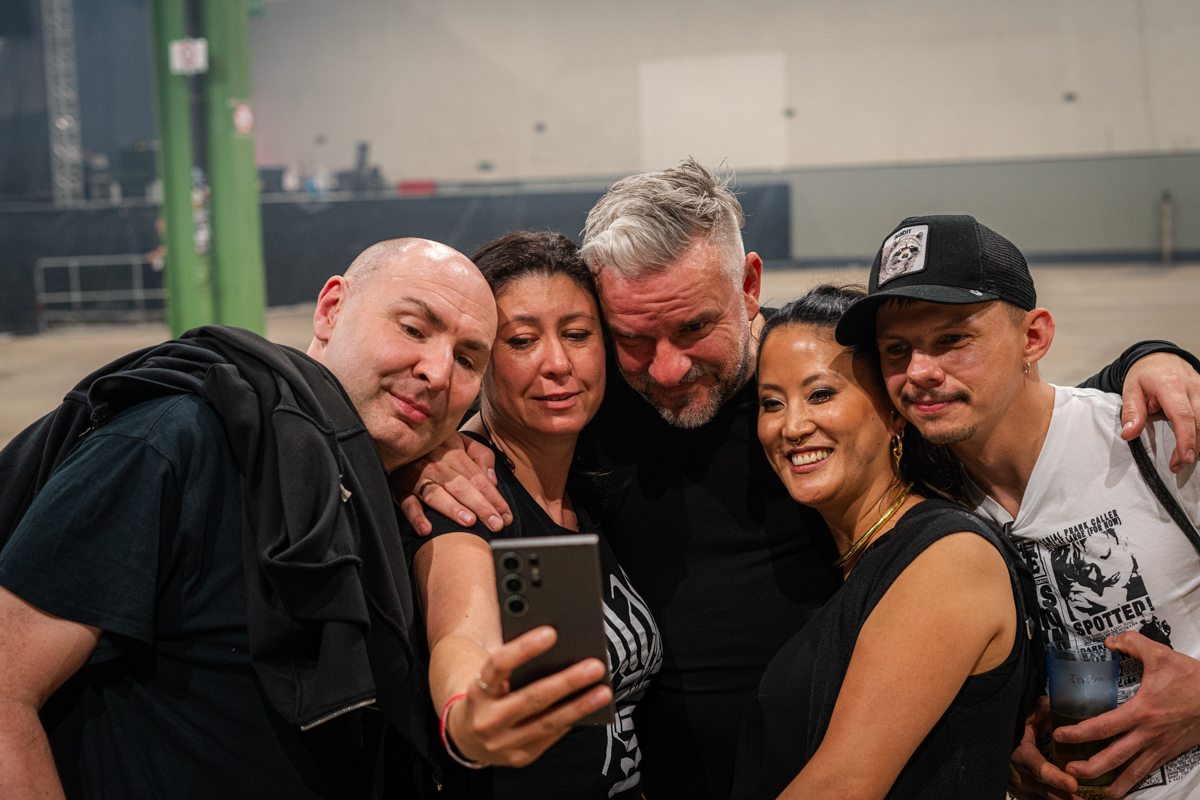
Together with DJ Tamhiis, we soaked up the atmosphere of Europe’s darkest festival, which took place June 5–9, with our privileged press passes, and I was once again able to freely capture the entire Treffen atmosphere with my camera. We also met some great people, some of whom we’ve known for a long time, and others we just got to know at this festival.
I actually ended up in Leipzig for the first time thanks to WGT, which for some reason I had consciously avoided in the past. I knew it had been around for a long time and that it was one of the biggest - the lineup features around 200 artists, which is why it attracts a huge number of music lovers and connoisseurs. Perhaps I was a little intimidated by the festival’s grandeur, which created a real barrier that I broke through immediately after the year it was canceled due to Covid. As time goes on, I’ve become increasingly convinced that this is one of the most delightful gatherings outside the Beats From The Vault concept, and in the case of Leipzig, also an extremely charming city worth exploring. Our BFTV has also become a tradition that takes place several times a year, though on a much smaller scale, of course, driven by the initiative of just a handful of organizers. And just as people meet at Beats, they meet at Treffen too, listening to music and making new connections. You have to seize opportunities when they’re within reach. That said, I wouldn’t say that WGT isn’t for introverted music lovers at all; everyone is sure to find a cozy spot there and a whole host of captivating bands. Besides, as a foreigner, you can feel anonymous; the only thing that might cause concern are Estonian friends who want to hang out and get into mischief. The festival takes place simultaneously across the city, spread out among various clubs and venues; on public transport, you’ll likely see mostly music lovers dressed in black. If you catch a glimpse of yourself in the reflection of a glass window, you’ll see they aren’t so different from you. There’s a very real chance you’ll get to know some of them, maybe even become friends.
For example, thanks to the band Soror Dolorosa, who performed at WGT, we managed to get in touch with their guitarist, Dea, who has his own project, Luminance. DJ Naked Reagan, aka Ain Rada, who has played quite a bit of music for us, took it to heart last year and briefly agreed with him after the concert that Luminance had to play a show for us. It took about half a year for Stina Isabel Gavrilin to get the answers to her interview questions, and in December, he was on the BFTV stage.
It’s great to read about artists and hear them perform at concerts, but it’s even cooler to meet them face-to-face and suddenly become good friends. But for that to happen, you have to meet in person; it’s much harder to make things happen through letters. Wave Gotik Treffen is a brilliant platform for such encounters right here in Europe. I checked, it would take at least 13 days to walk from Tallinn to the festival pass distribution point in Leipzig. Get there on time, and before you join the line, make sure you’re not in the wrong one, because I discovered there’s a big difference. You might find a line with a 2-hour wait practically right next to a 5-minute shortcut at a kiosk that just opened, where the line winds slightly in a different direction. Go see for yourself - see you in Leipzig!
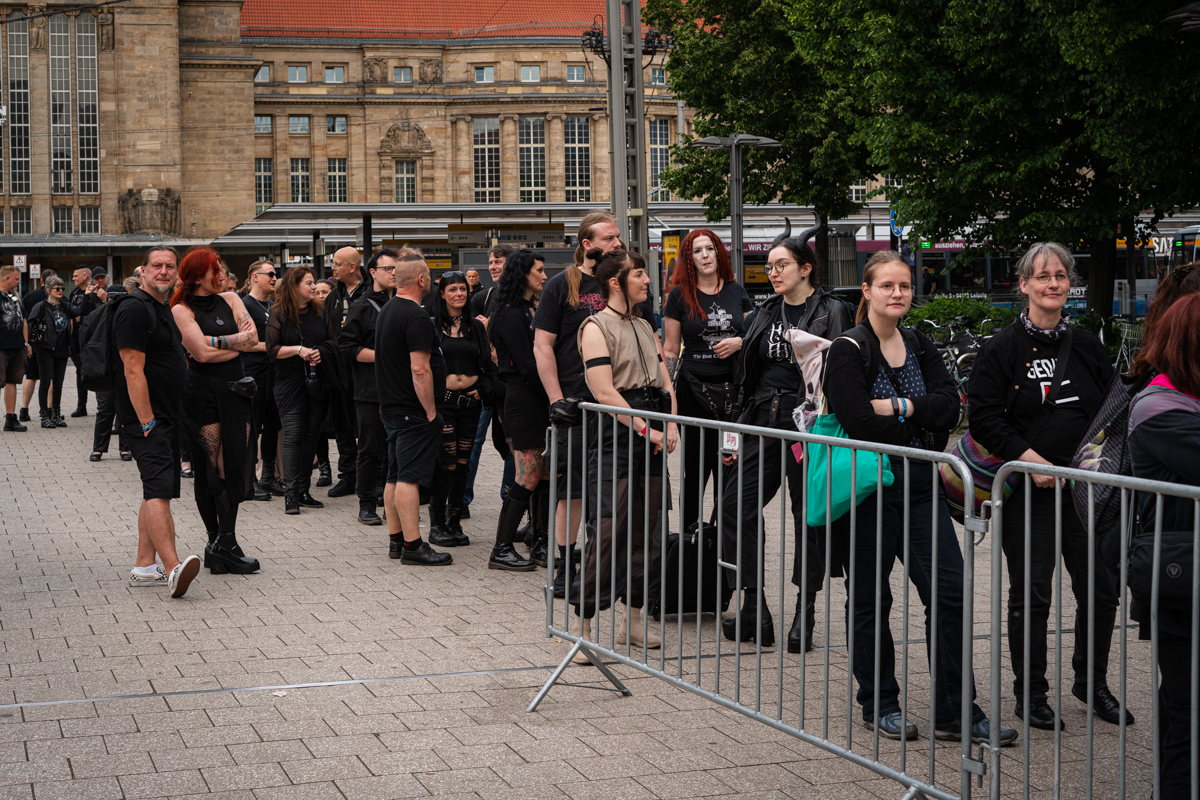
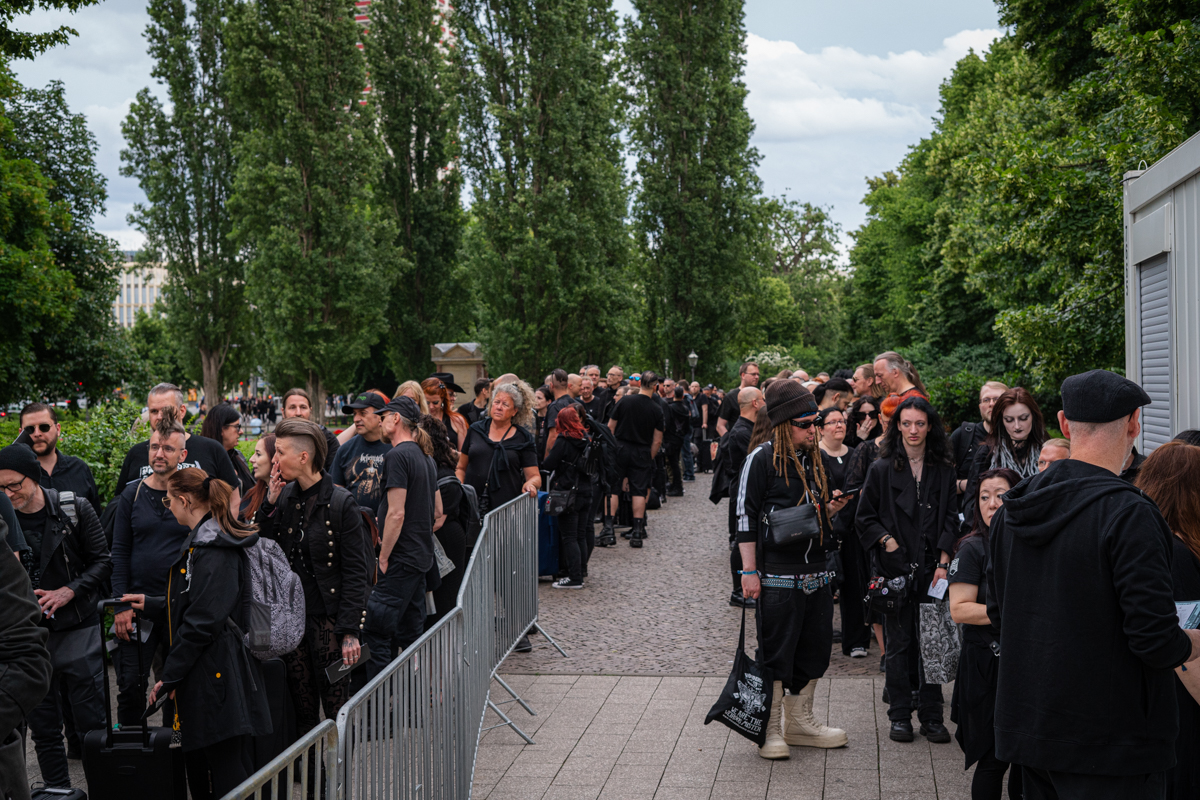
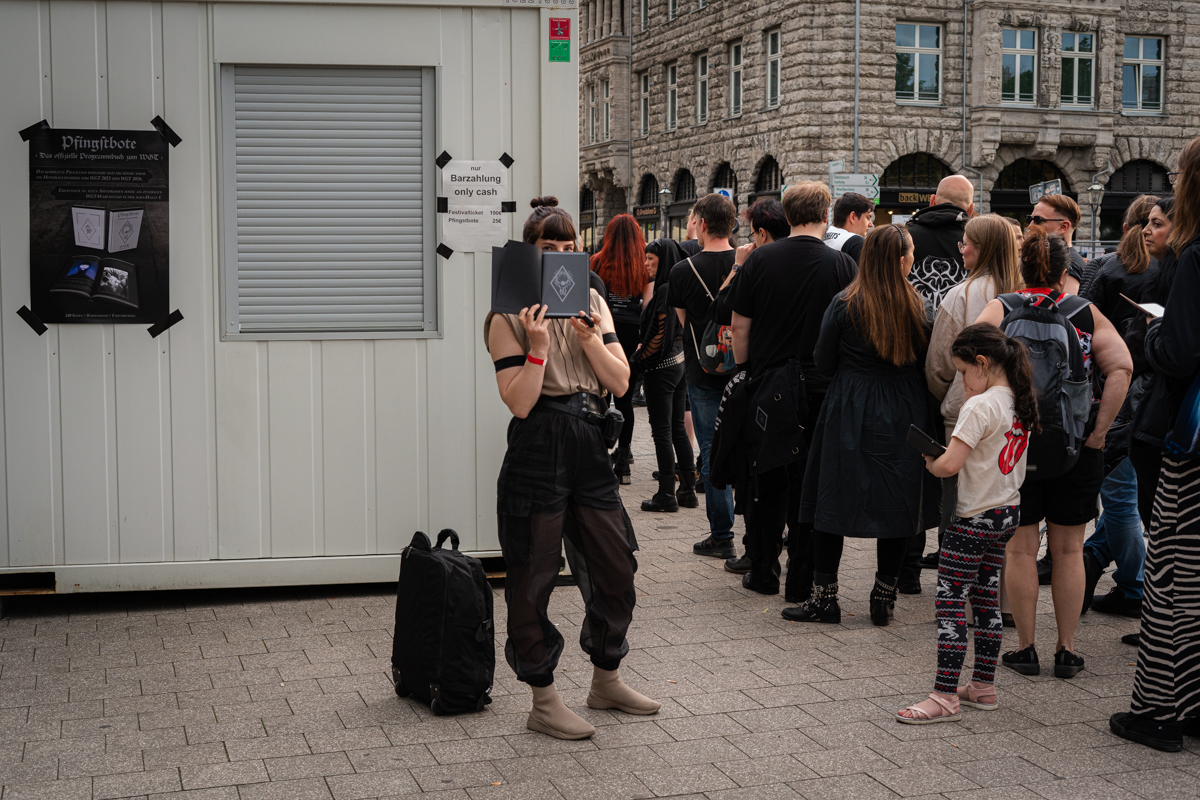
Checking-in.
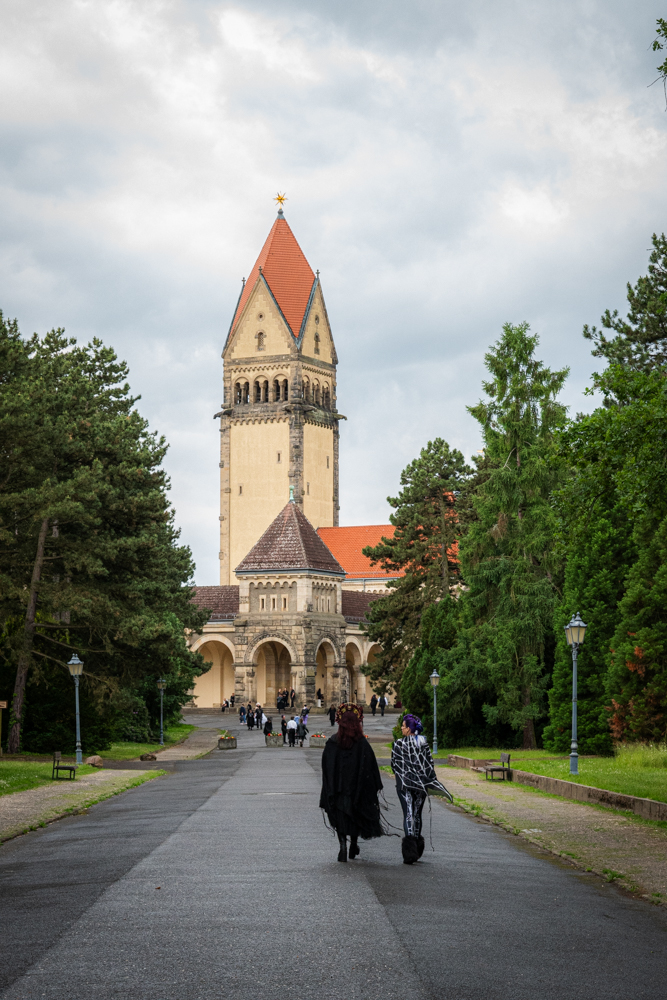
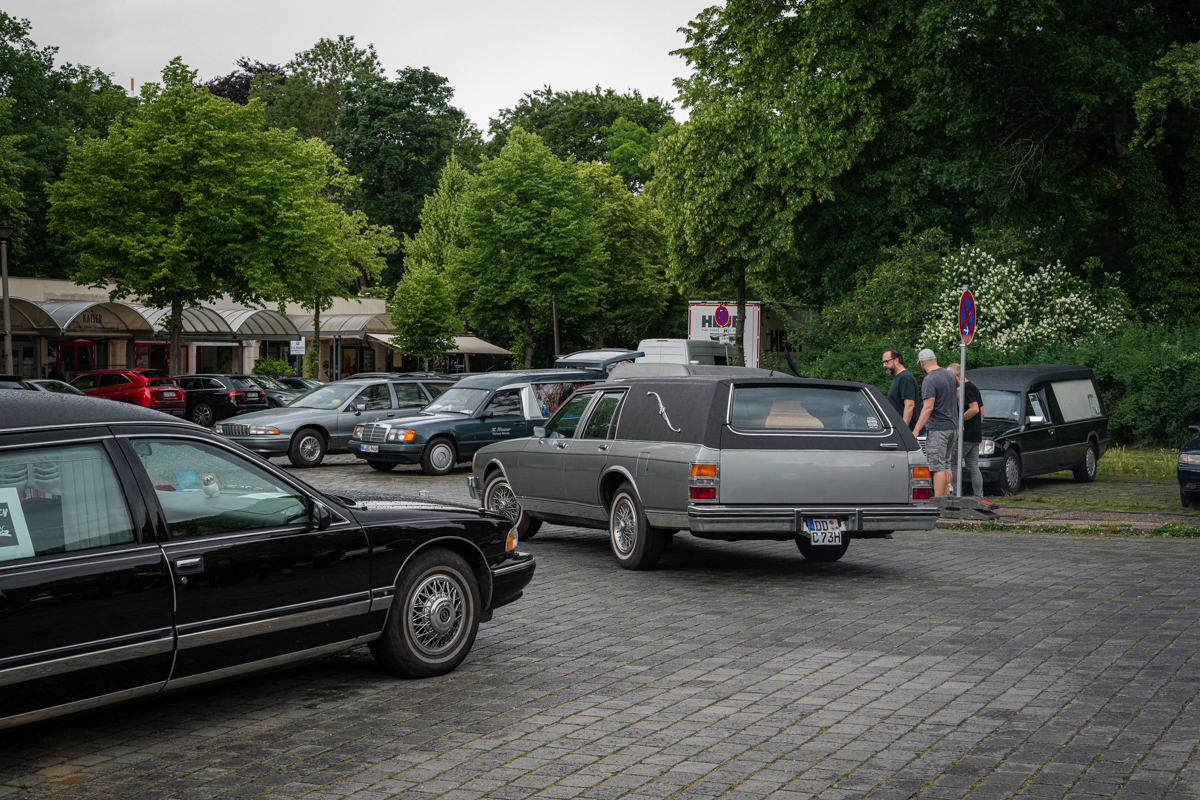
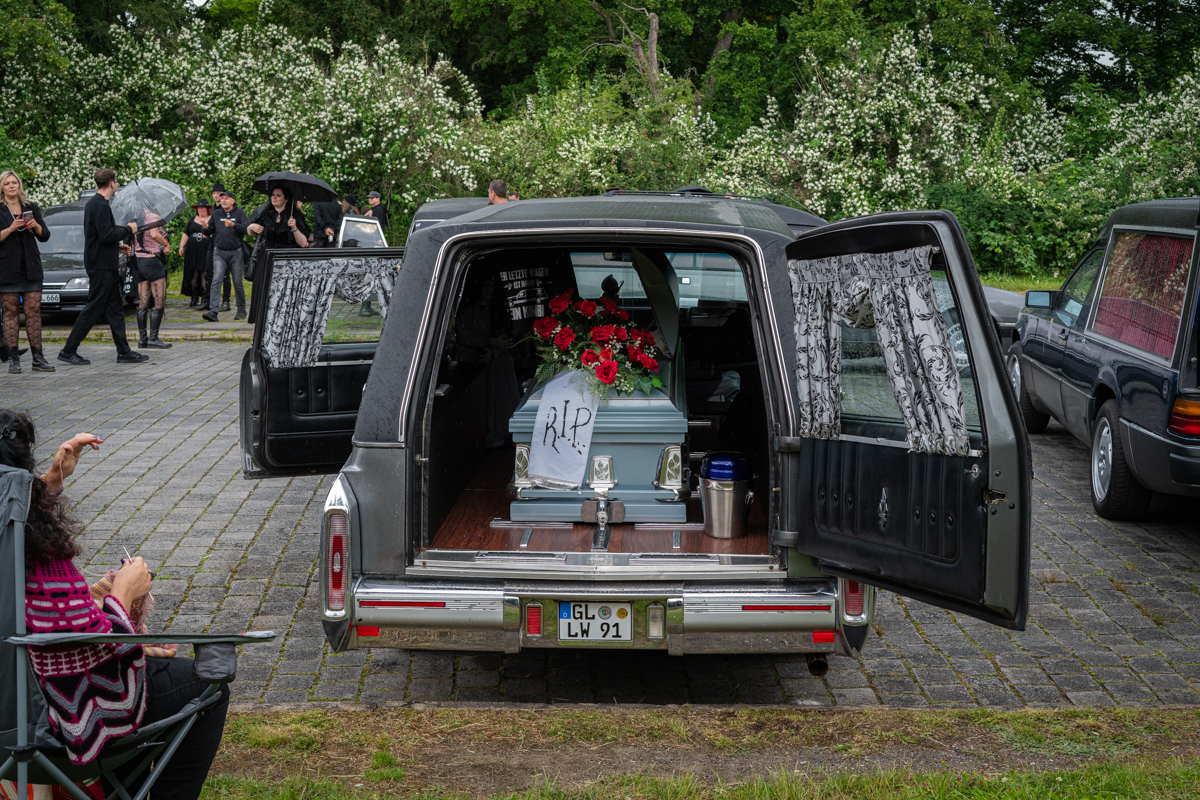
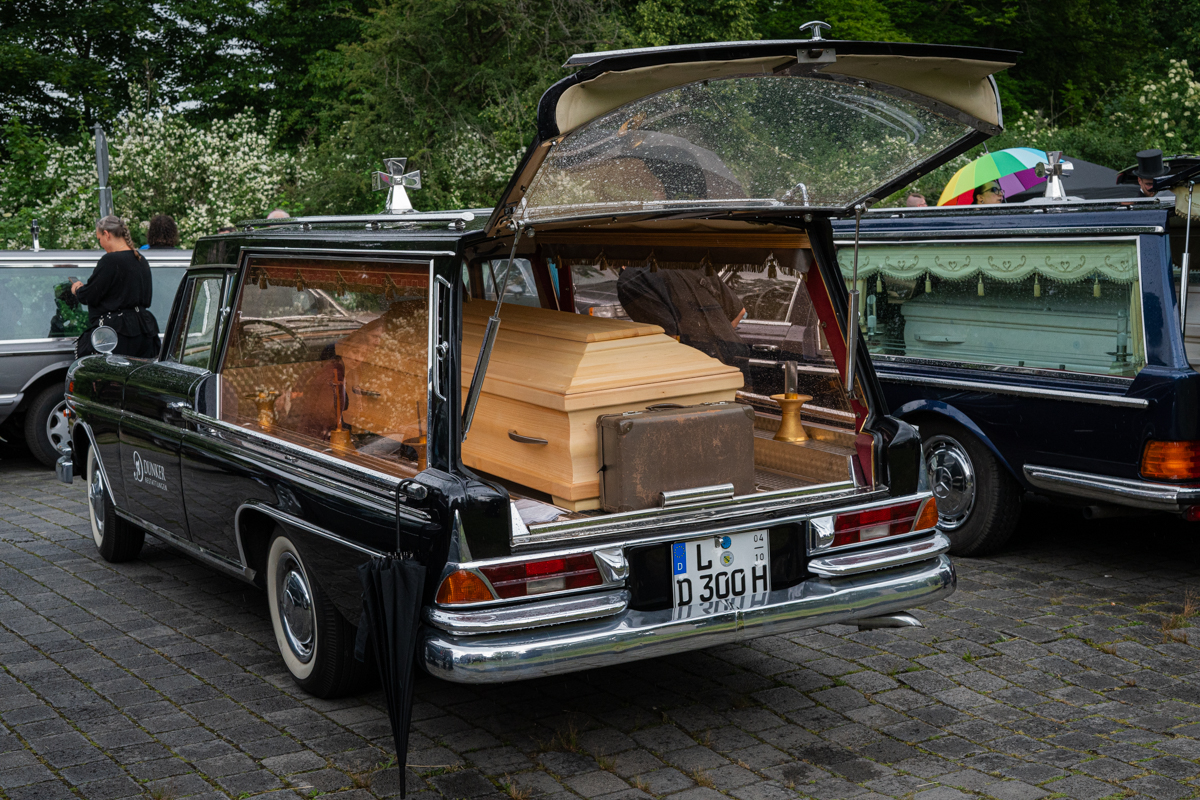
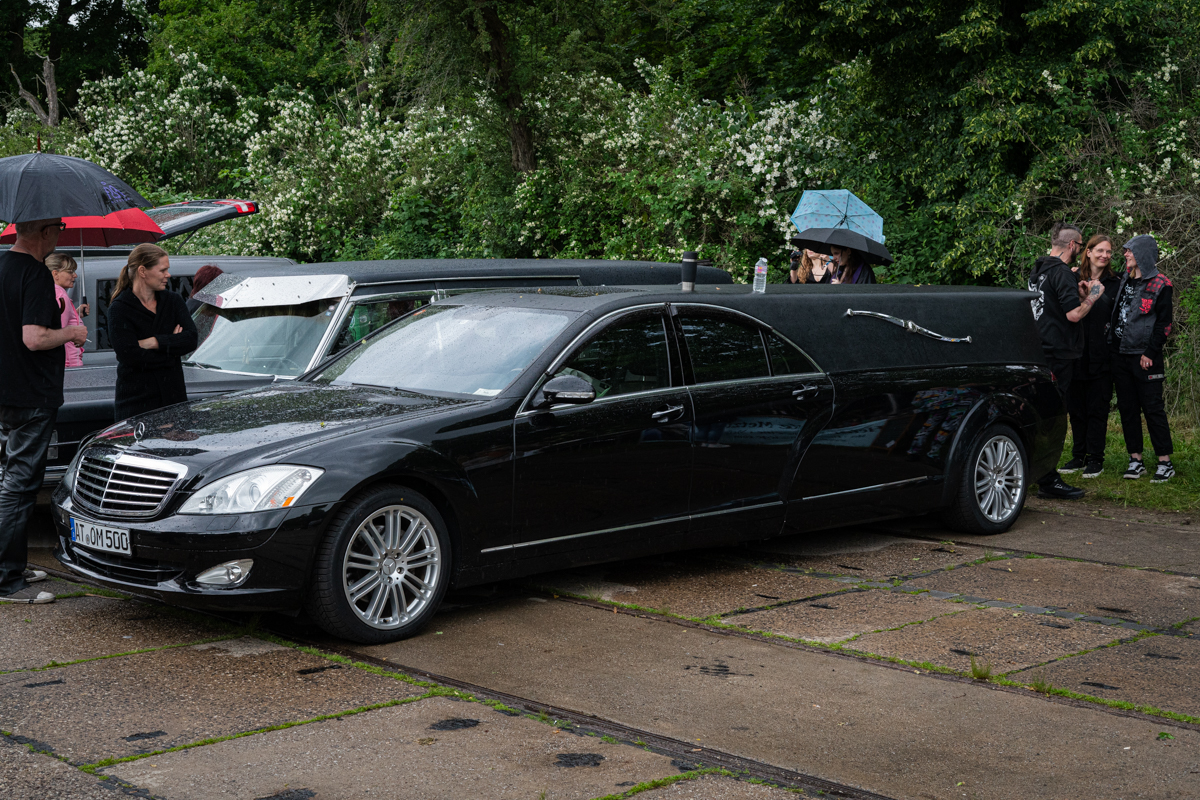
We arrived in Leipzig a few days before the festival began, and I recommend this to everyone, as it gives you a little time to plan for the busy weekend ahead and simply get acclimated to the city. So we, as culture-hungry tourists, managed to quickly visit a few random spots, hoping to run into other goth groups there. We managed to lounge on the grass and, in addition to sampling German beer, visit three other spots: at the Grassi Museum we admired art, climbed on the suspension bridges in the botanical dome at the Leipzig Zoo, and even attended a handball tournament in the VIP zone. Everything was awesome - to our surprise, we saw the most goth groups at the zoo, which had the feel of a park, even though the animals were in captivity. In places like that, you can’t help but feel sorry for the animals, so we decided to keep our gloomy faces on and head to the cemetery for a funeral procession, whose caravan drive through the city ended right at the cemetery gates. And then it started raining - perfect!
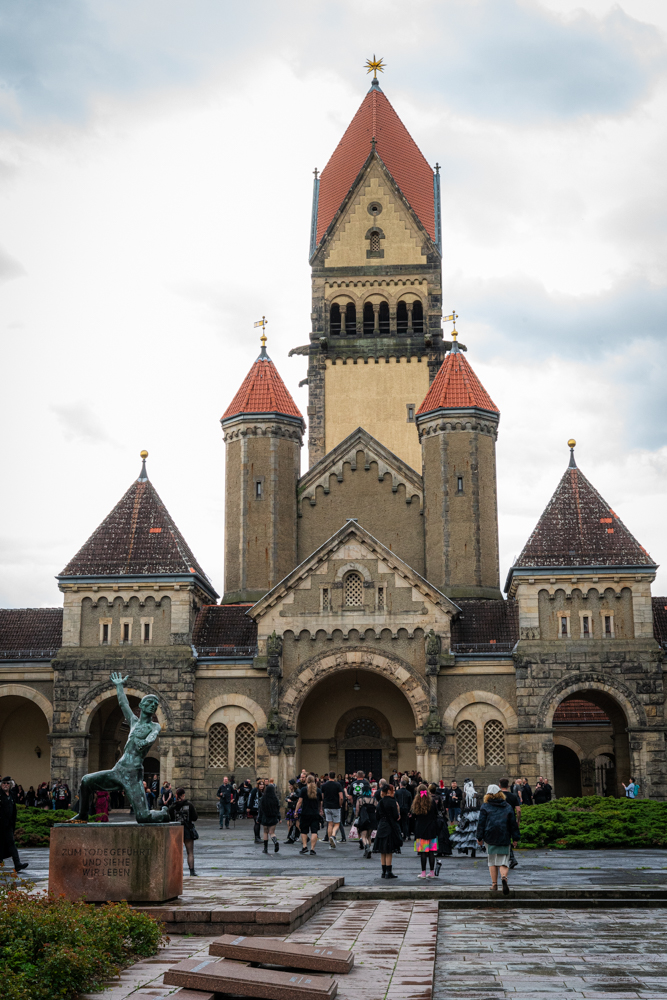
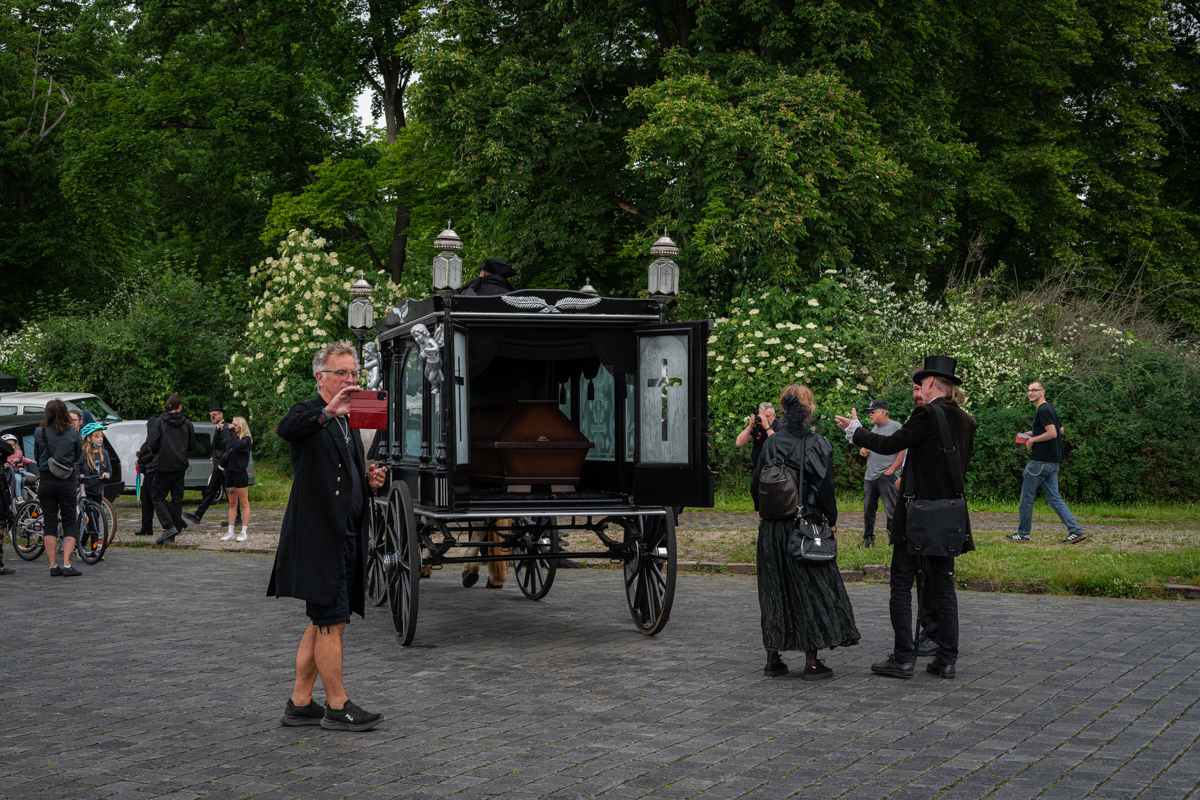
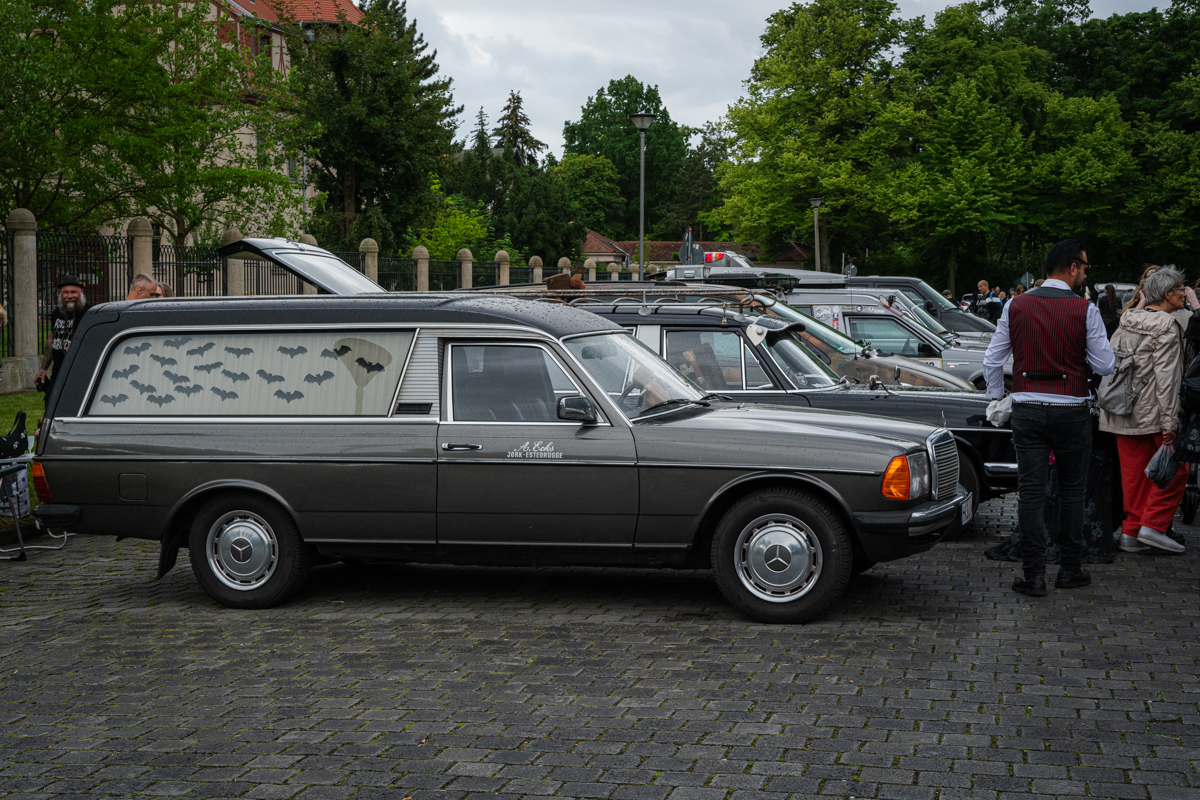
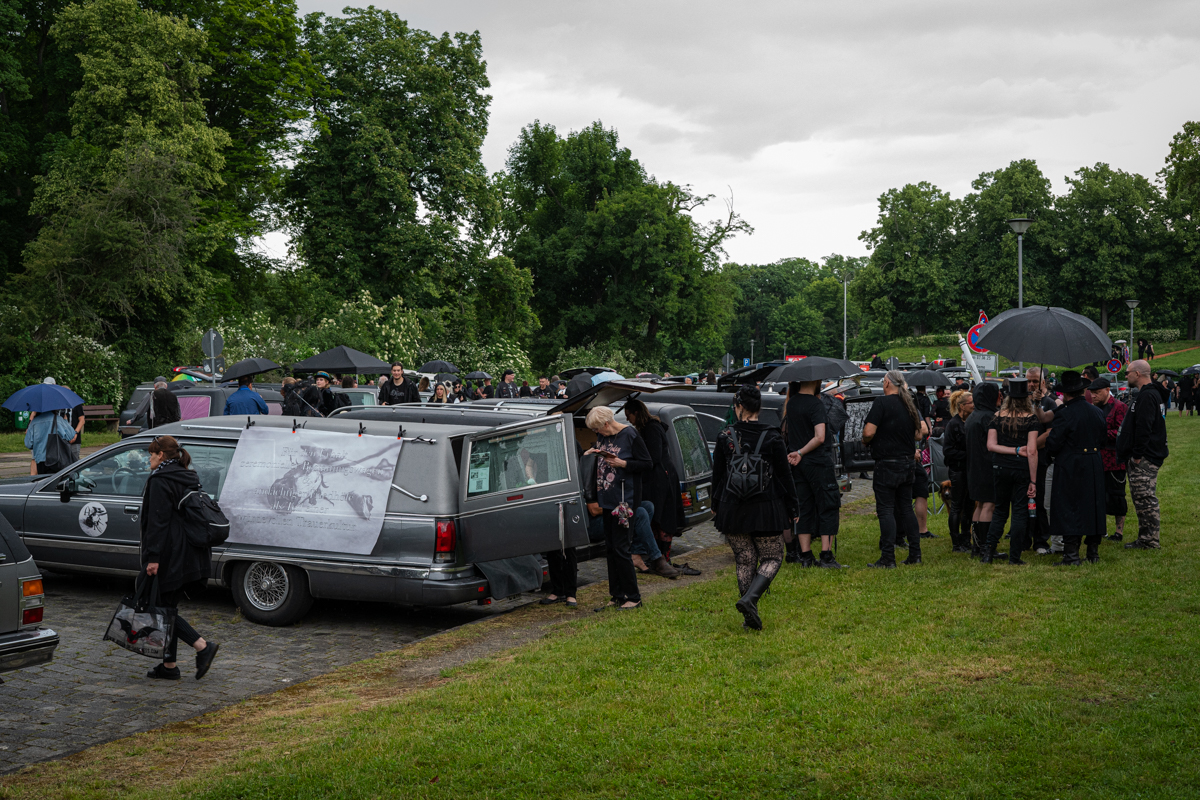
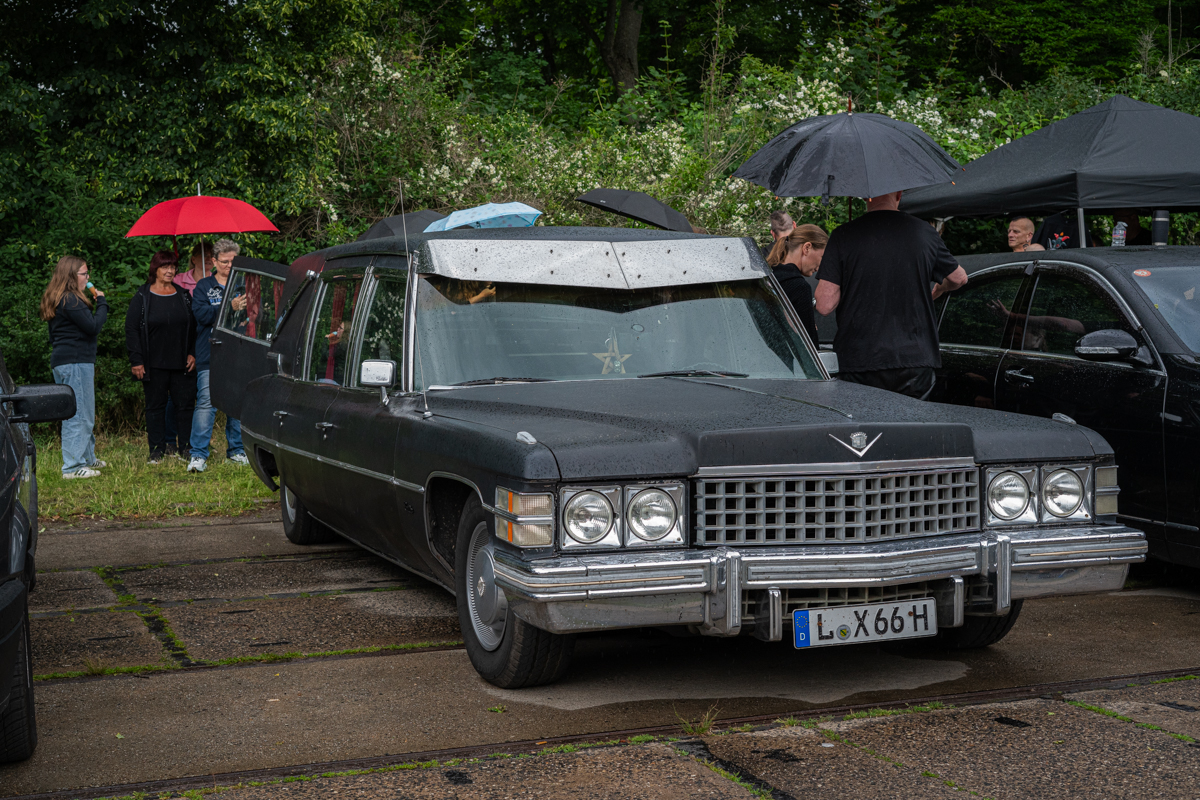
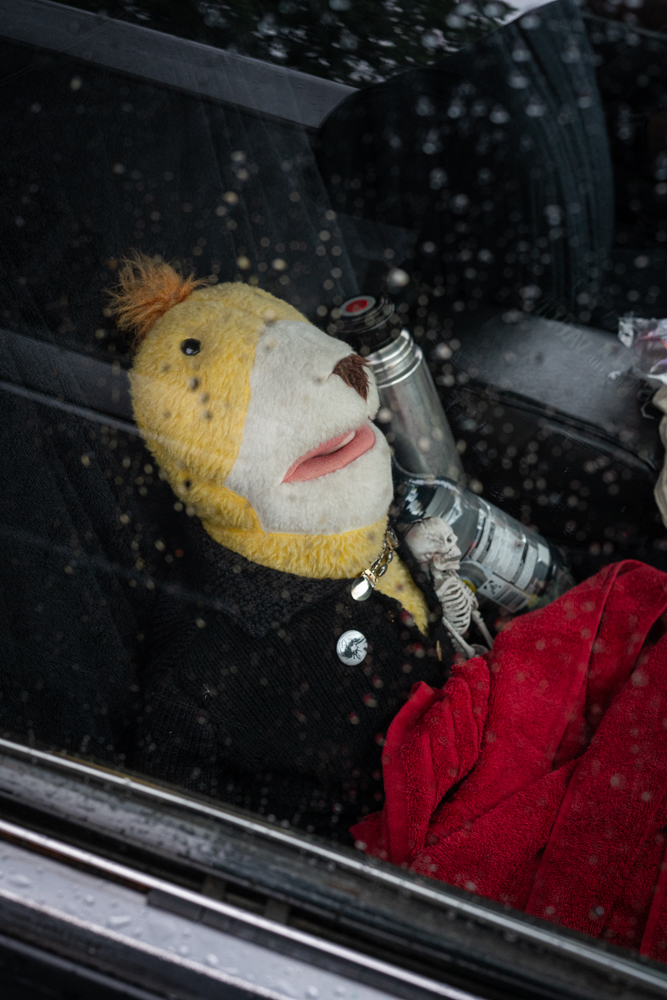
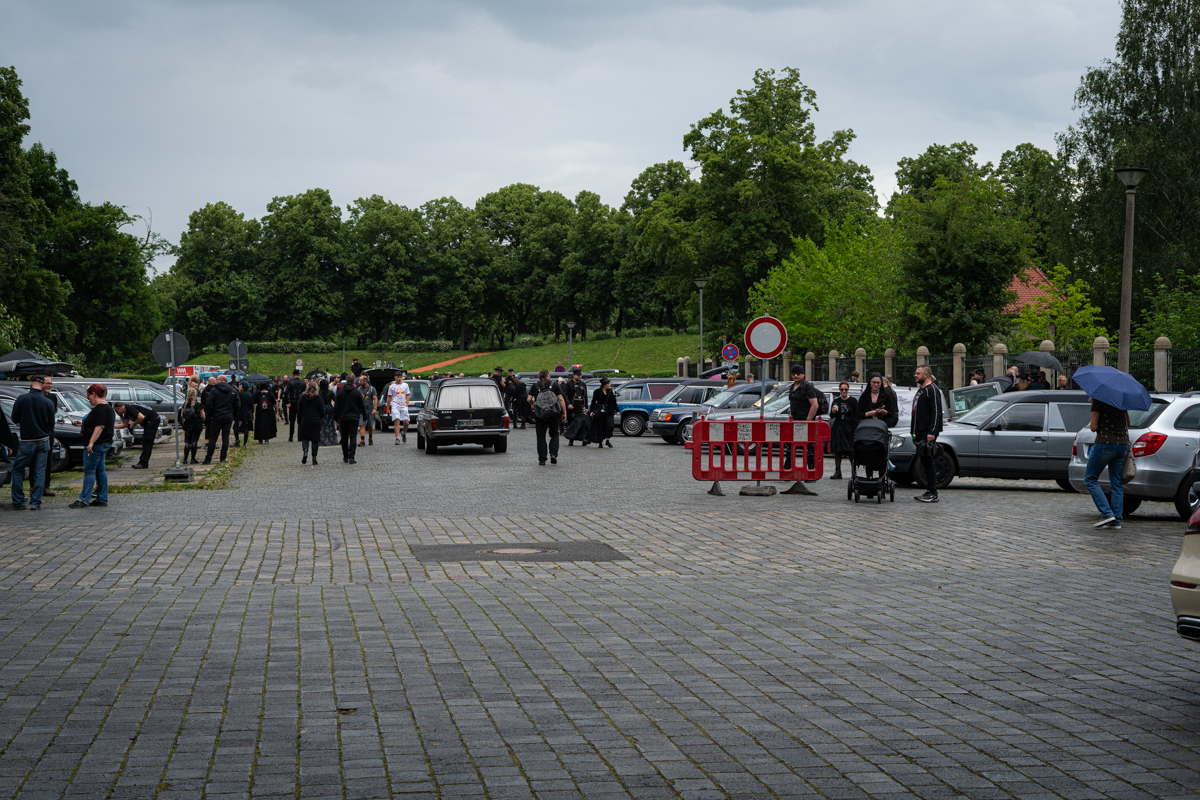
Warm-up Party No. 1
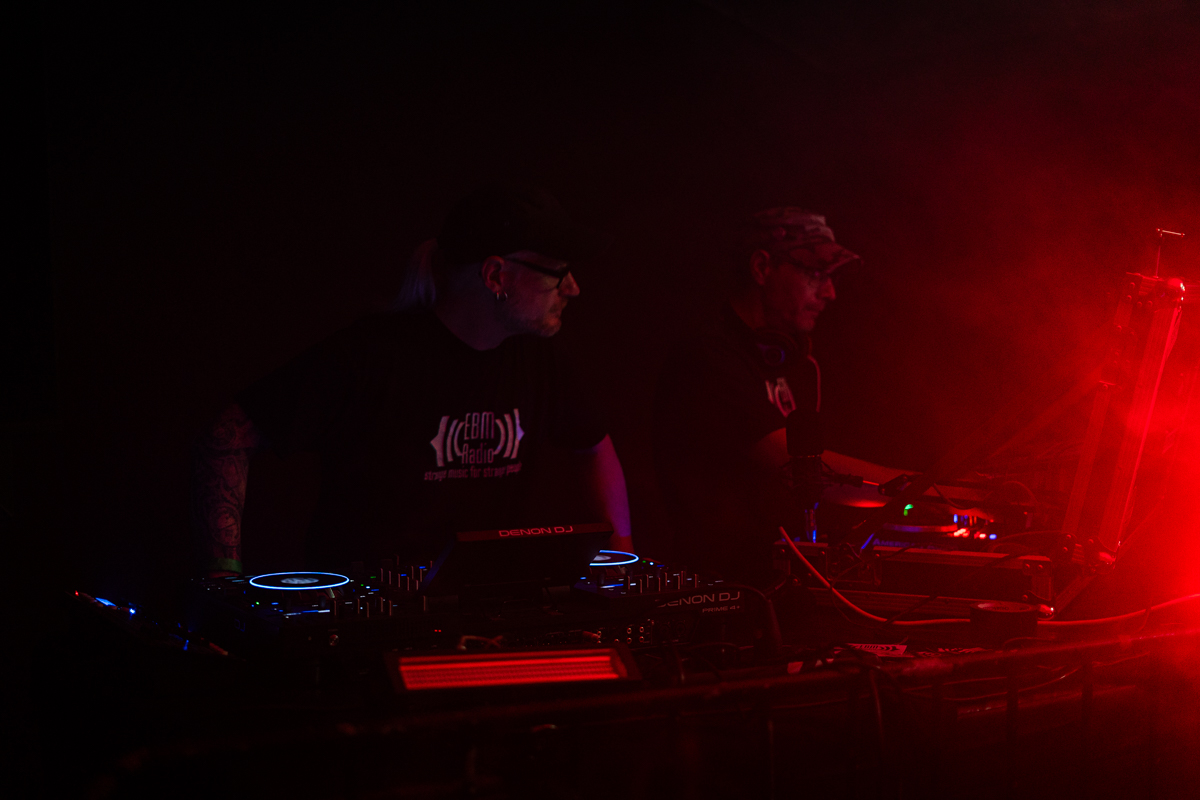
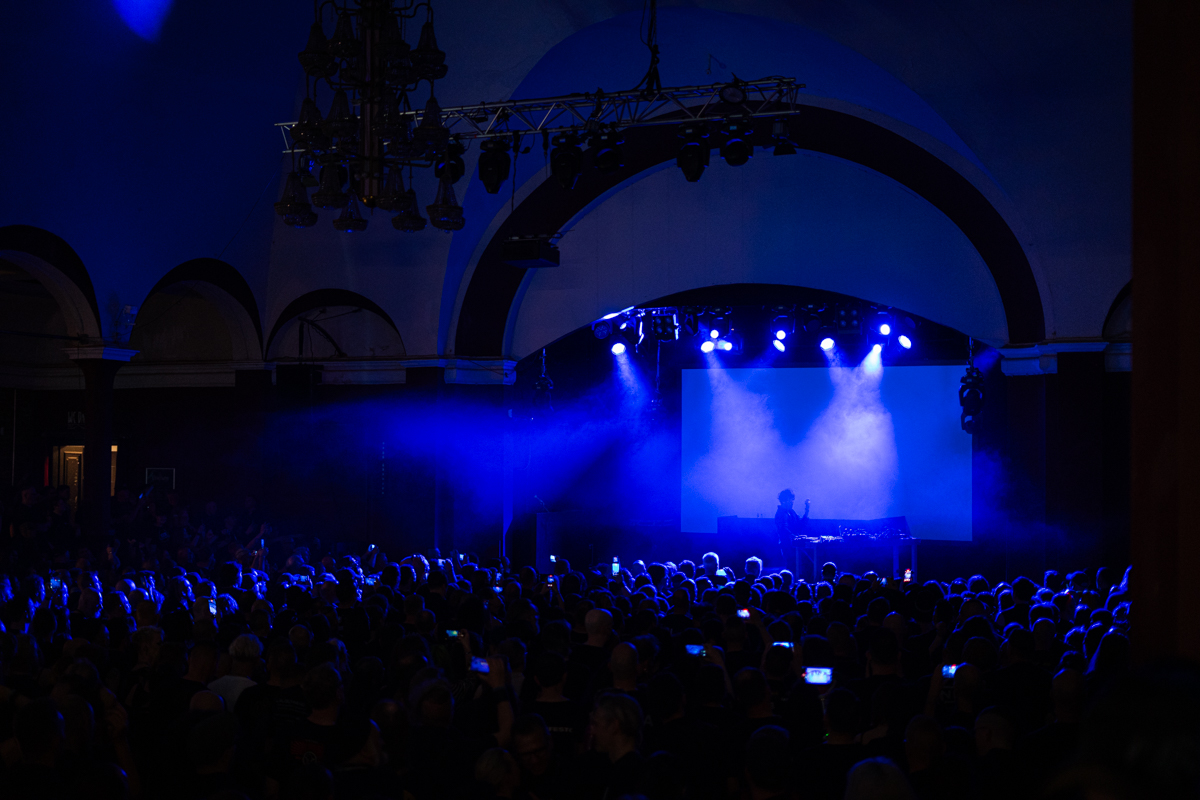
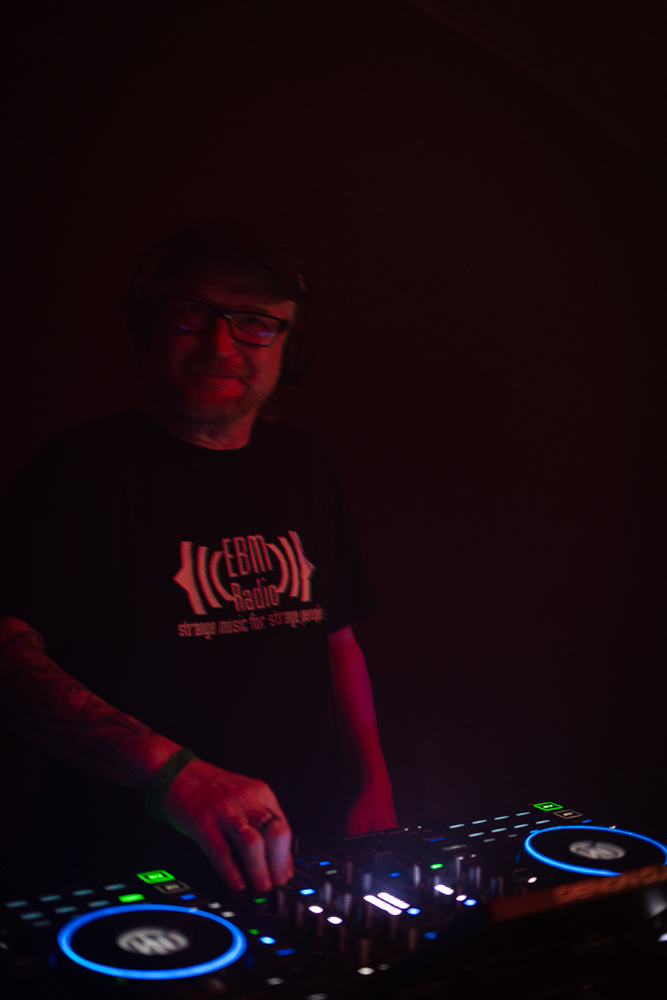
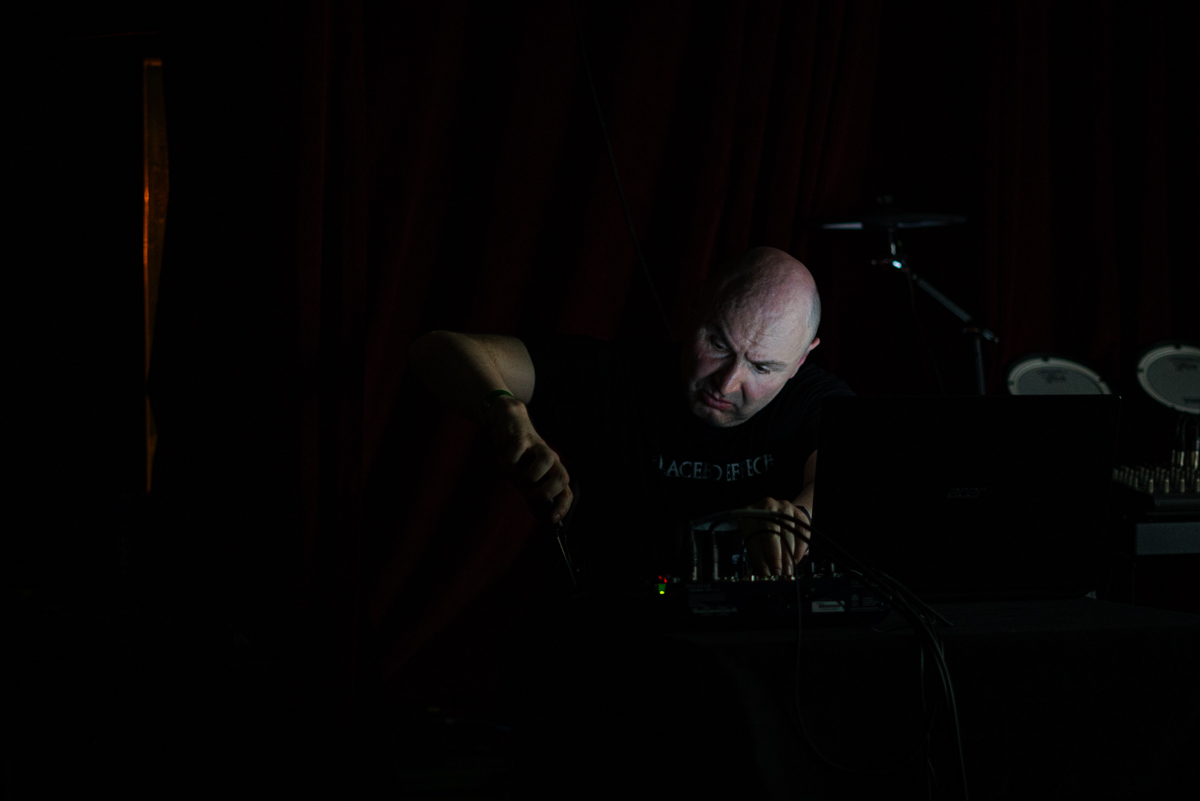
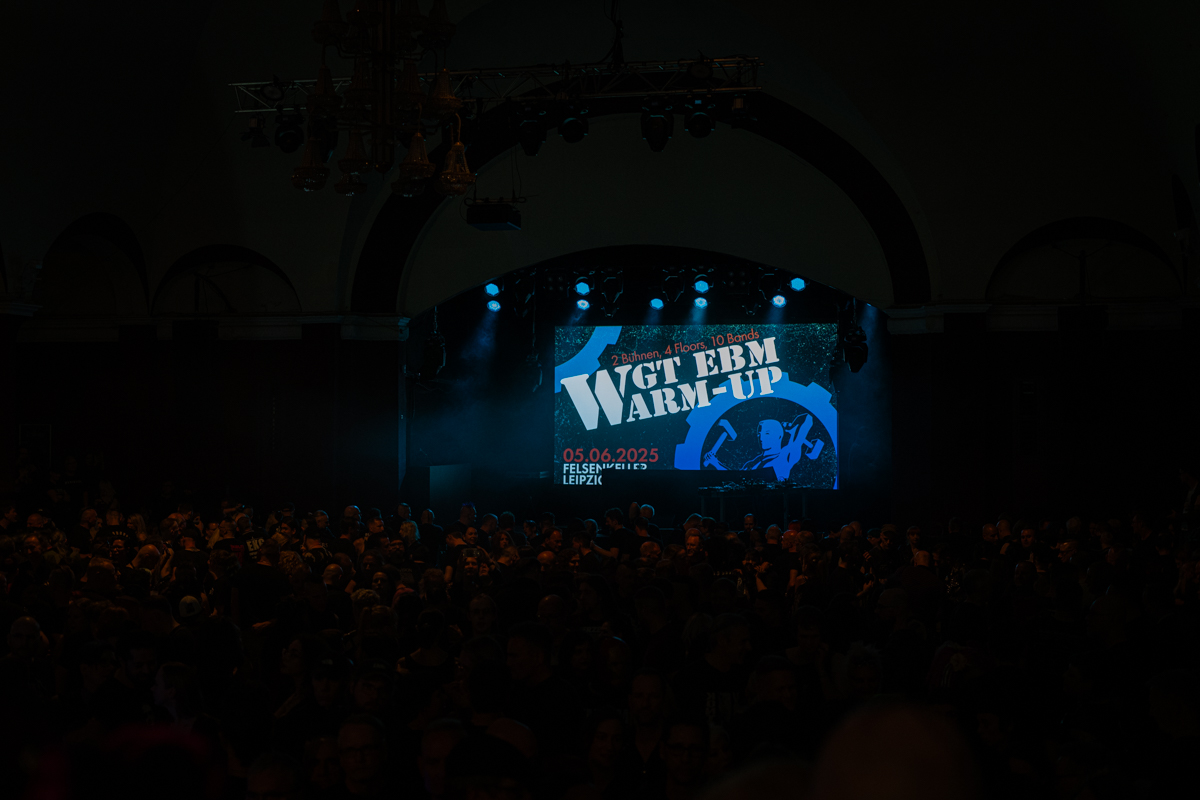
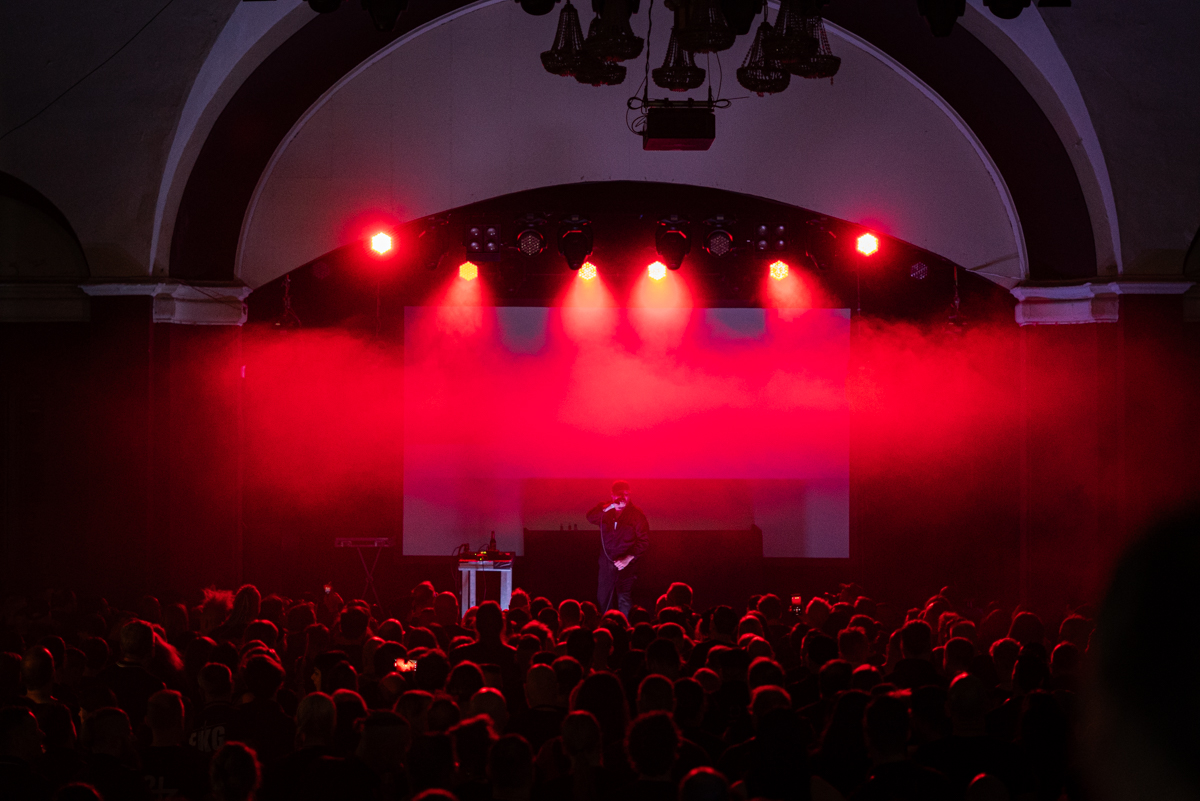
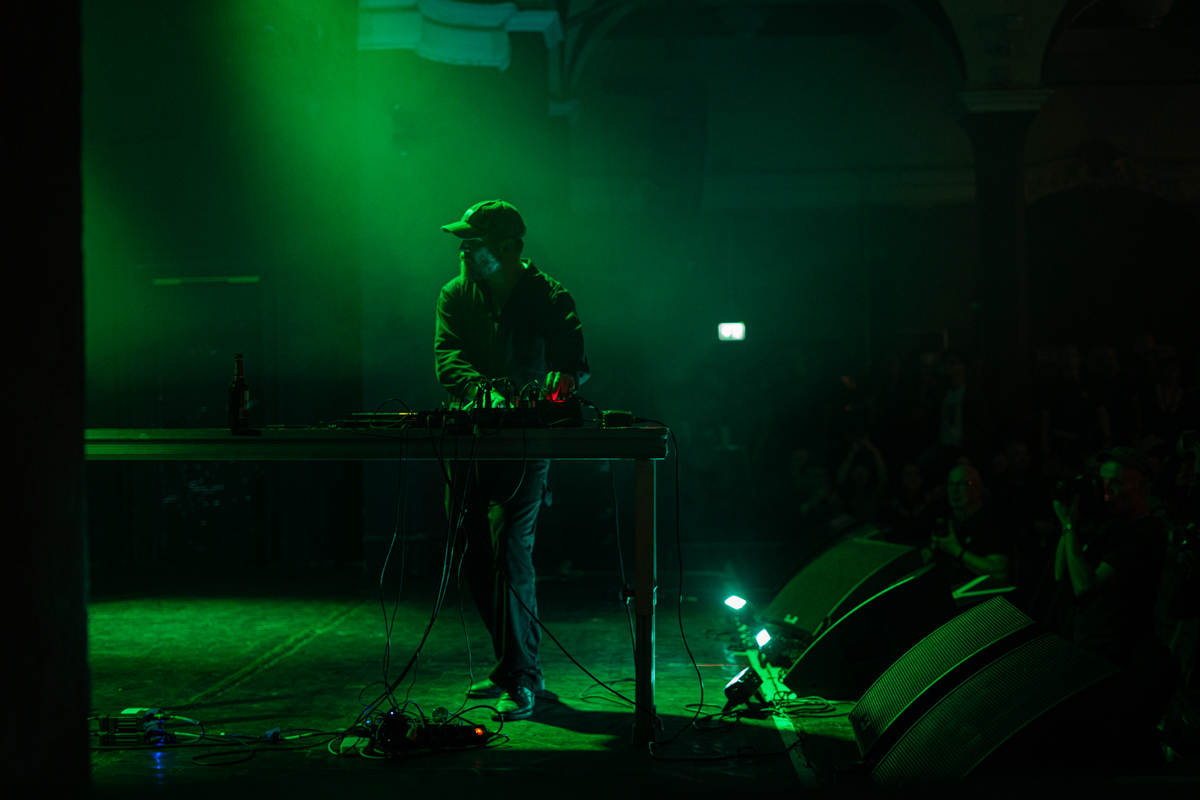
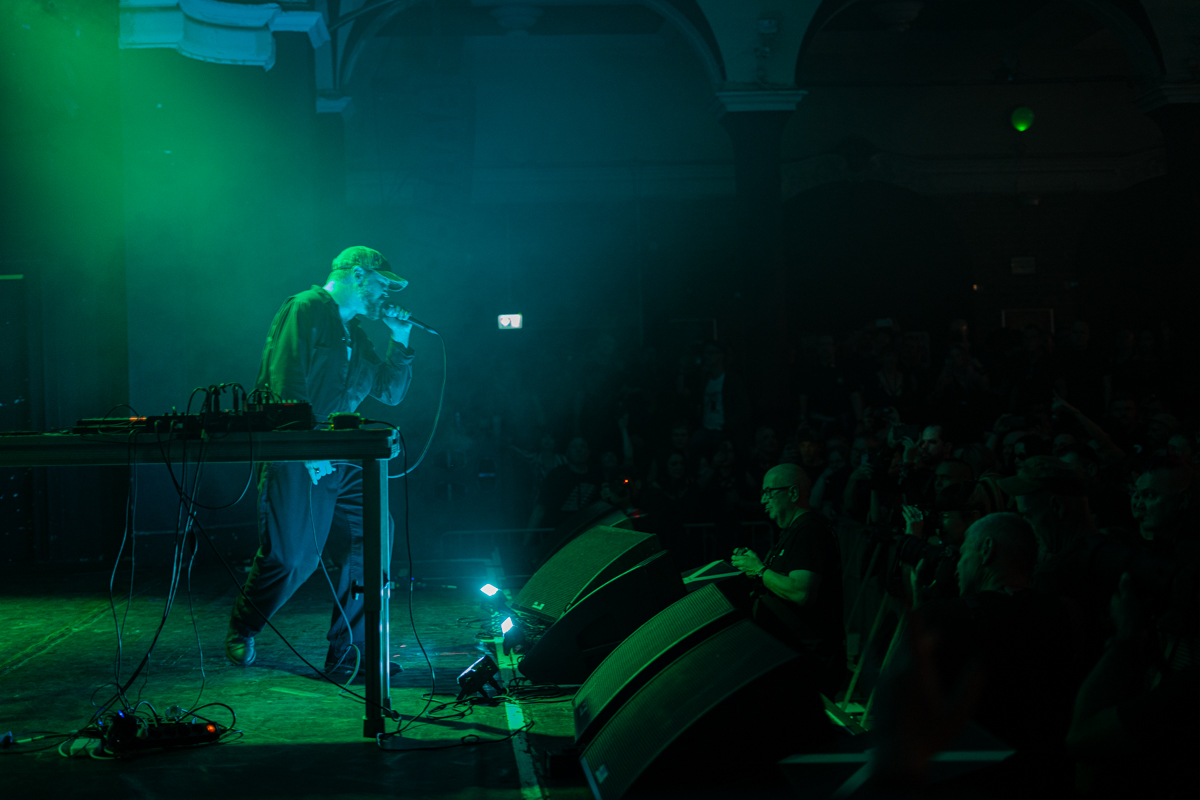
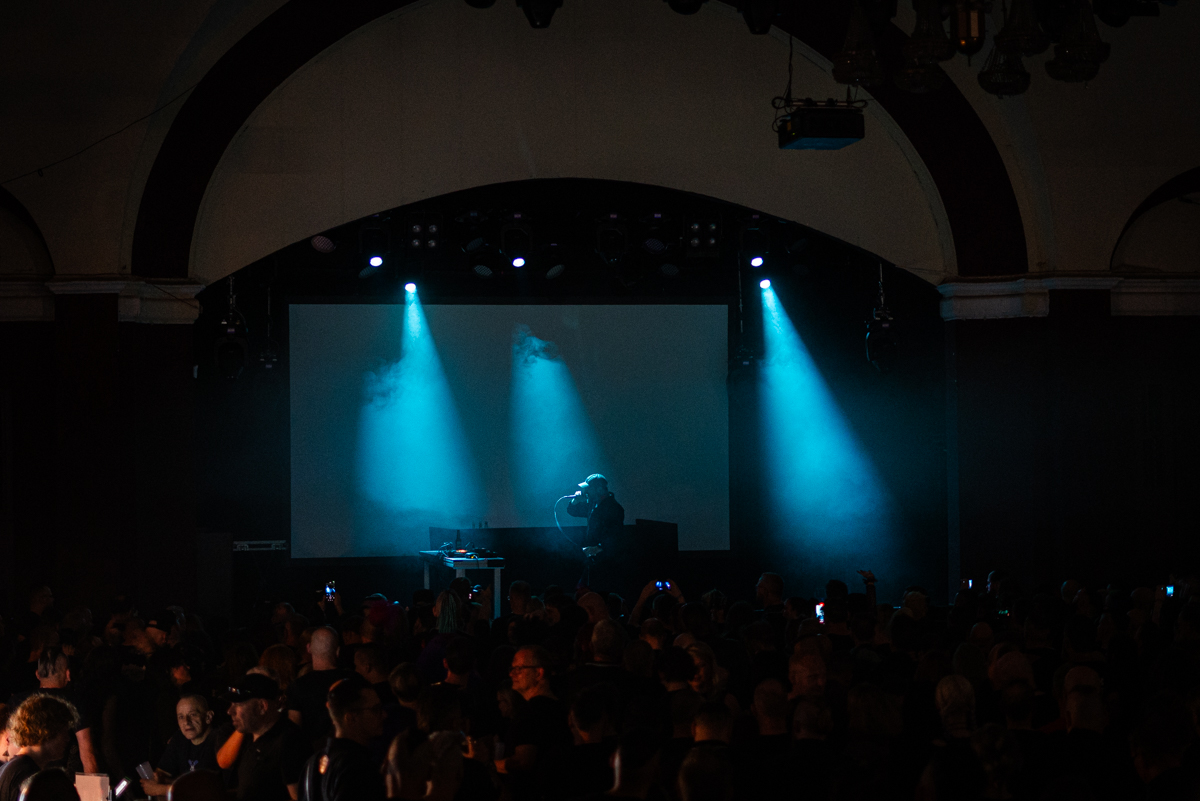
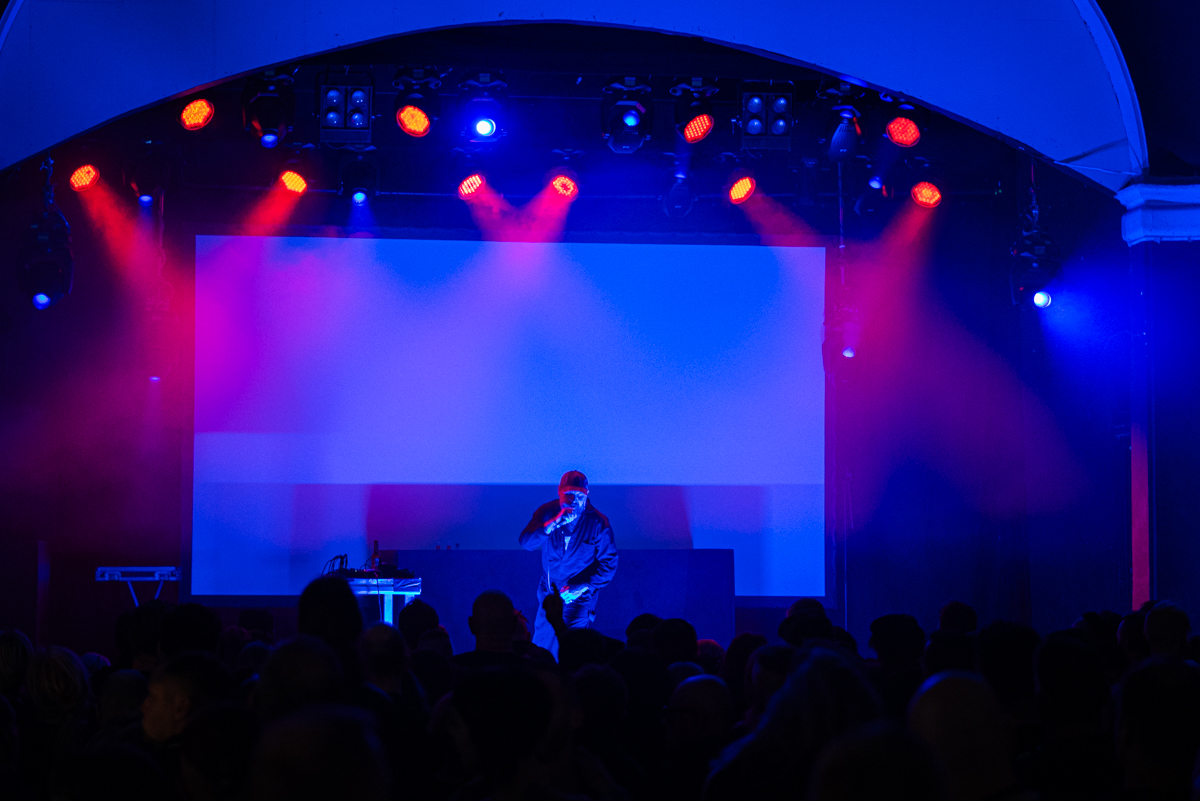
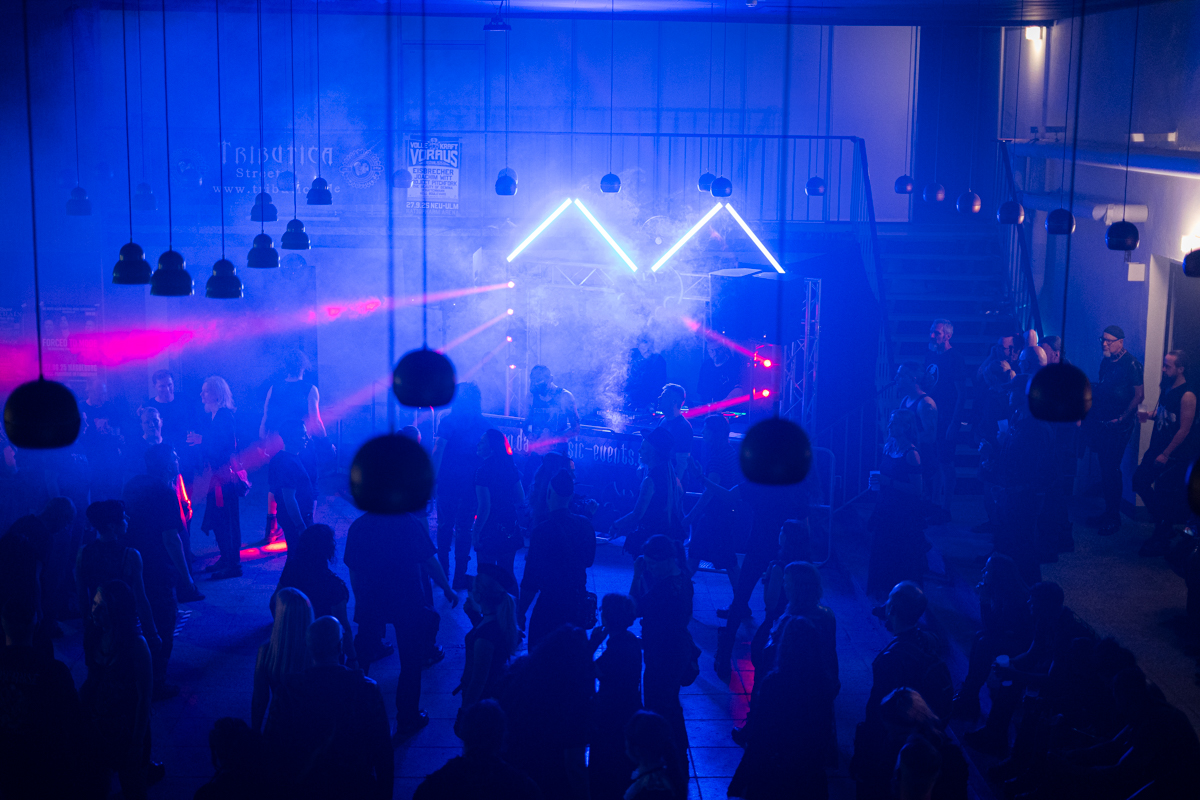
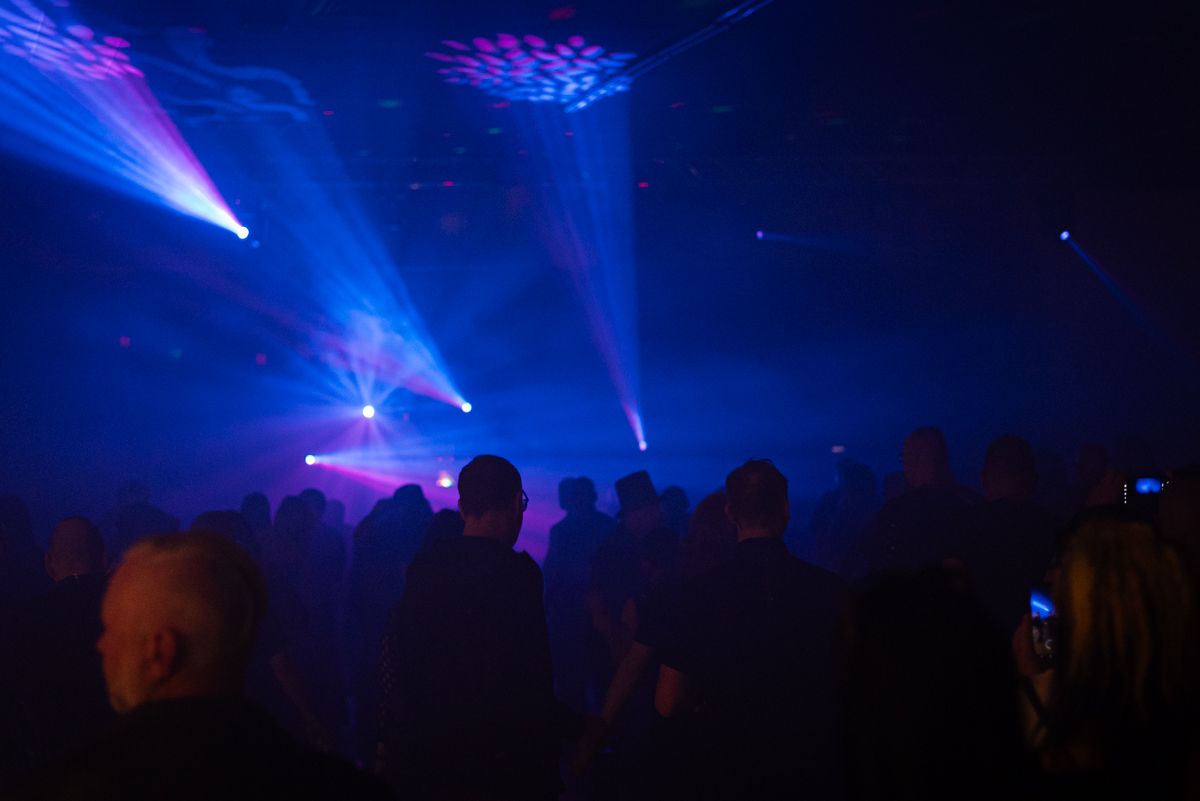
There are surely warm-ups happening elsewhere, but an EBM warm-up party is always a sure bet! If you like EBM on the main stage at Felsenkeller and noise up in Neumann’s attic, then you might also really like the body-music DJ room in the basement, which is very reminiscent of BFTV. There’s loud music, smoke, and strobes - everything your heart desires.
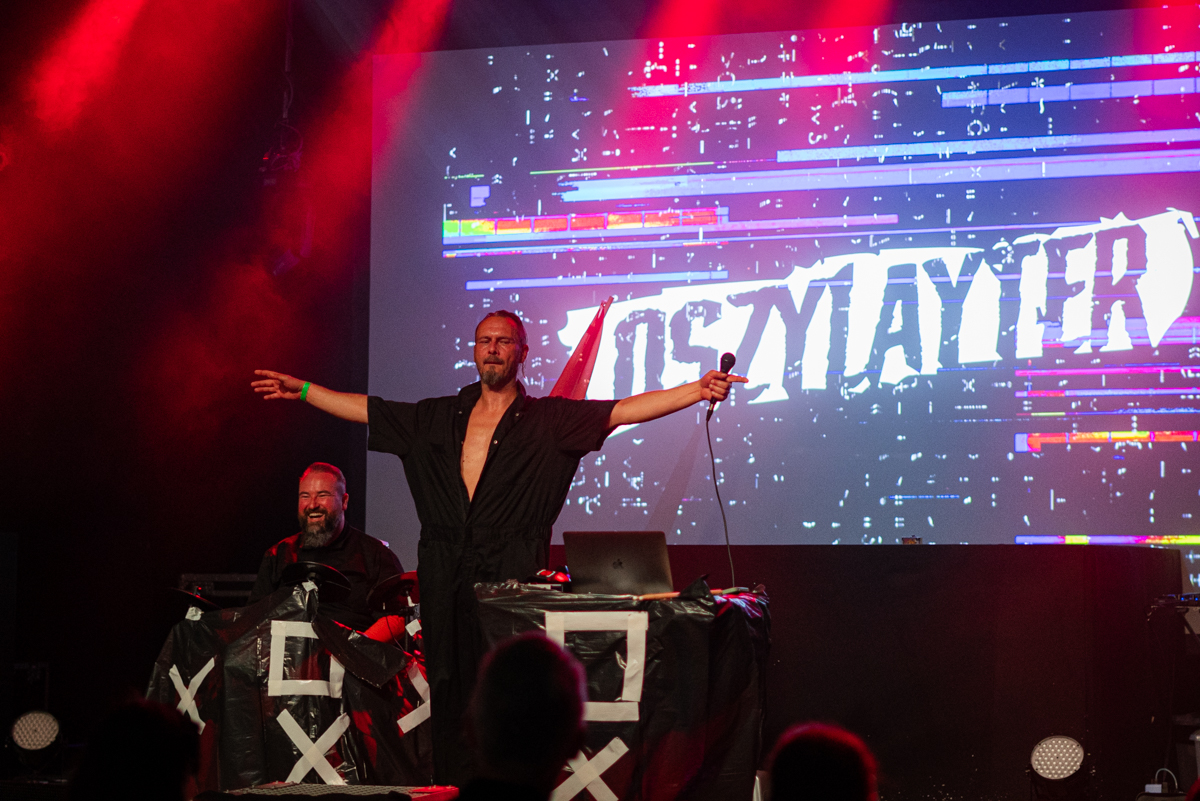
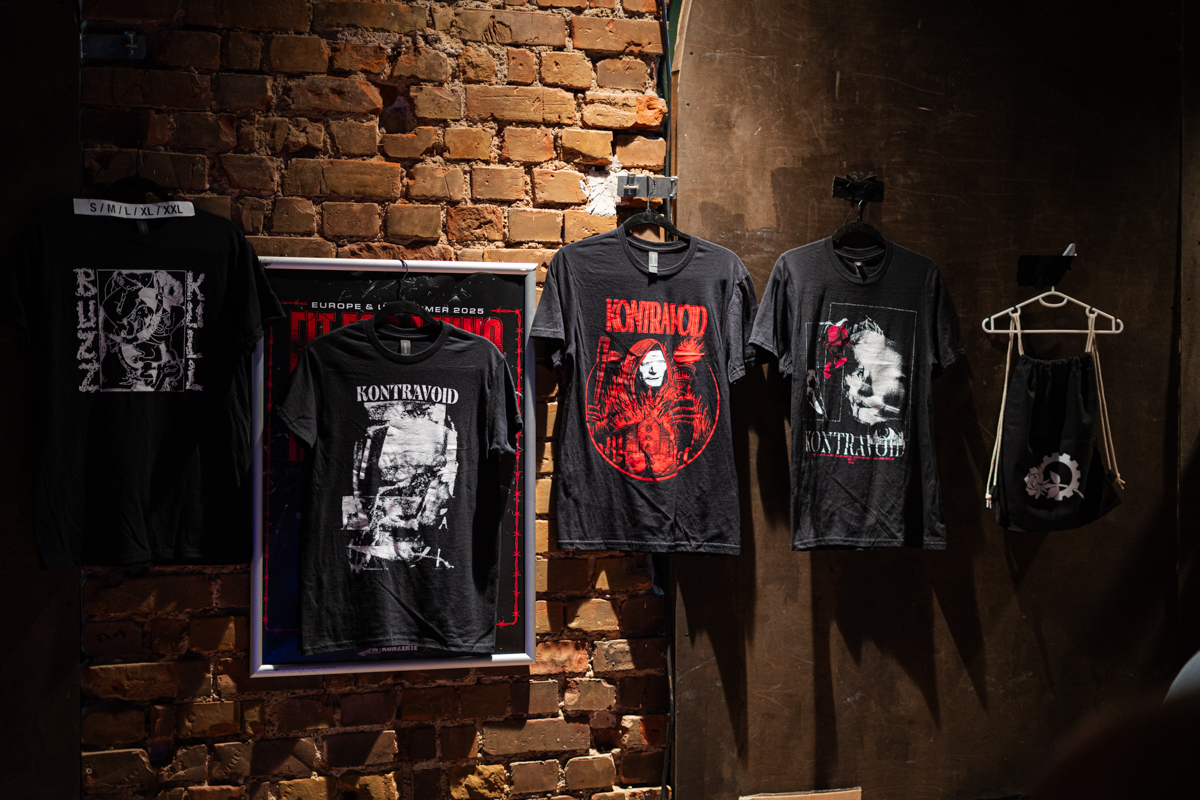
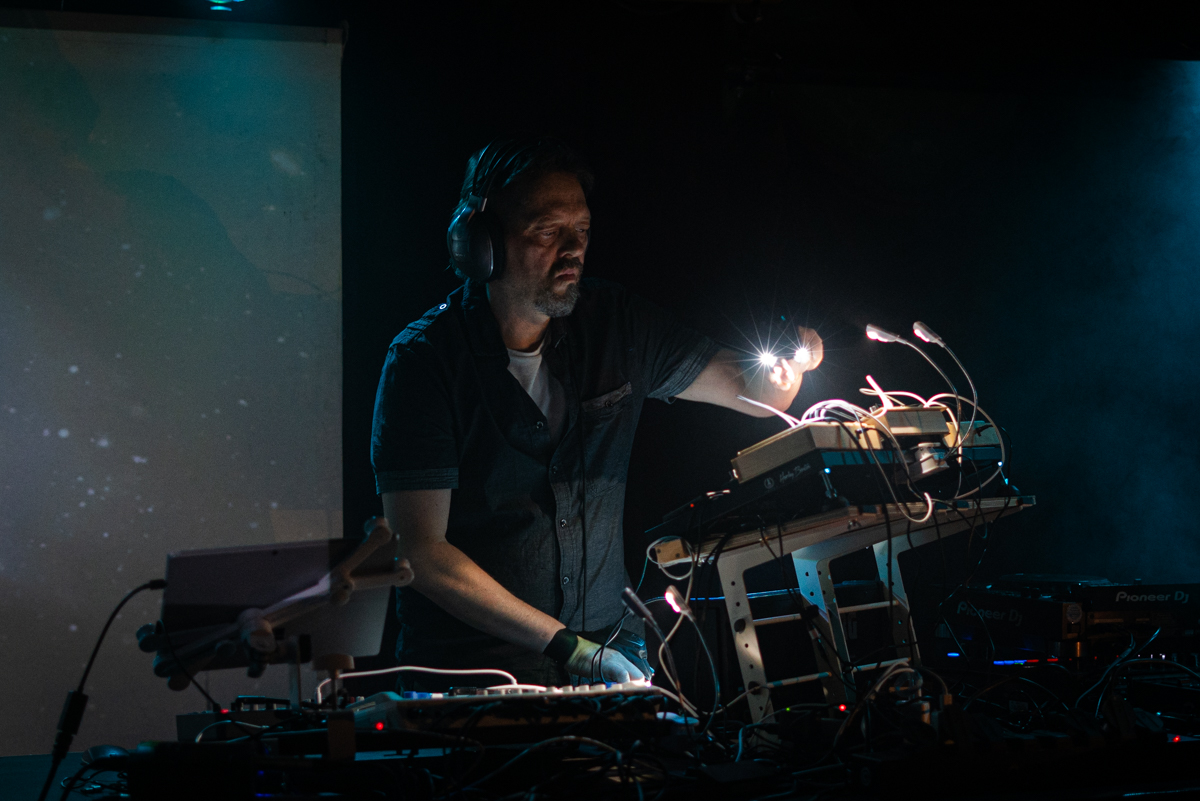
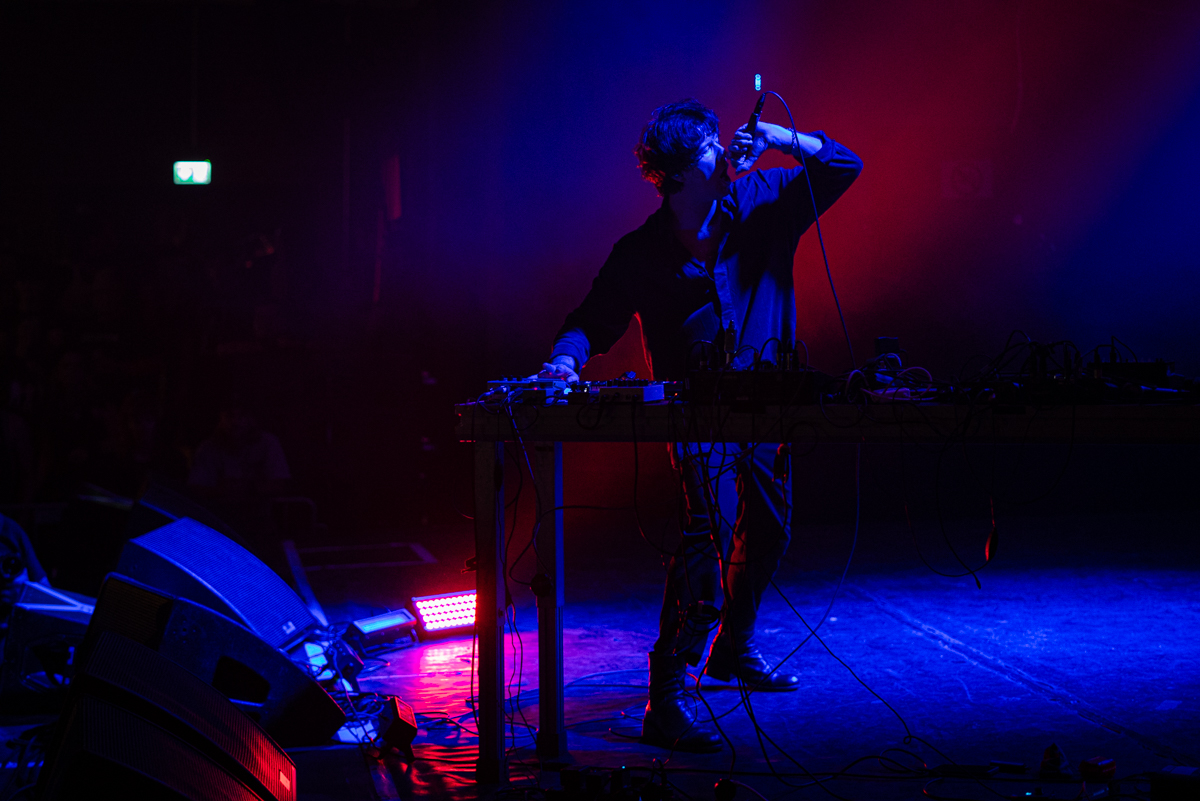
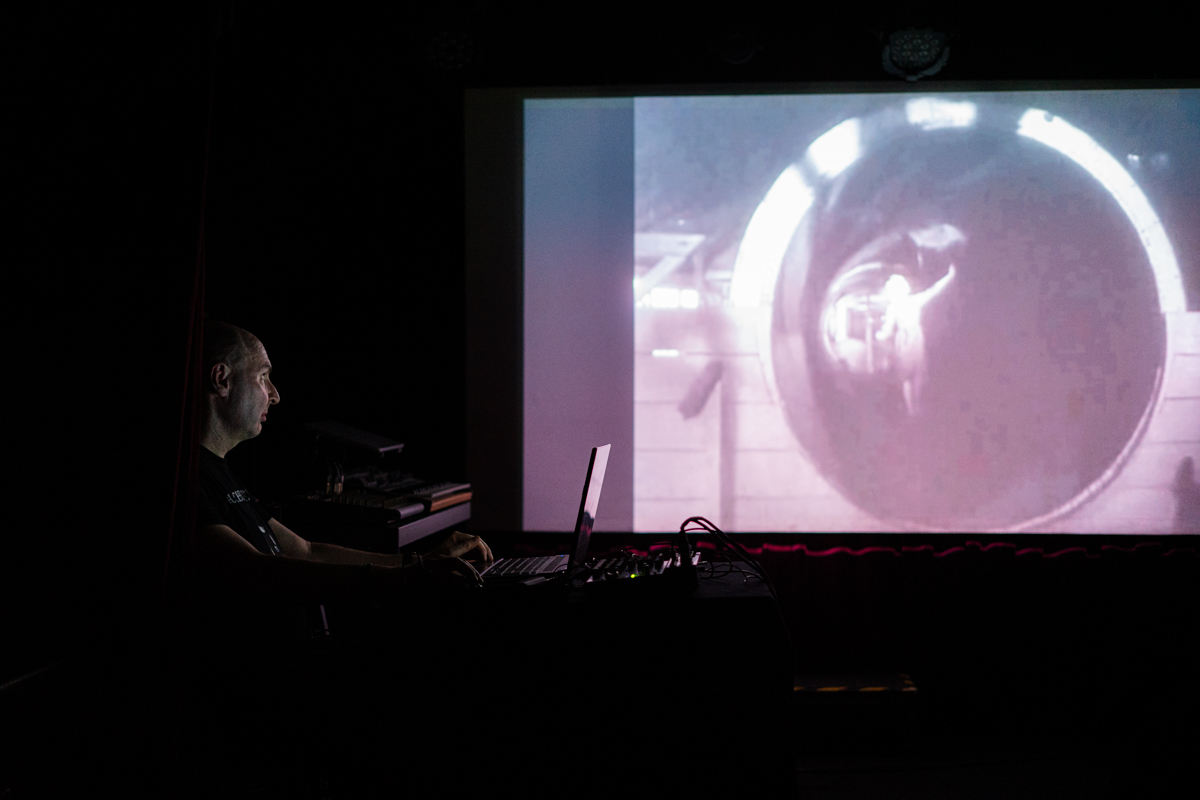
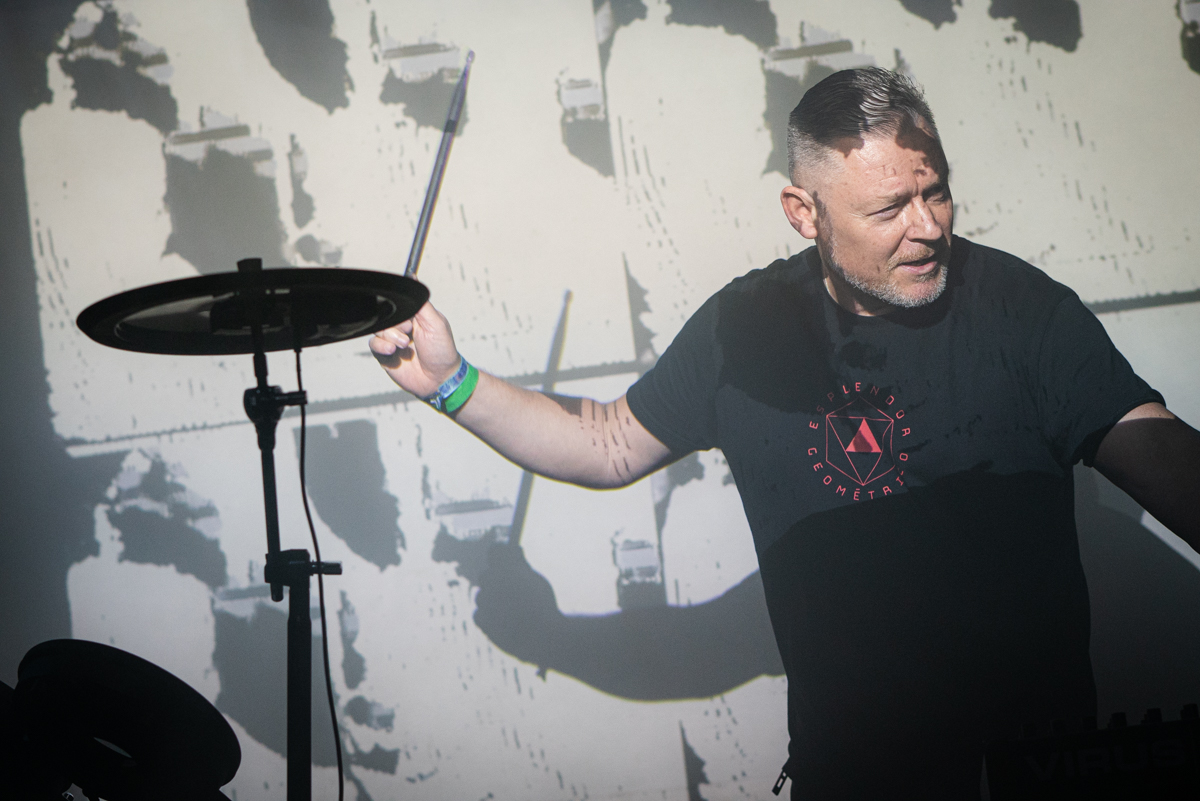
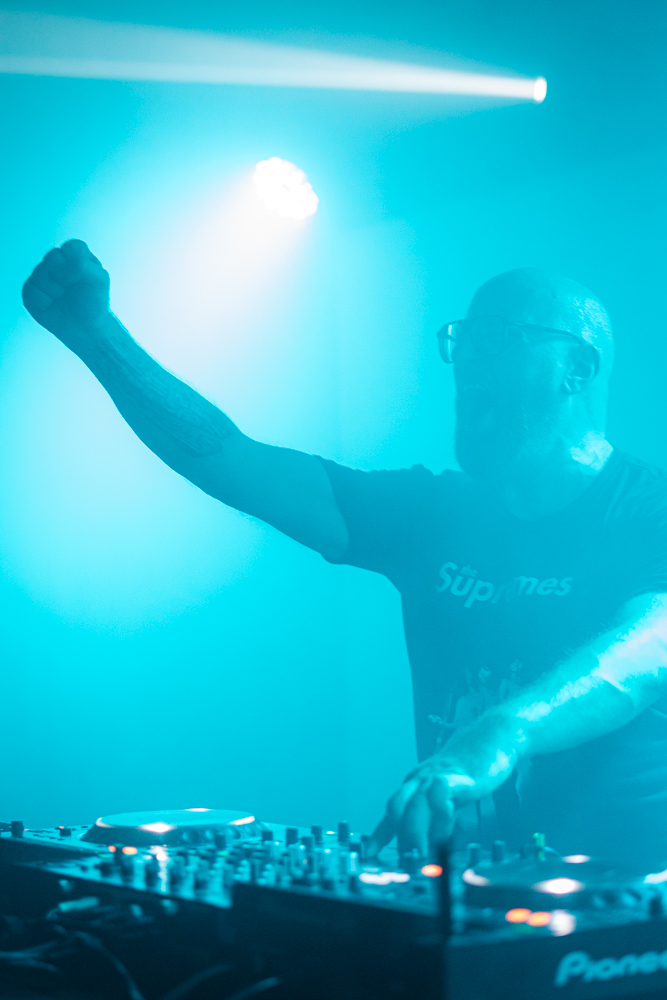
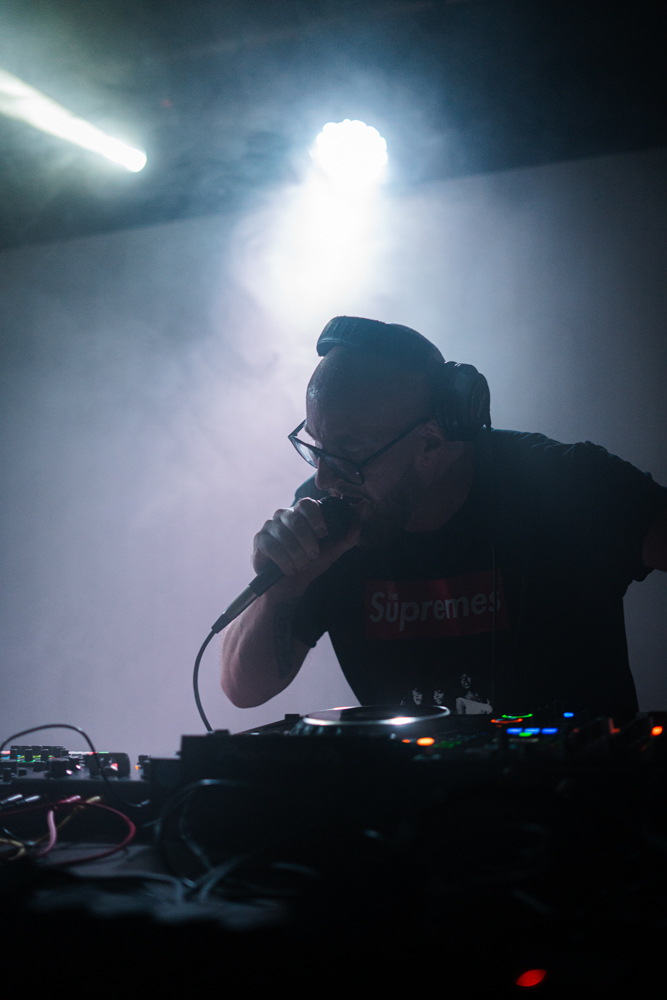
In the main hall, we saw Buzz Kull this time and, of course, Kontravoid, who happened to be performing on the same venue’s stage for the second year in a row. I’m so sorry that Kontravoid isn’t performing there this year, and I hope to experience déjà vu again next year. Also Ozylayter right at the start, then at some point Nordarr, Kreign, and finally Absolute Body Control. Upstairs in the attic, in a room curated by the ambient-noise-industrial label Audiophob, at the same time: The_Empath, Capsular, Oliotronix, Mortaja, Rendered. Legends in both the big hall and the smaller one, a super pre-party!
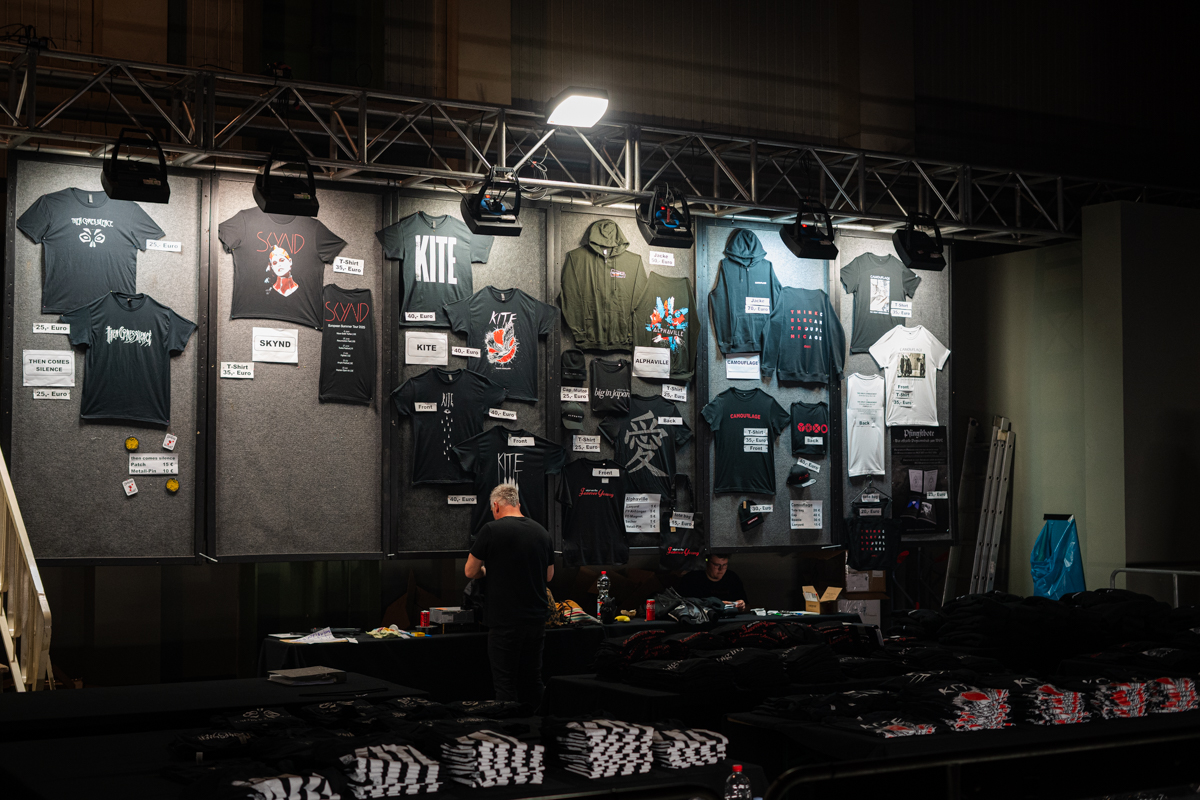
By the way, there will be plenty of music and merchandise for sale at the music stalls that evening, several record labels have brought their selections to satisfy the music cravings of audiophiles. Upstairs, you’ll definitely find Audiophob itself as well as a representative from Aufnahme + Wiedergabe with their sales tables; downstairs, there will be bands on the main stage and a couple of additional stalls set up separately. Very often, you can also buy merchandise made especially for this occasion - keep your eyes open and don’t be shy about asking if something specific interests you. They’ll dig it out of a box under the table for you. If you’re looking for Andreas Herrmann from Cold Transmission, you should head to Moritzbastei; if you’re looking for Udo Wiessmann, you’ll definitely be able to catch him at the Noise Floors event during the festival’s main days. He’s also a sure bet to be found during the day at the Hands record stall in the market area of the Agra Exhibition Center, where he’s happy to chat and introduce his favorite music.
It’s also a good idea to catch Daniel Myer early at Neumanns, as he’s always at the festival in various places—either performing, running errands, or both. He never looks tired; this guy is always excited, and his eyes sparkle. And at the EBM warm-up party, he usually takes the stage with one of his bands. The year before last it was Haujobb, last year it was Rendered. This year, we already know we’ll see Liebknecht perform.
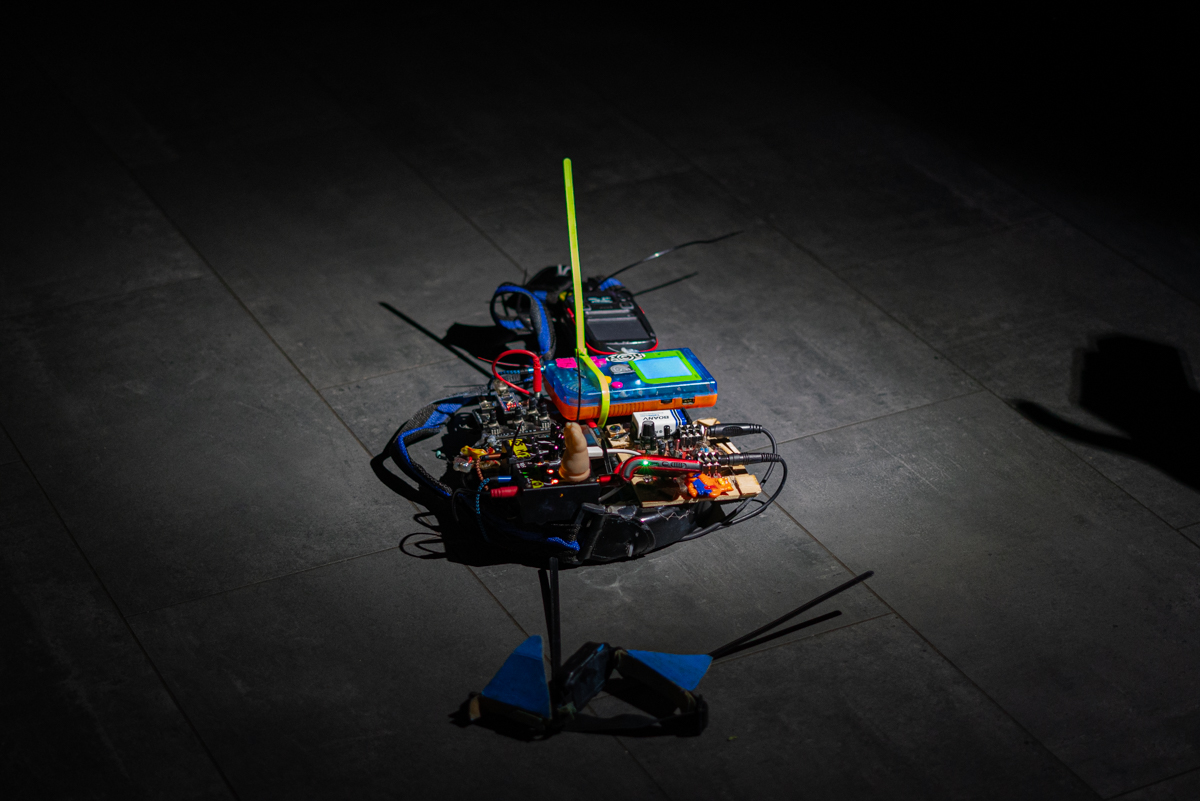
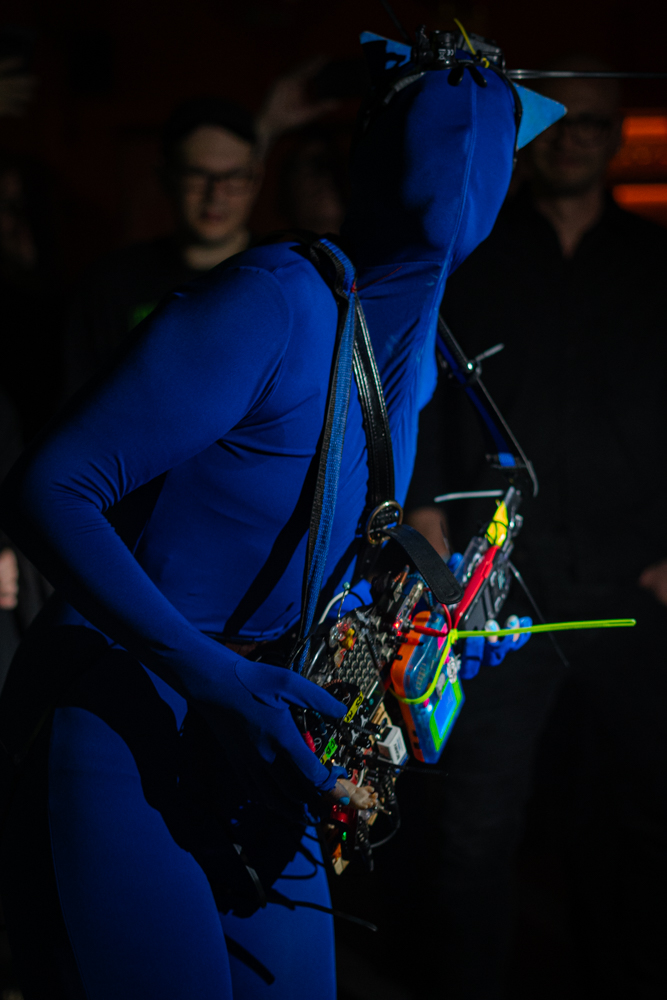
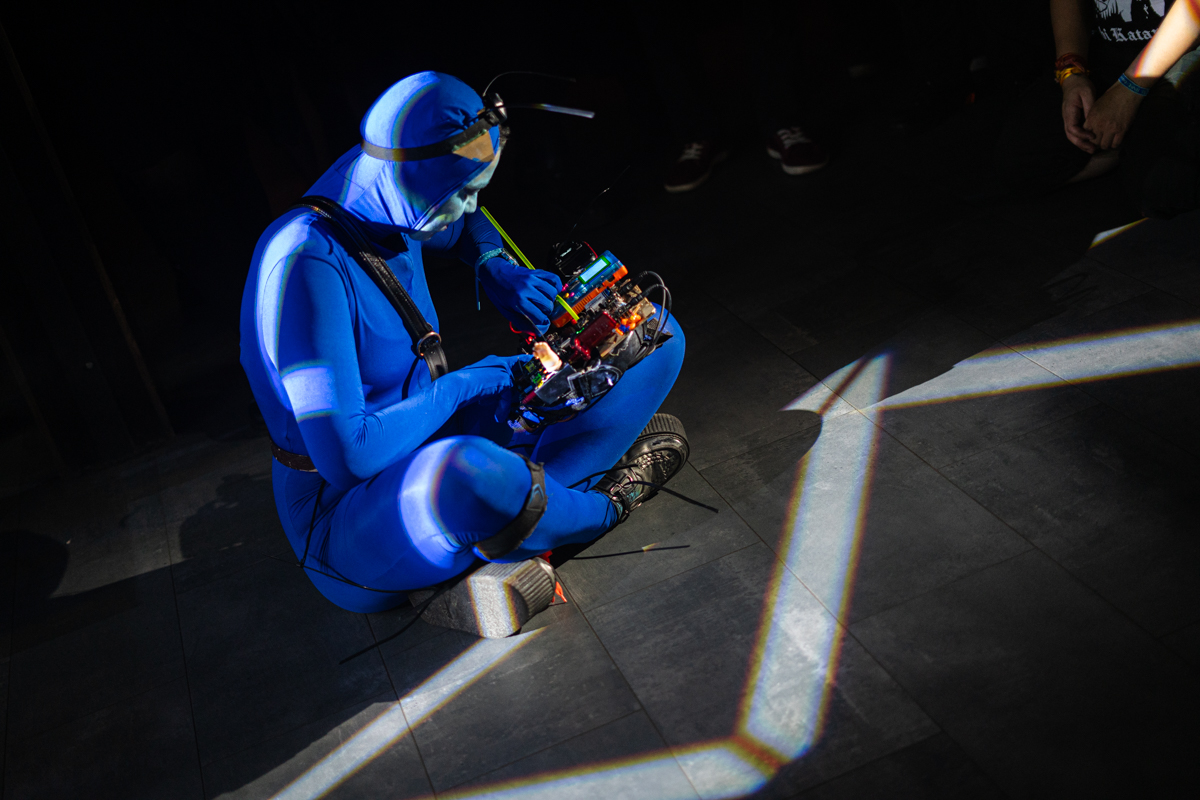
To my surprise, I also found a performer from Estonia, Oliotronix, even though I was pretty sure I wouldn’t see anyone from my home country on stage this time. In the past, Estonia has been represented at Wave Gotik Treffen by bands like Bedless Bones, whom I saw at the Volkspalast Kuppelhalle, and Freakangel, who last performed before the pandemic. Freakangel is nicely listed for the upcoming WGT 2026, so I can correct this mistake and support them. So, last year’s local surprise act, Oliotronix, is actually a very familiar name to me; back in the day, I used to hang out with Olya Levistova both at the music venue Juuksur and at the bar Levist Väljas, because before moving to Belgium, she lived in my hometown of Tallinn, and that’s where she also started her music career. For some reason, I didn’t notice her name on the event list, and the EBM warm-up artists aren’t listed on the festival’s artist page, since this isn’t an official festival warm-up party. Olya recently performed at an event organized by Glitch Please on the Kinomaja stage, and back then I thought, “Maybe she’ll do it again soon.” It worked out!
Fun fact. In 2007, I organized a tribute concert to The Cure at the Von Krahl theater bar in Tallinn, where Olya, along with a friend, kicked off the evening as a surprise act and then, of course, performed a completely different set. Unfortunately, she wasn’t mentioned in the press release neither in the promotional article because I couldn’t talk about that surprise back then. What made it even more memorable was that, coincidentally, the April Riots were unfortunately taking place right there on the streets of Tallinn that very same night. It was definitely awesome to see her on the WGT warm-up stage doing her performance/noise/Raw Rave set and witness the long applause she received from that crowd.
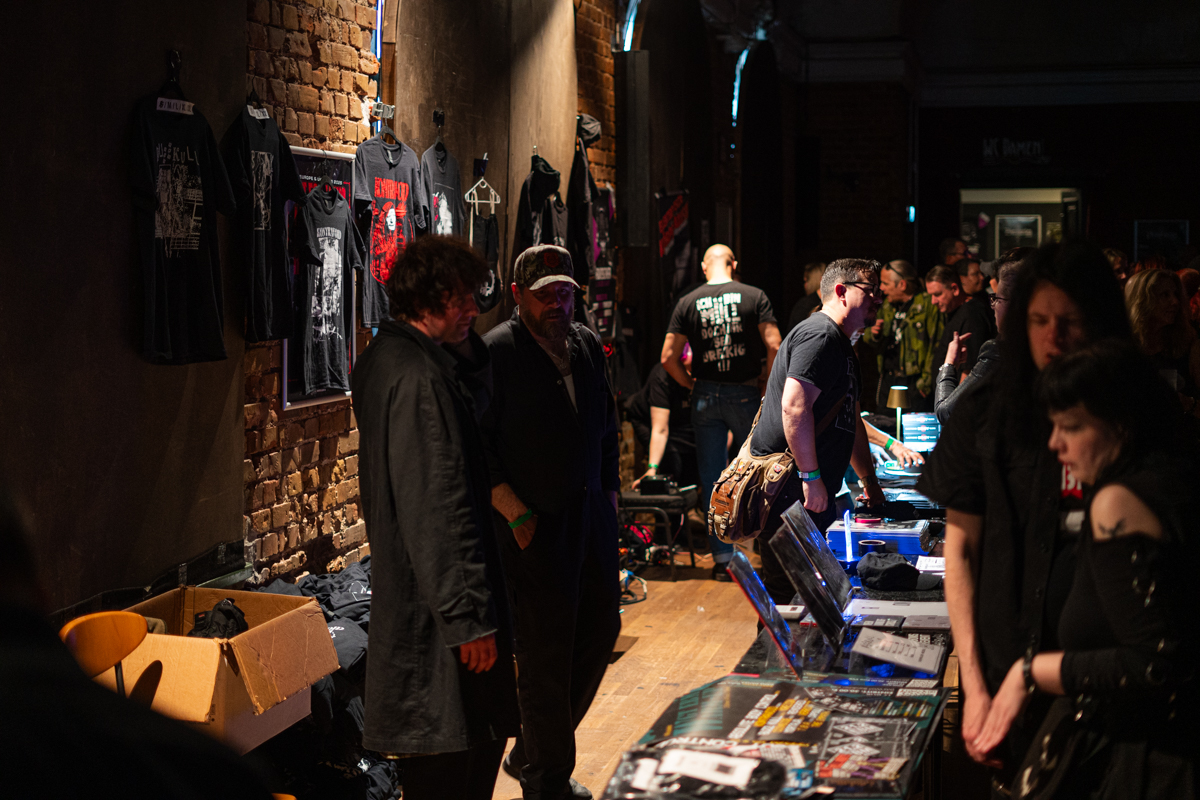
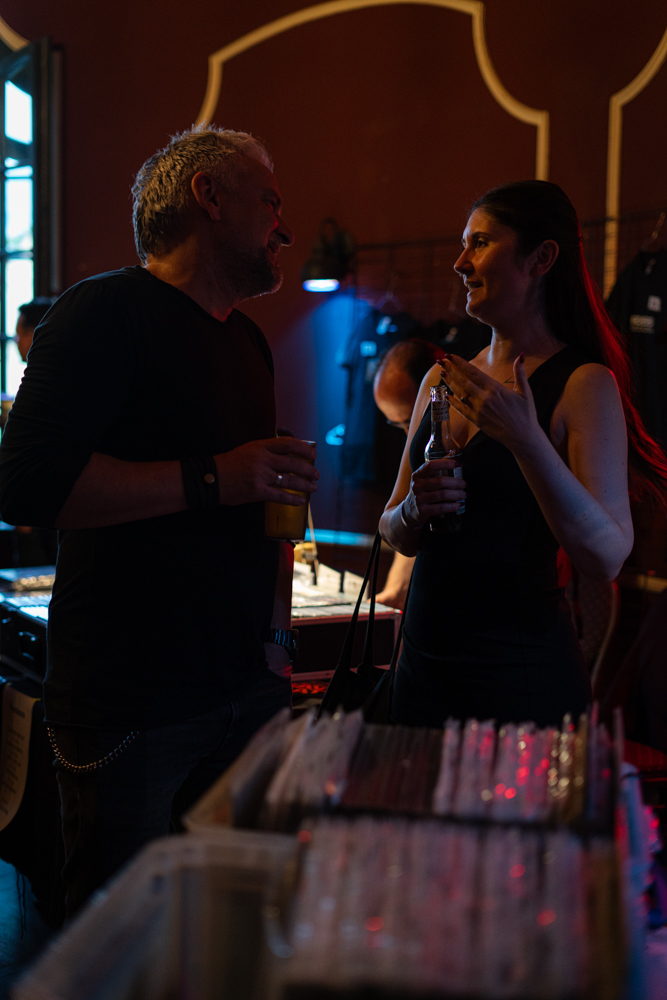
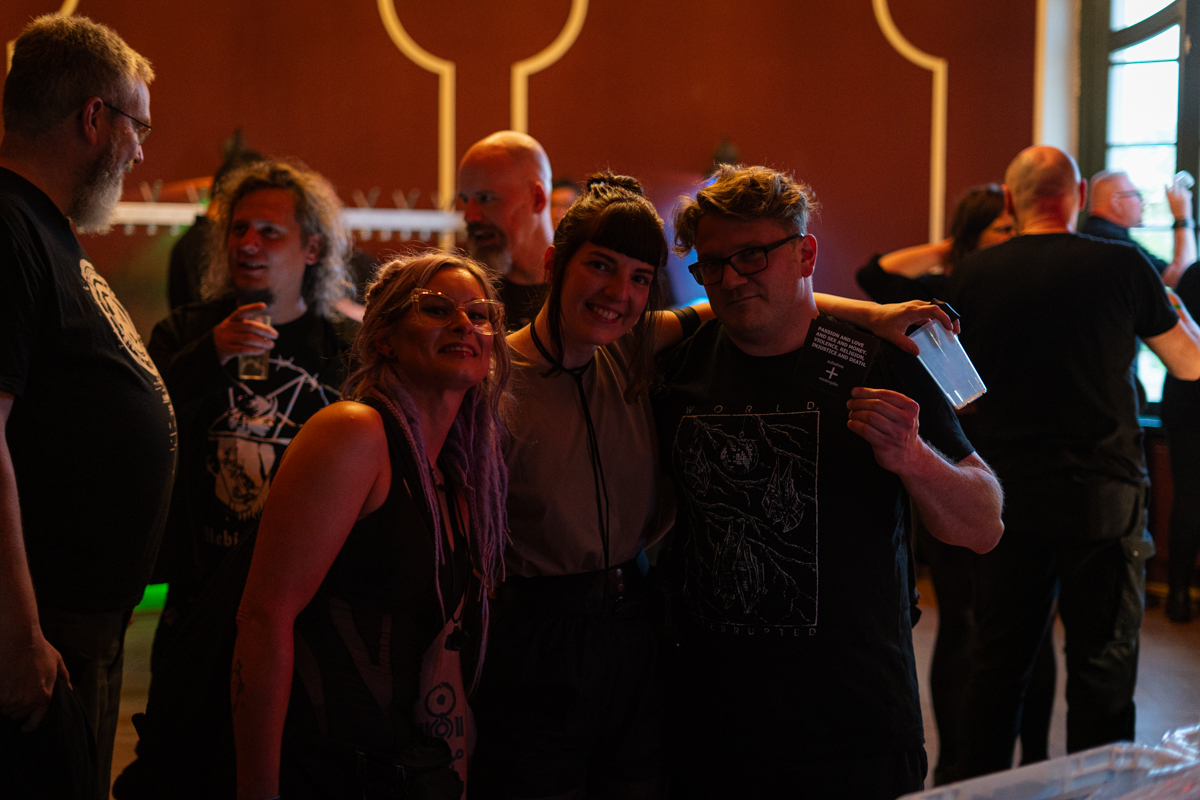
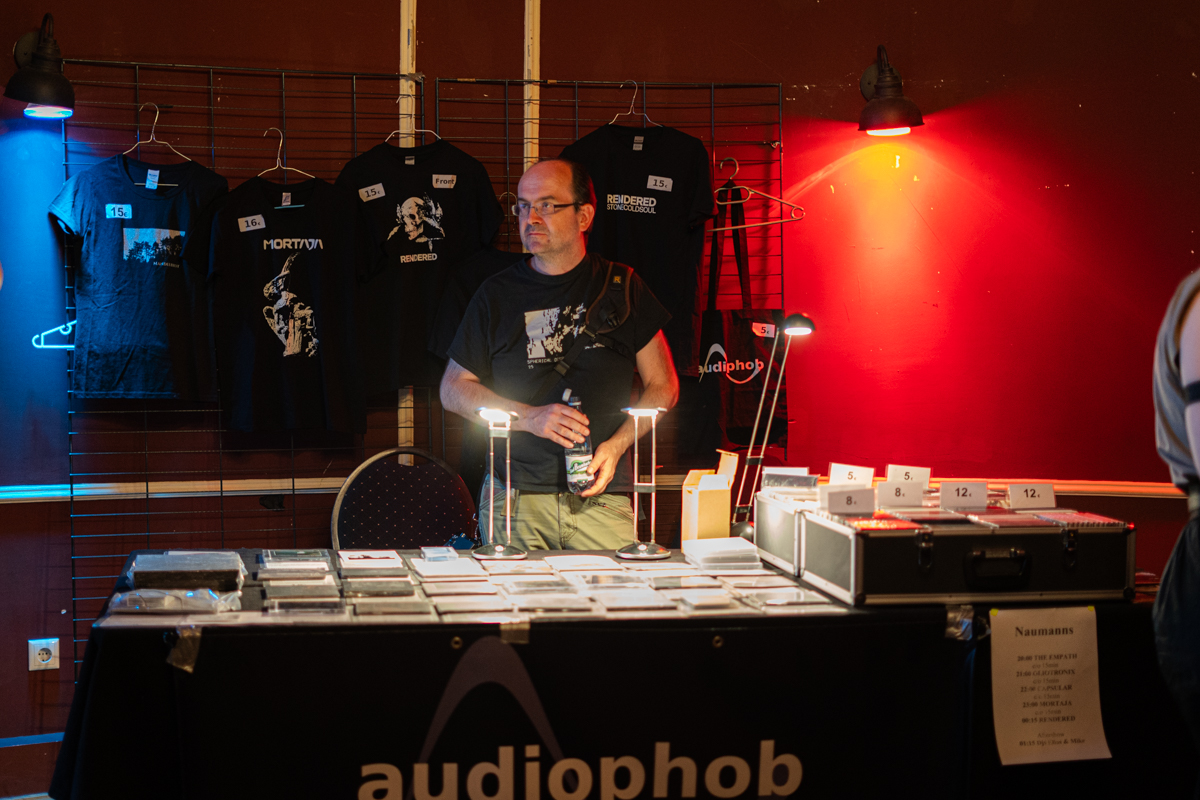
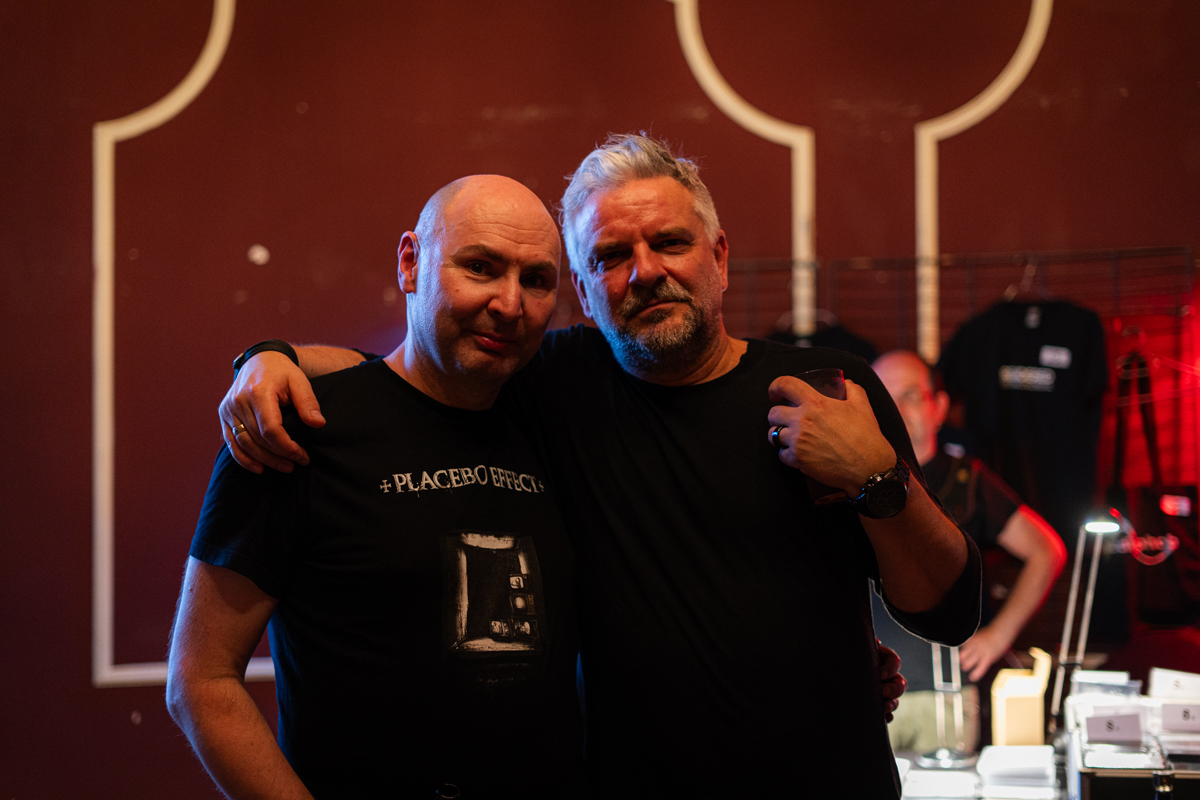
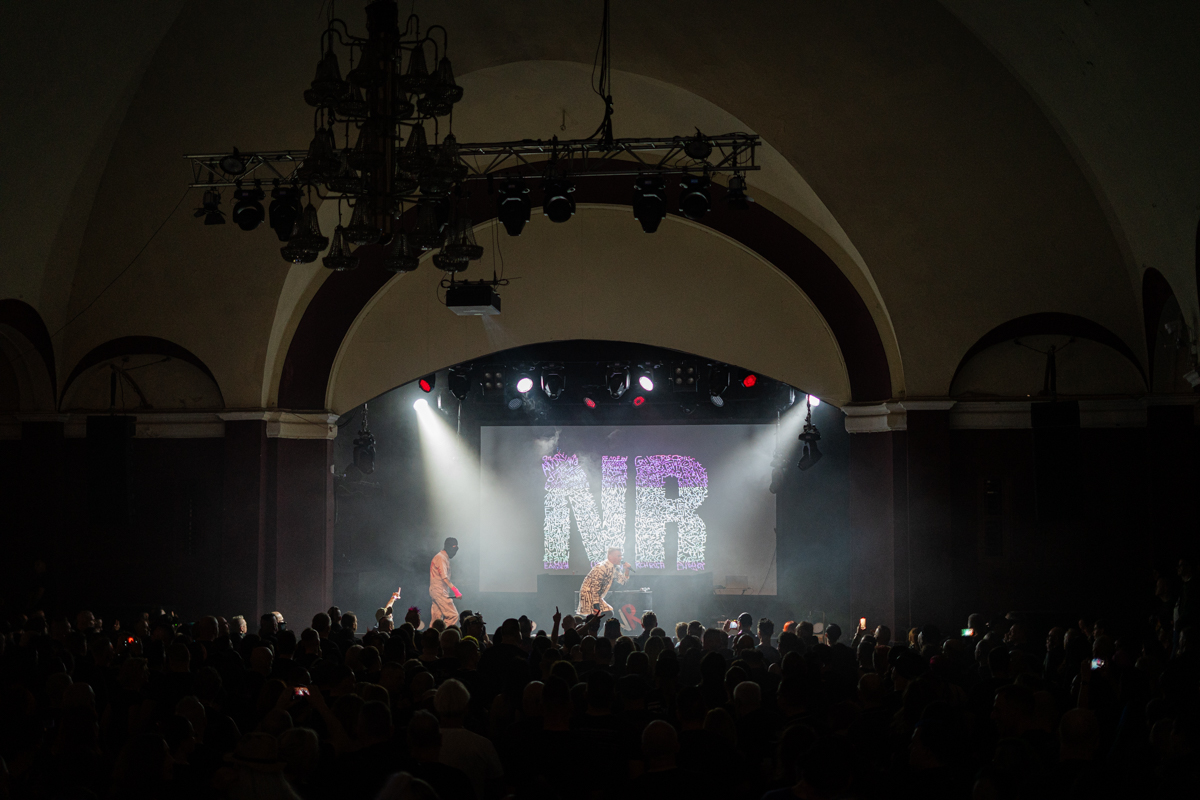
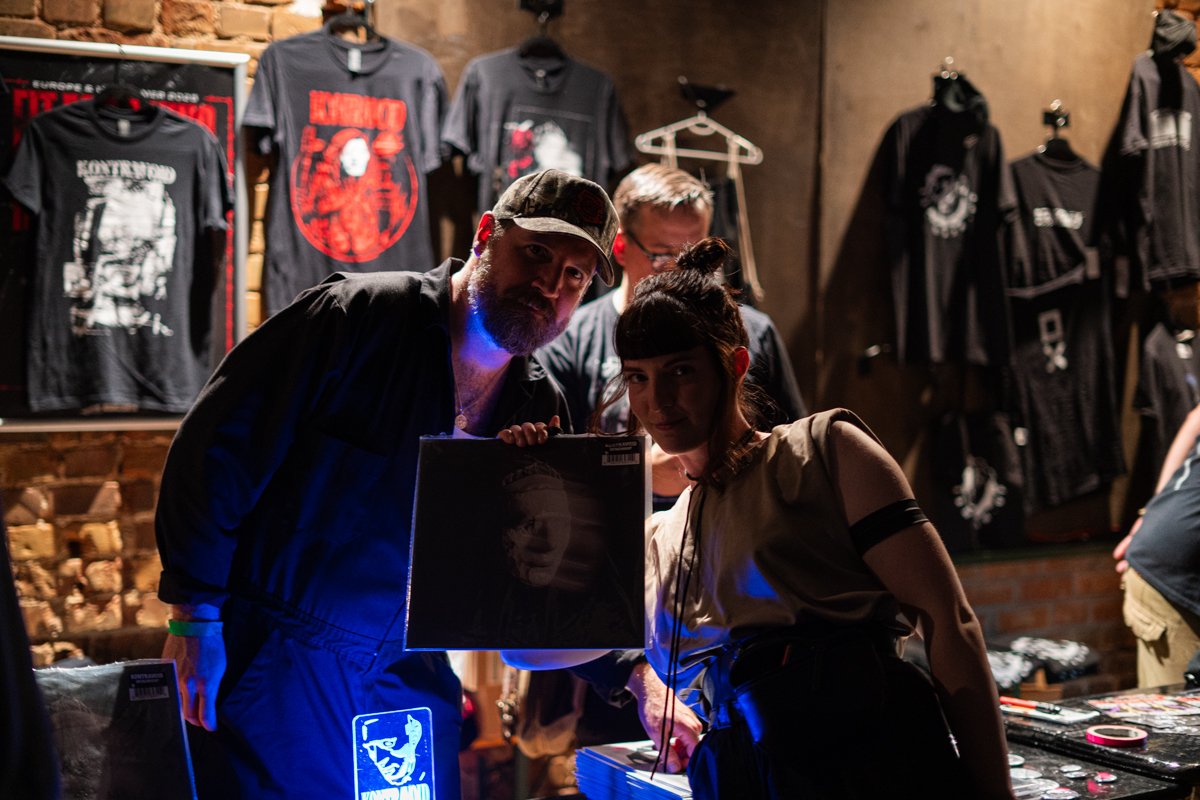
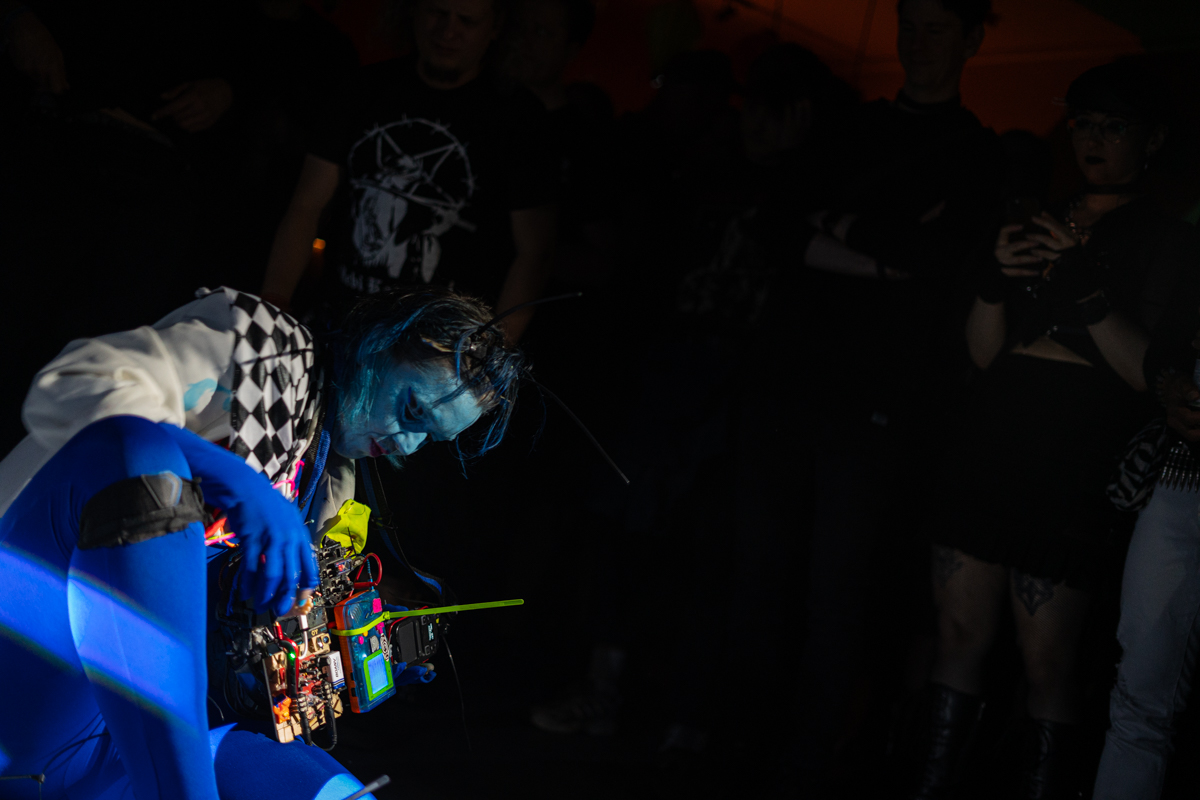
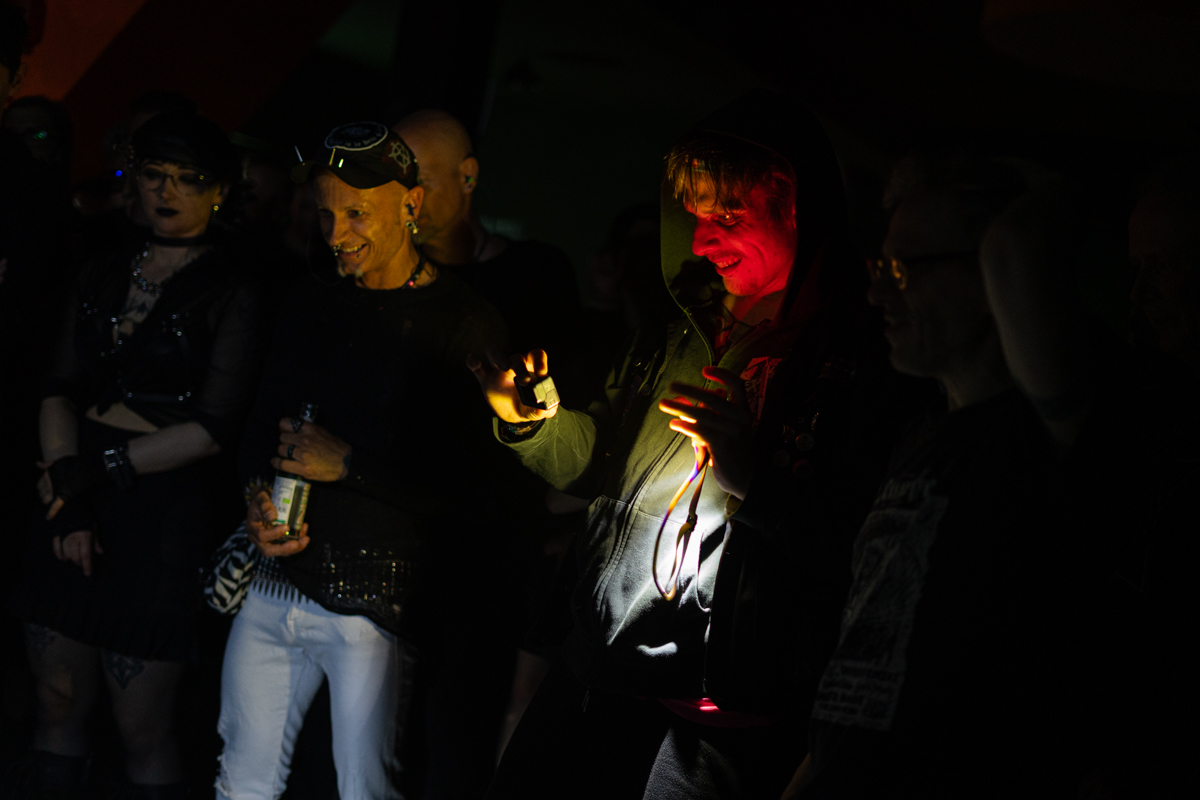
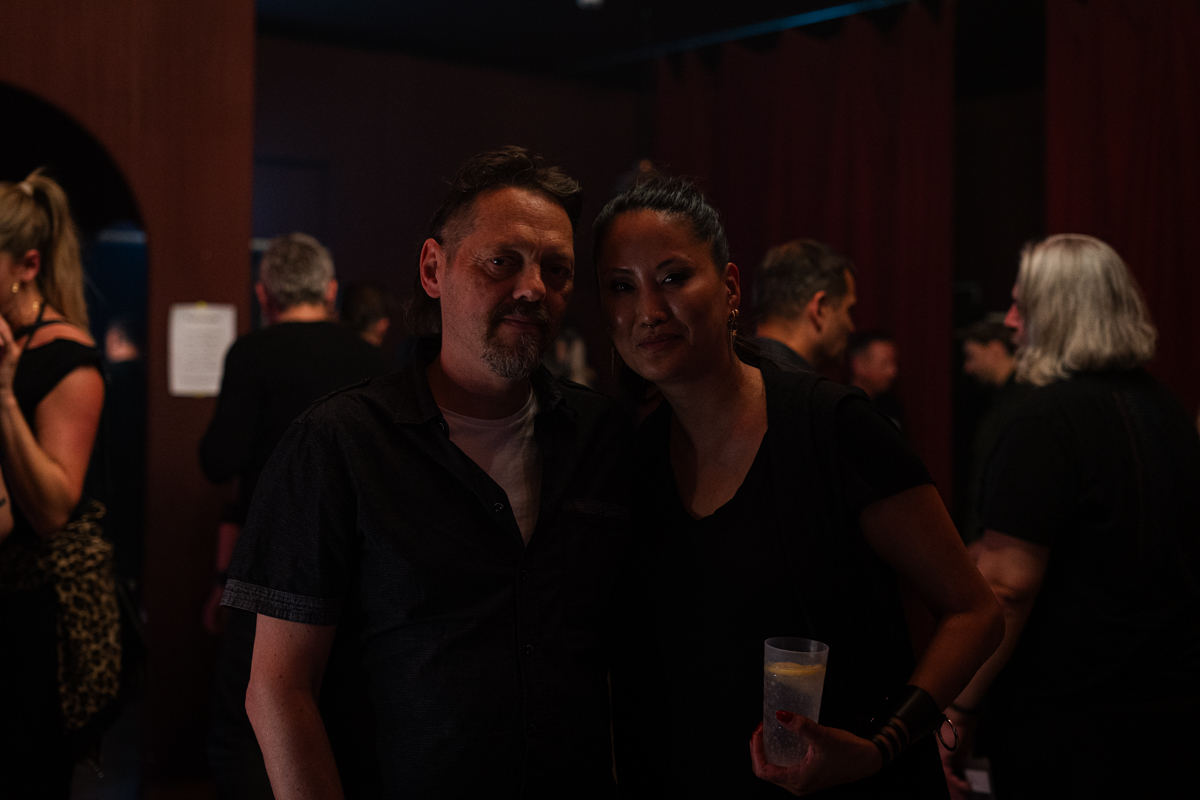
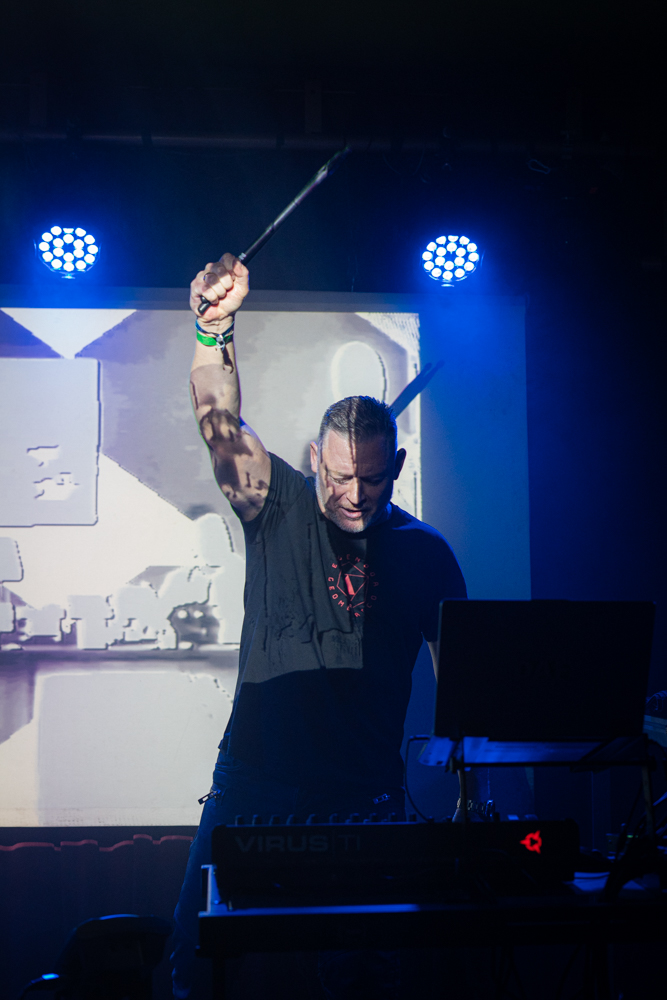
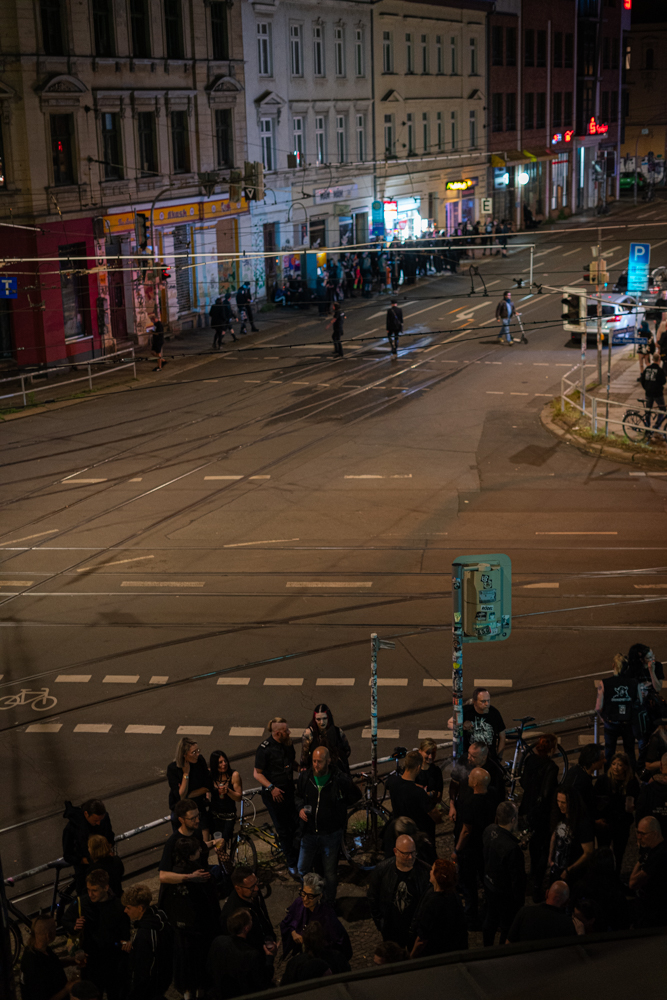
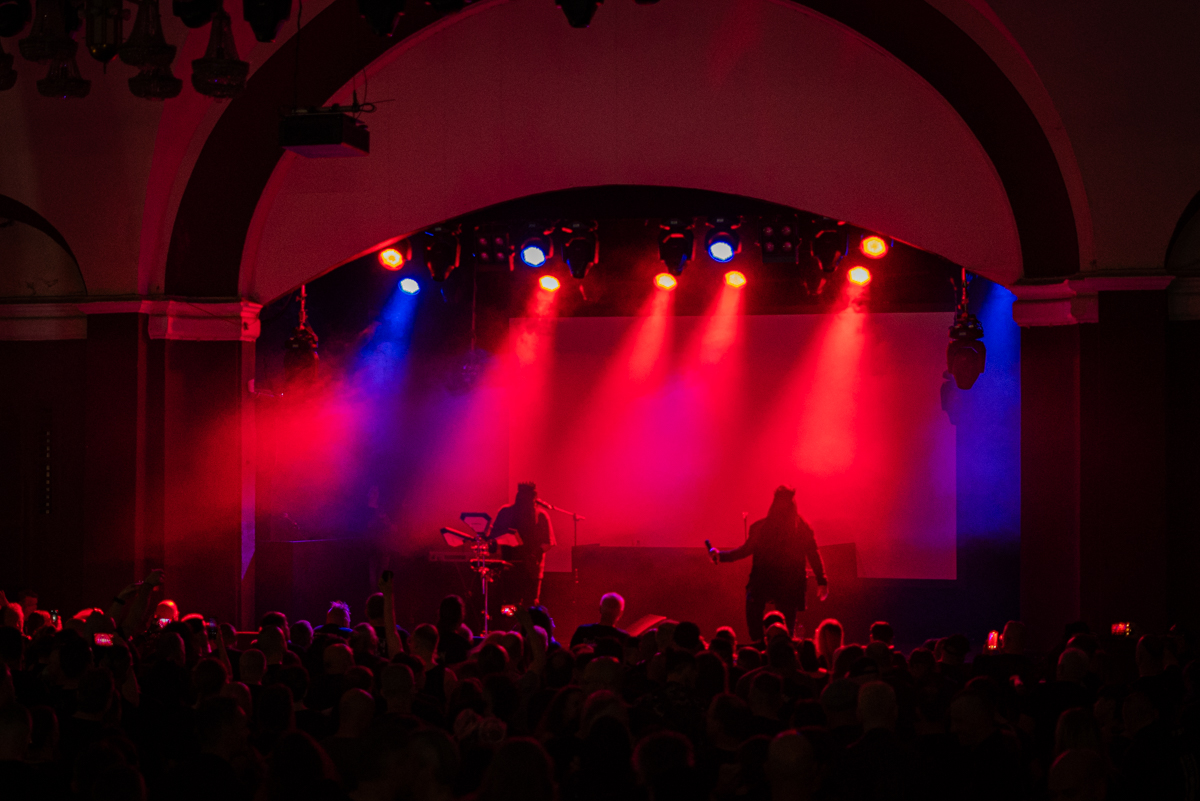
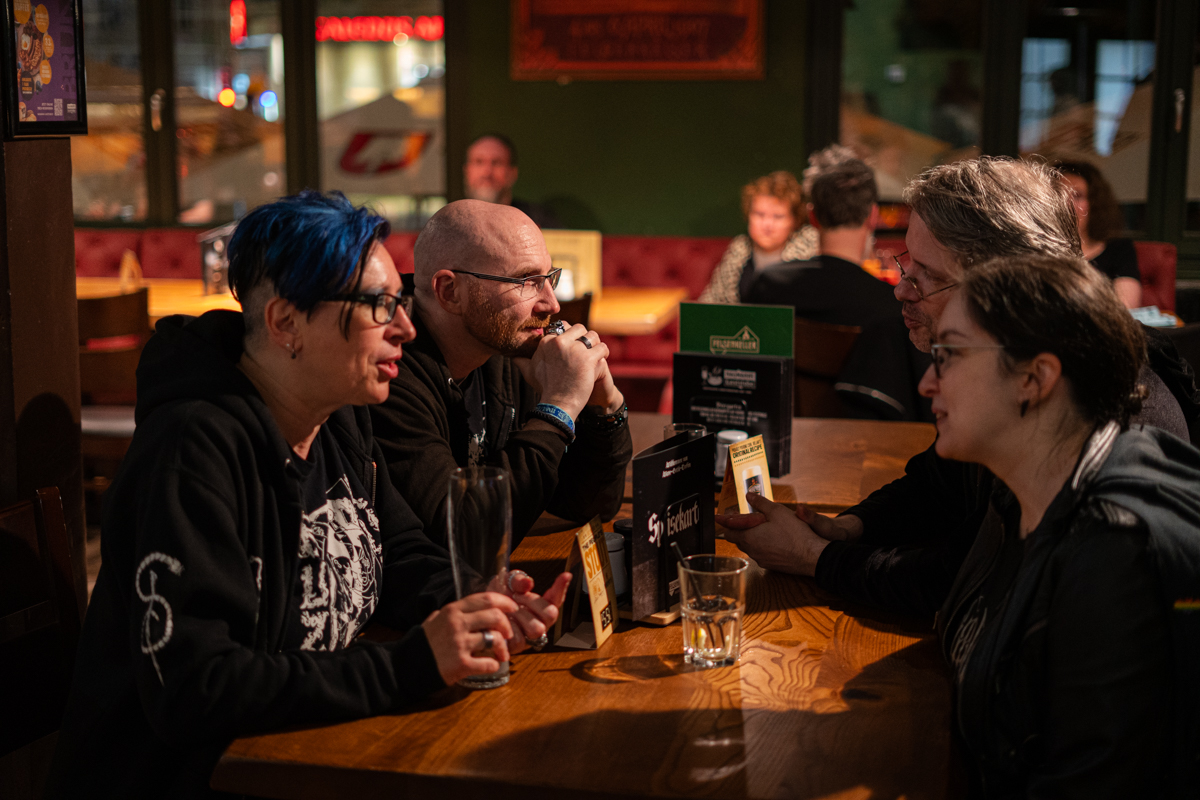
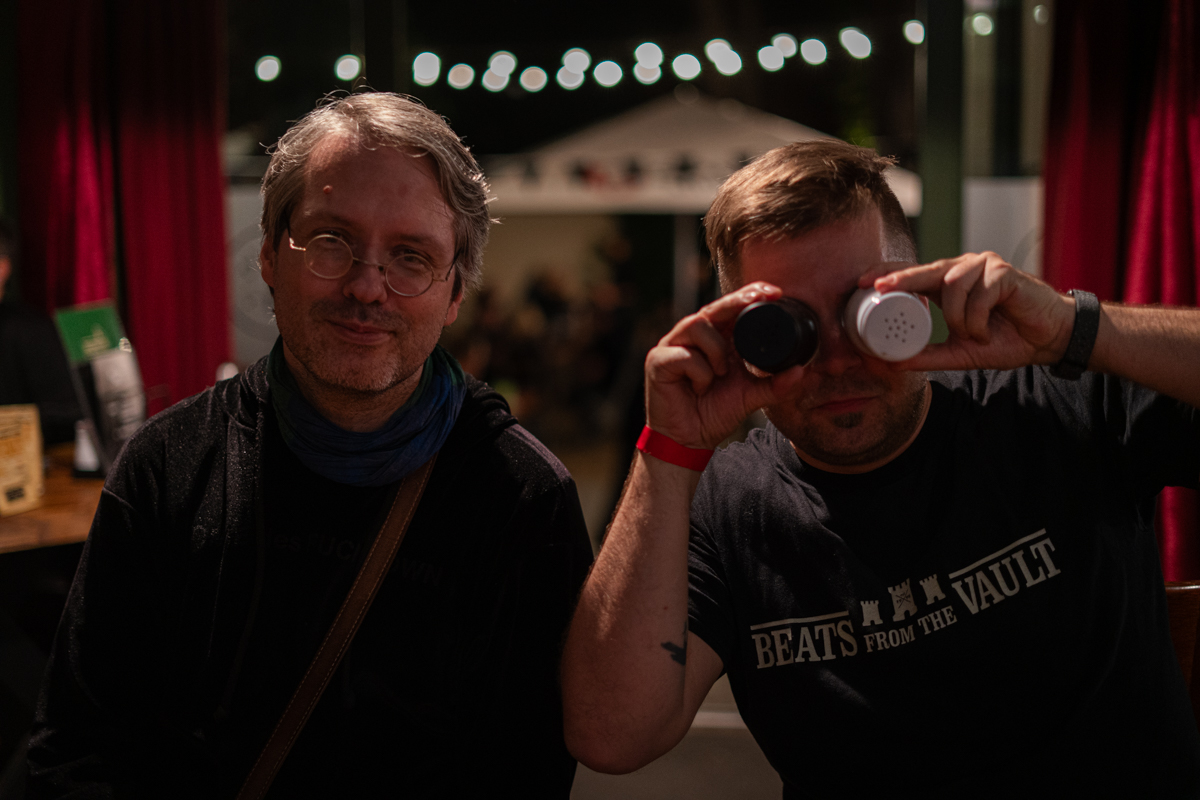
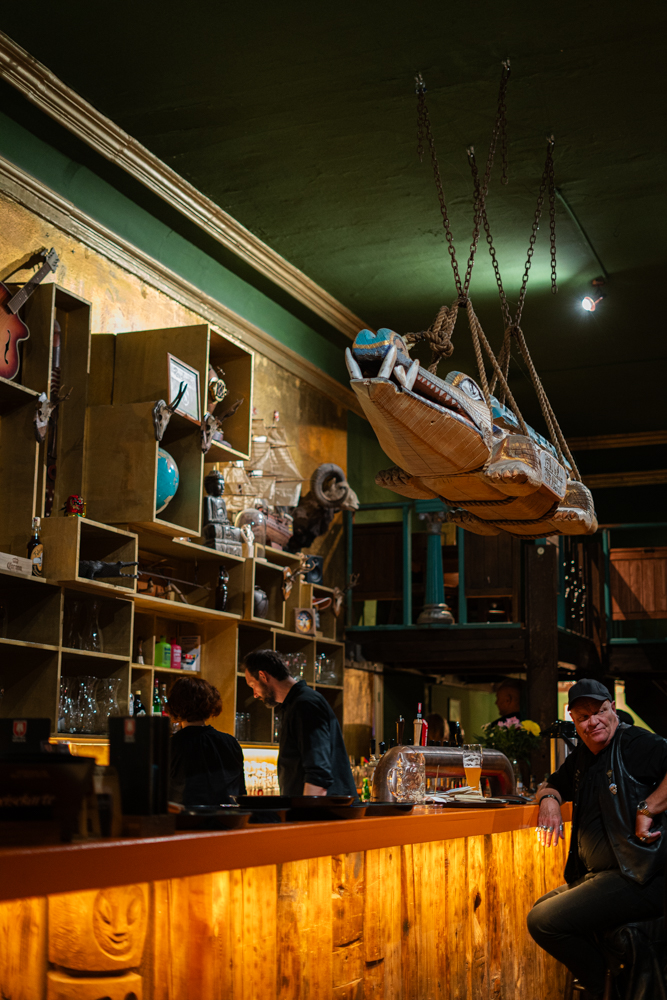
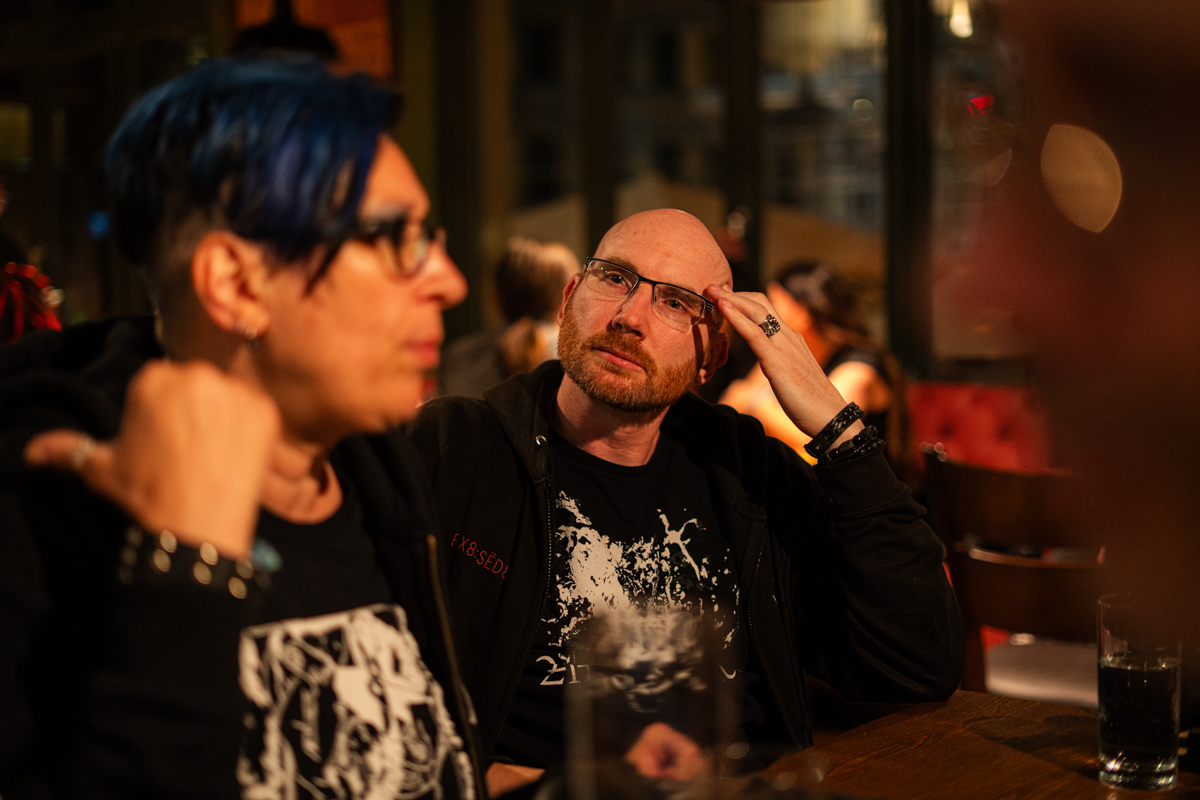
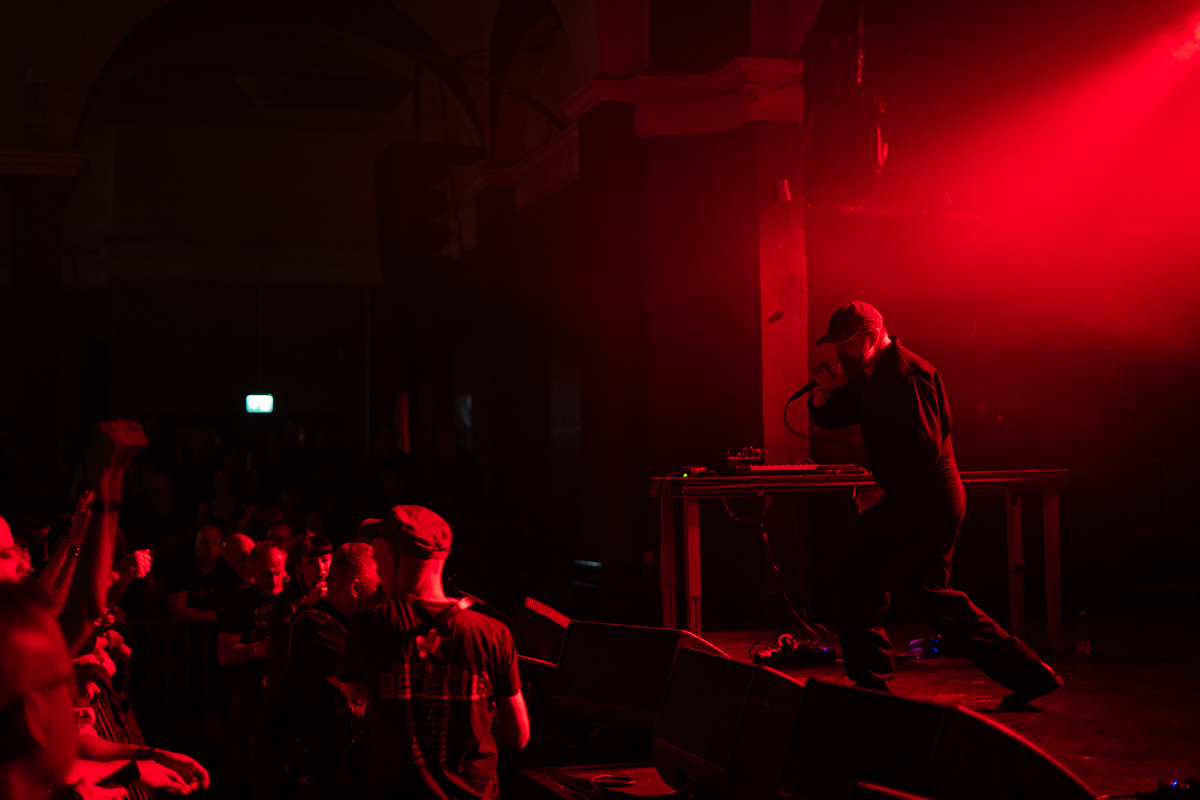
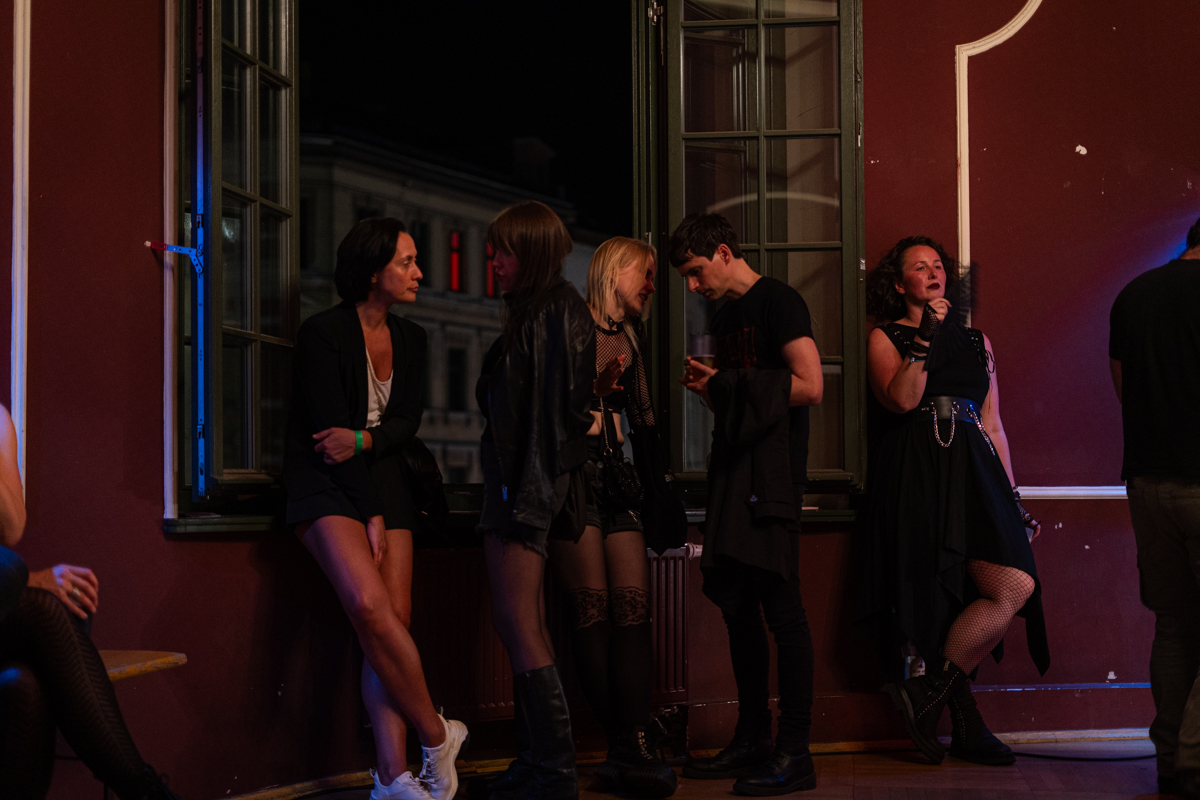
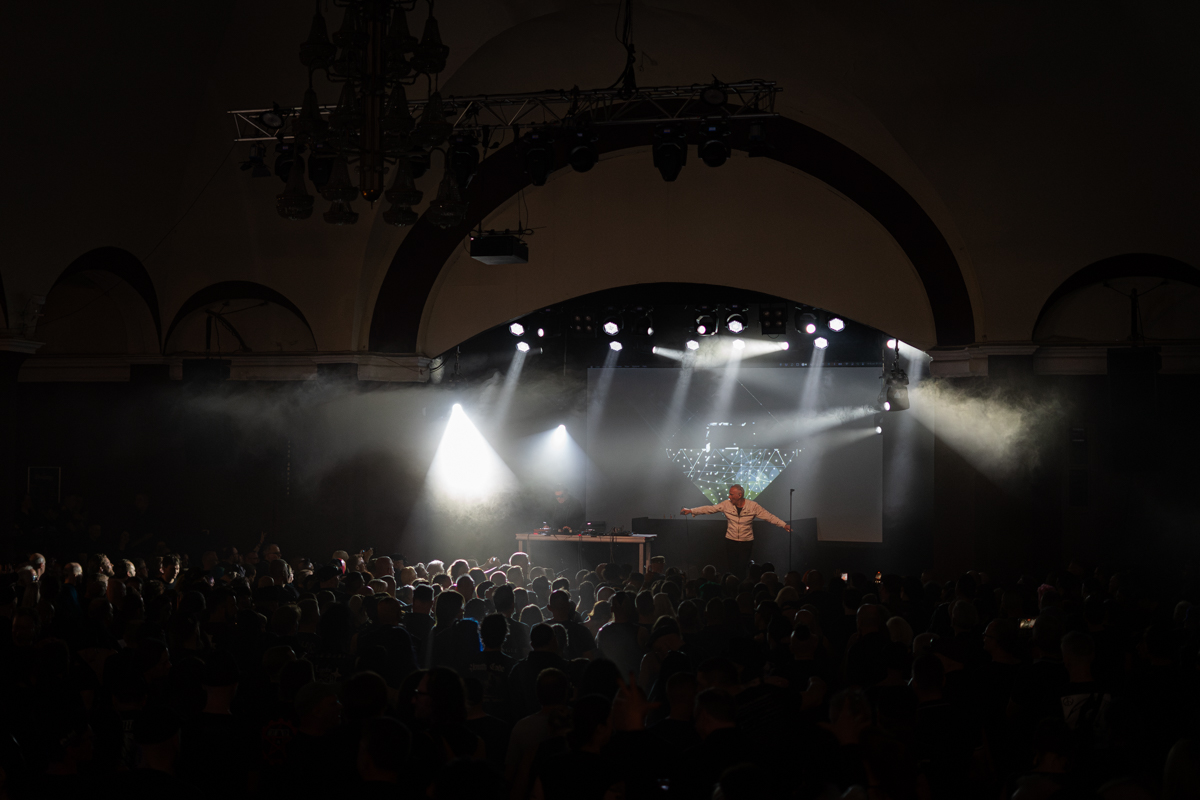
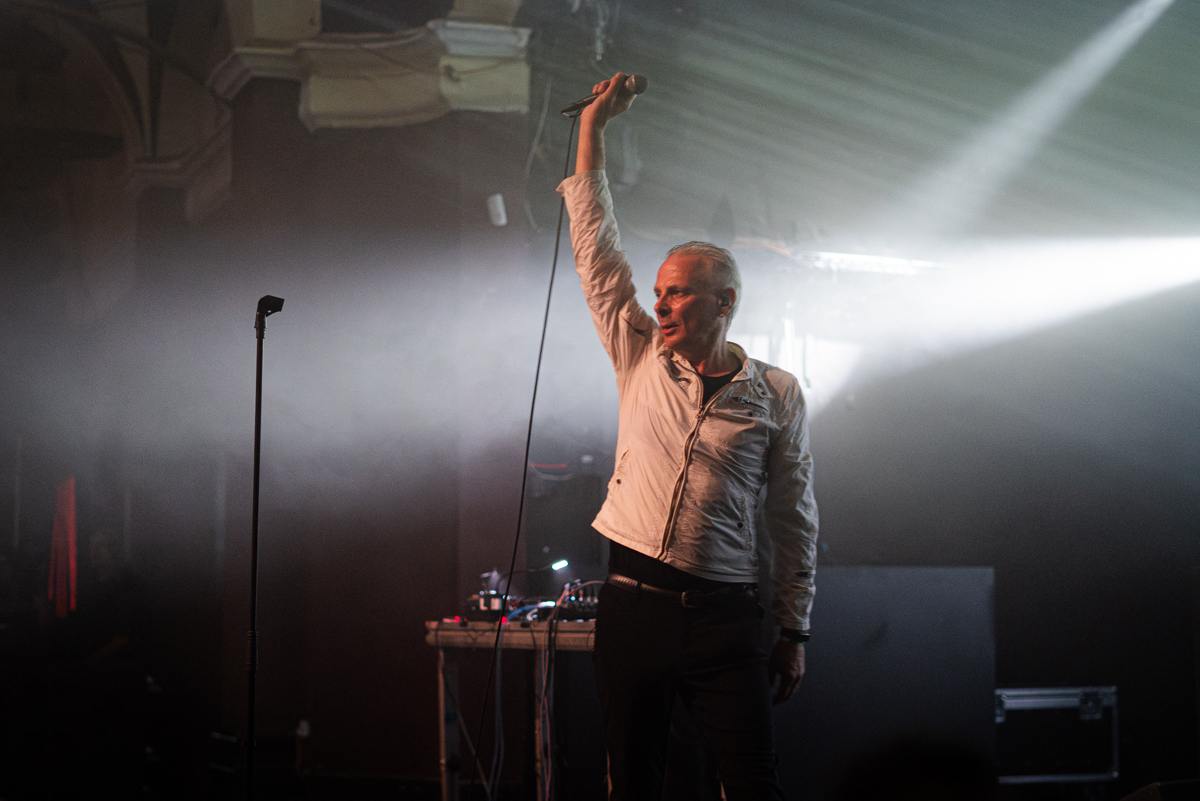
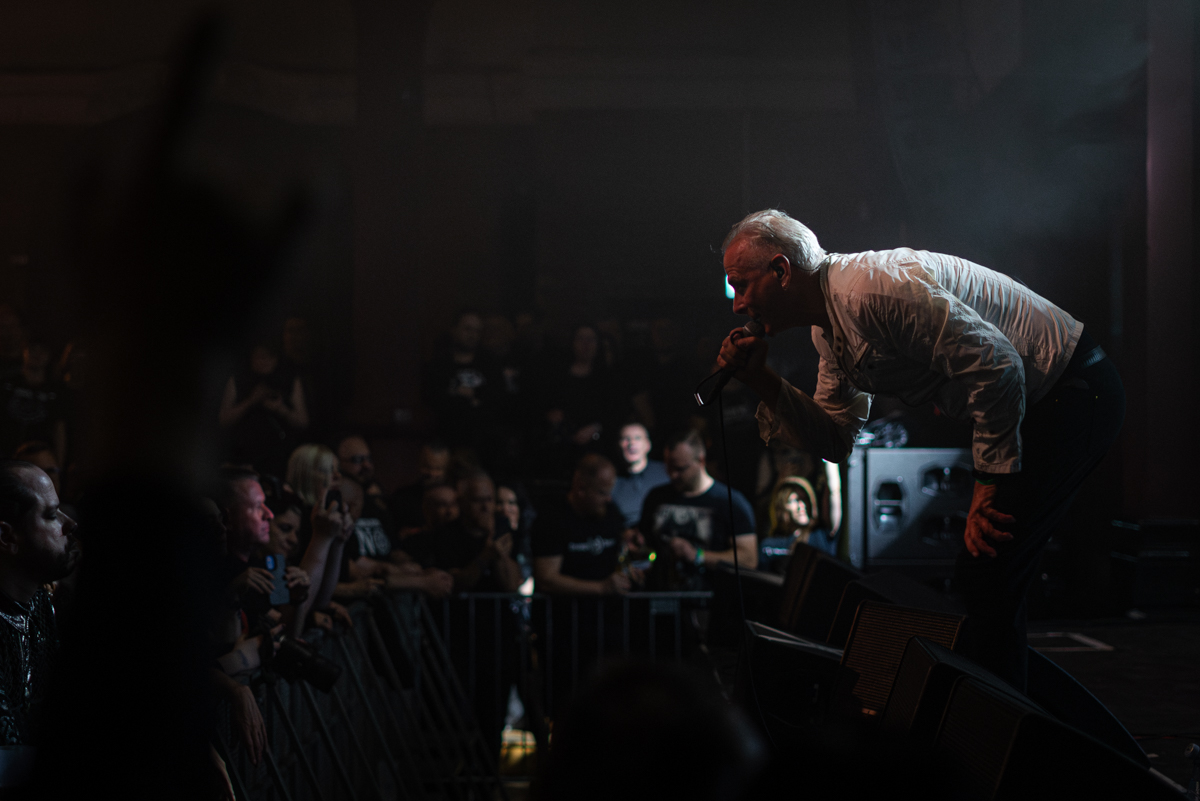
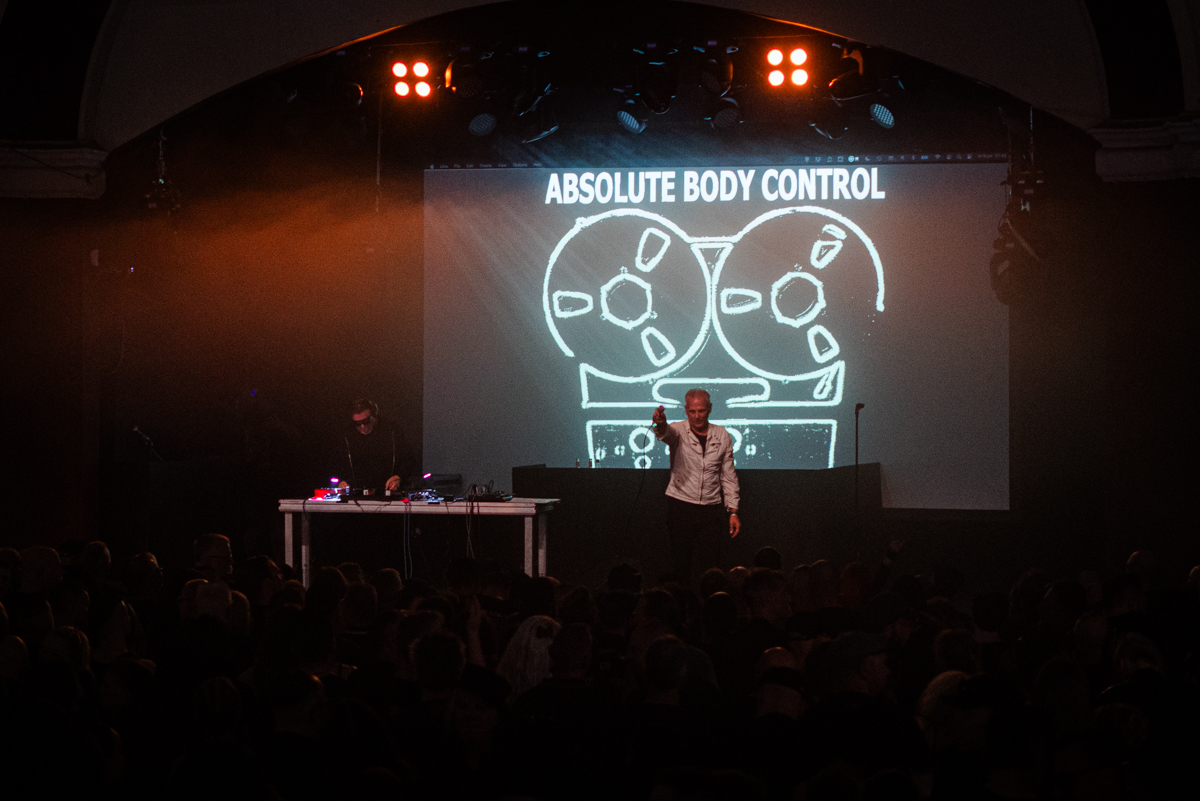
Another plus of the Felsenkeller is the tiny Naumanns Gaststube beer hall attached to the same building, which opened in the 1980s; the kitchen there is open until late in the evening, and during a break you can order, for example, black pasta Bolognese and a beer. Usually, the menu features stout, but in Leipzig, you have to try the local lager and, if possible, sip on some cherry beer.
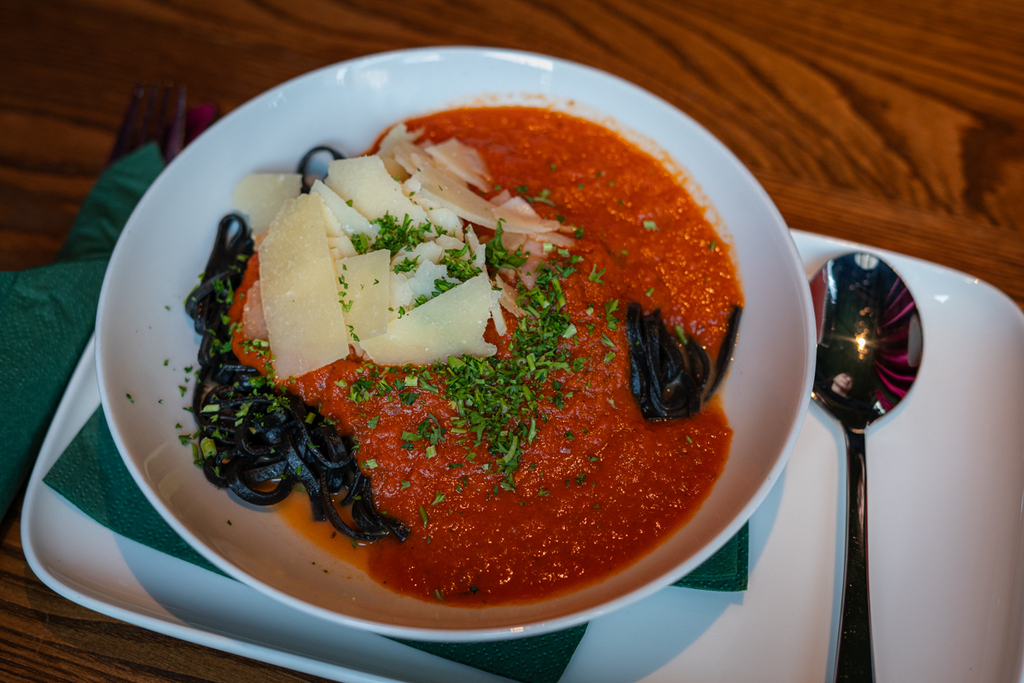
Of course, there was plenty of energy left for the festival!
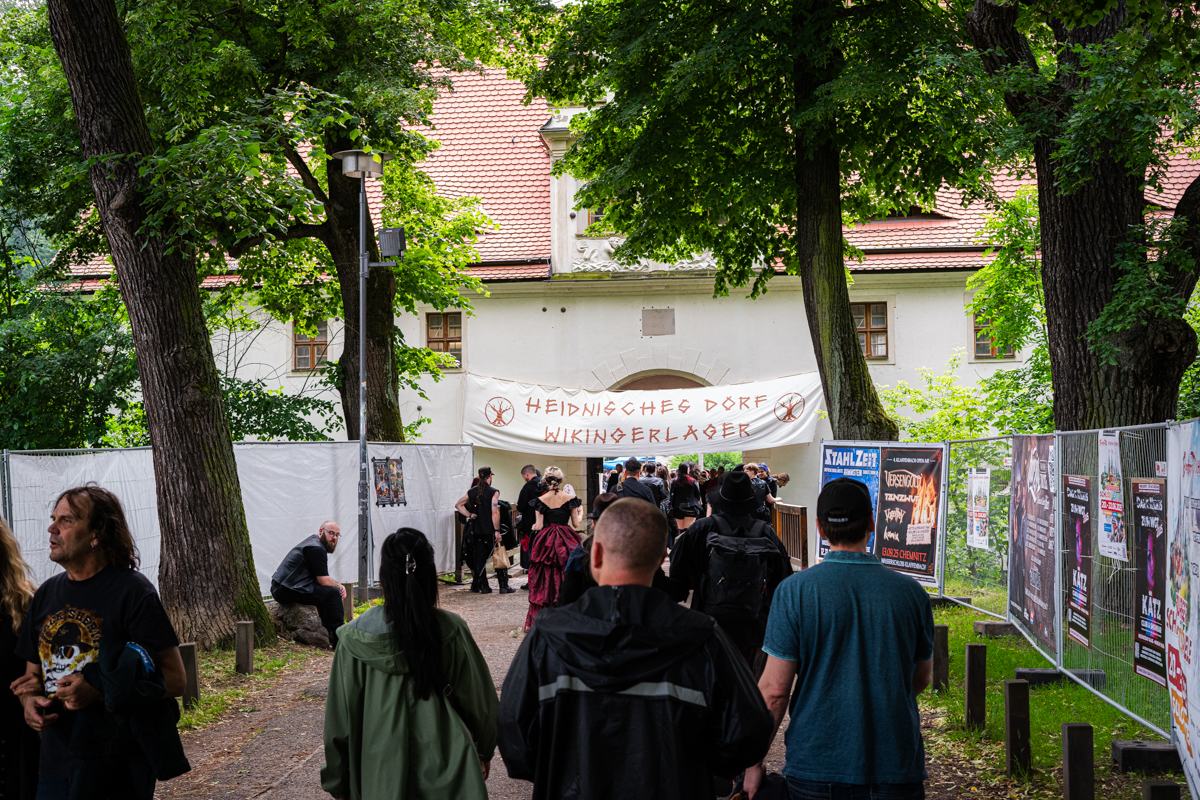
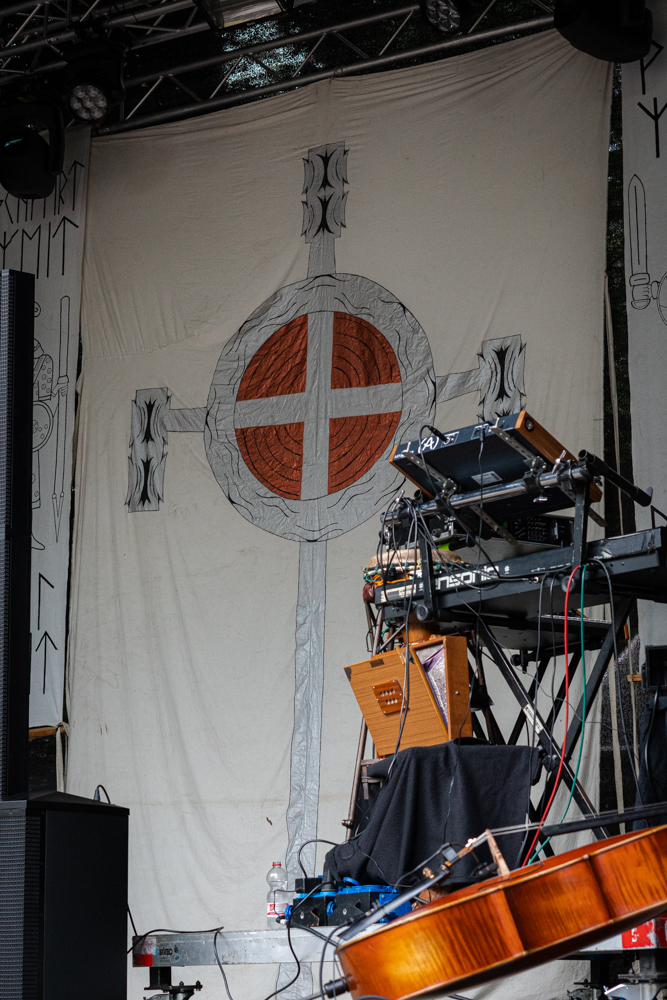
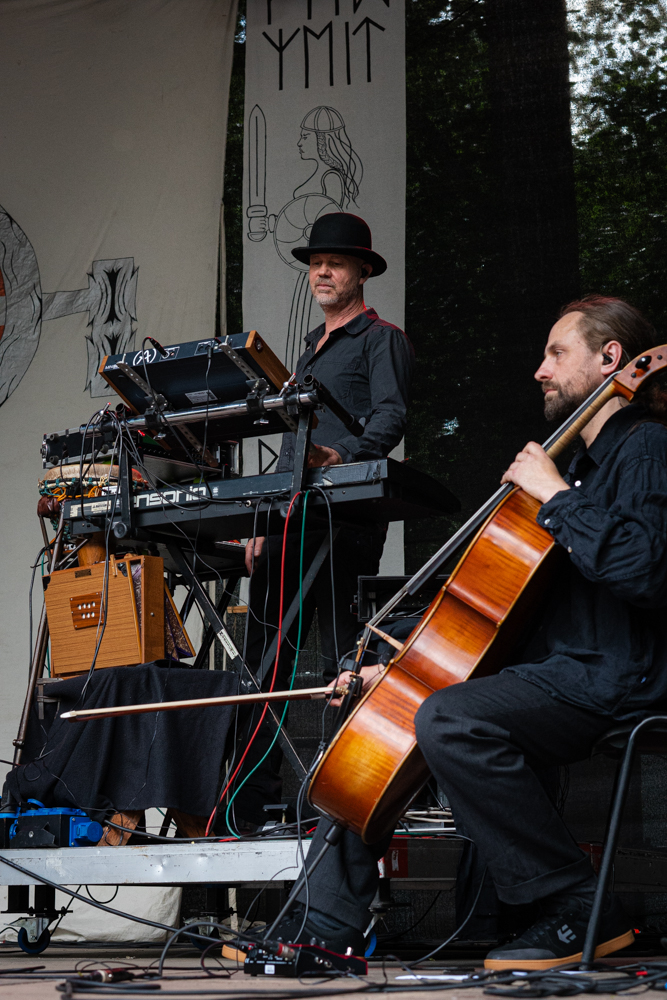
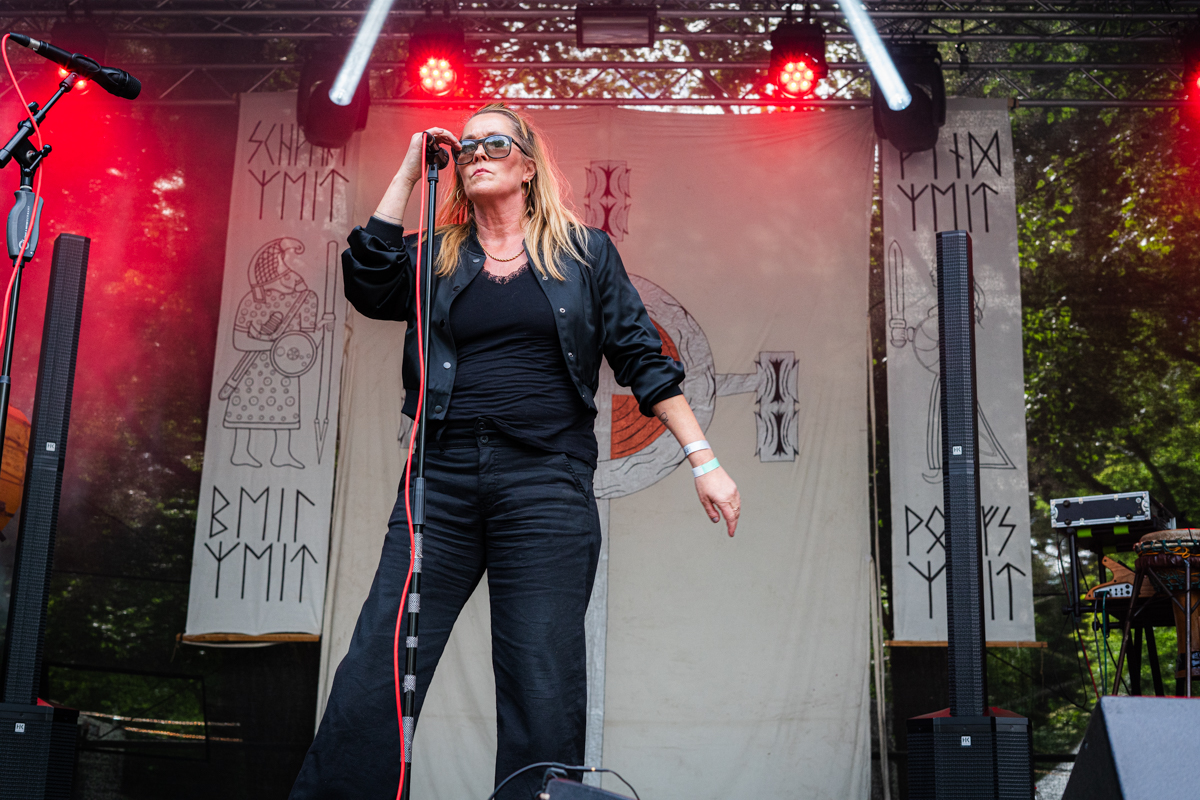
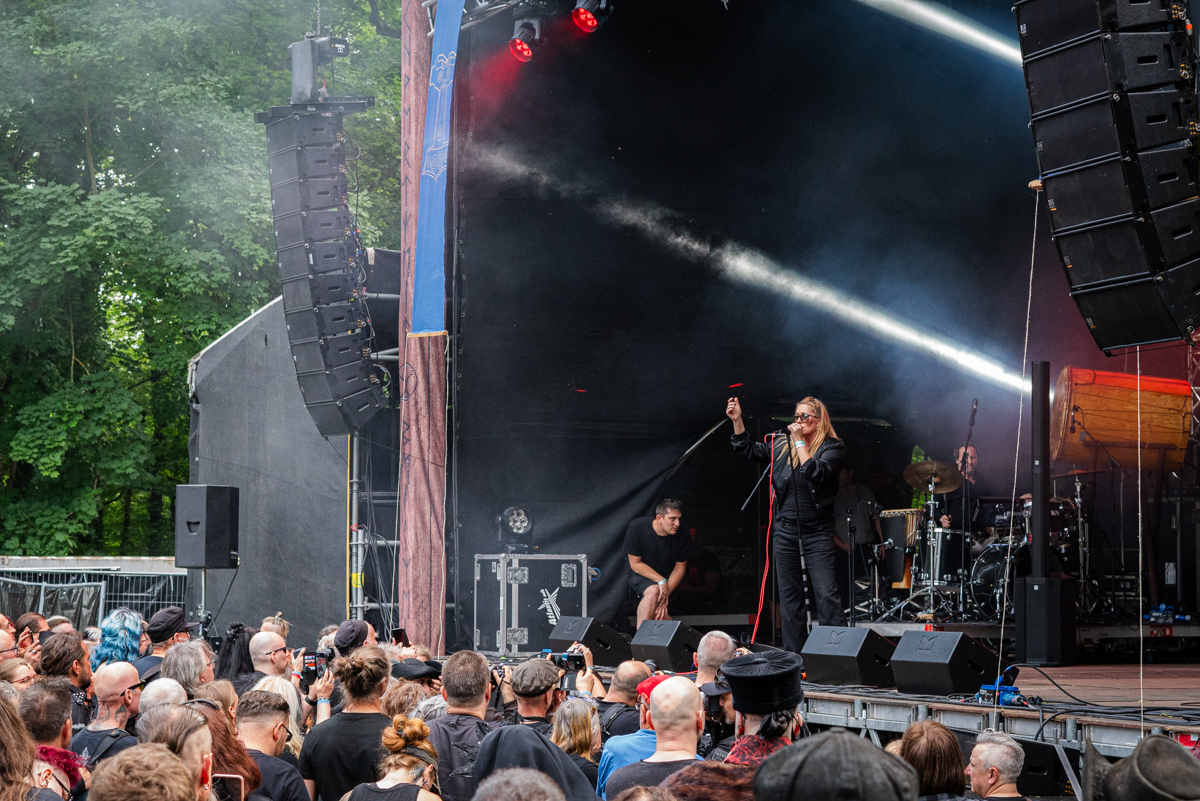
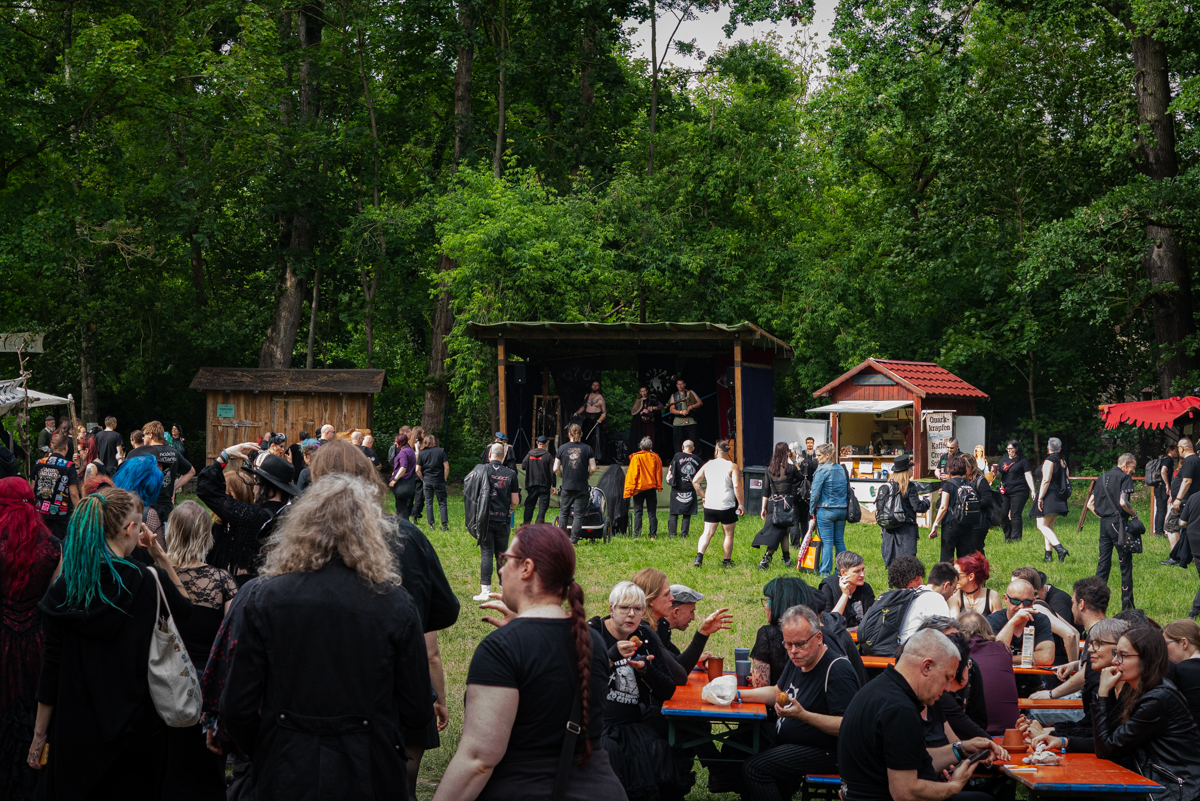
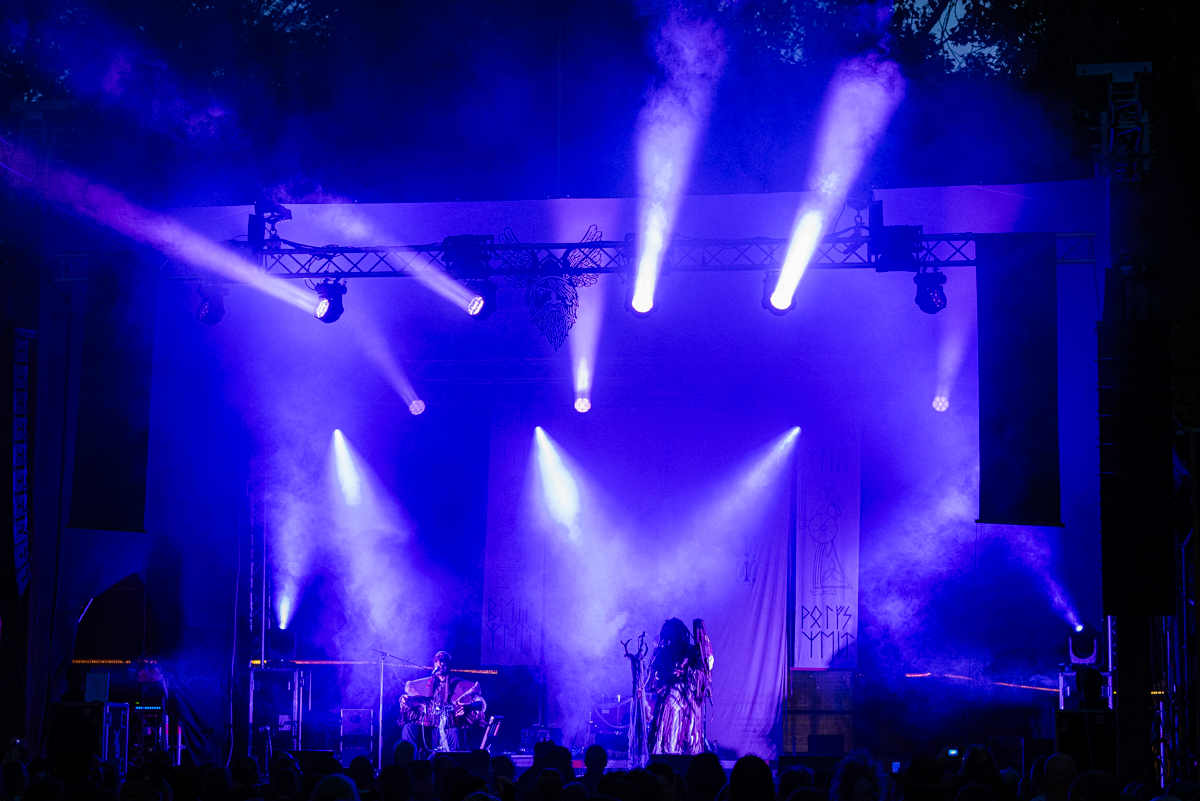
On the first day of the festival, we decided to check out Heidnisches Dorf, known also as Pagan Village, which we had been considering and planning to visit for several years, but which had always remained up in the air because we needed to be in other areas. Heidnisches Dorf is a small village-like complex whose festival gates and fence turn it into a sort of enclosed fortress, which is decorated accordingly and also features a couple of concert stages. It’s a very thematic place, on multiple levels, where the organizers put more effort into the decorations than the rest of WGT combined. First of all, the entire area is quite well curated, and the smiling faces behind the sales stalls add to the atmosphere - a carefree life has been organized within the fortress, and there is plenty for everyone; the enemy is far away and won’t be coming to kill or rape anytime soon, so you can definitely party in peace today. A great place where, in addition to tasting craft beer, you can mostly buy handmade goods - knives made by masters, wrought ironwork, various dishes… but where photography is almost forbidden so people can enjoy the festival more peacefully and let their inner savage out. A few snaps in front of the stage were still allowed, and I took advantage of the opportunity during Mila Mar’s set. It was rather a fleeting experience for us, but we actually made it to Pagan Village twice last year, because we wanted to show our friends all the excitement.
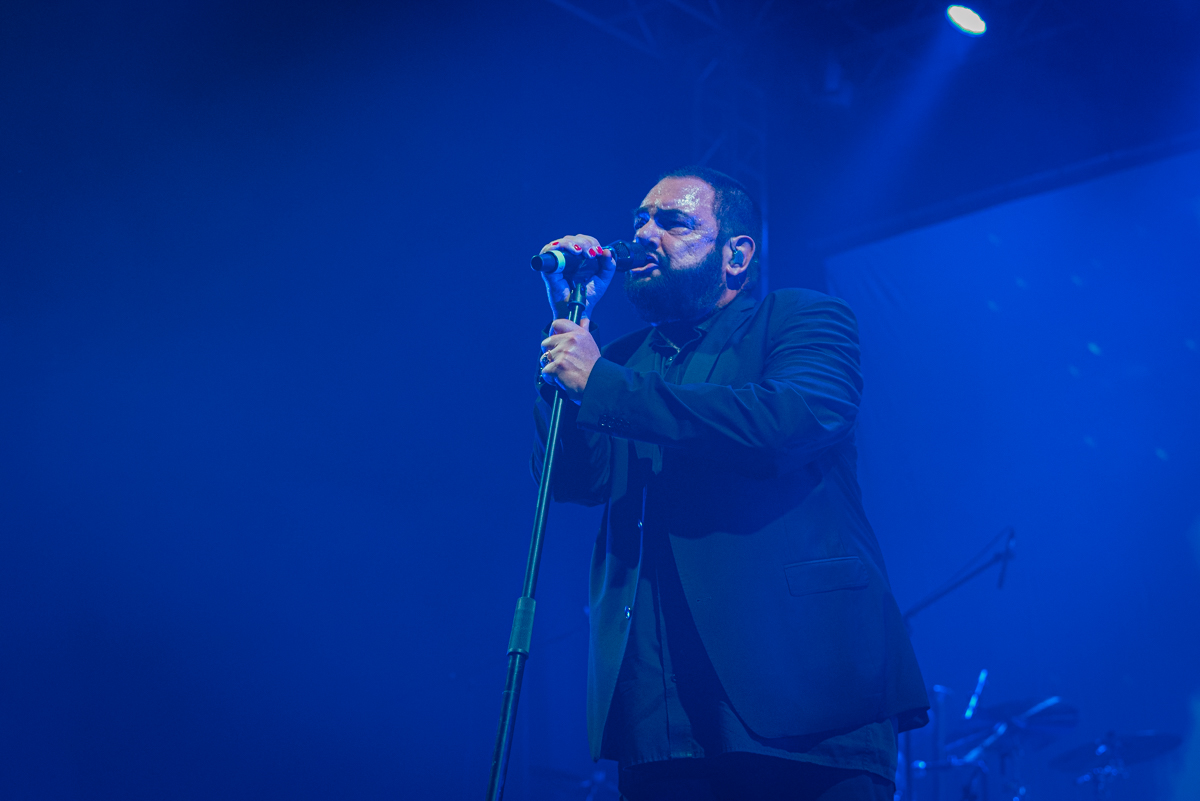
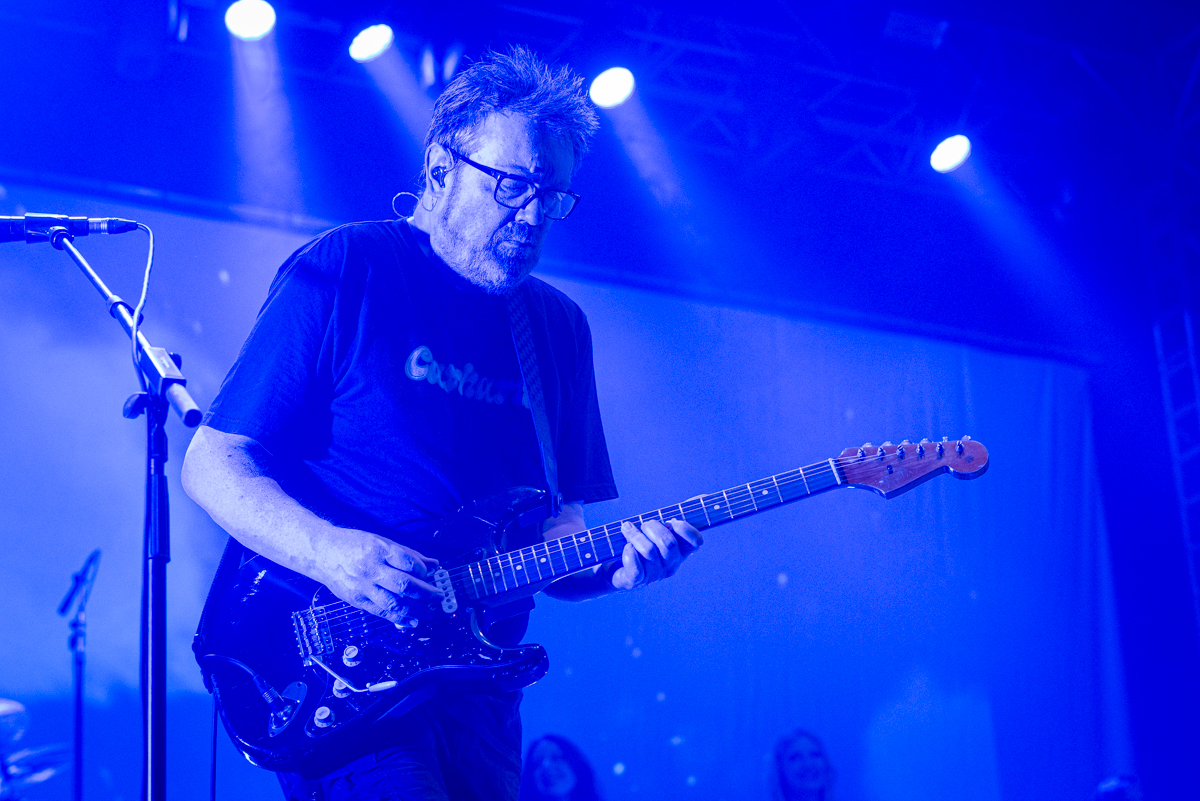
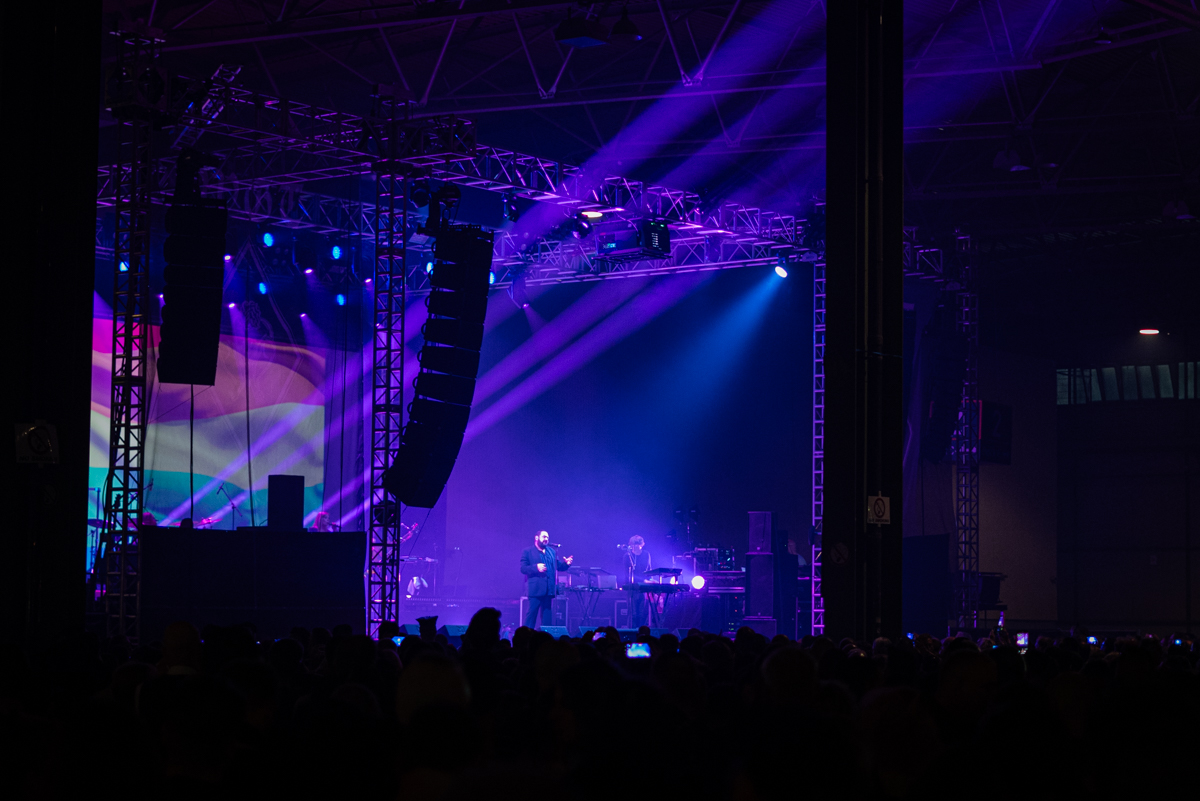
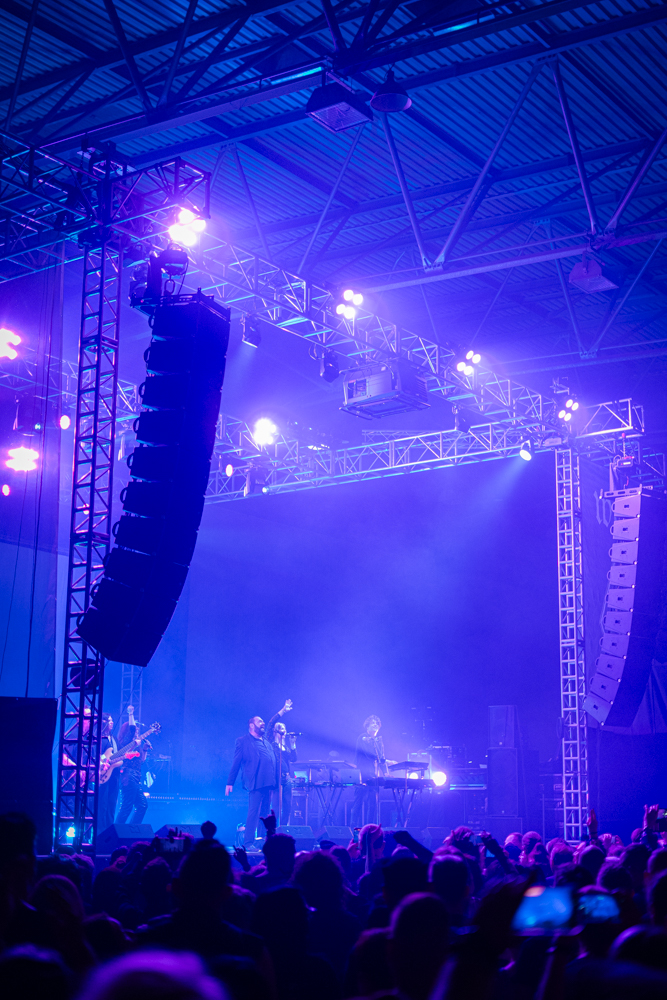
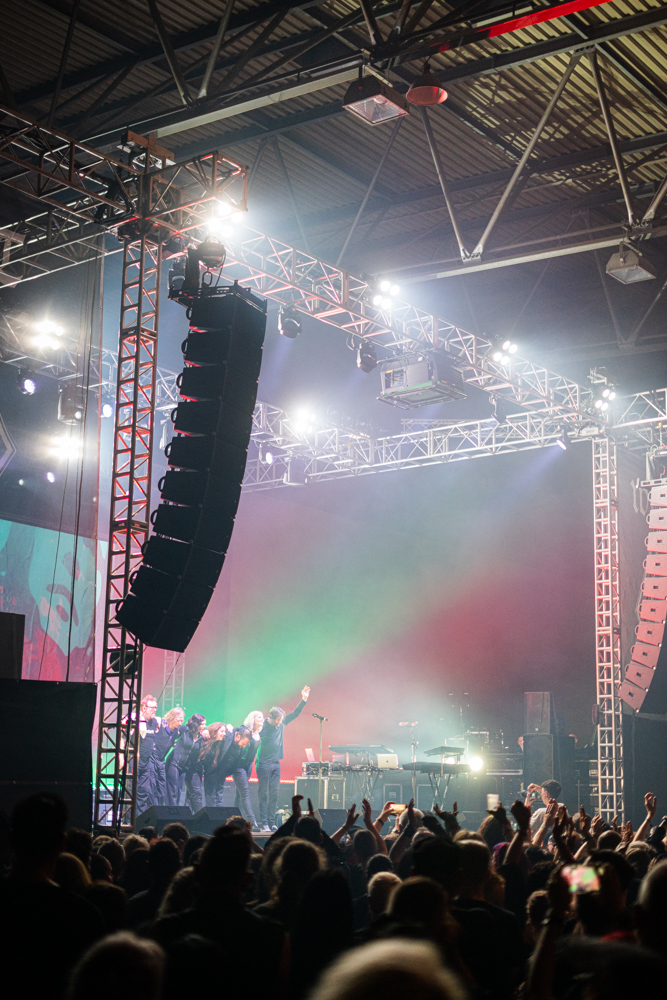
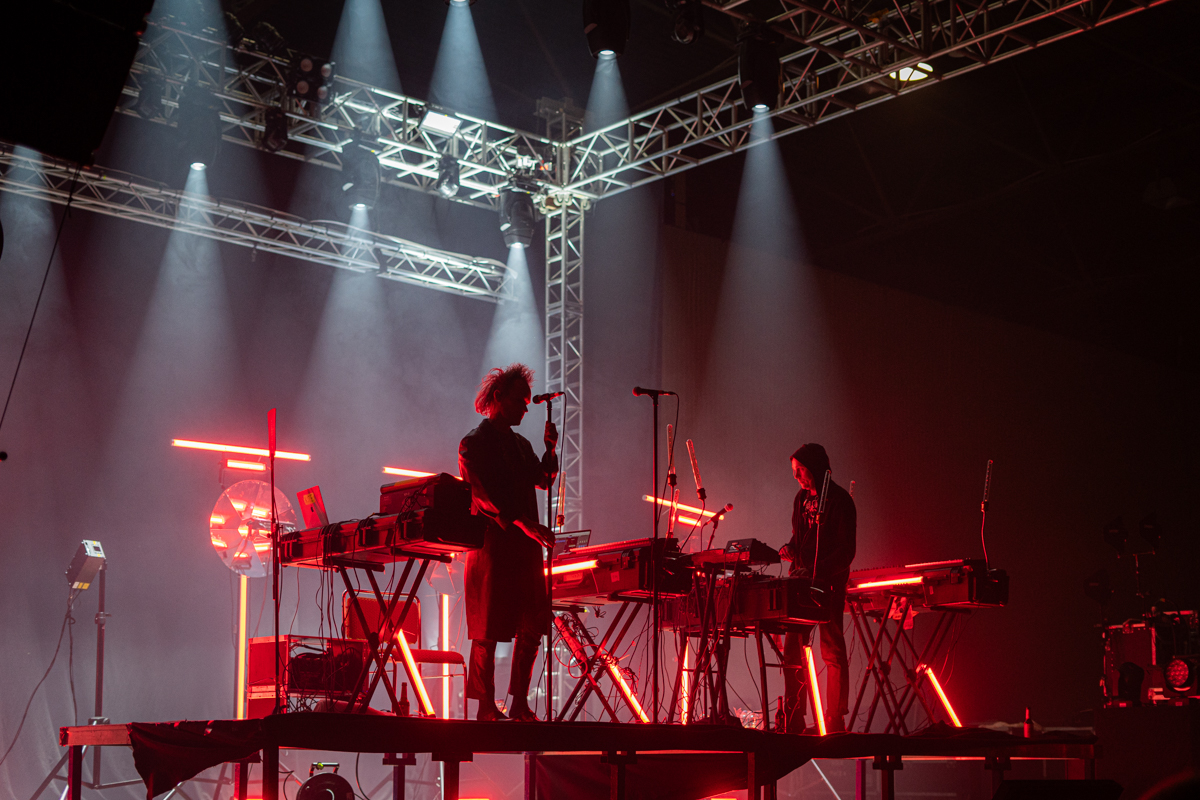
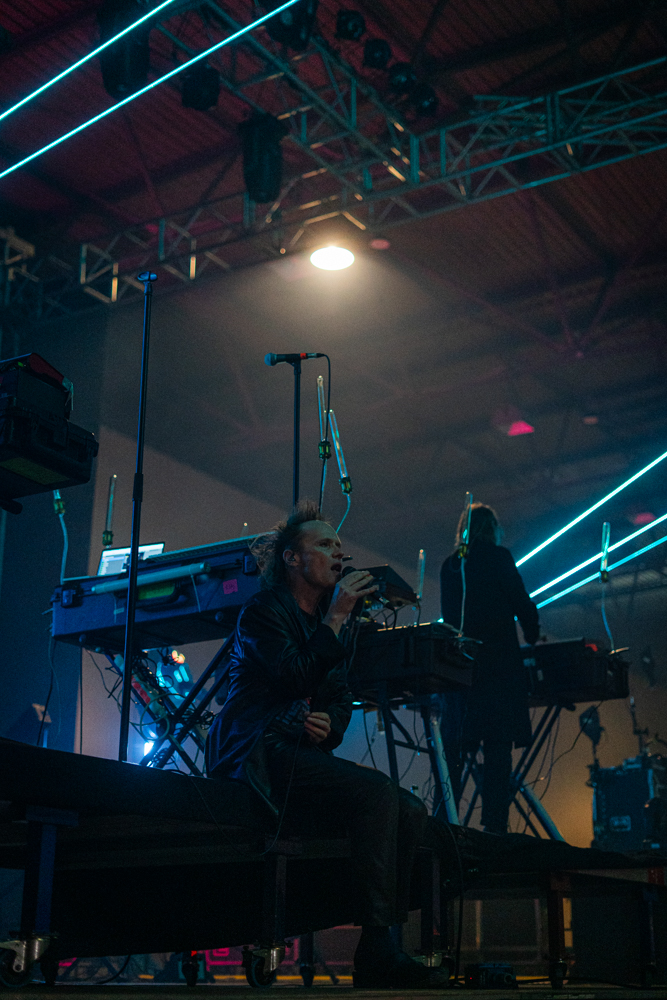
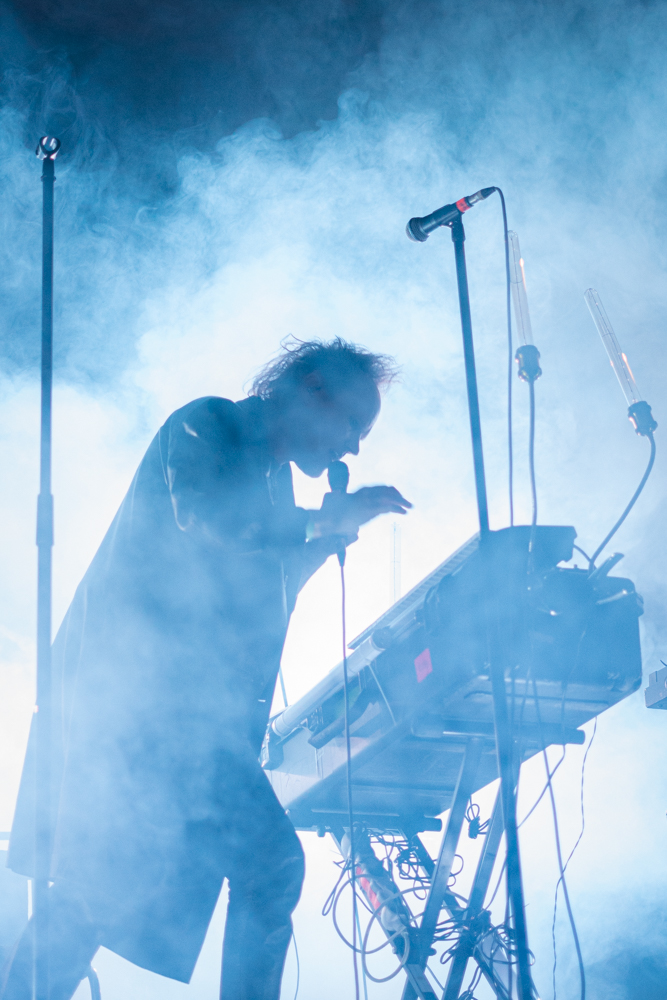
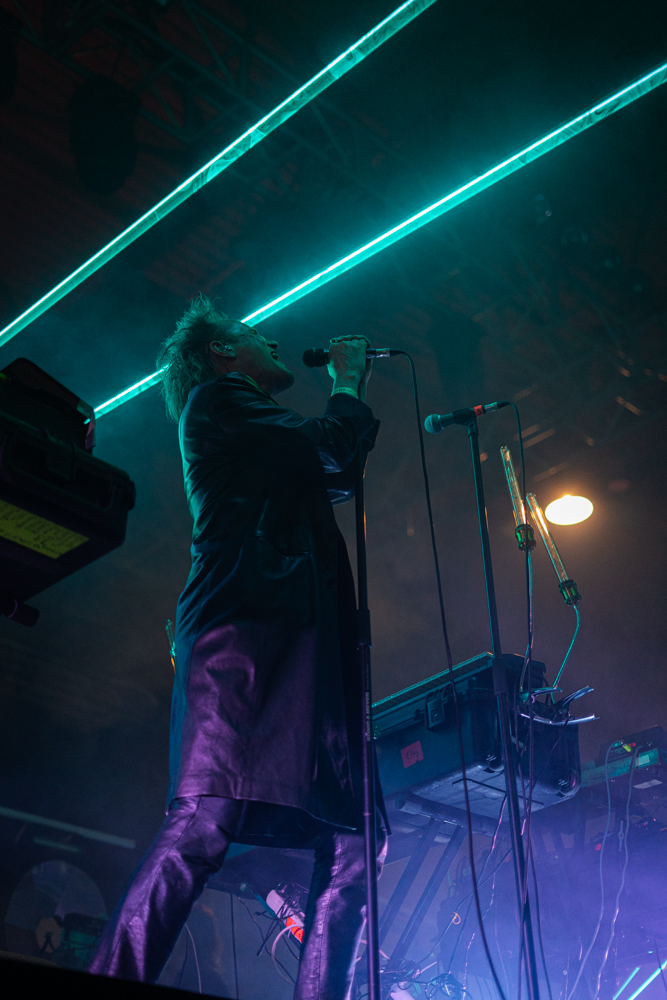
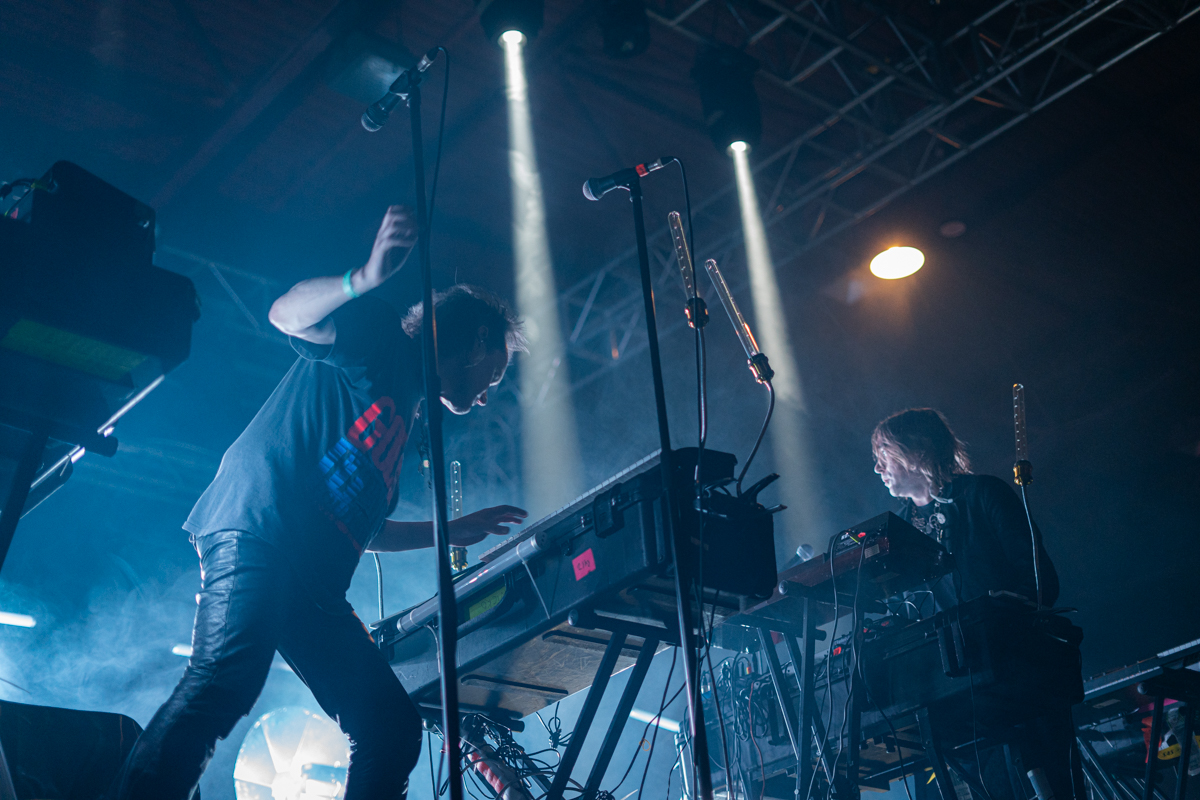
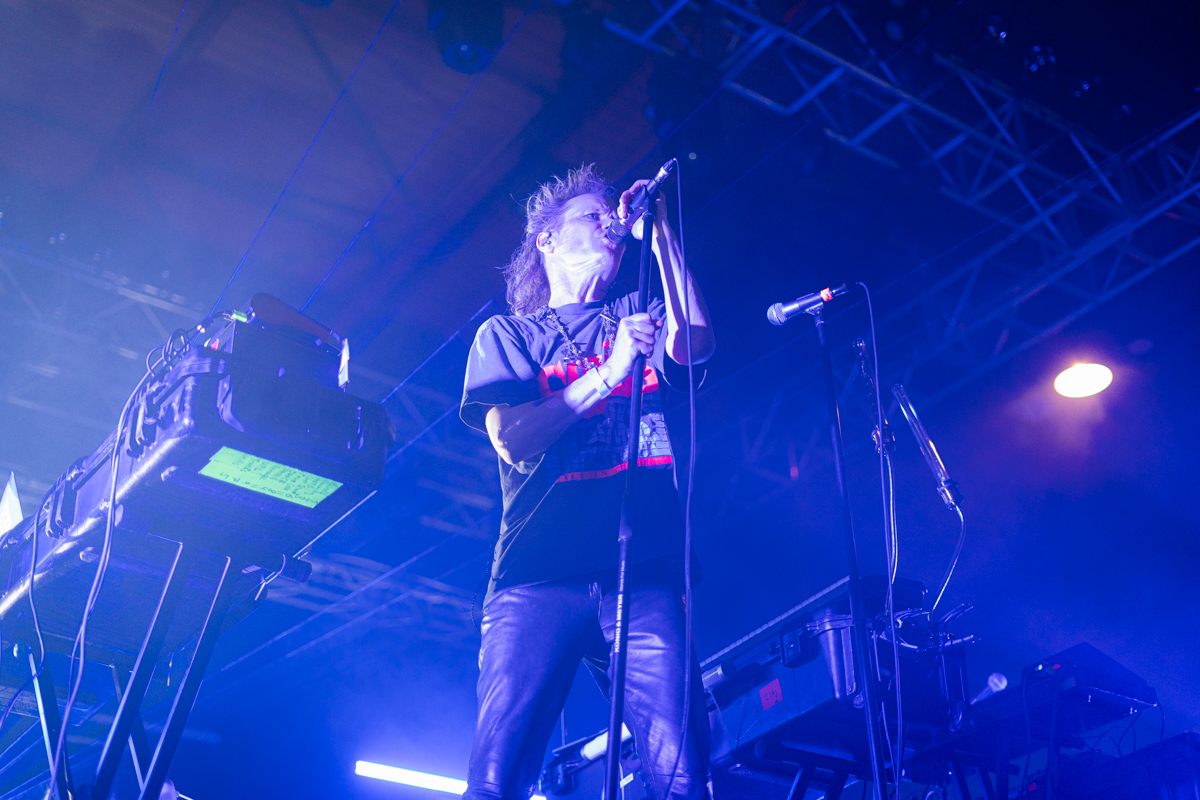
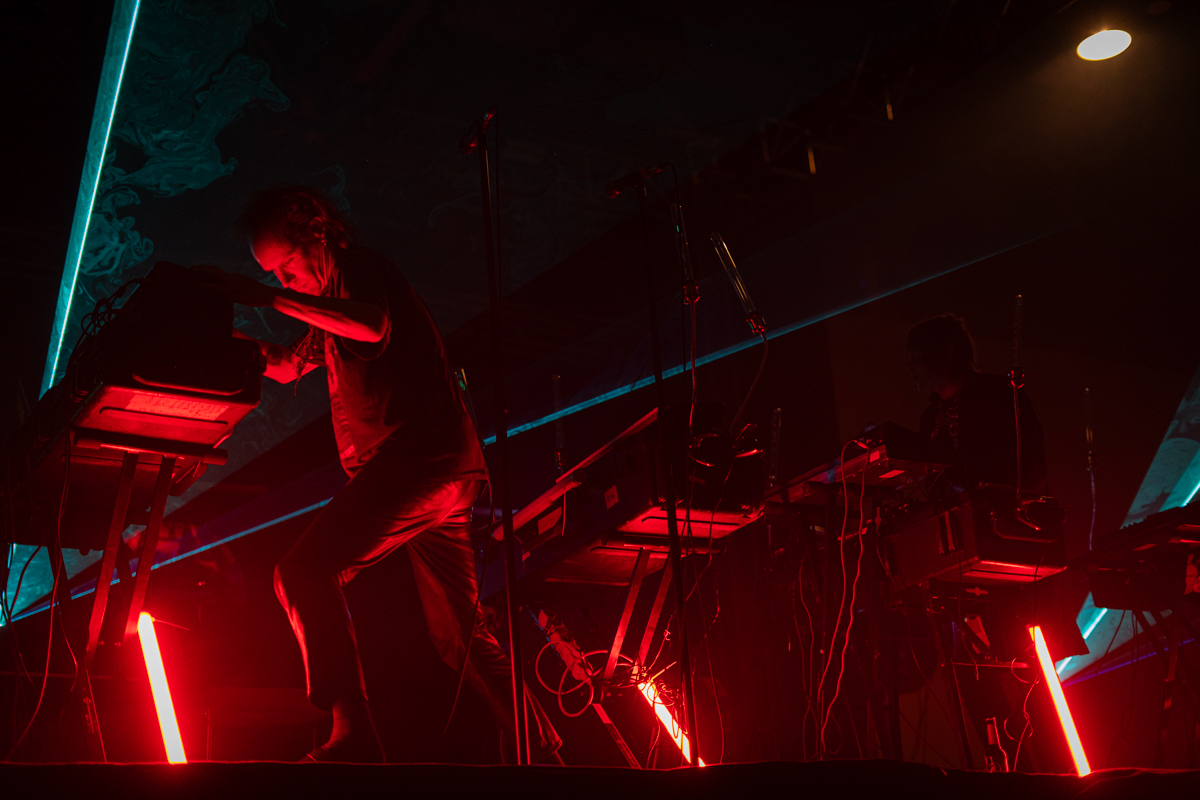
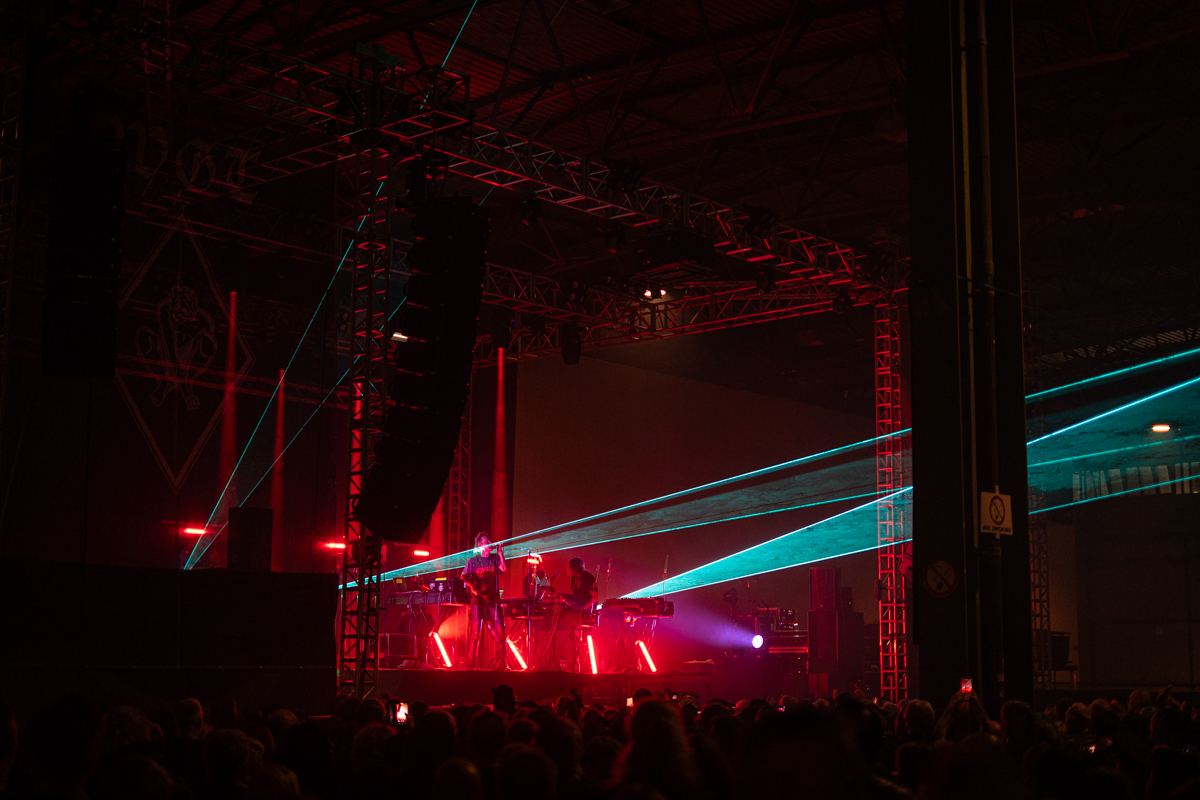
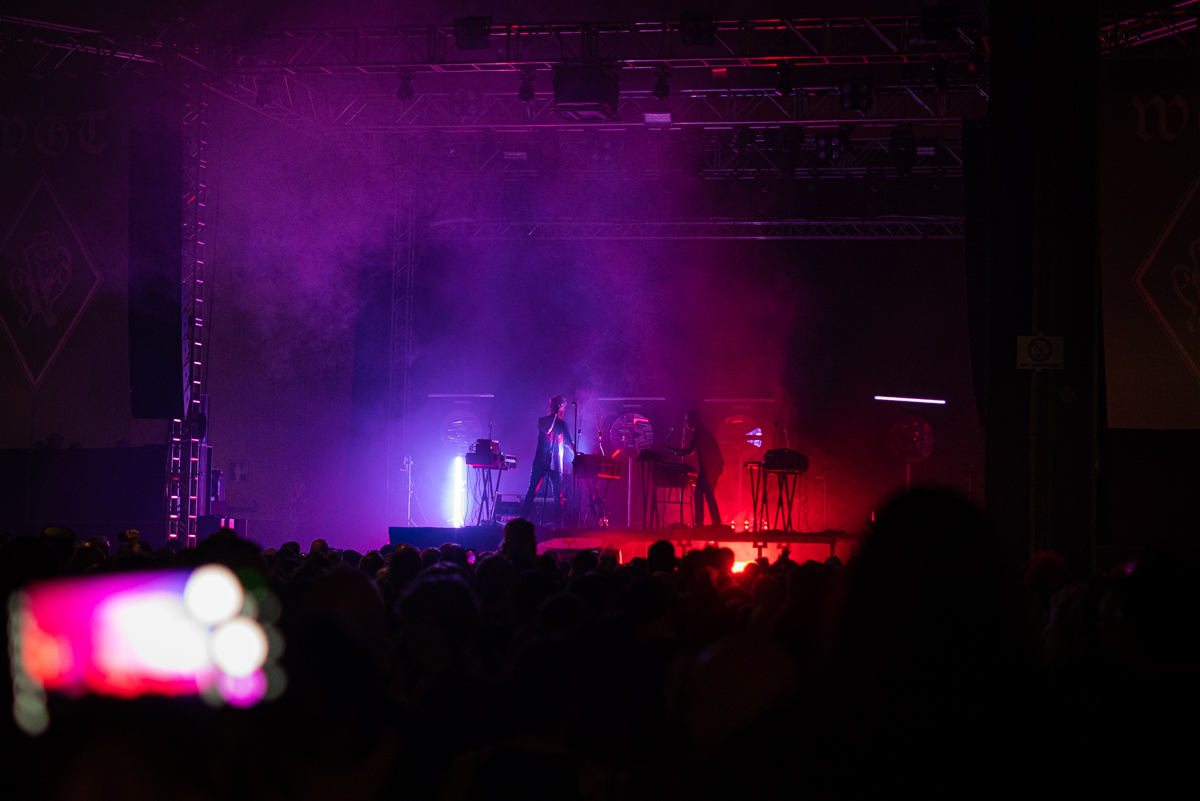
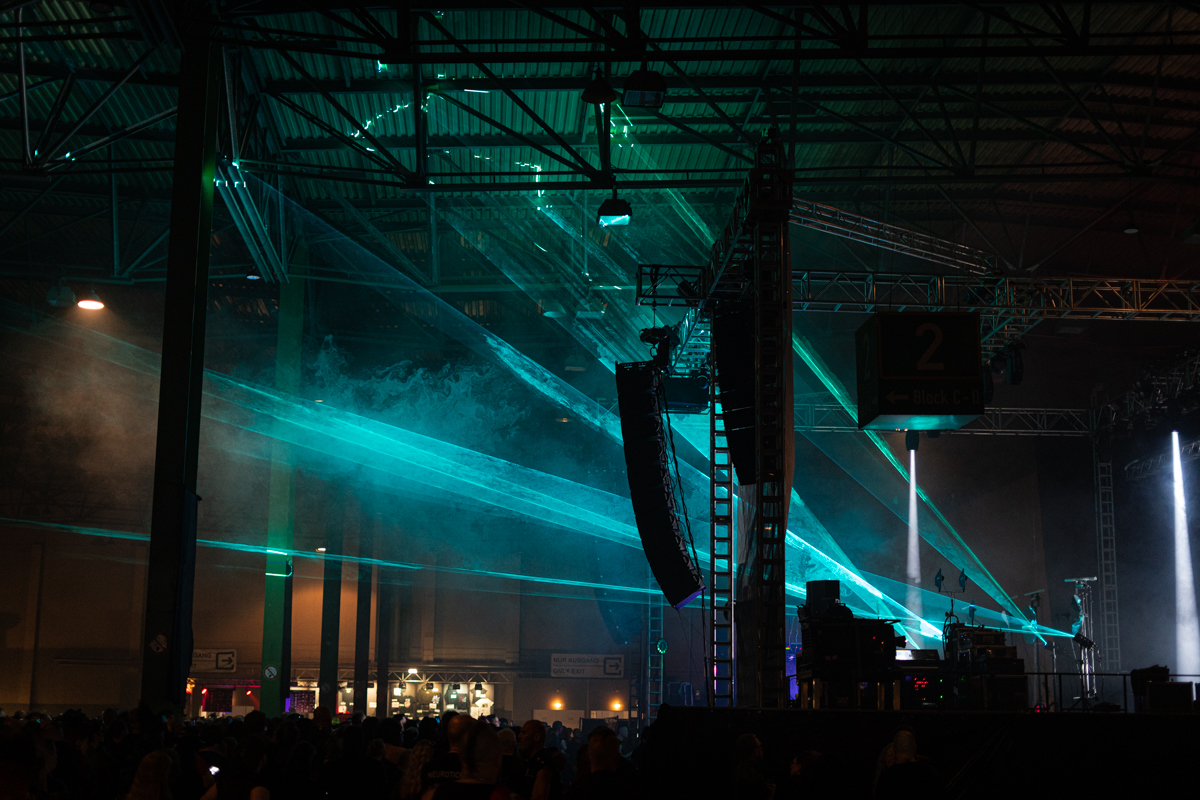
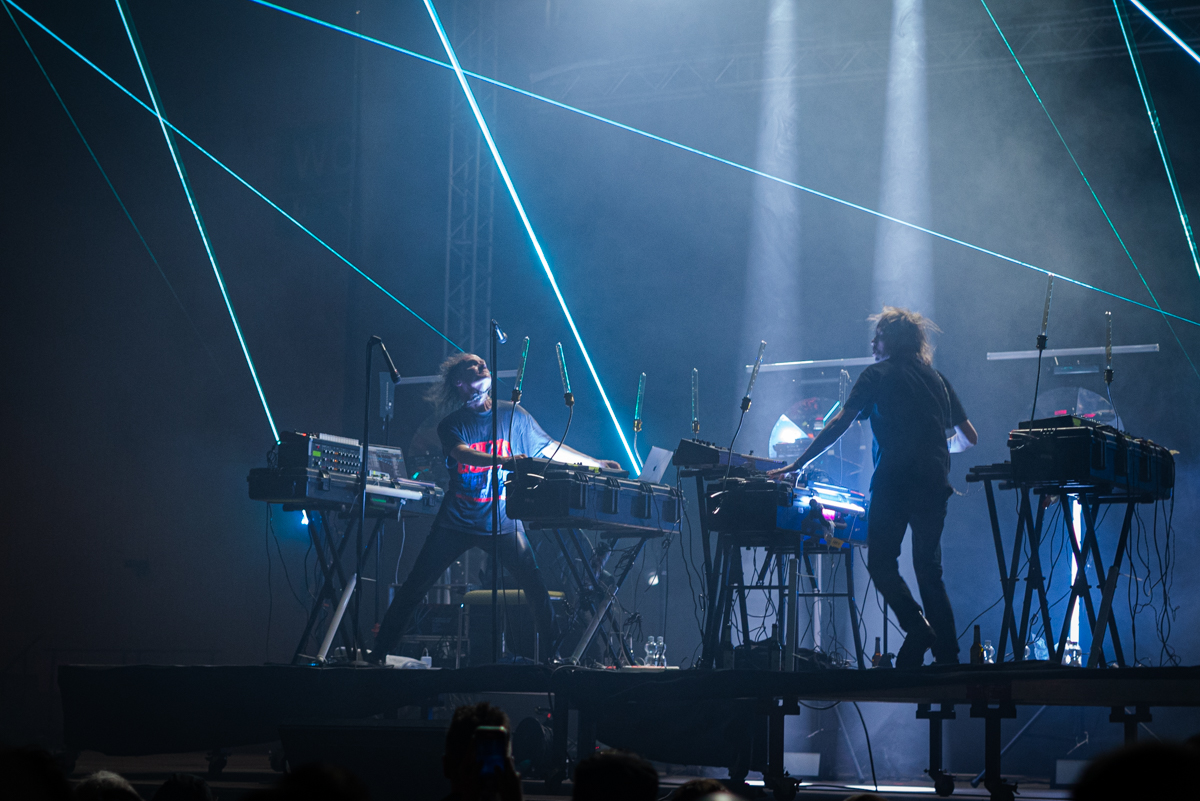
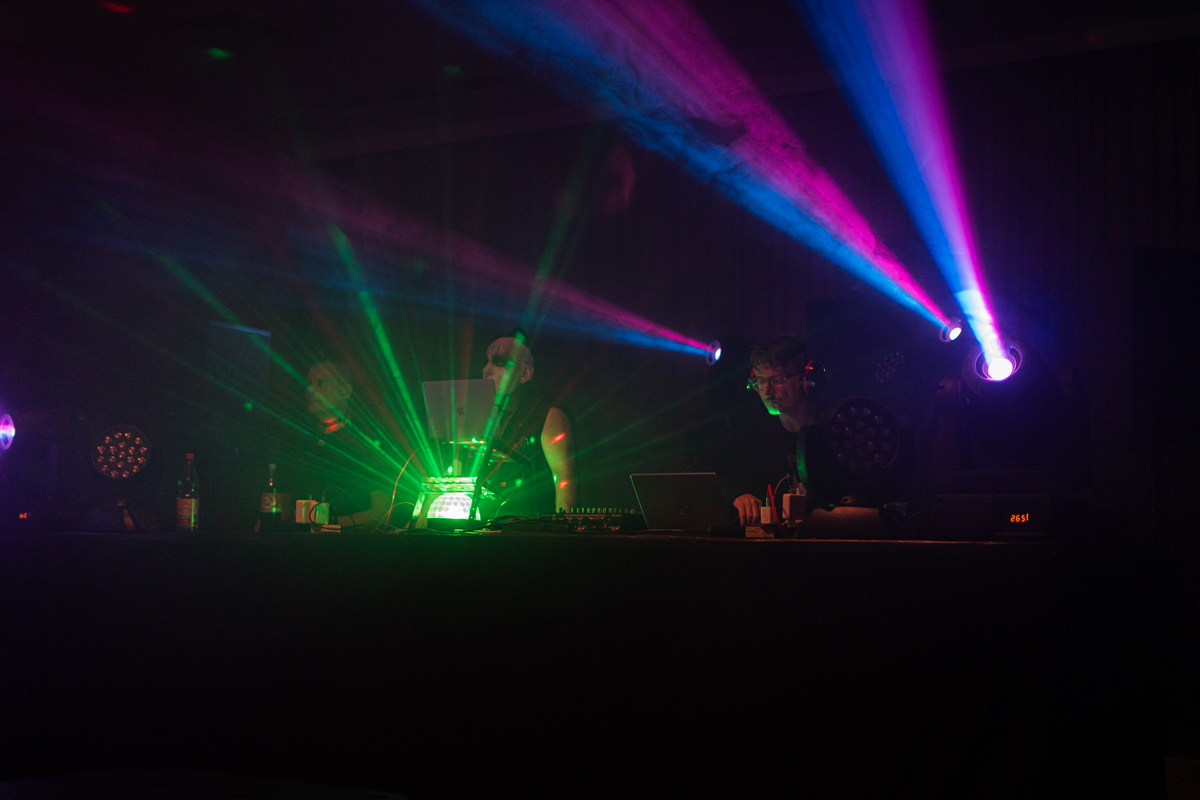
Since Dorf and the Agra Exhibition Center are located close to each other, we were able to take a shortcut through the tent and walk directly to Alphaville in time. We wanted to get there early because Agra is the main stage for big-name artists, which means long lines and other additional measures at the festival grounds when entering the exhibition hall. We managed to arrive just in time for Alphaville’s set; fortunately, with a press pass, the media section have some advantages for entering the hall, but the general lines were pretty massive. A whole hall full of people from the massive exhibition center turned out for Alphaville, and they didn’t leave because Kite was performing next on the same stage. This is a band whose performance I’ve wanted to see for a long time; they’ve been advertised as a band with powerful audio-visual effects. They say kites fly towards wherever the wind blows, but not that Kite! They definitely know how to surprise their audience; they brought an impressive light show synchronized with lasers to the stage, and their performance was absolutely mesmerizing, whether viewed from the front row among the photographers or from the musical sweet spot in the middle of the hall. I wasn’t really into Swedish synth-pop before, but after seeing Kite, I’m definitely on board now. Their best concerts are said to have taken place in venues dozens of times smaller or on tiny outdoor stages, and there are recordings of those on YouTube. I’ll definitely keep an eye on this band; if possible, I’d love to see them perform for a home crowd in Sweden - that’s what I was thinking as I rode the night tram home. But before that, I also managed to check out the other event spaces in Agra; there’s a proper Krematoorium-style hall there (I’m referring to our BFTV Krematoorium music hall), and right next to it, another space with a more post-punk vibe and other Kabel-esque moments, perfect for the regulars. If you happen to end up in the hall with the balcony, please check to see if there’s an exhibition open on the second floor at the same time, because there usually is.


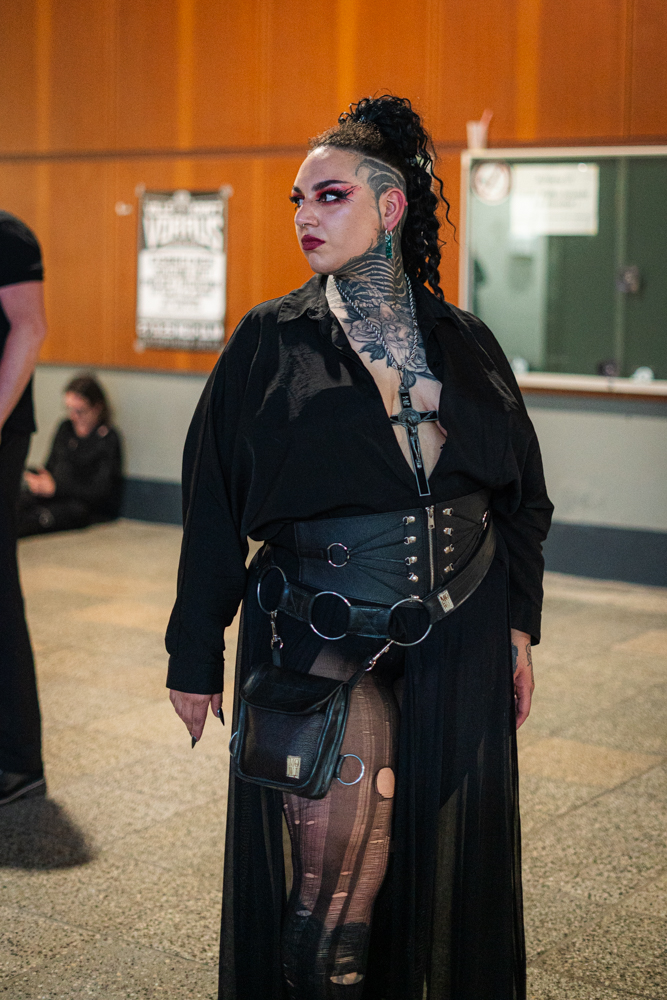
Saturday
As for Saturday, we knew we’d take it pretty easy, since there’s no need to run around between different venues. That’s because Saturday features the Noise Floors industrial night, where artists from the Hands label and Audiophob will be performing at Moritzbastei, so there’s really no need to rush anywhere else. So that’s exactly what we did: we hung out with friends in the MB bastion corridors and listened to the bands and DJs performing there throughout the evening. First stop: a Balduvian Bears concert to kick things off, and from there straight to the noise floors, because Darkrad was on stage playing, singing, and painting. Next up was the Musique Electronique DJ duo, Heimstadd Yipotash, Udo Wiessmann - one of the DJs with the best music selection ever - Dythlan, and finally we listened to Cervello Elettronico’s set, with whom we got to chat a bit backstage the next day. When he heard we were from Estonia, he sent his regards through us to Estonian graphic designer Liis Roden, who is involved in Cervello’s branding and has contributed to the visual image of the industrial scene, leaving a strong mark.
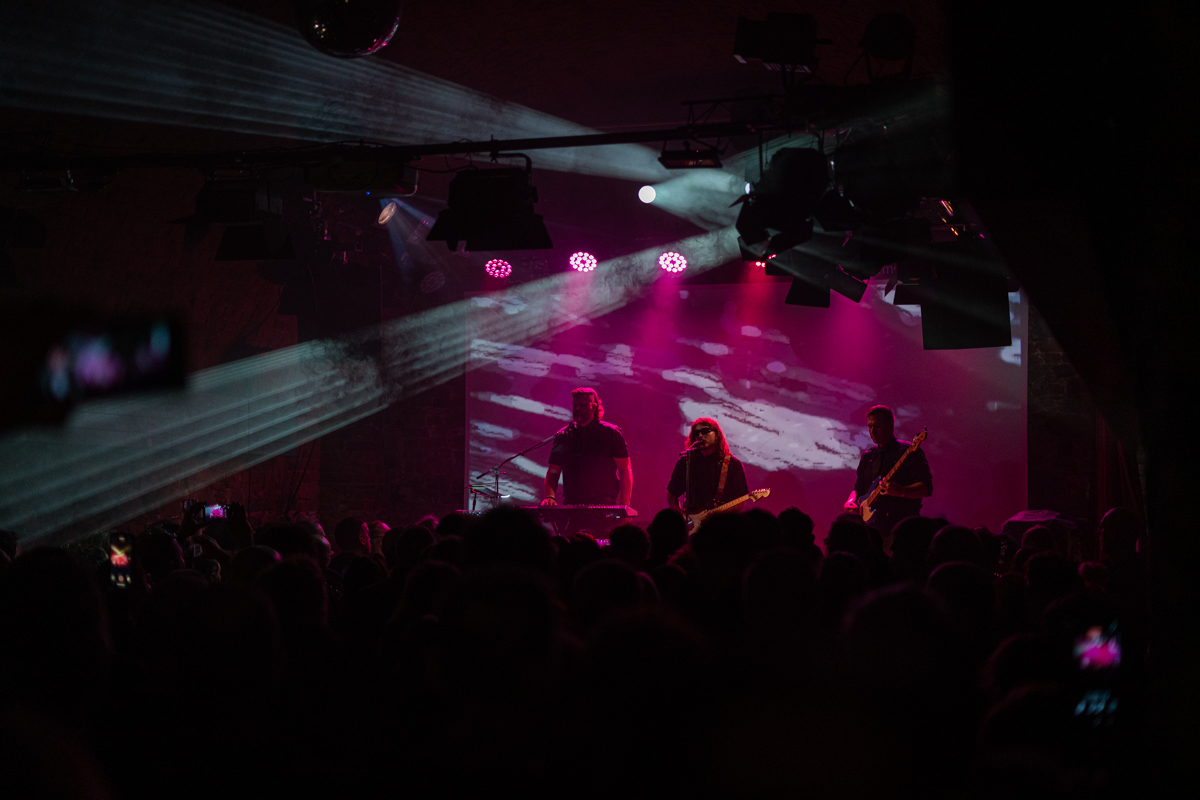
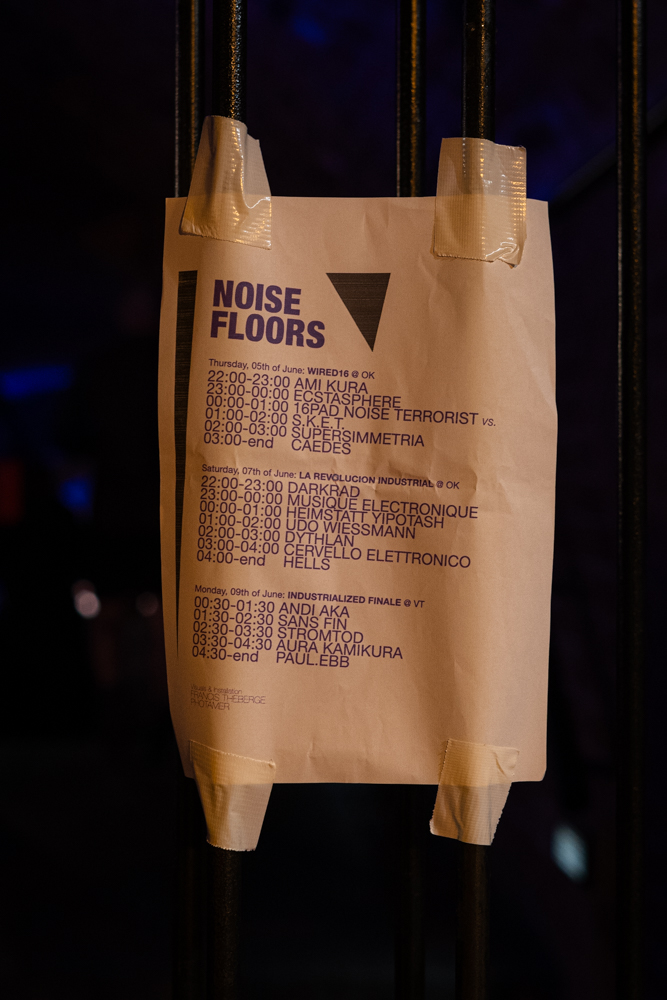
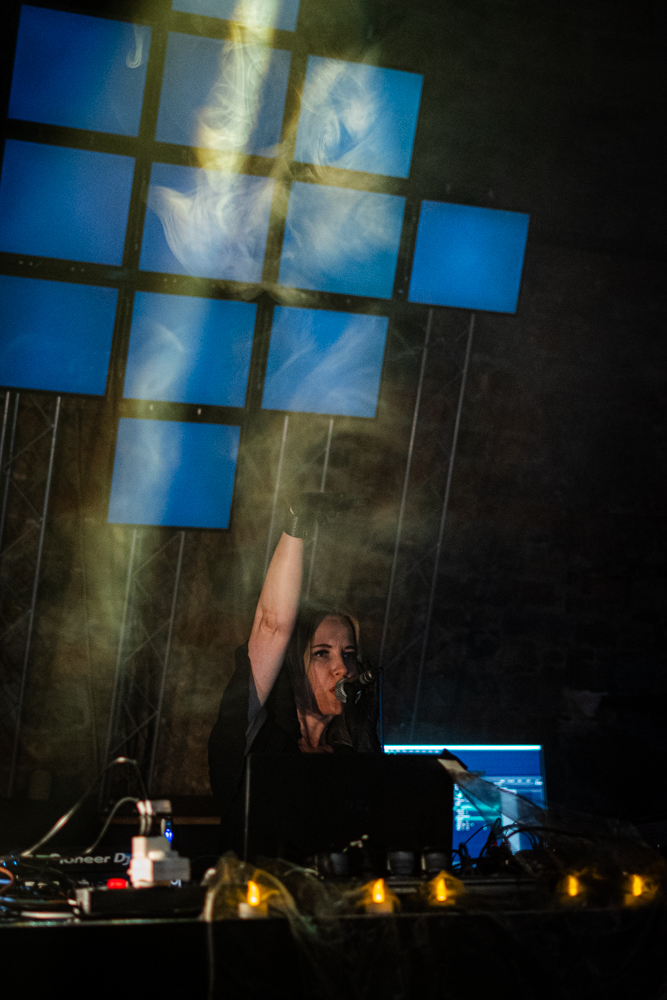
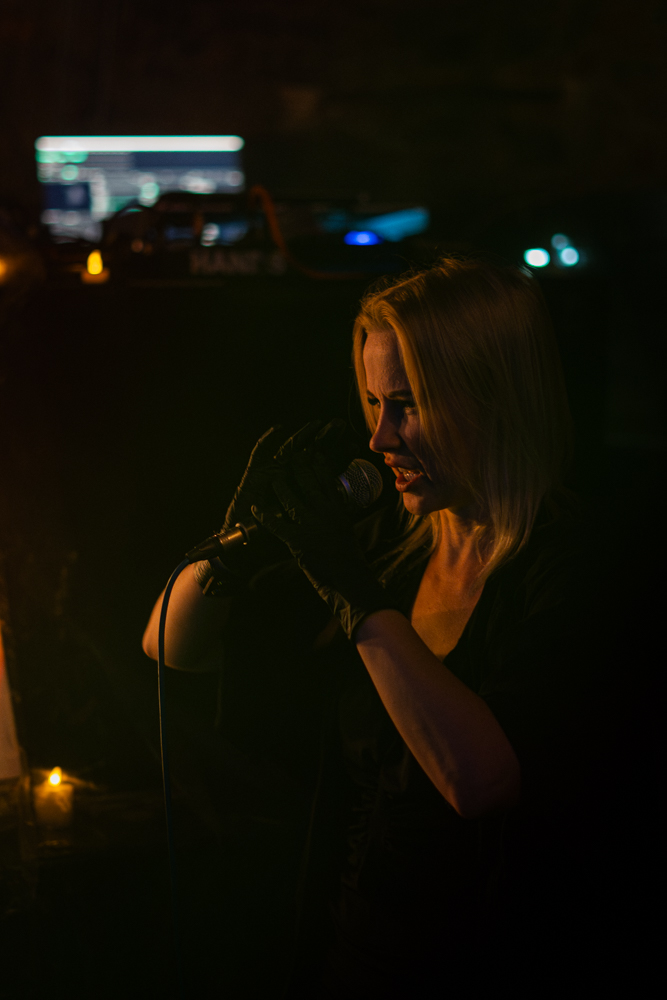
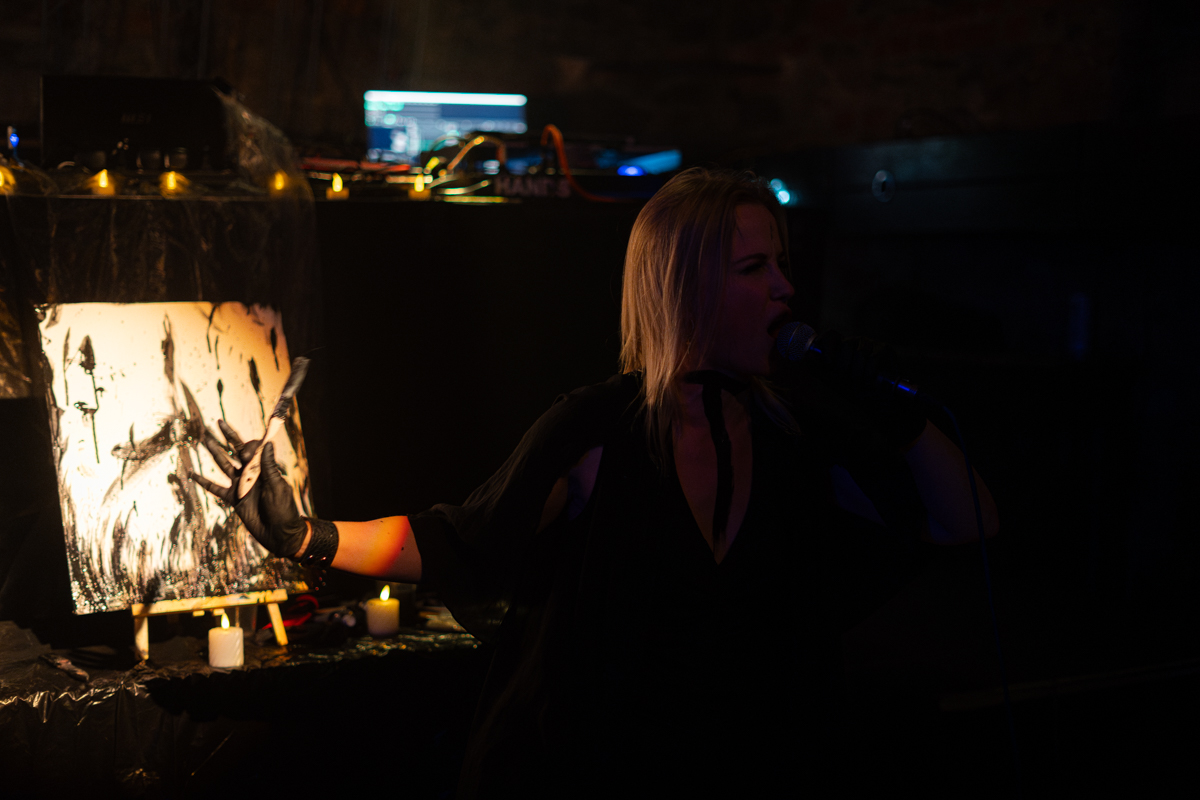
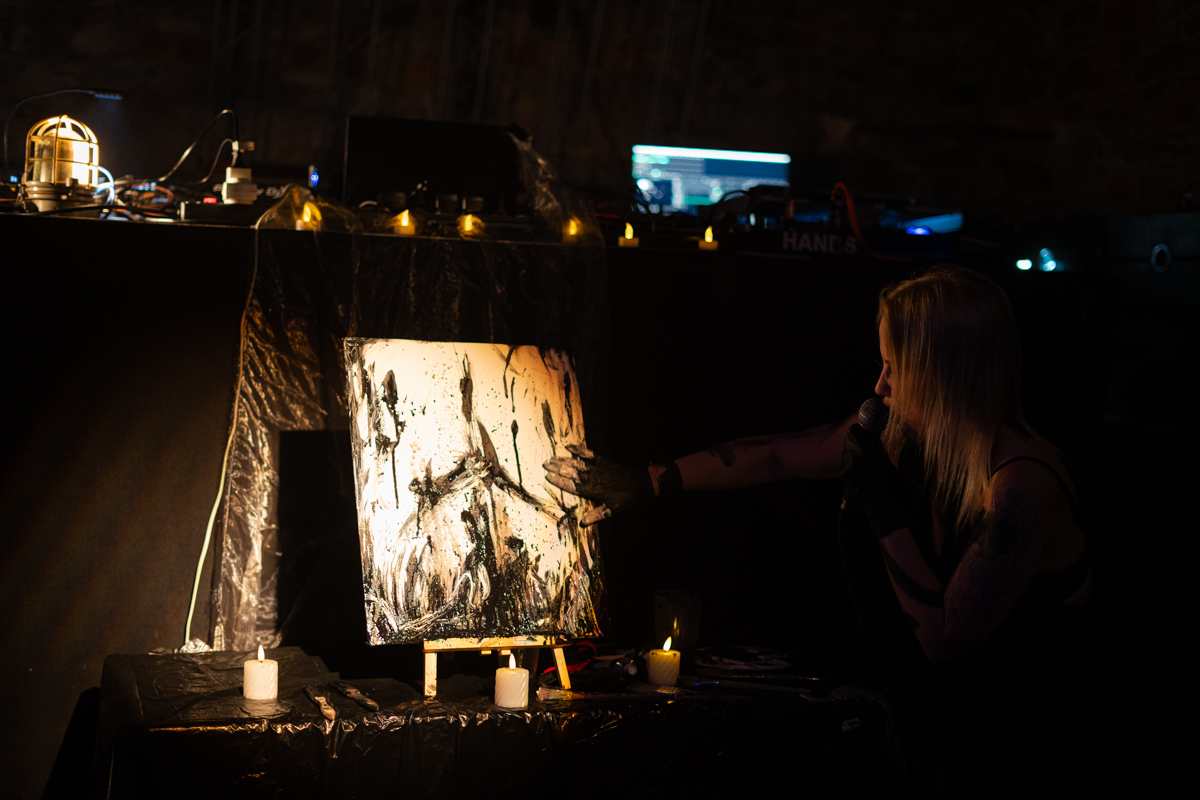
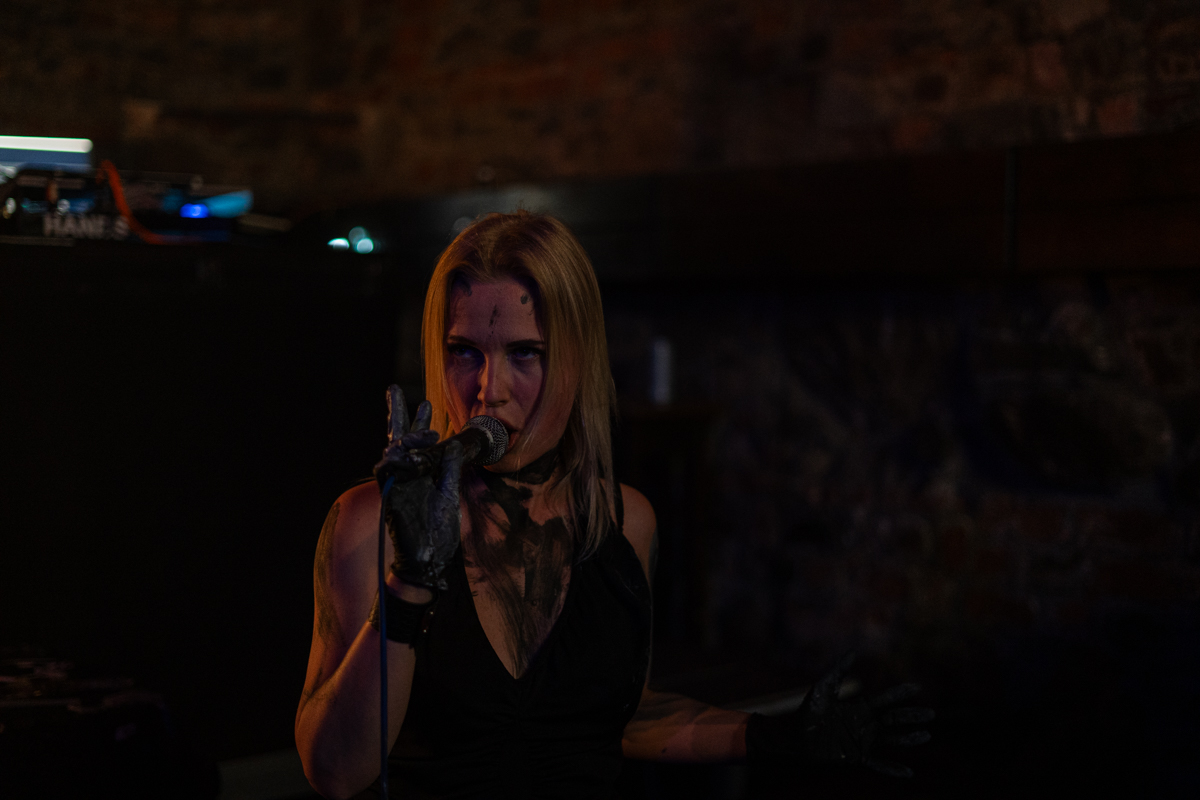
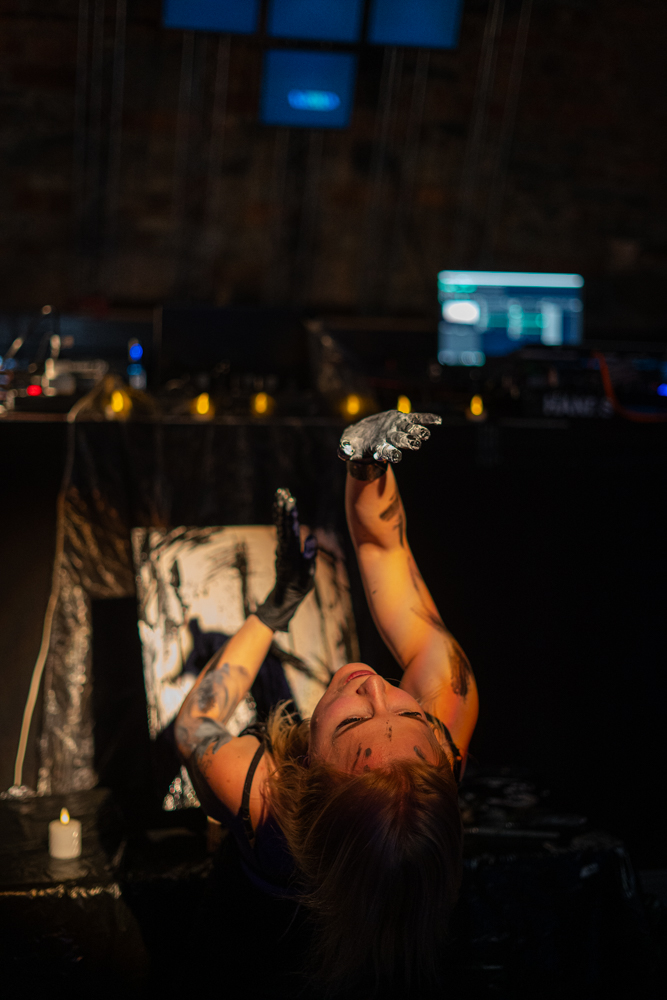
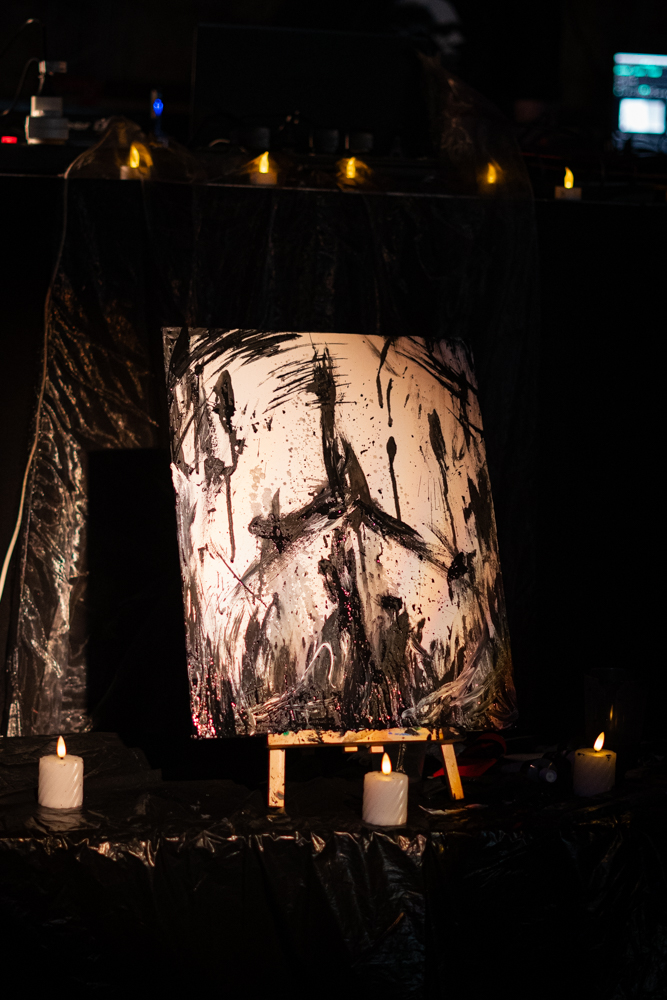
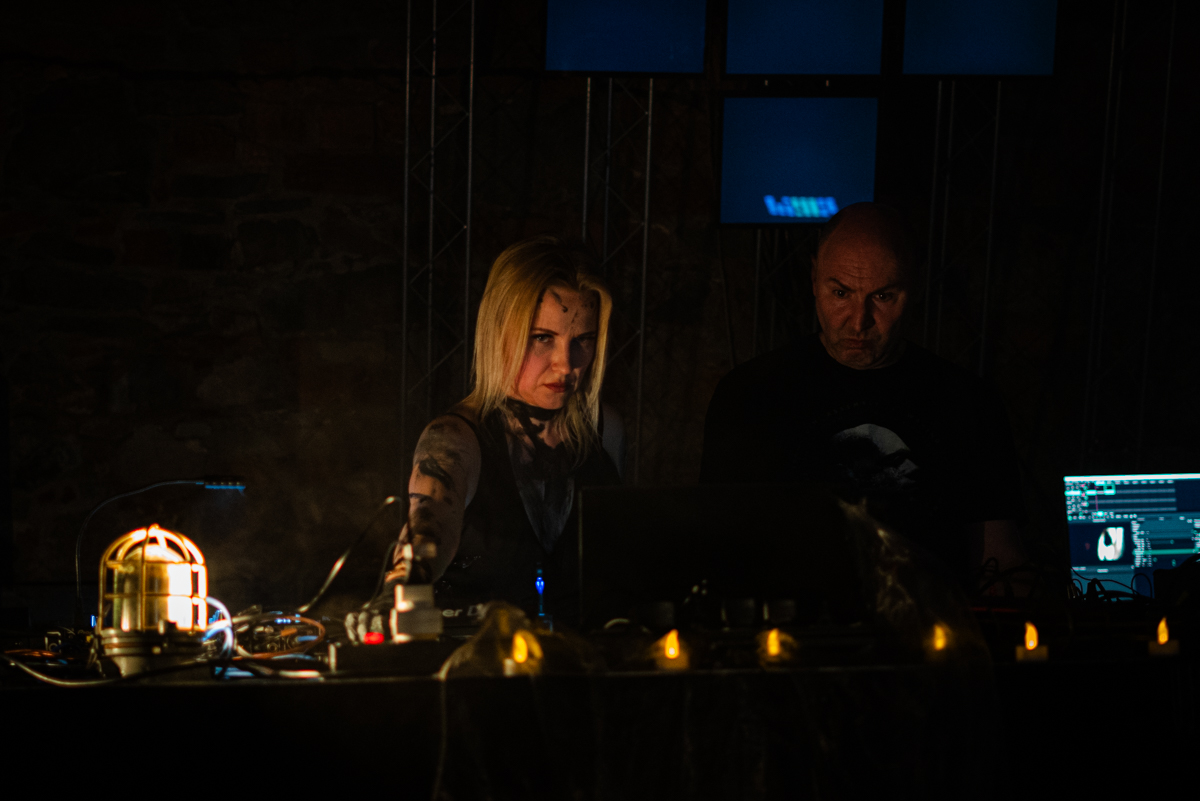
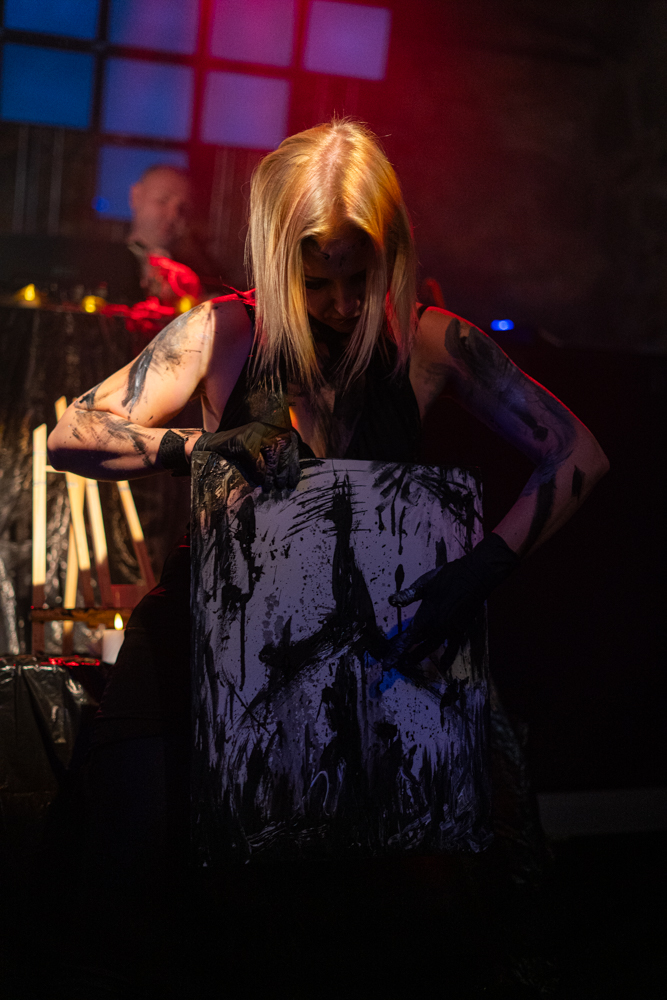
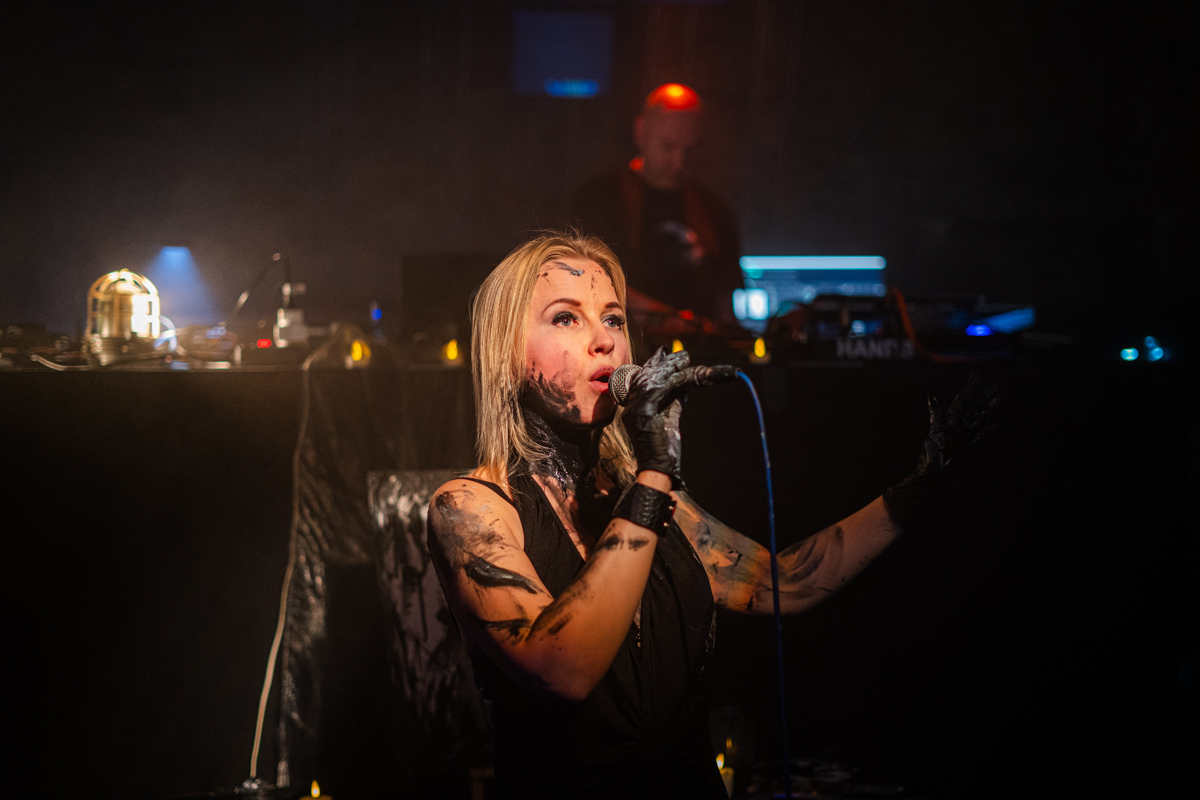
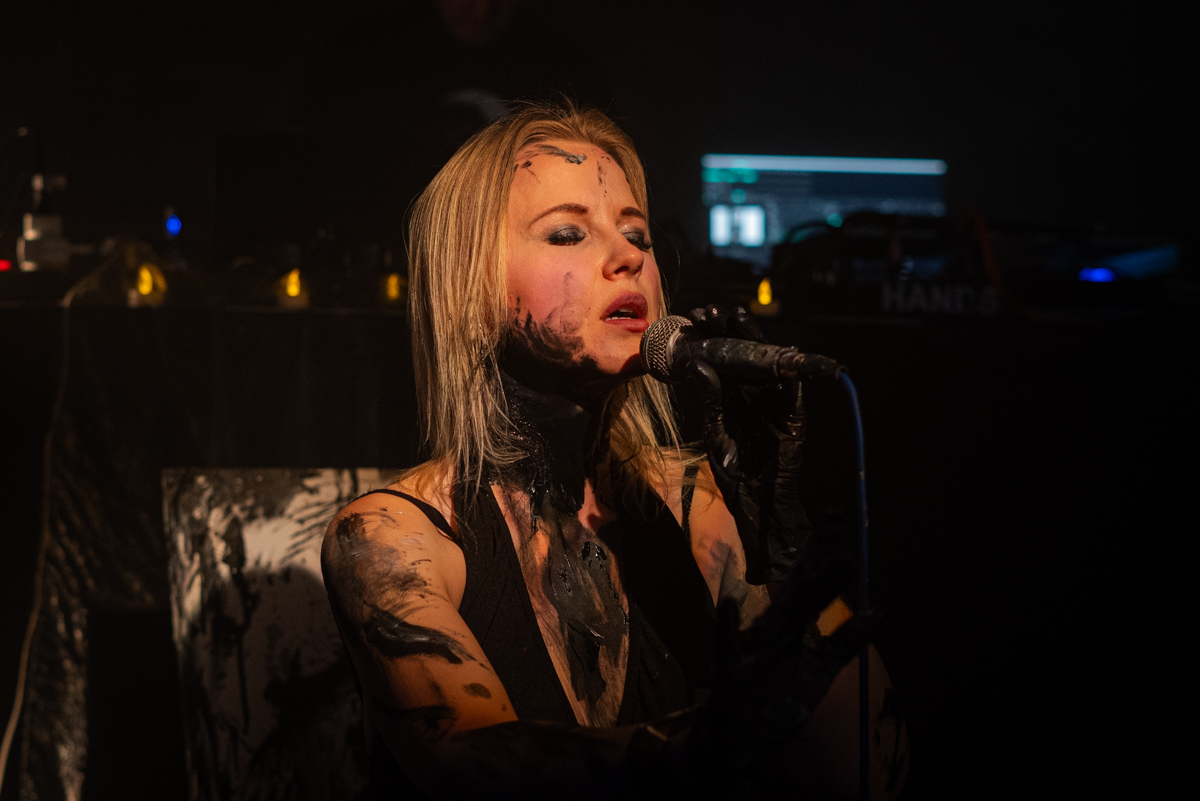
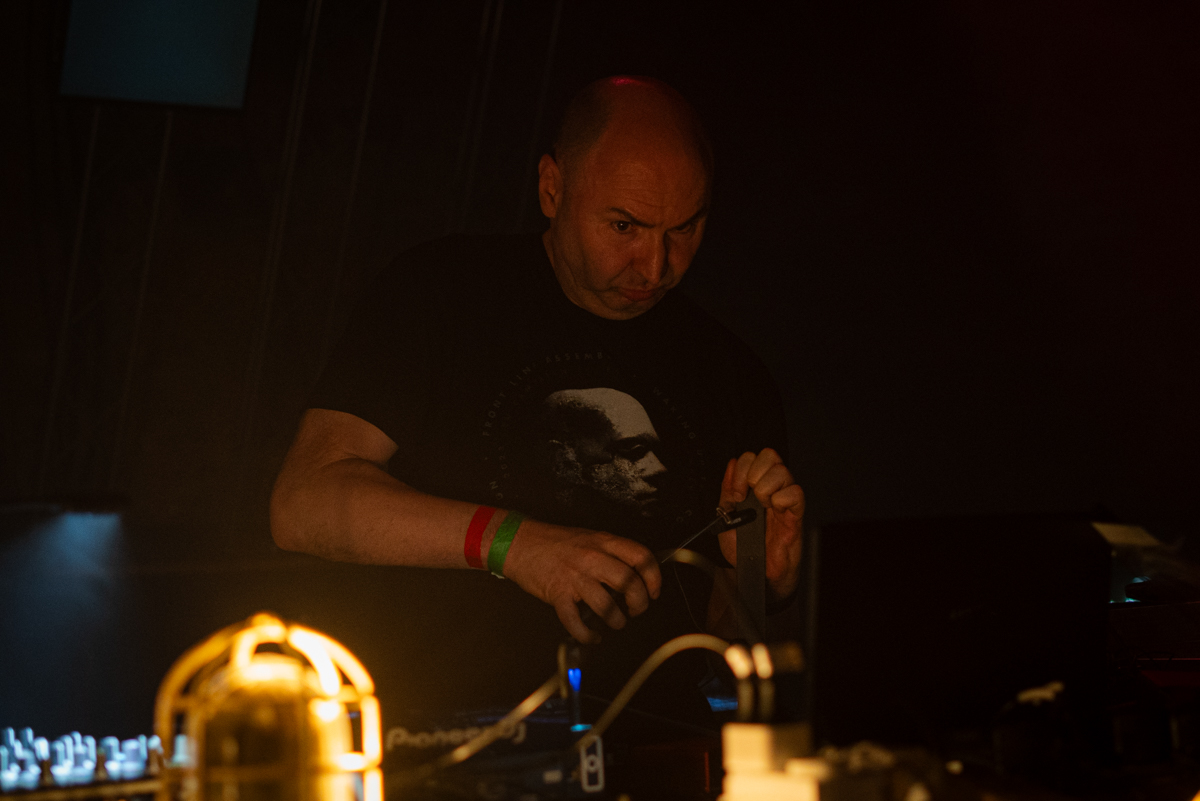
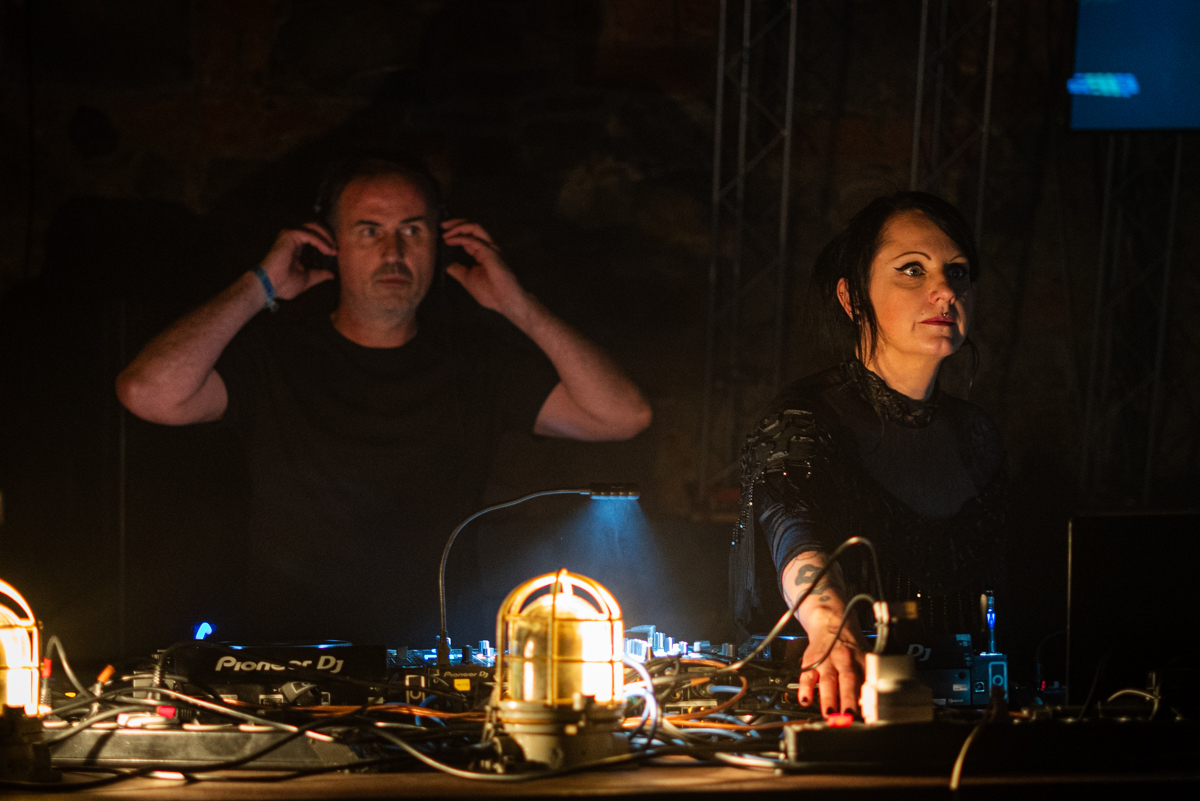
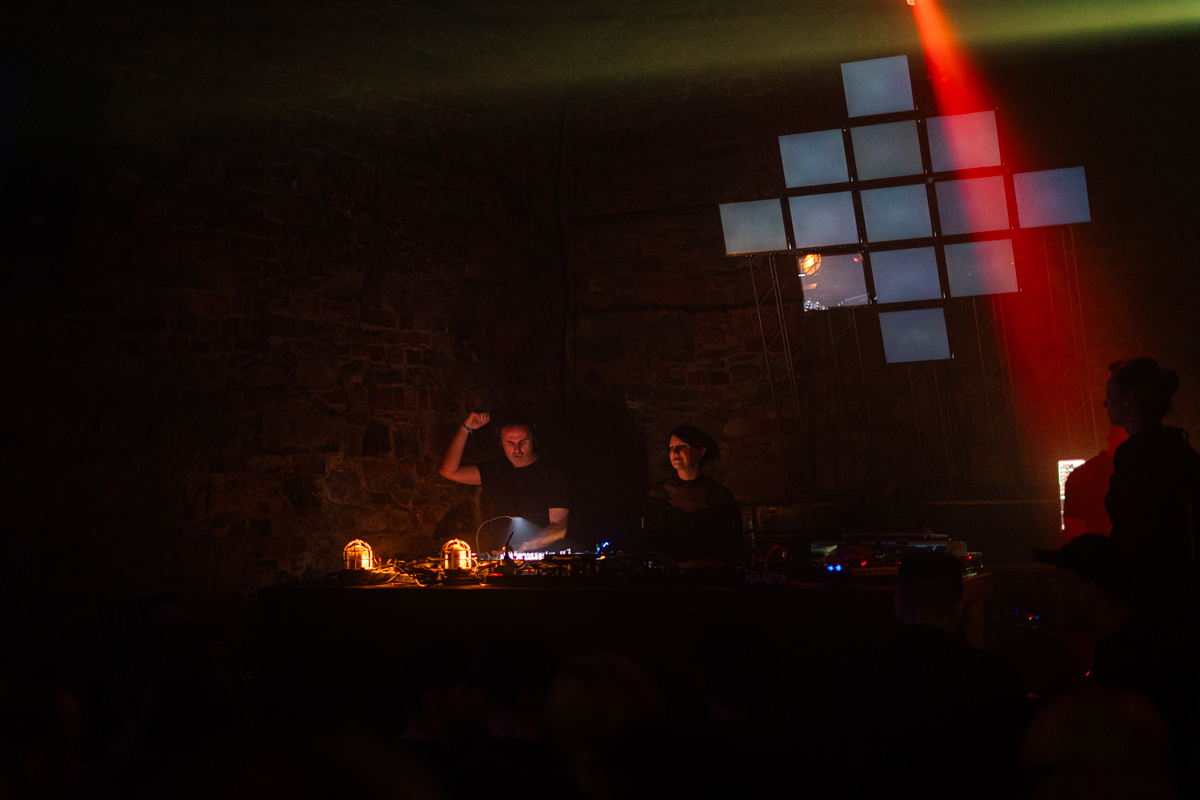
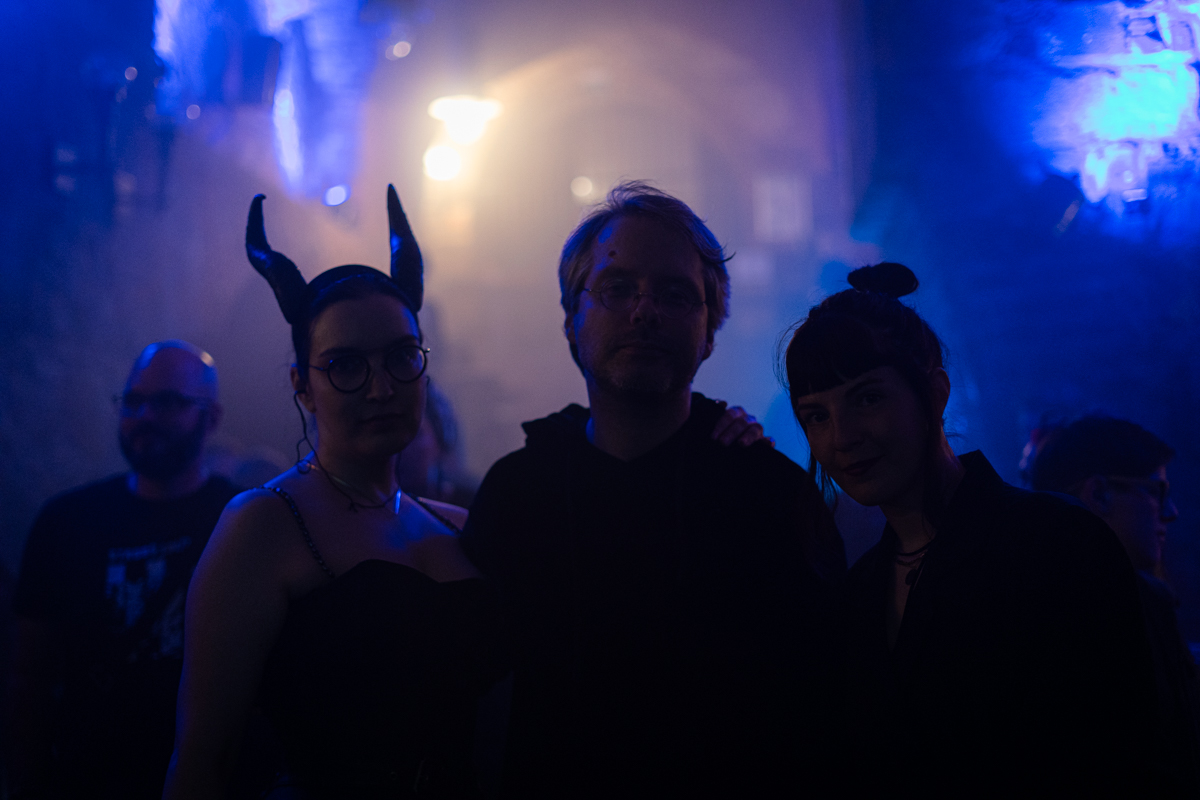
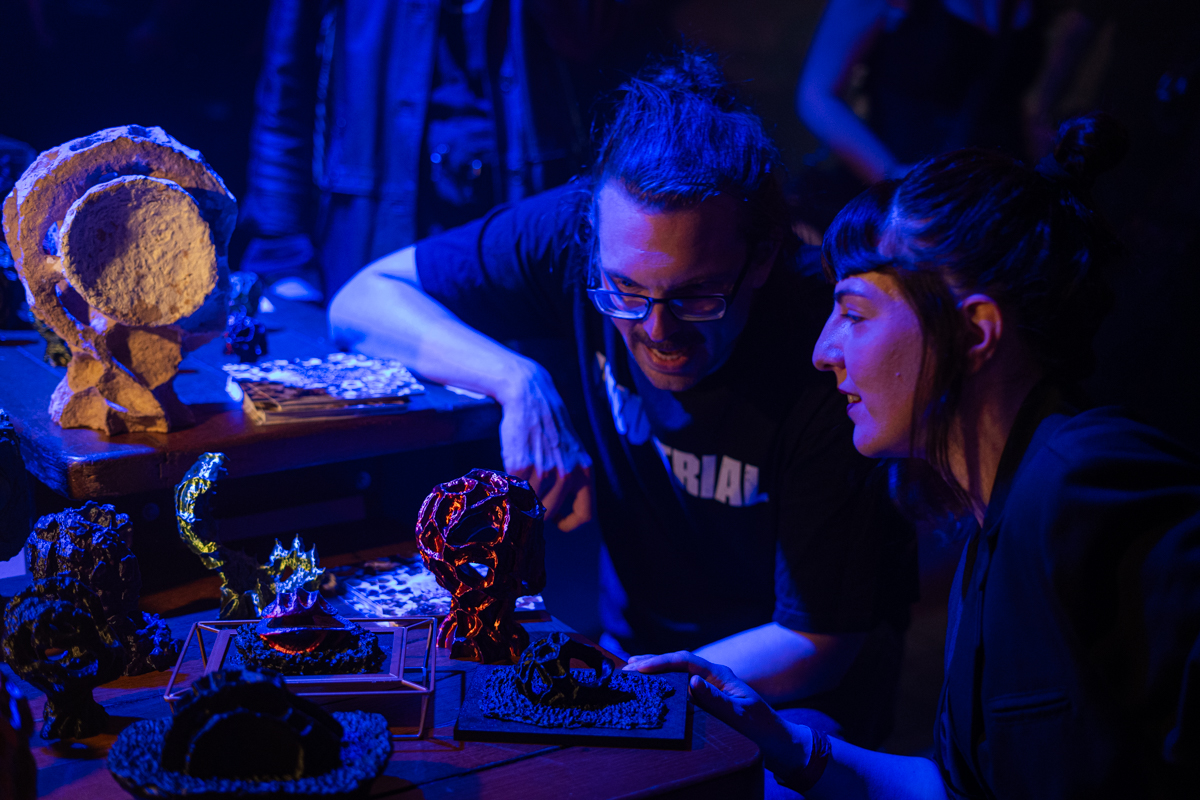
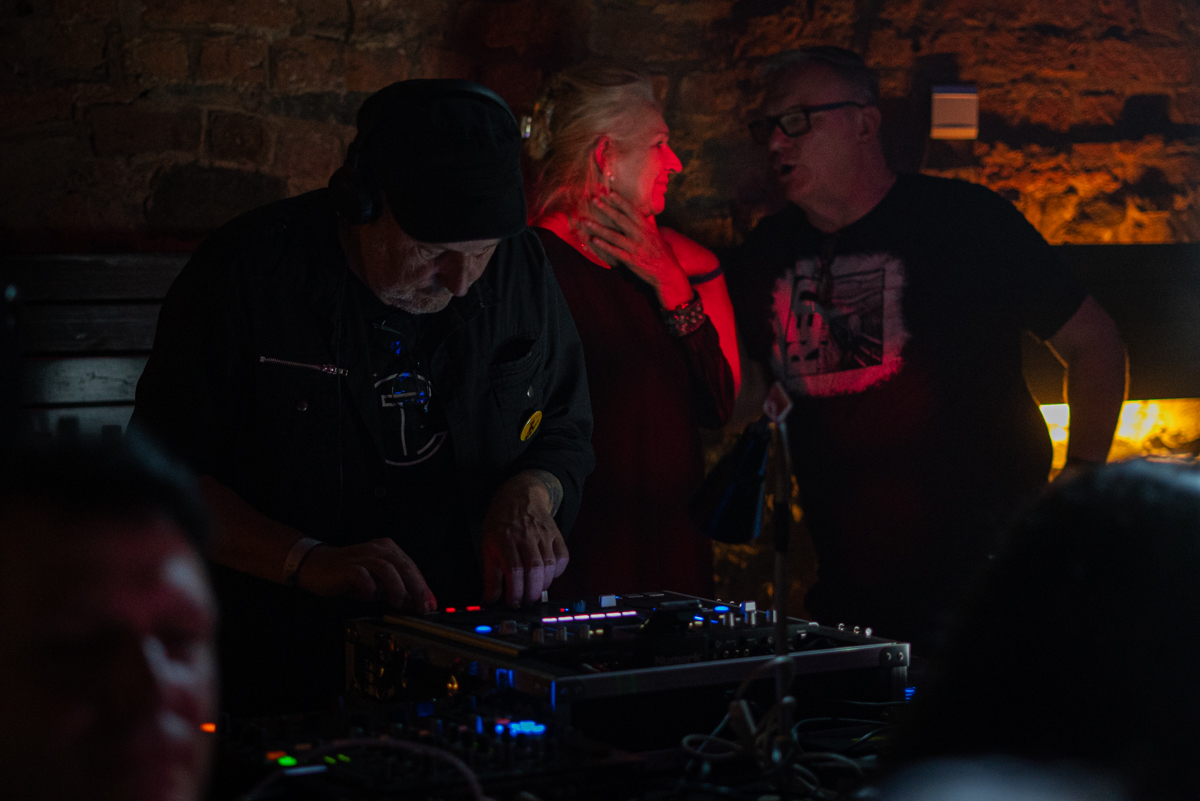
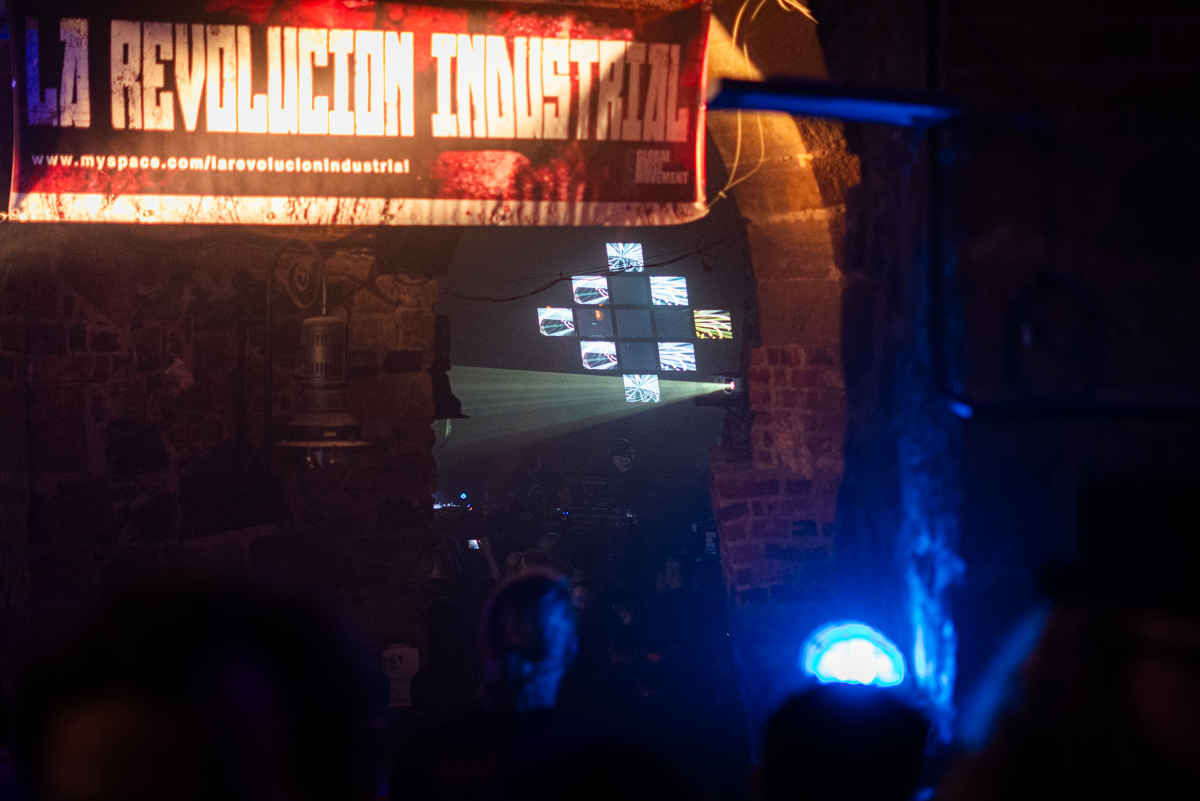
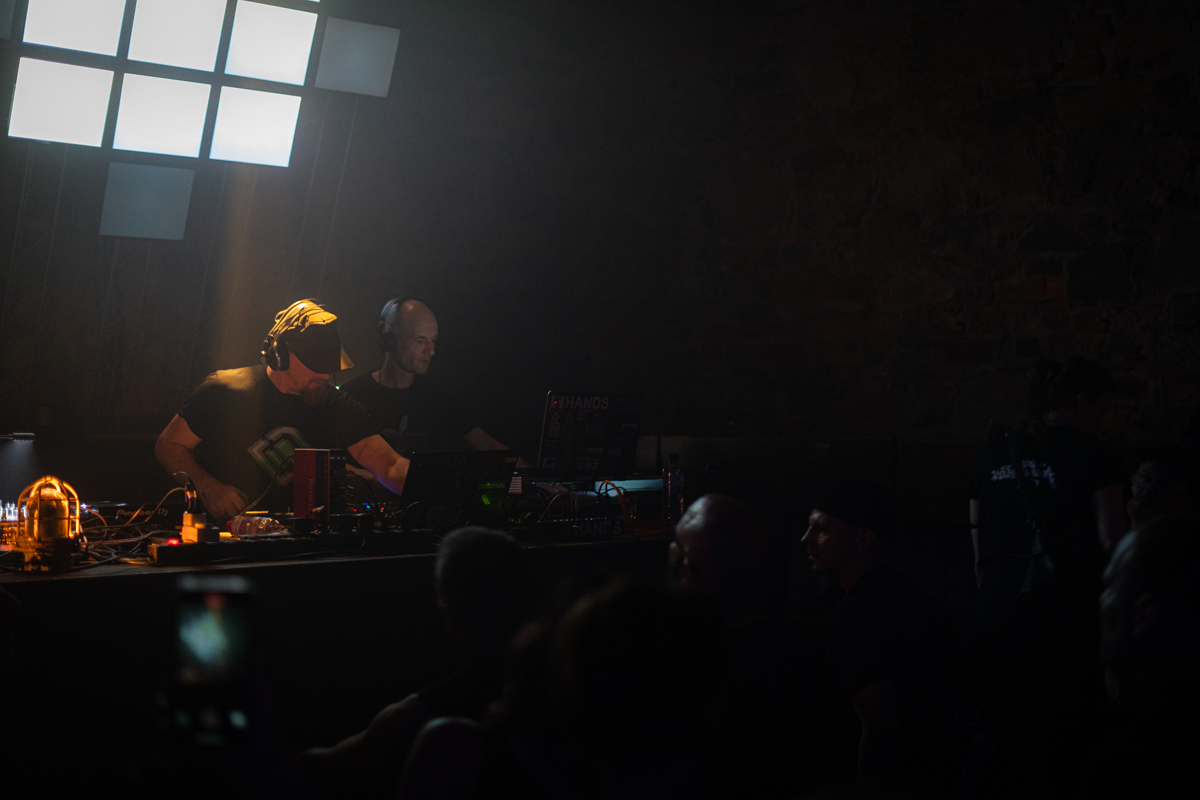
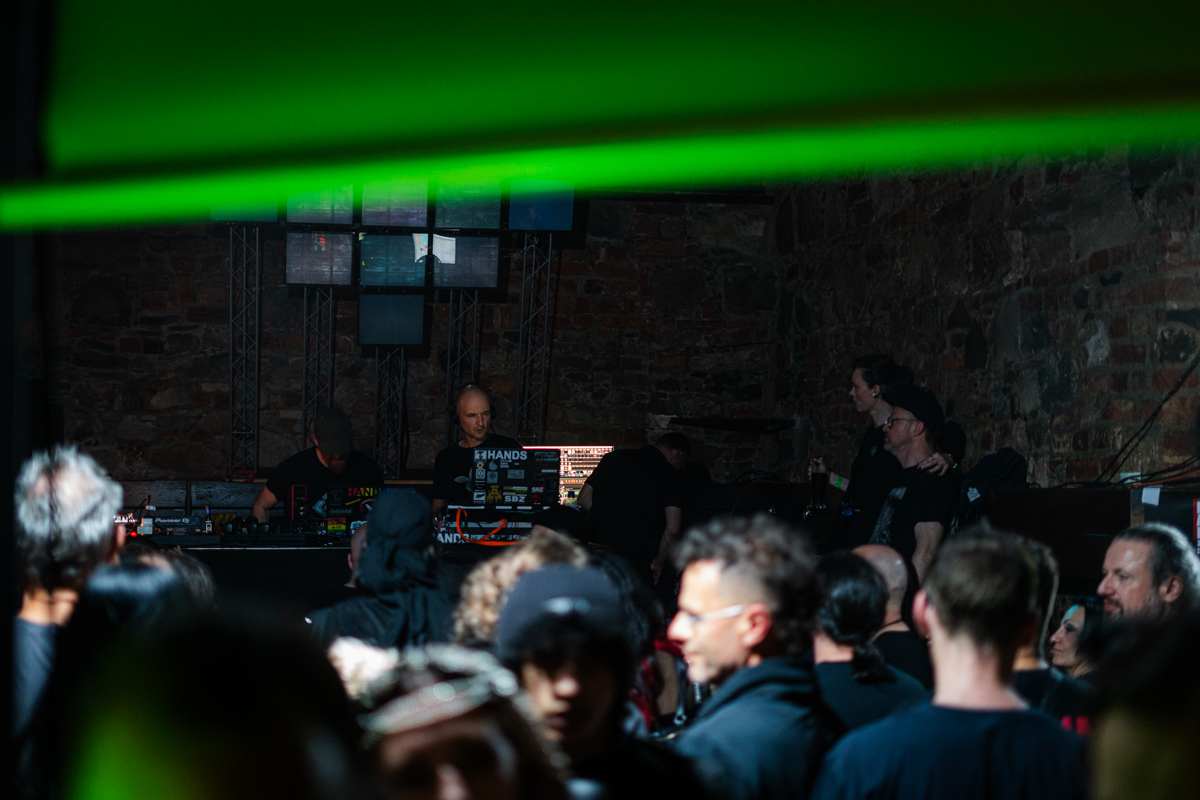
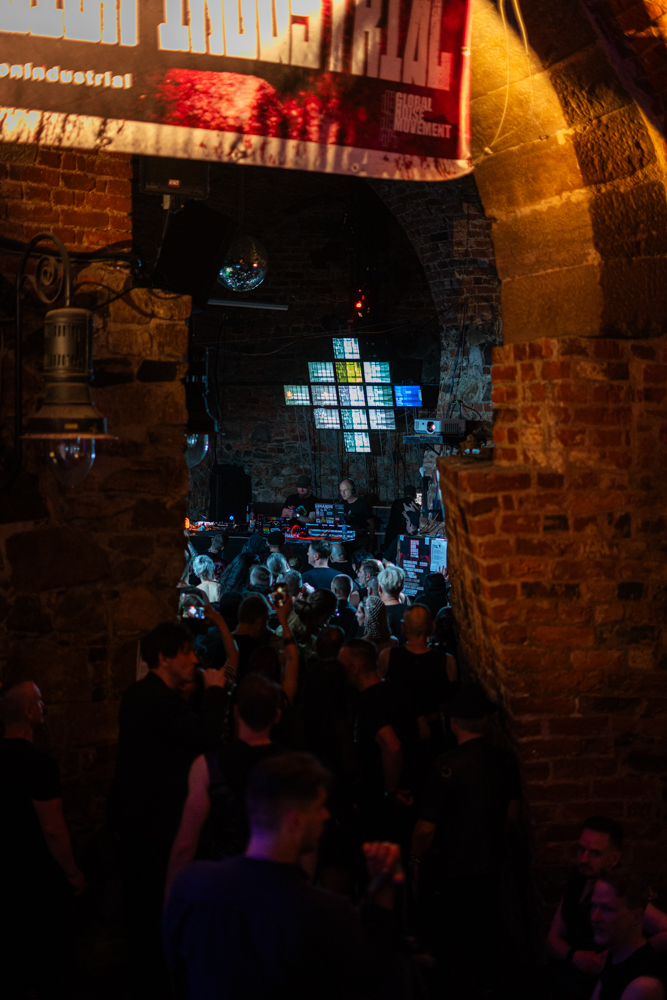
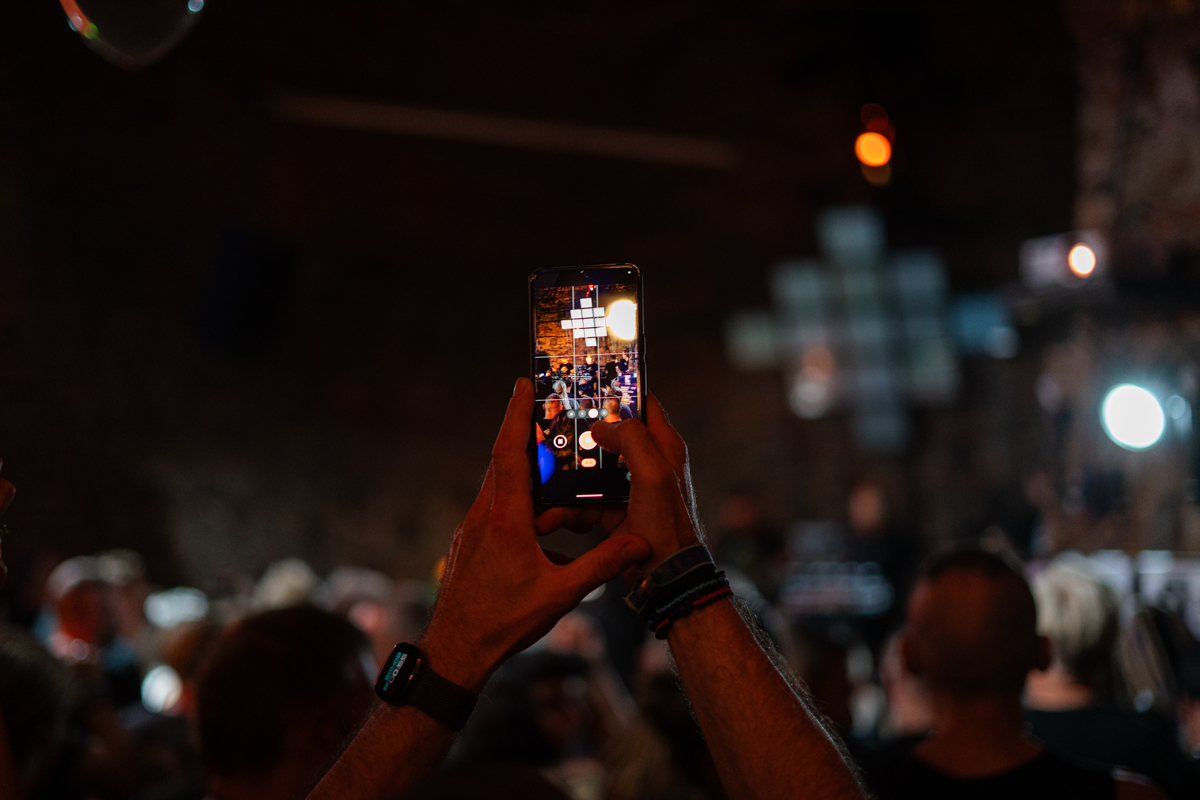
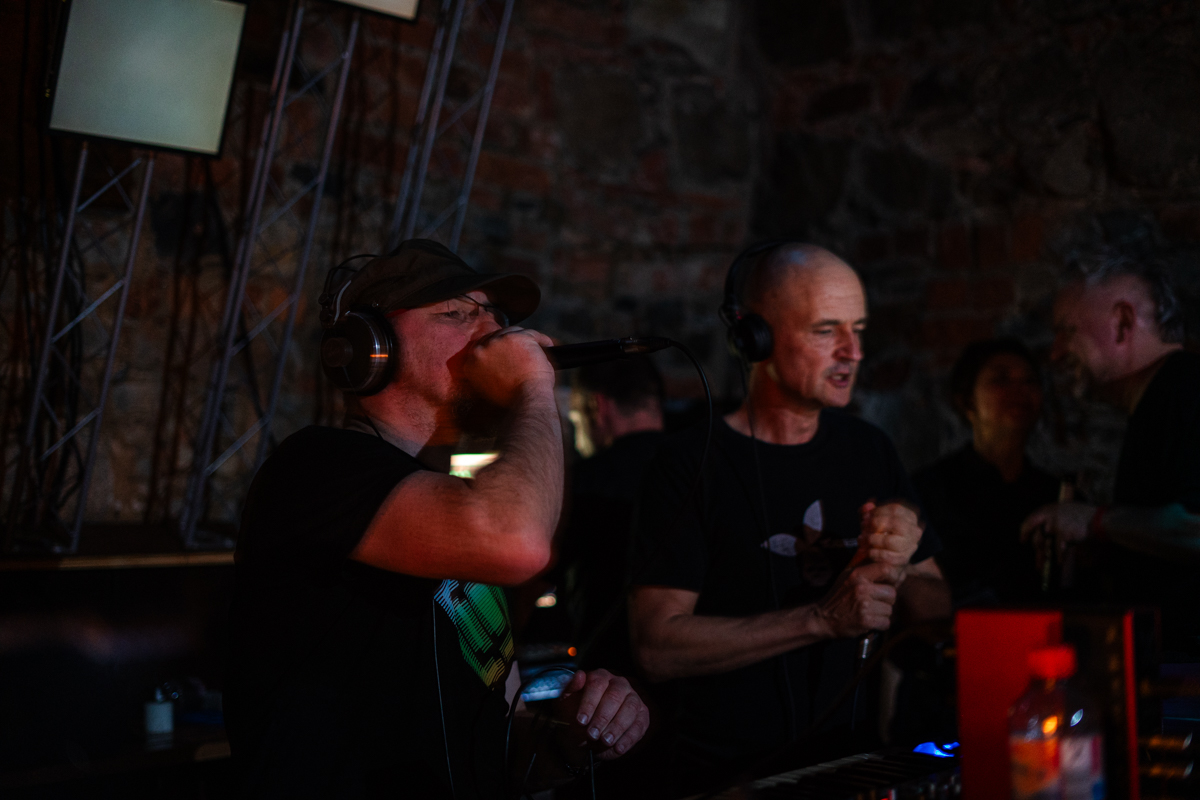
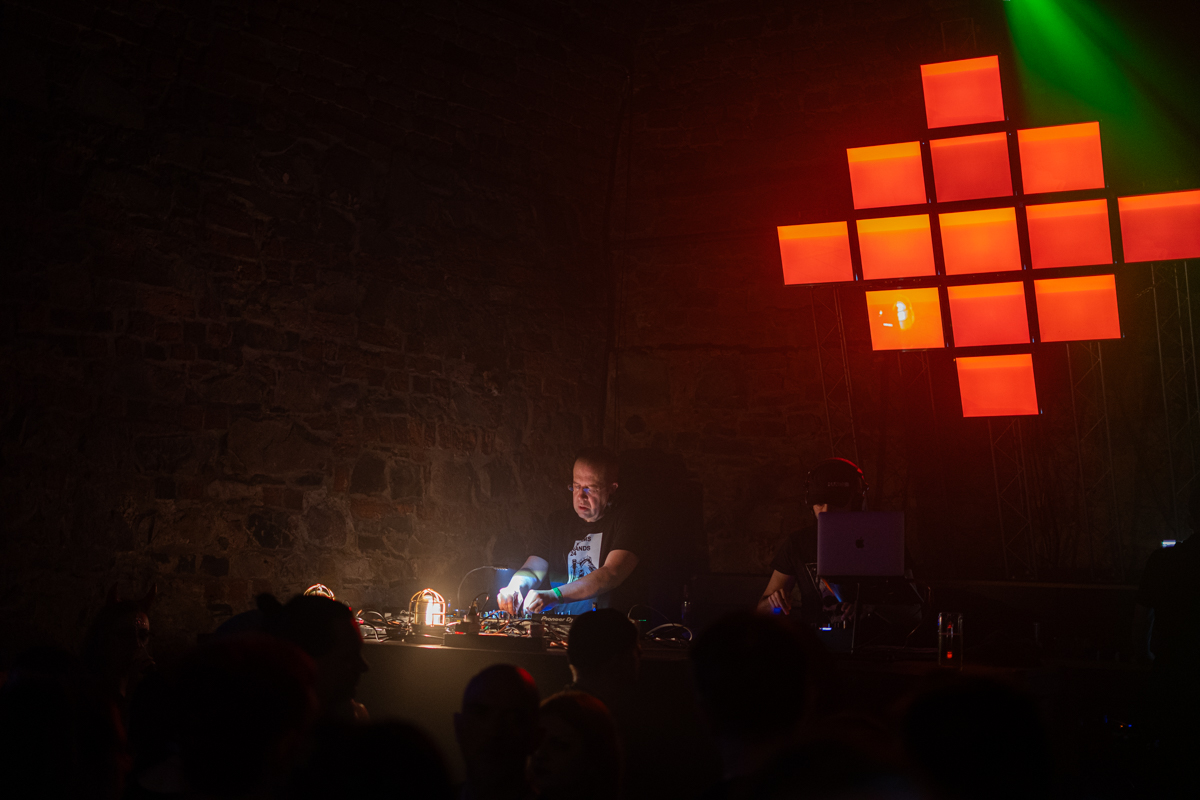
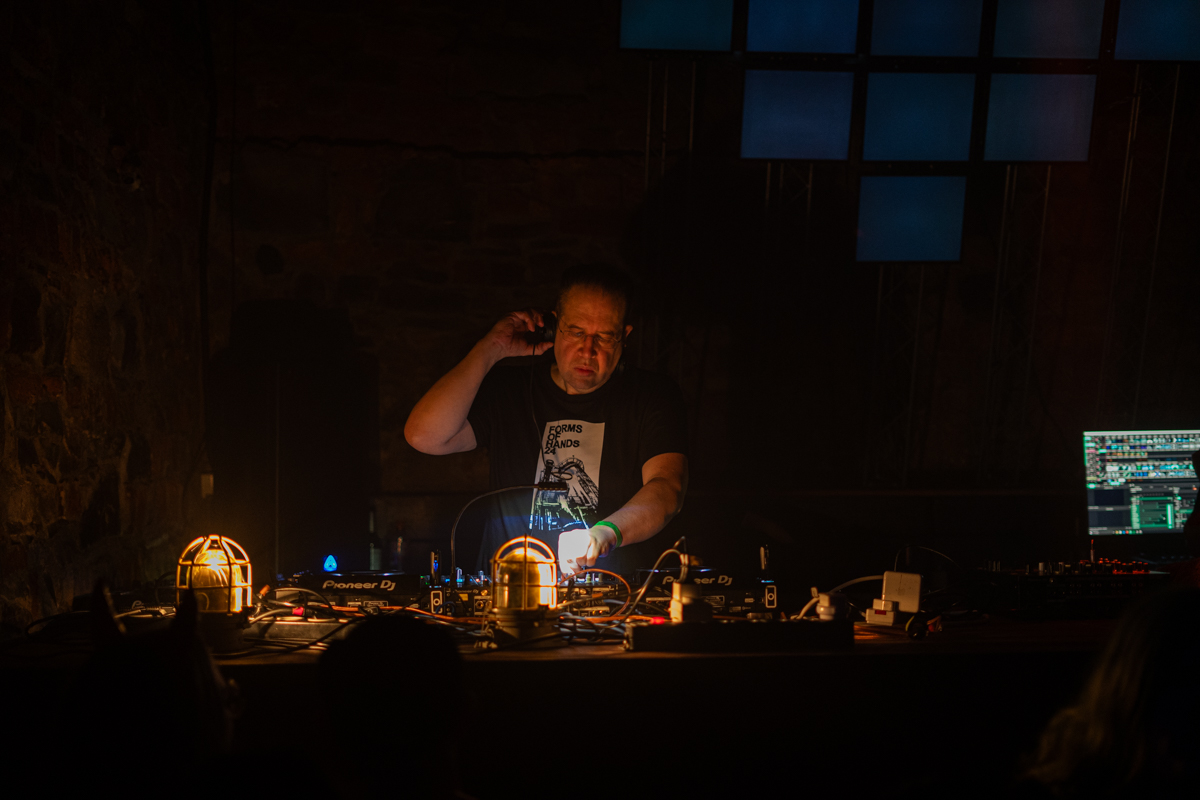
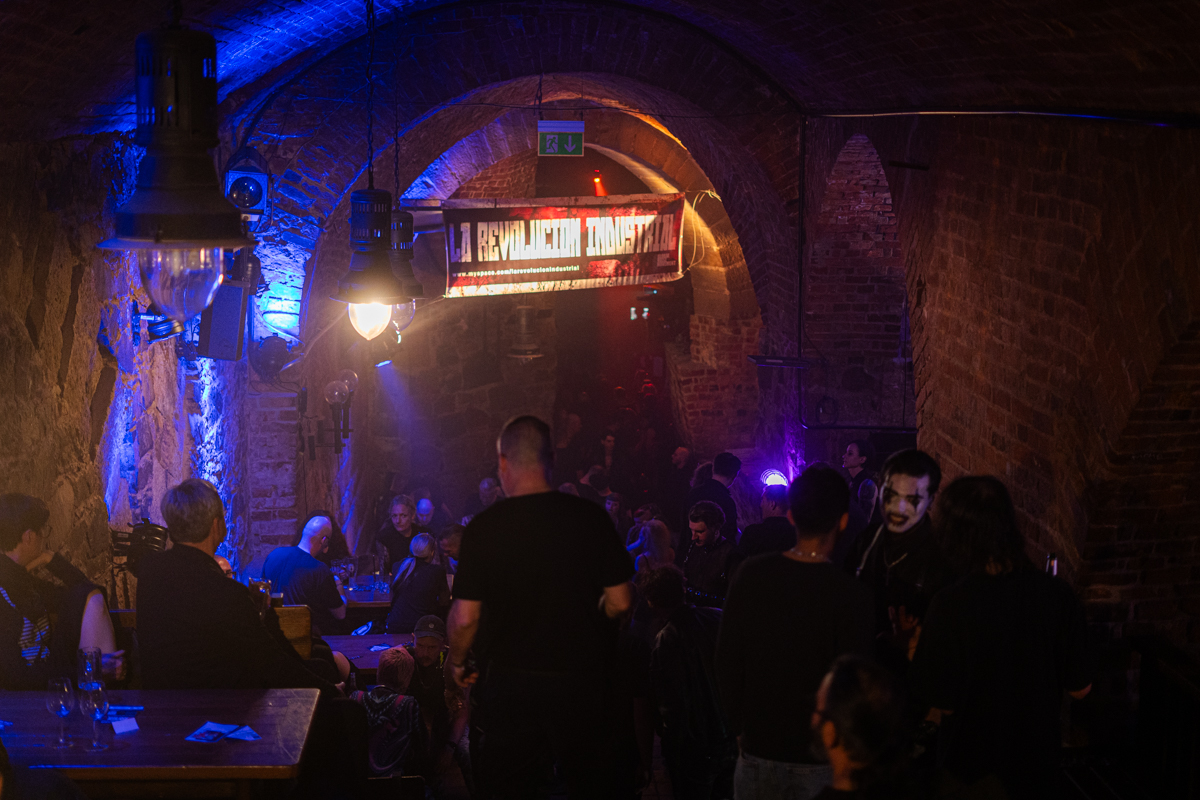
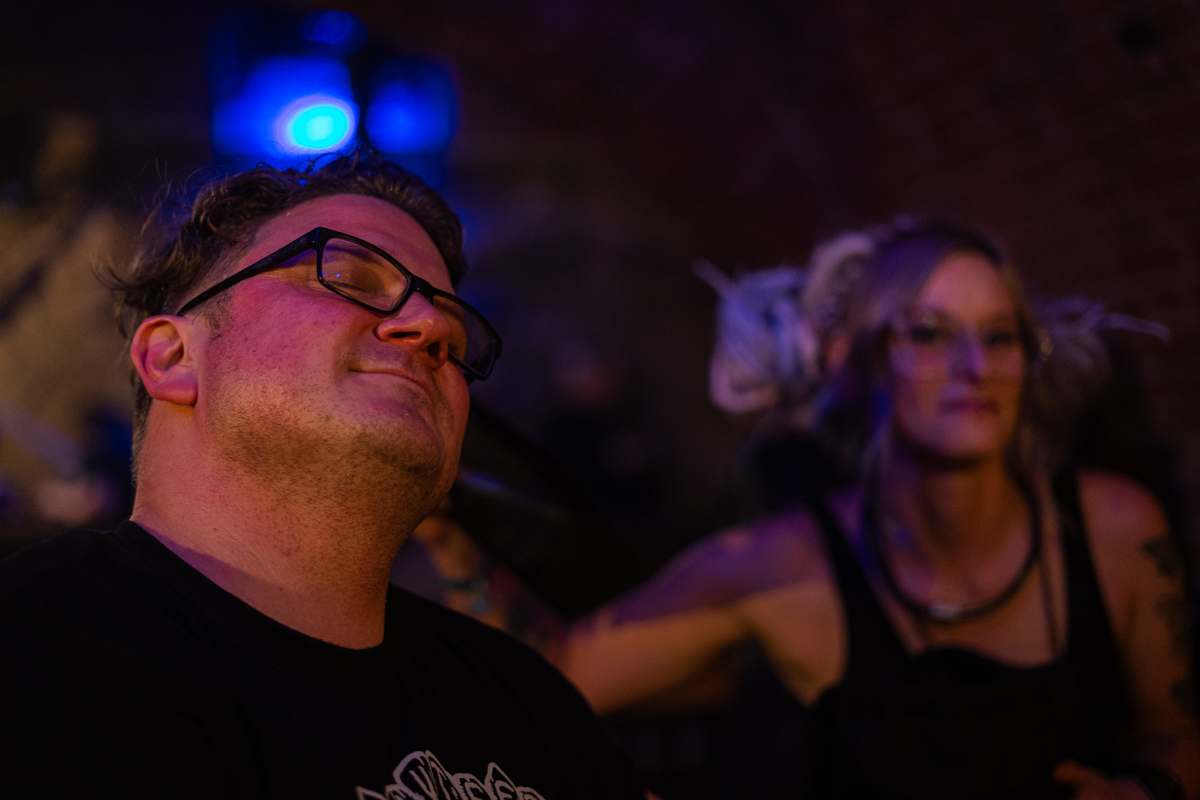
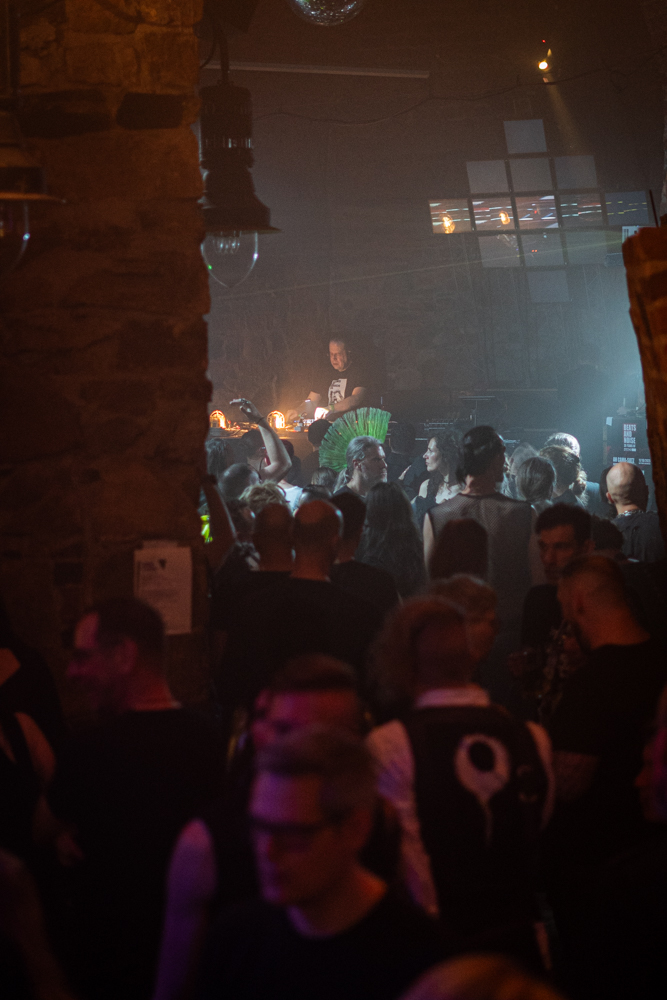
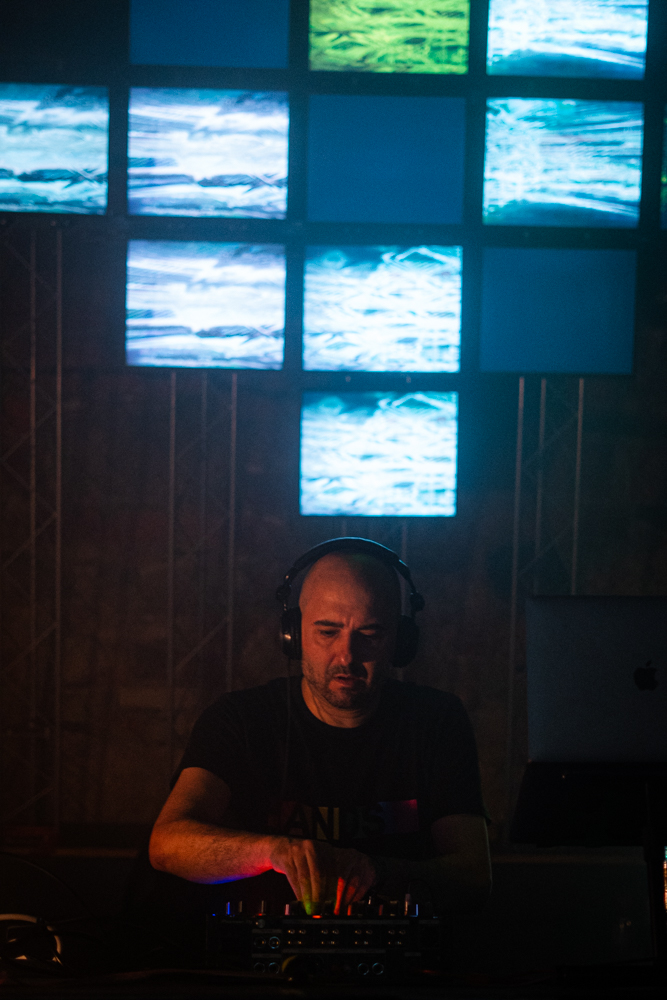
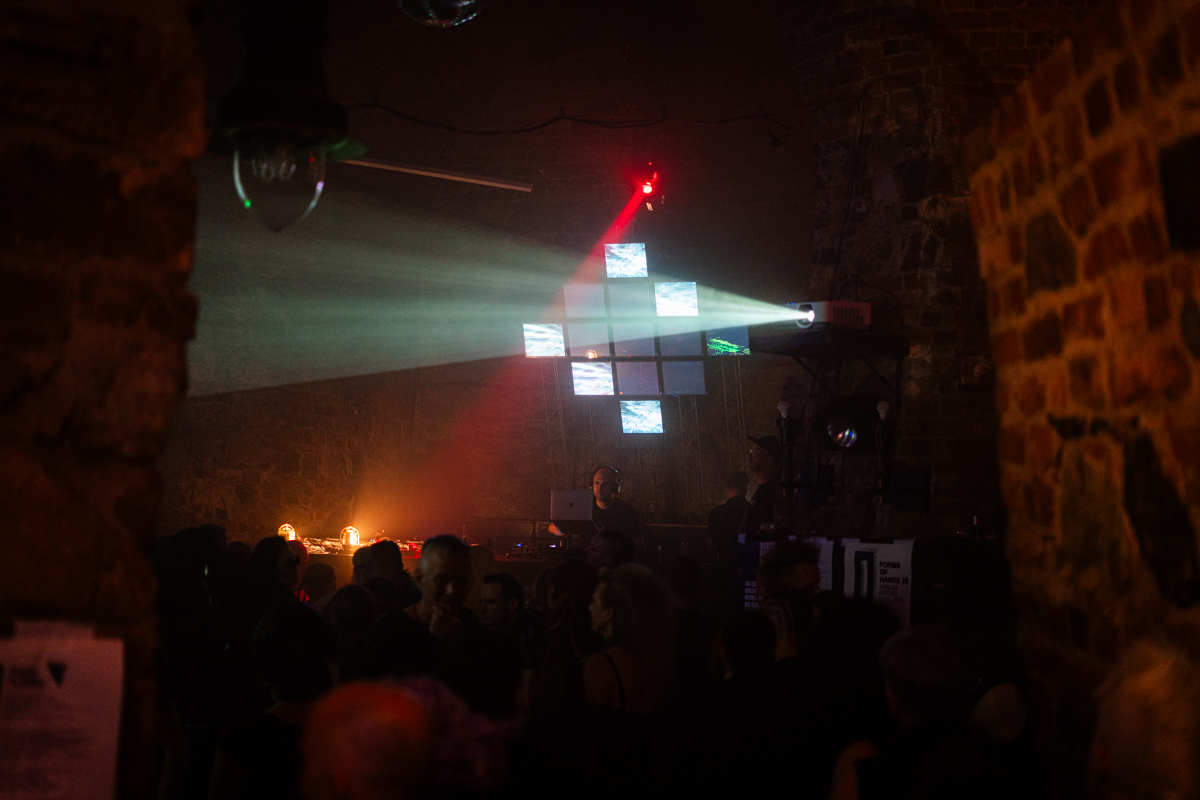
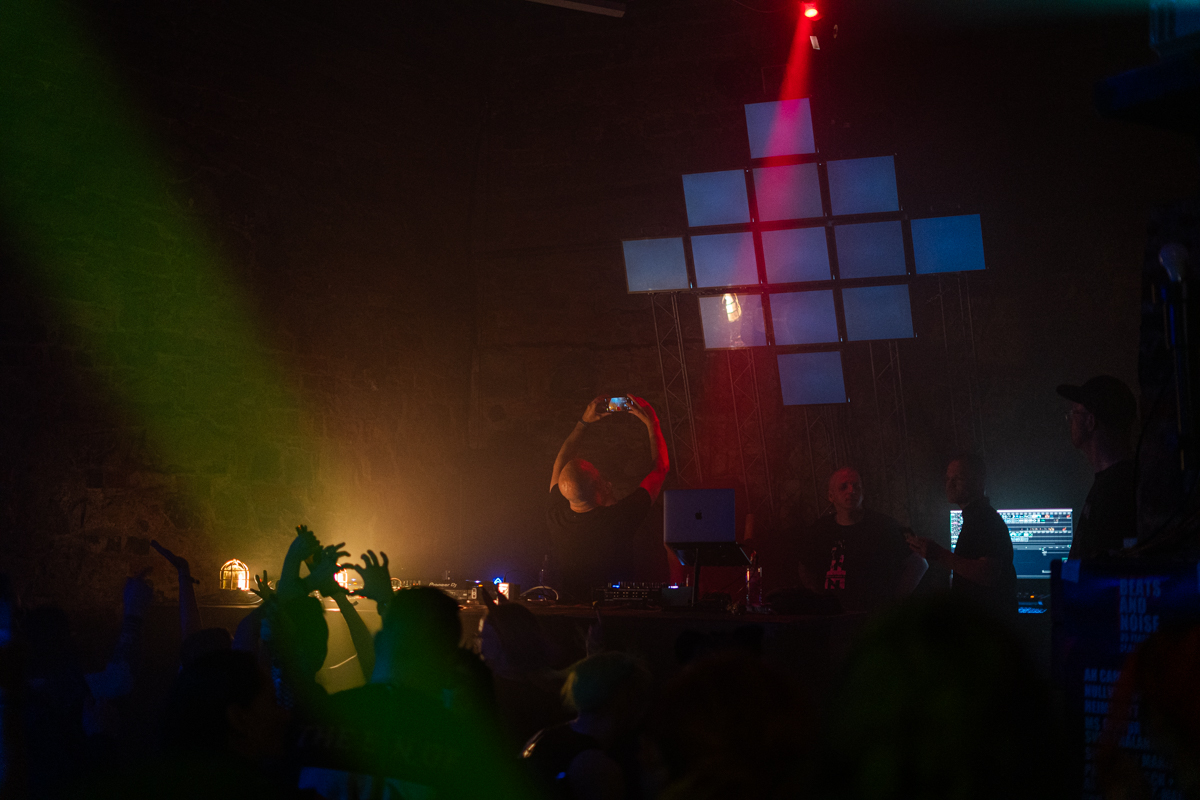
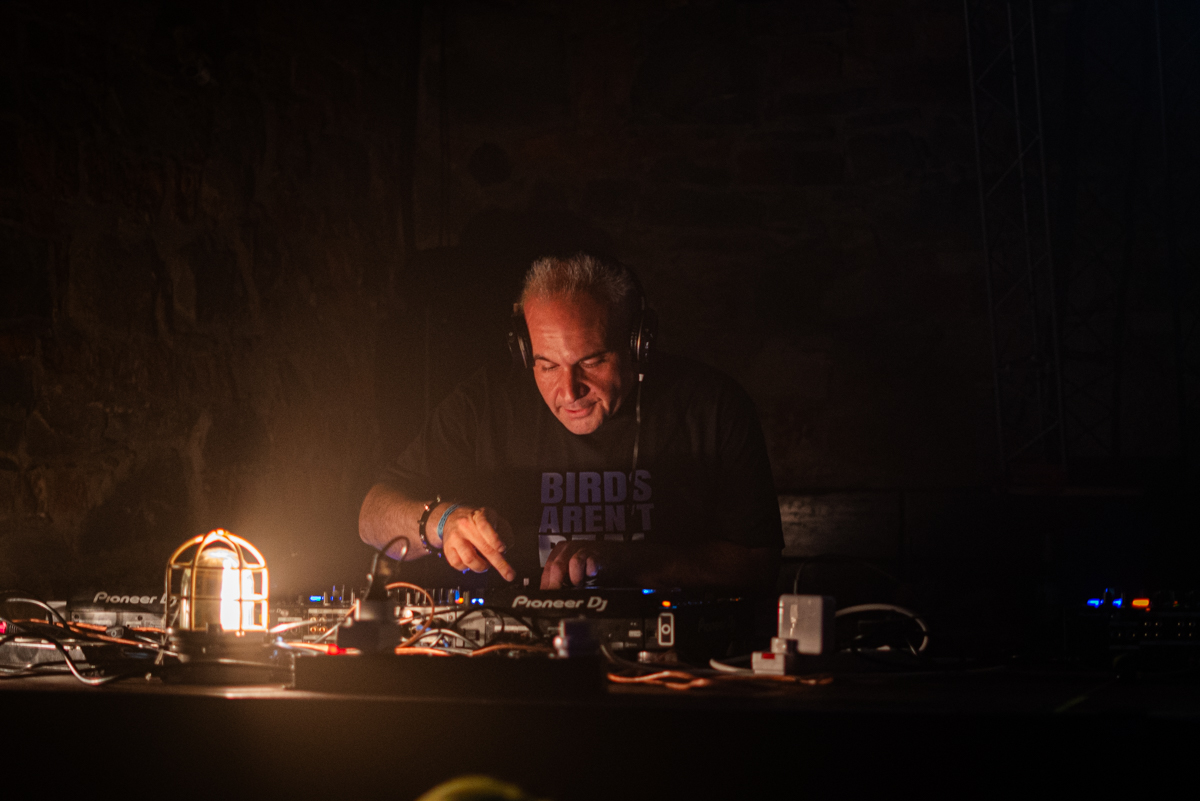
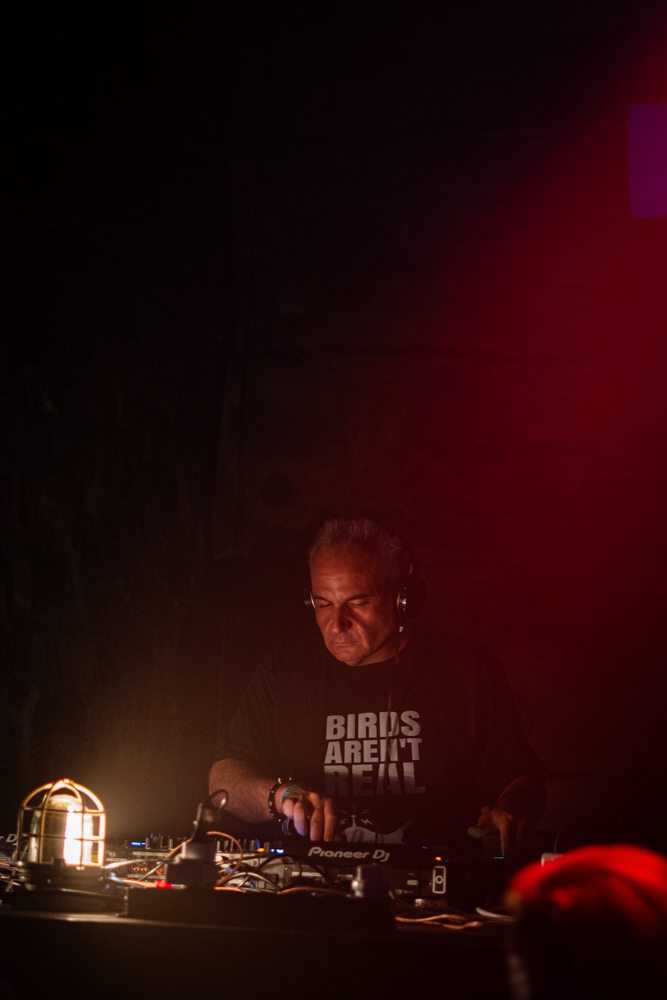
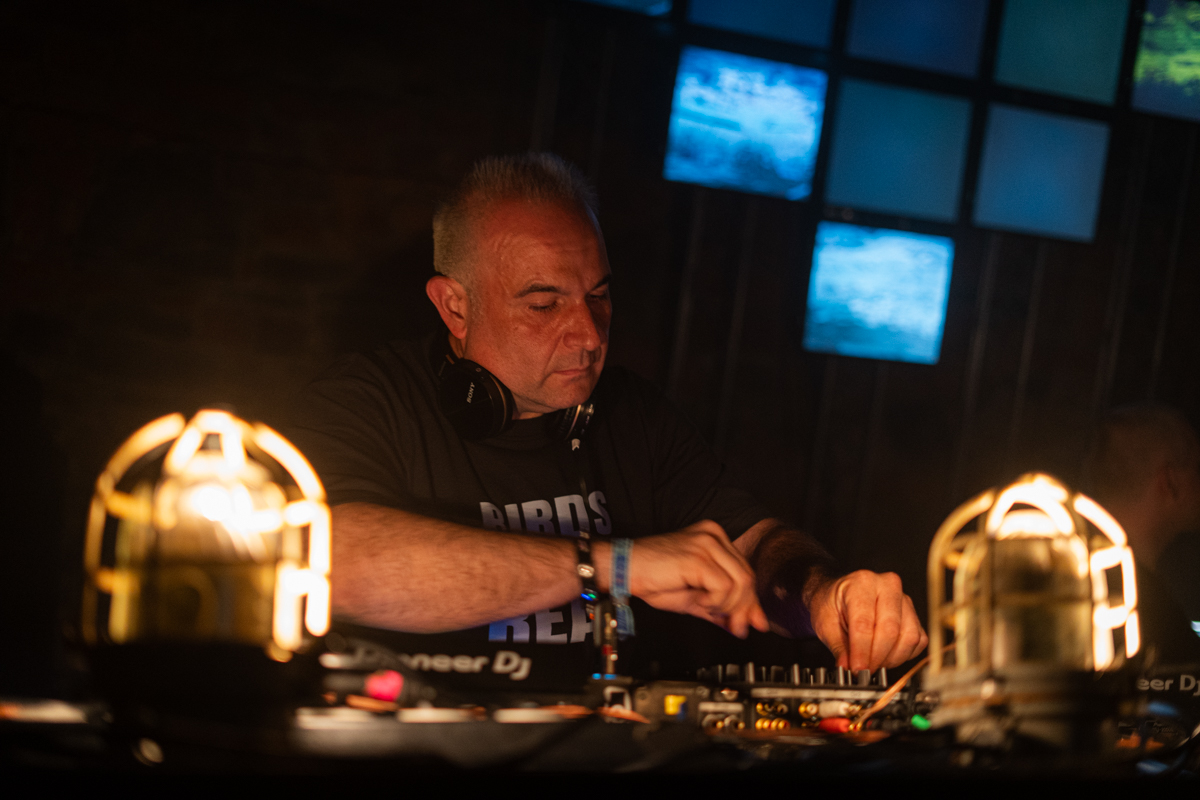
I’m truly glad that Noise Floors is one of WGT’s most established parties, which has kept going strong, even some of the artists and DJs are the same year after year. Moritzbastei is the perfect venue for this kind of scene, it’s very reminiscent of Tallinn’s Rockstar's club, where BFTV was held for the longest time in the 2000s and attracted our feathered and furry friends, but with the significant difference that Moritzbastei is, of course, nearly two hundred times larger. The building’s halls are partly underground; the old, fortified thick limestone walls evoke the bastion’s former purpose, yet have been adapted into a concert venue with plenty of hangout spots. People gather there to chat, rest their feet or ears, and then head back into the music. While smoking in the outdoor courtyard, people probably end up joining a band here and there, sign recording deals, and just network. Corridors and staircases connect all the rooms so that you can basically move in a circle and pass through most of the MB spaces, you’re sure to rack up plenty of steps that evening. At times, you might get so far away that you can barely hear the music. And then suddenly, from somewhere in the distance, the clang of industrial music rings out again, a strobe flashes, and a smoke machine fills the room with smoke. Being in those rooms feels like traveling in a time machine, yet you want to stay right there, in the moment. WGT is now halfway through; Sunday and Monday still offer the joy of discovery.
Sunday
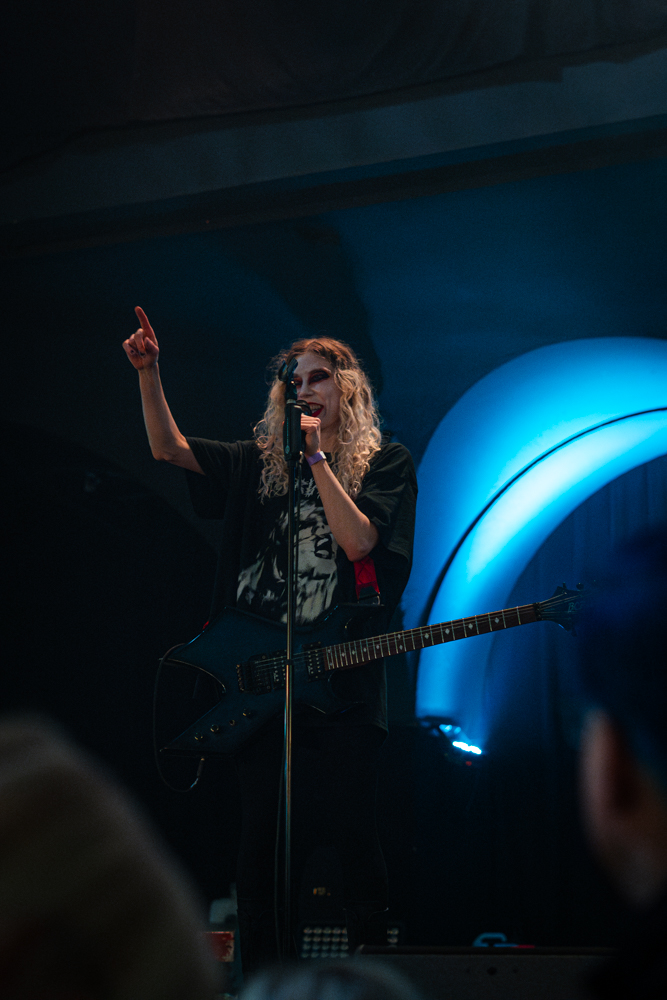
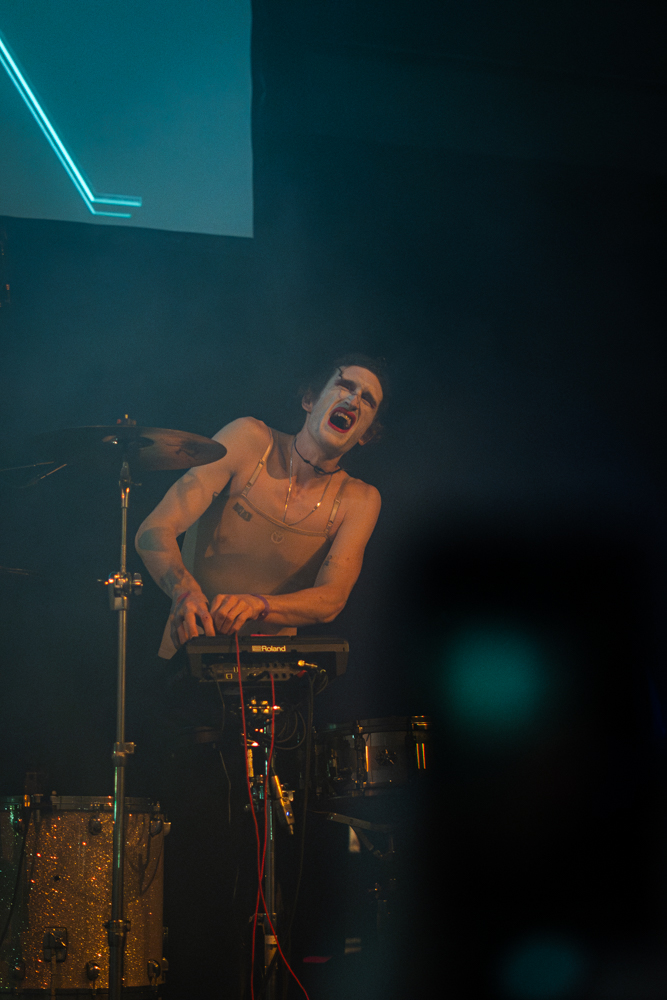
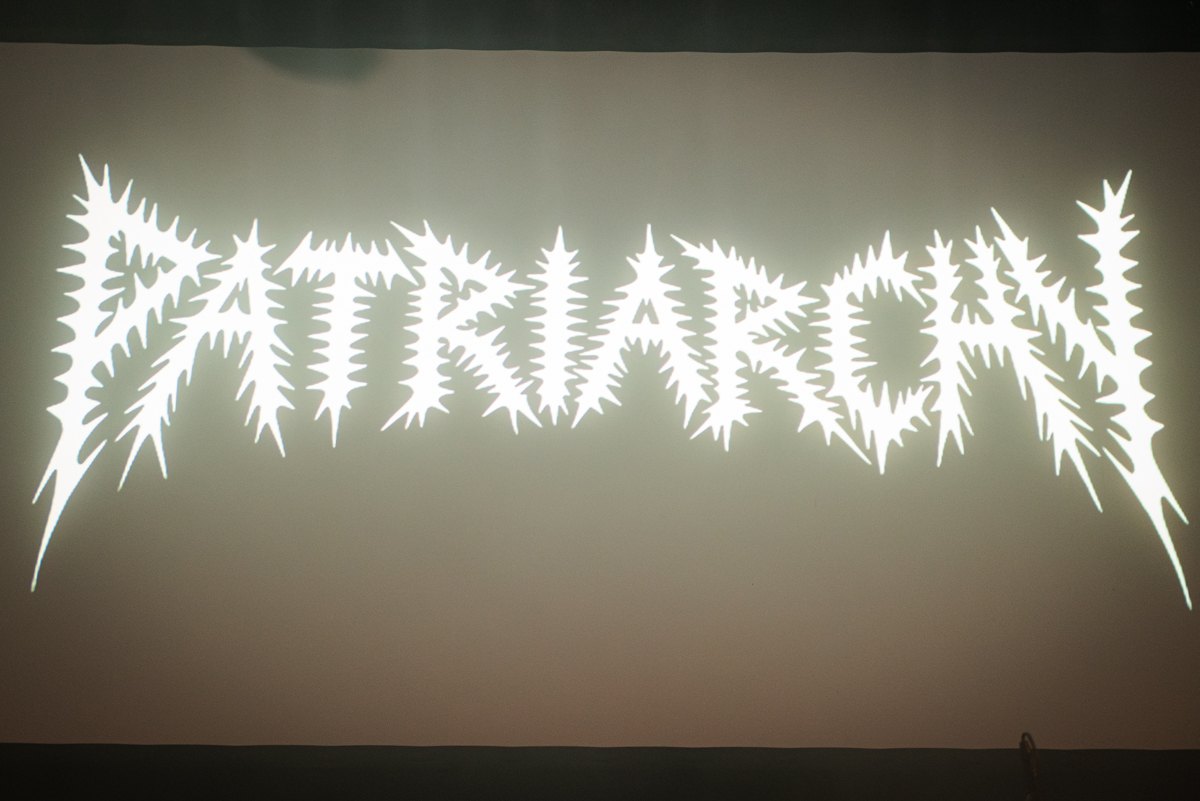
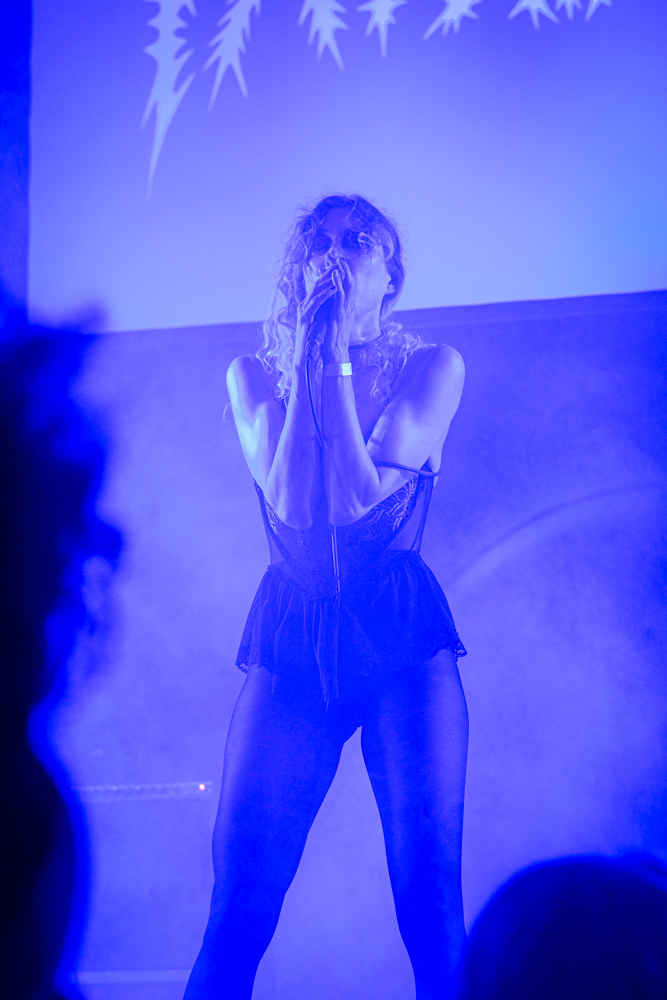
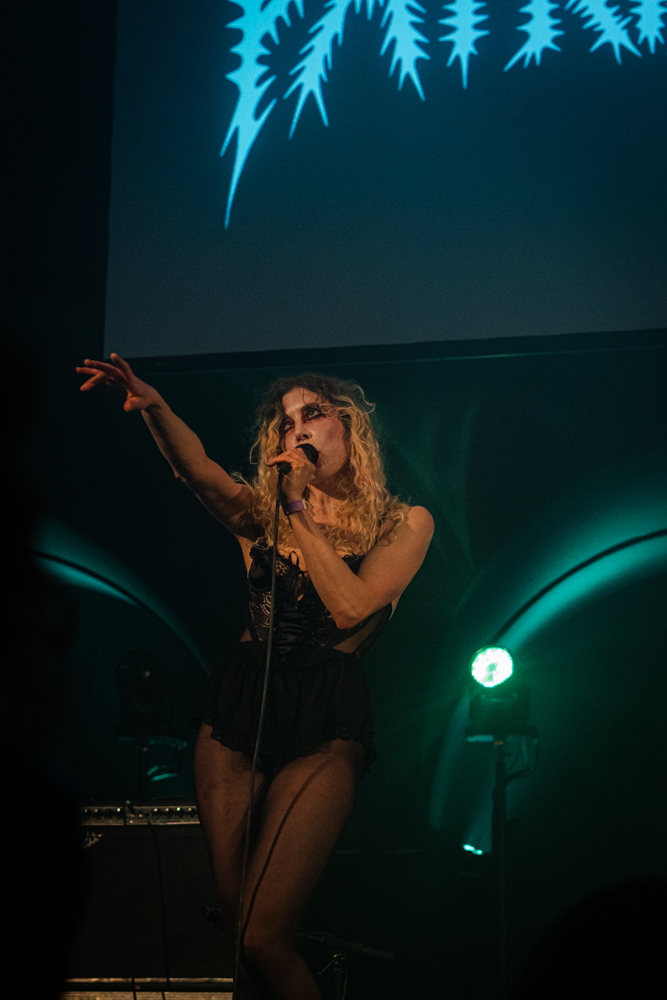
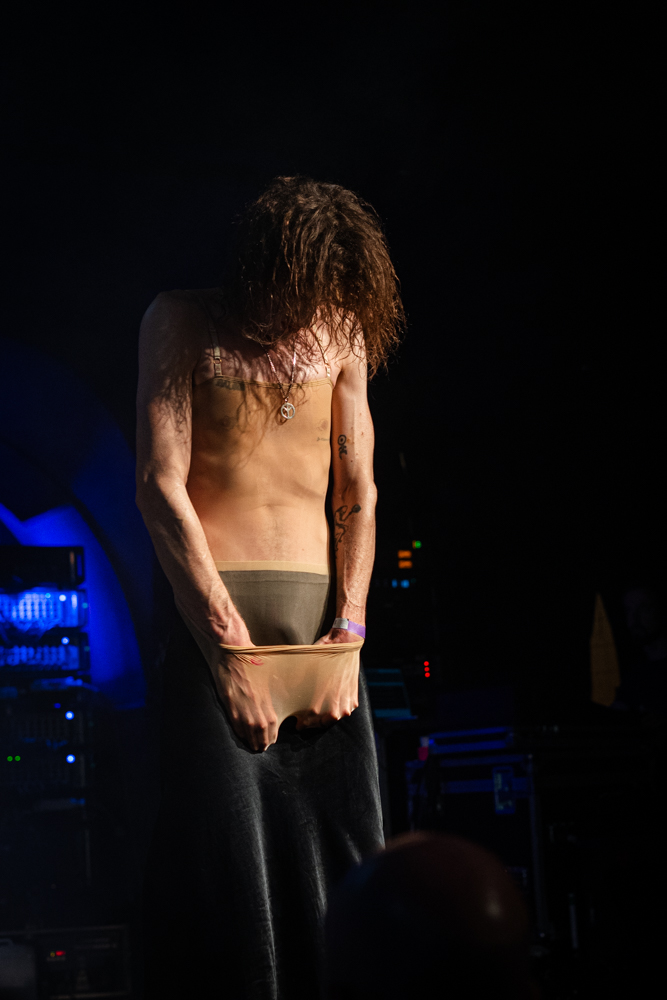
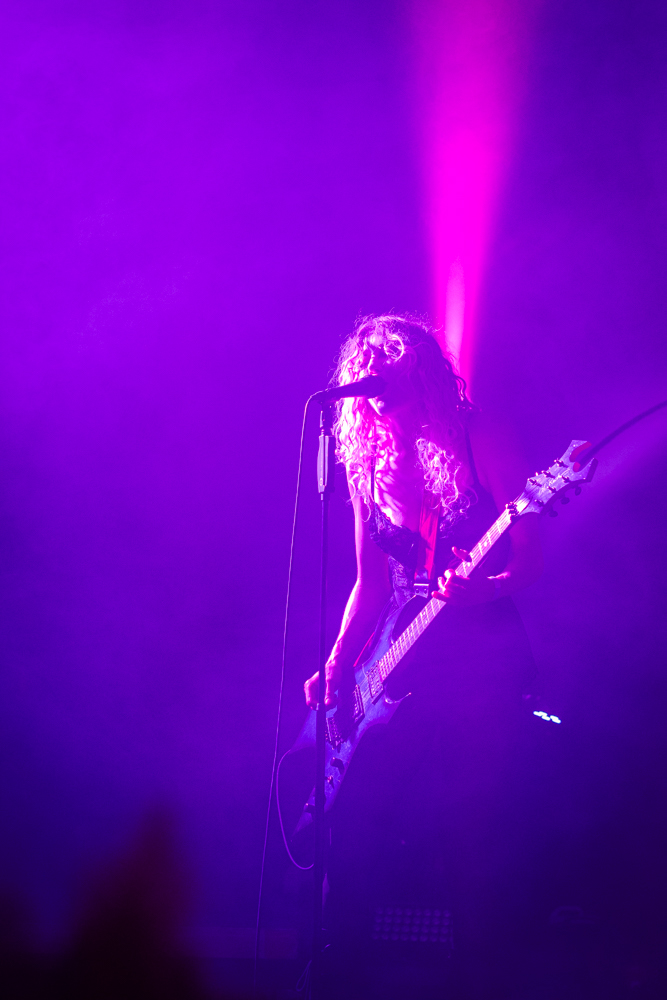
Since we spent the entire previous evening at the same venue, we’ll start Sunday afternoon at Stadtbad instead, where we’ll catch performances by Jakuzi, Patriarchy, and Light Asylum.
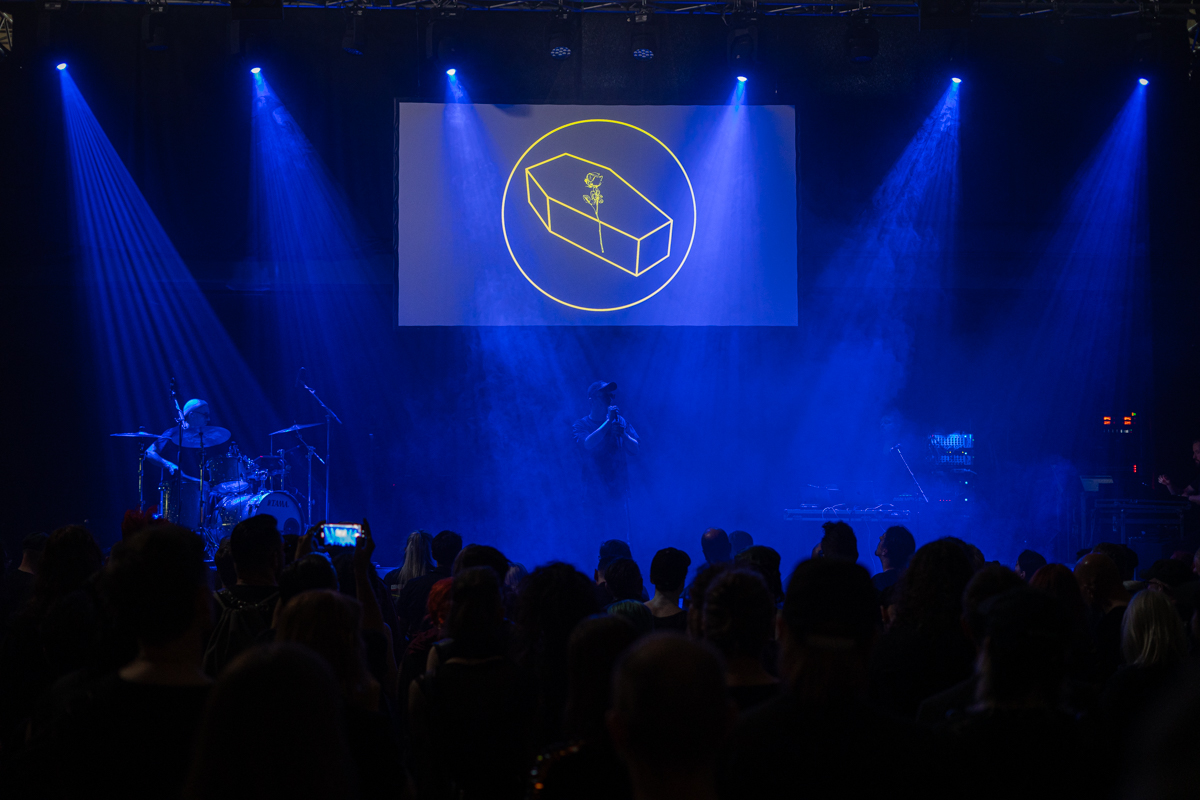
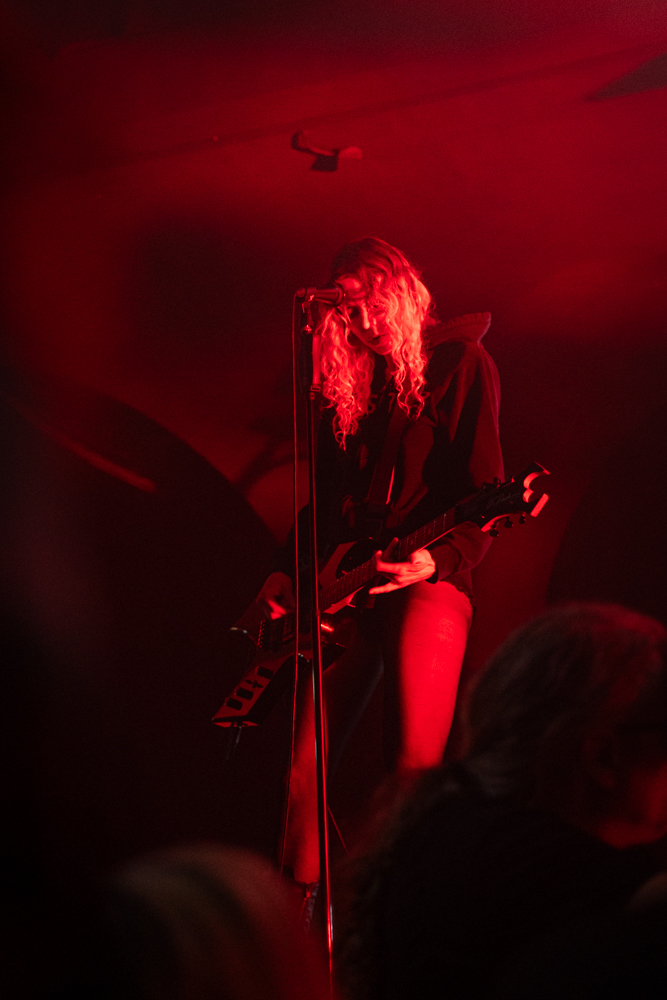
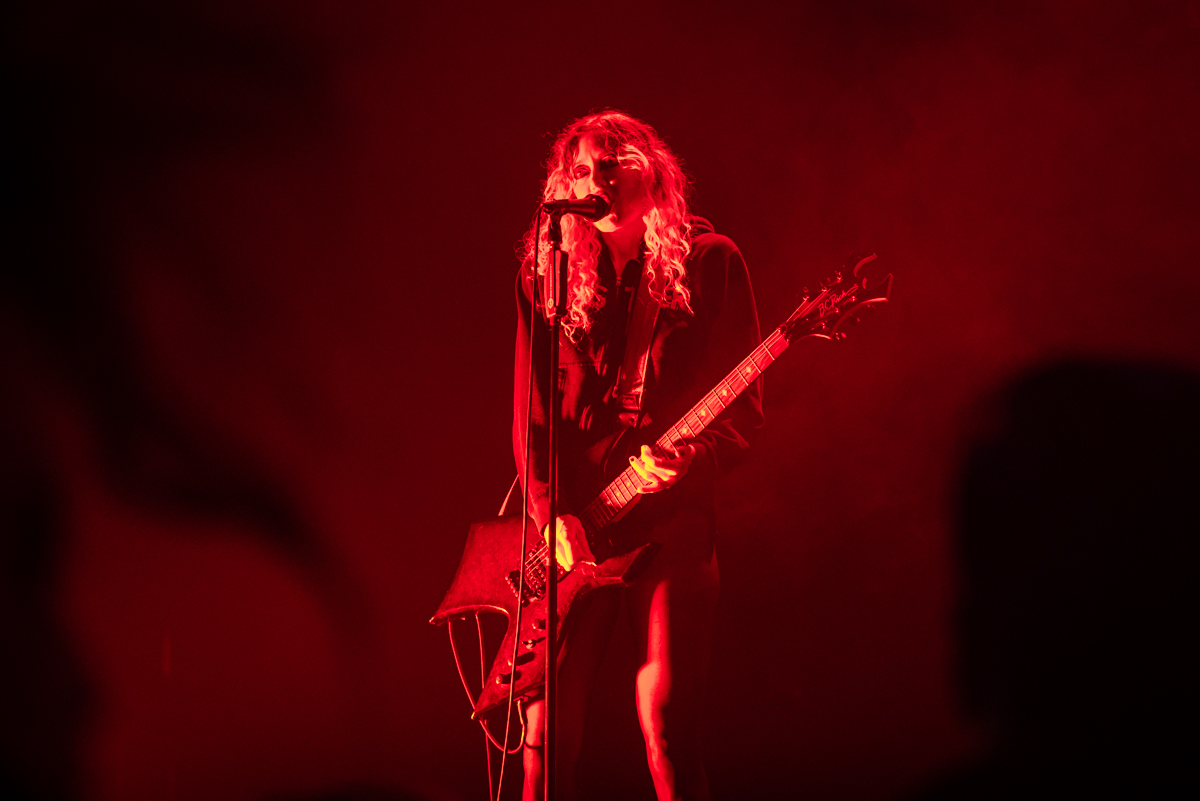
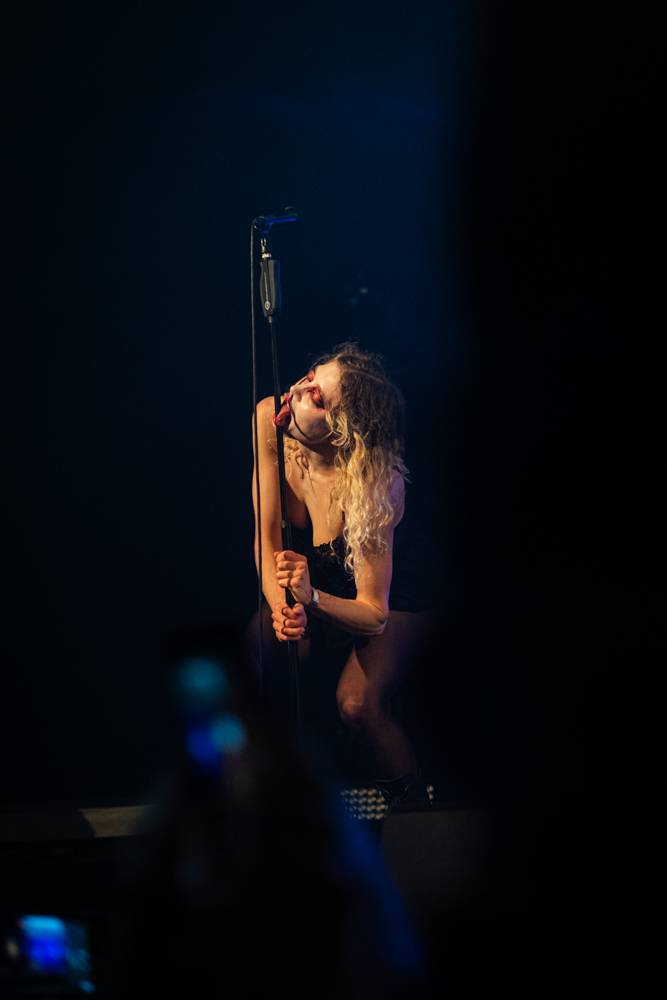
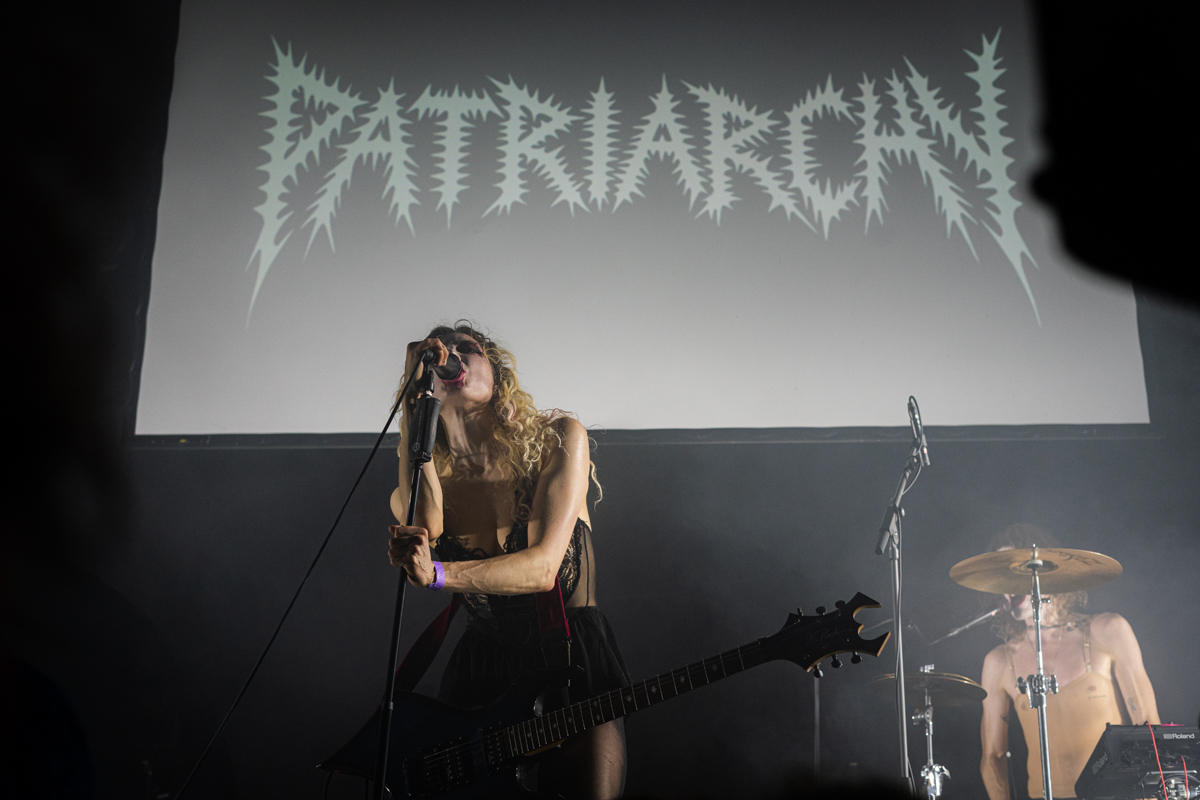
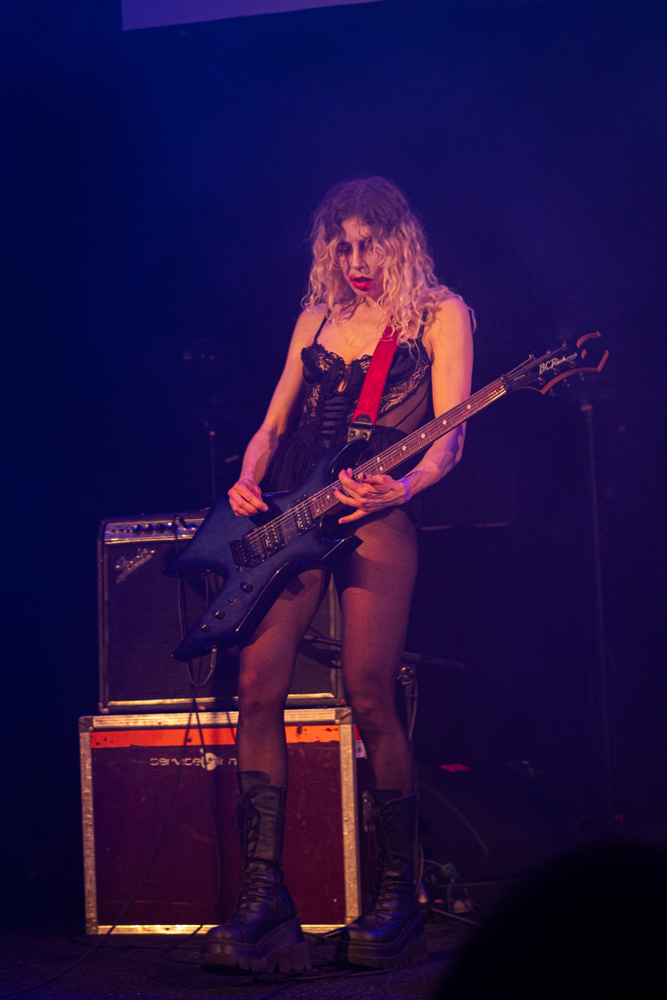
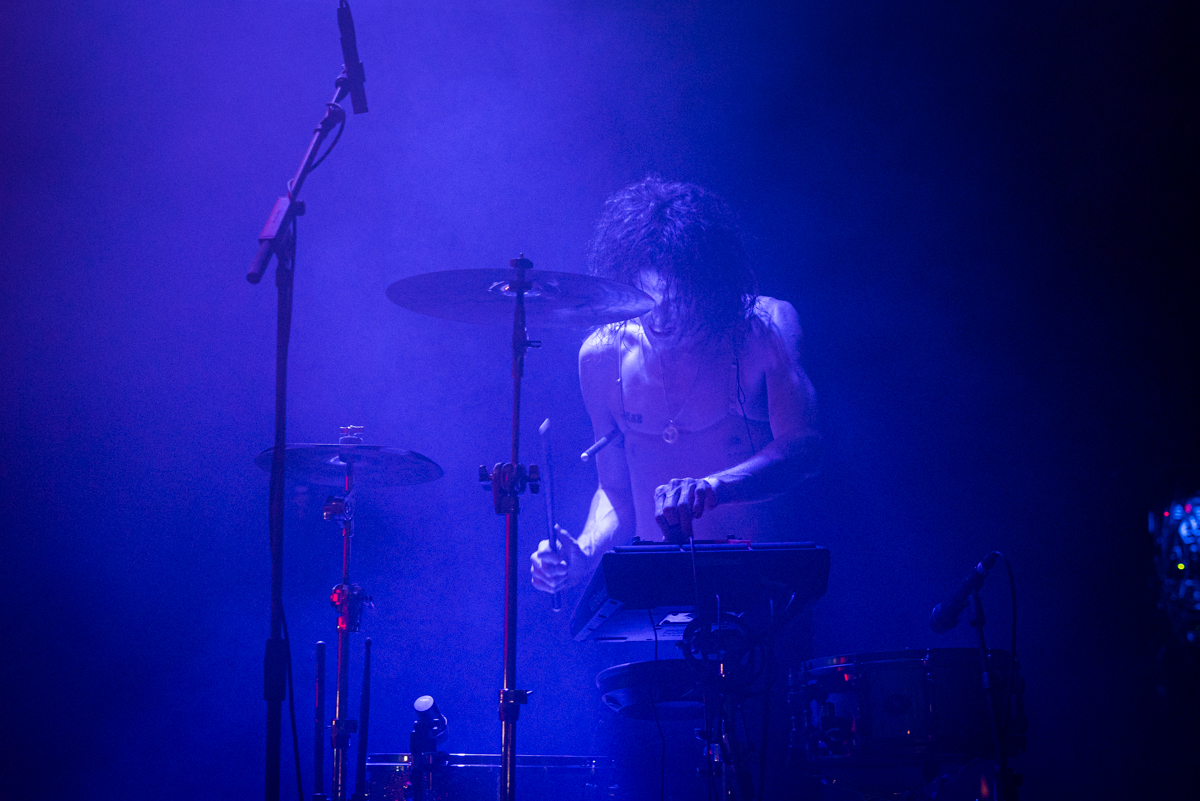
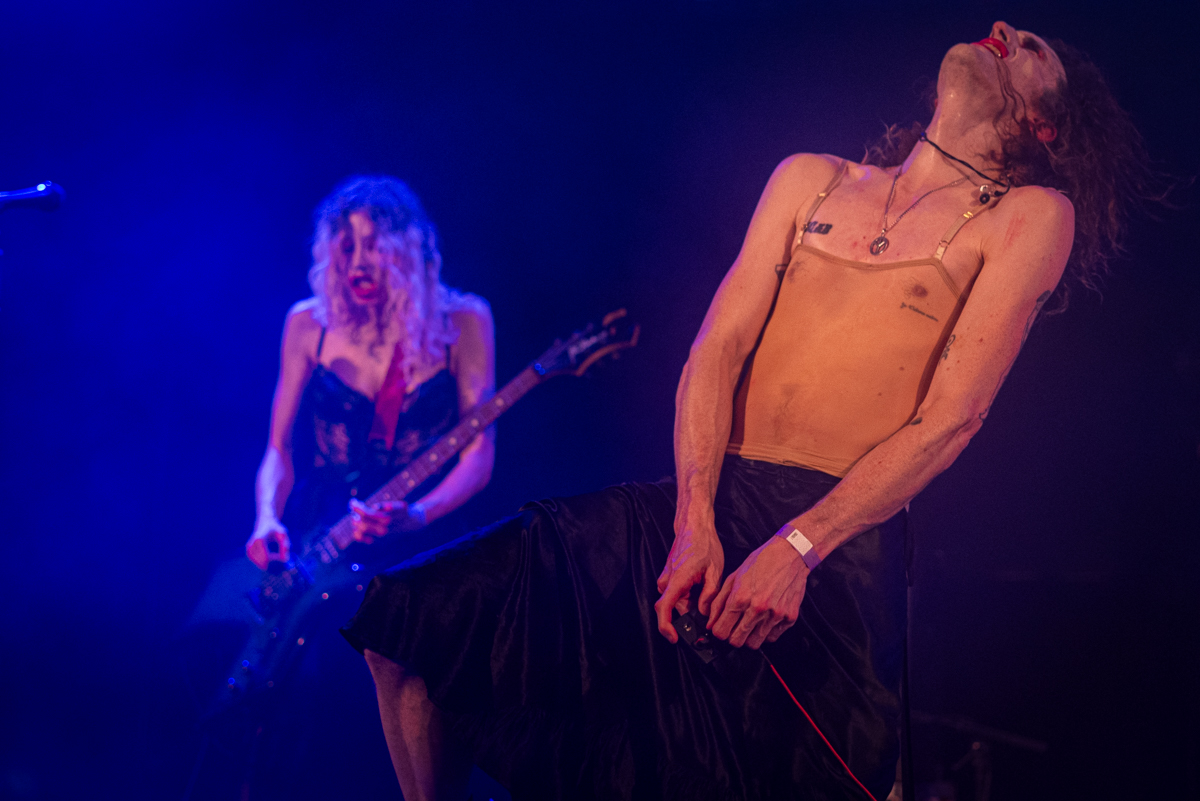
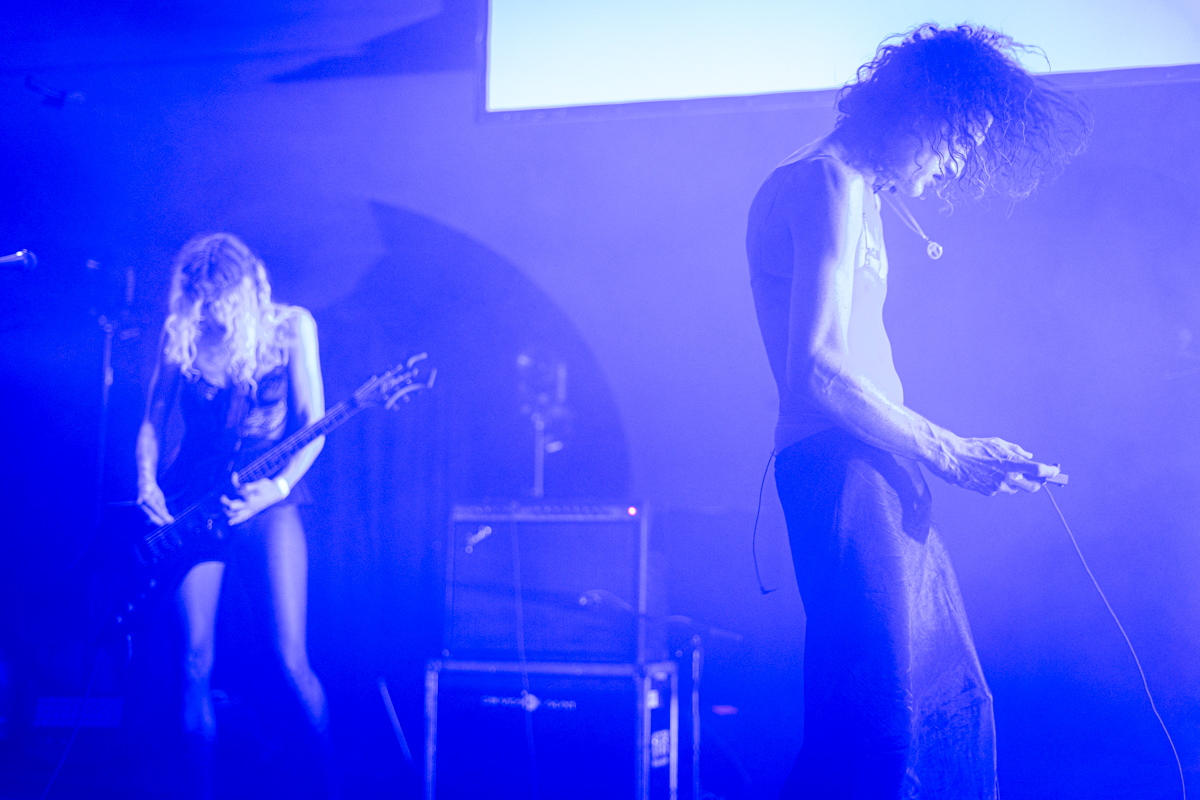
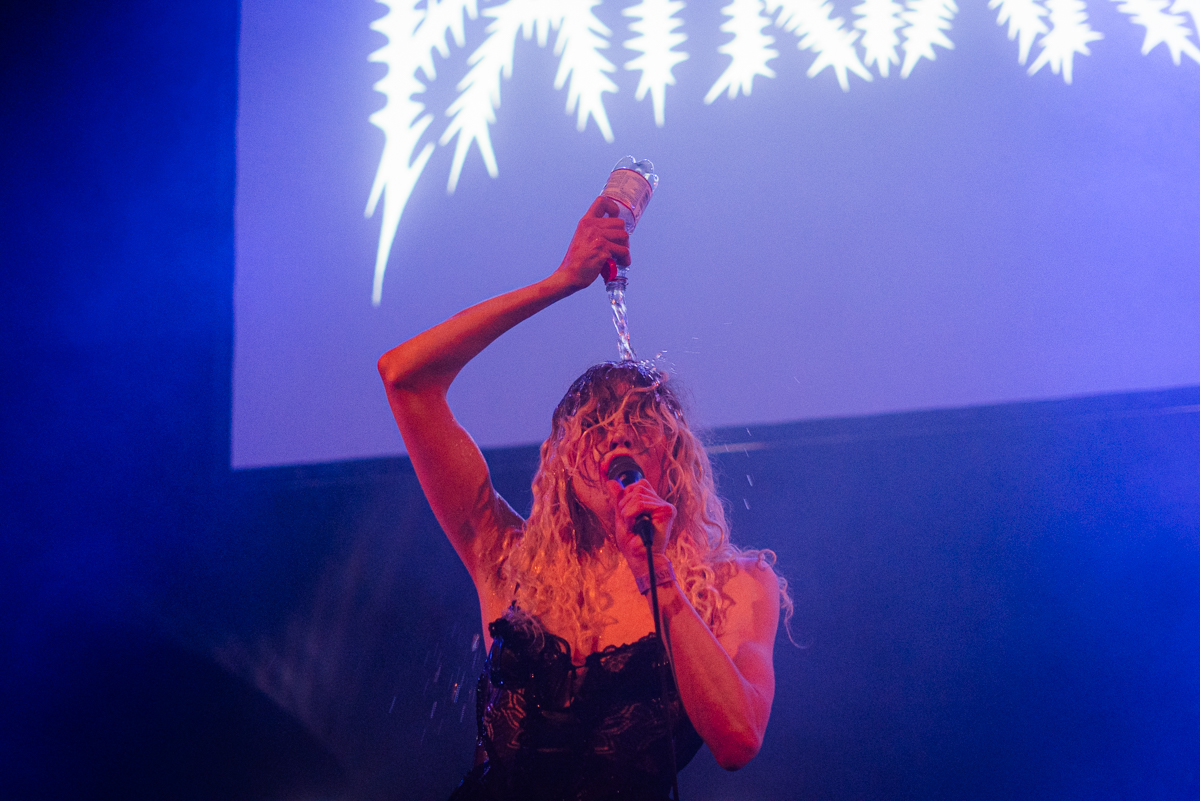
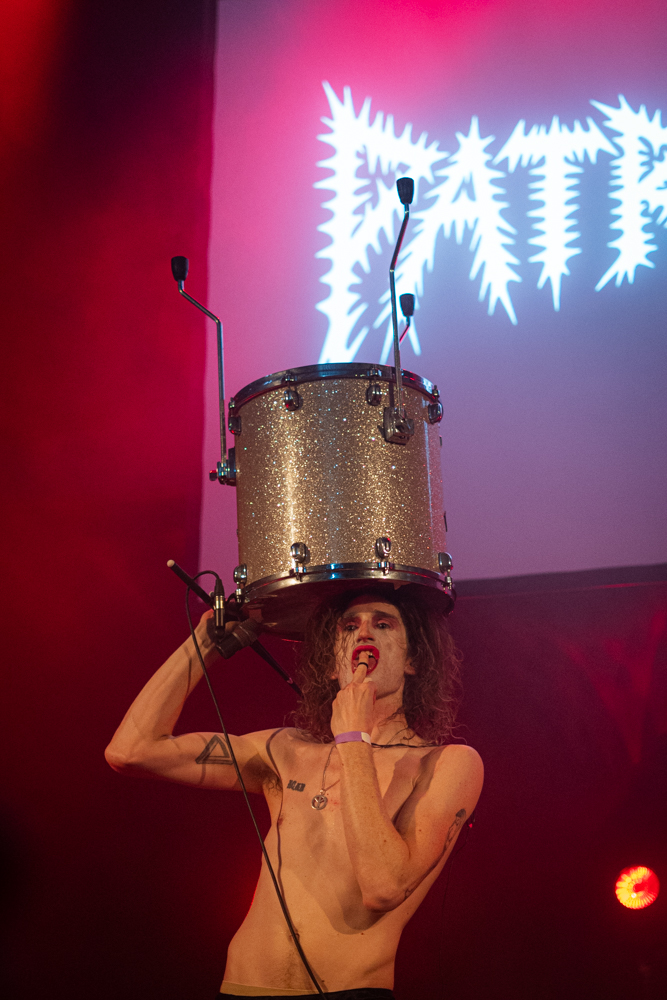
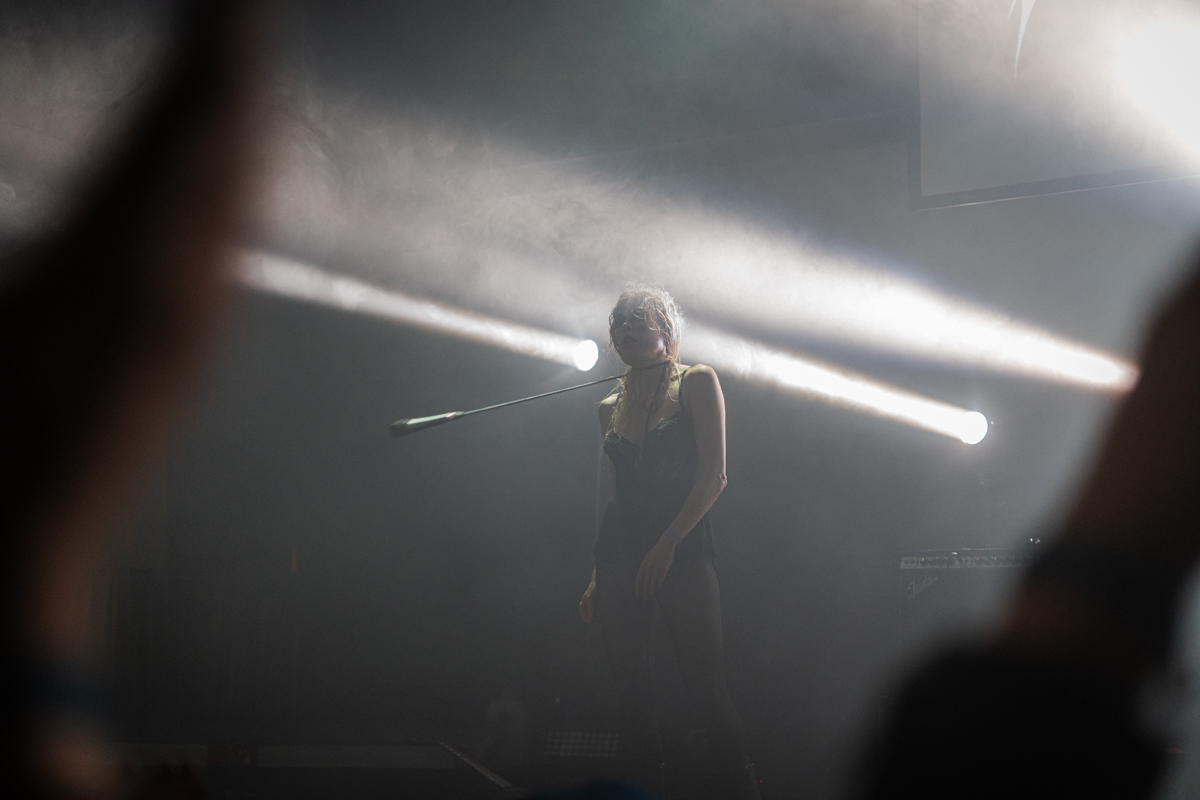
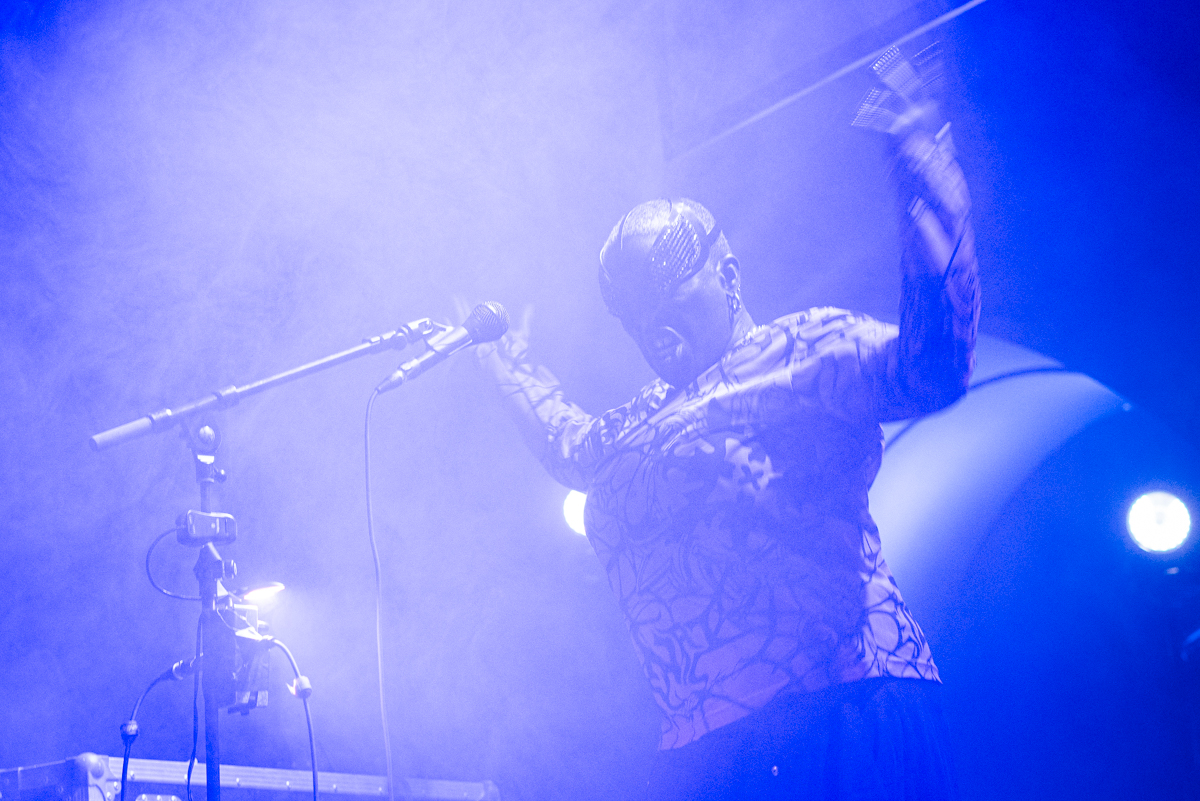
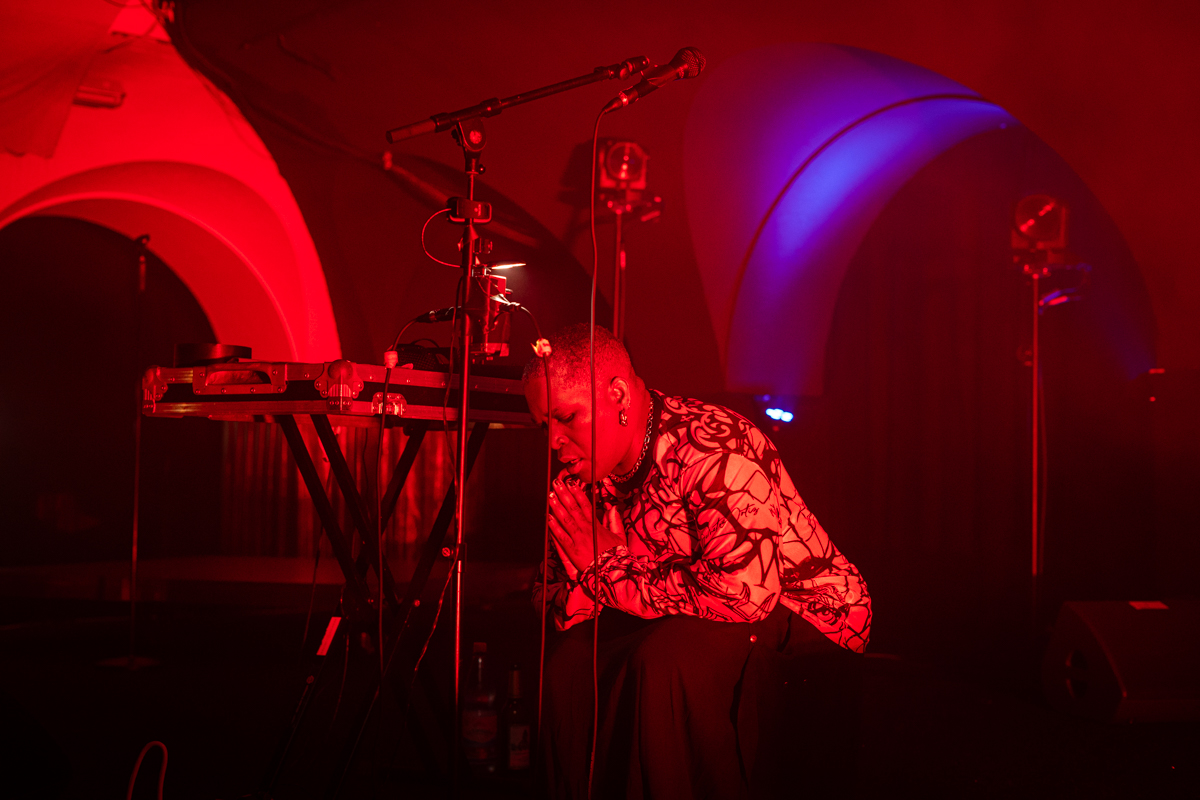
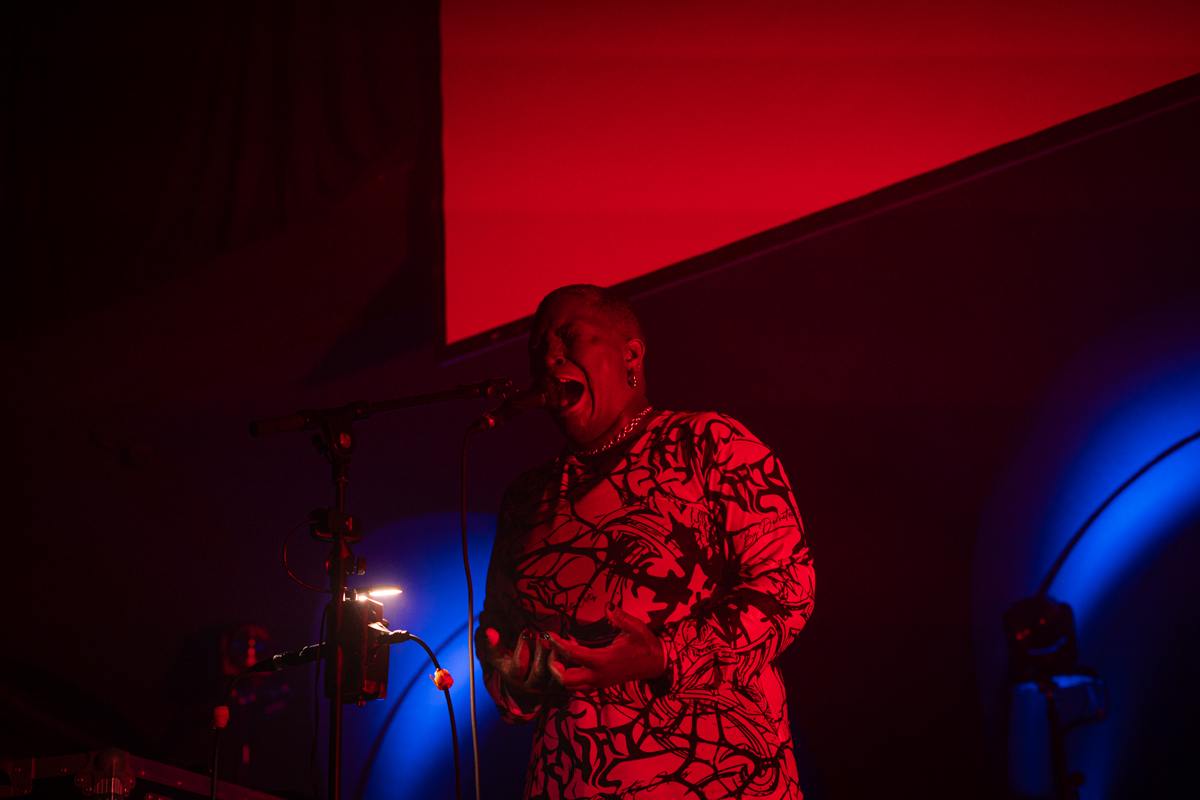
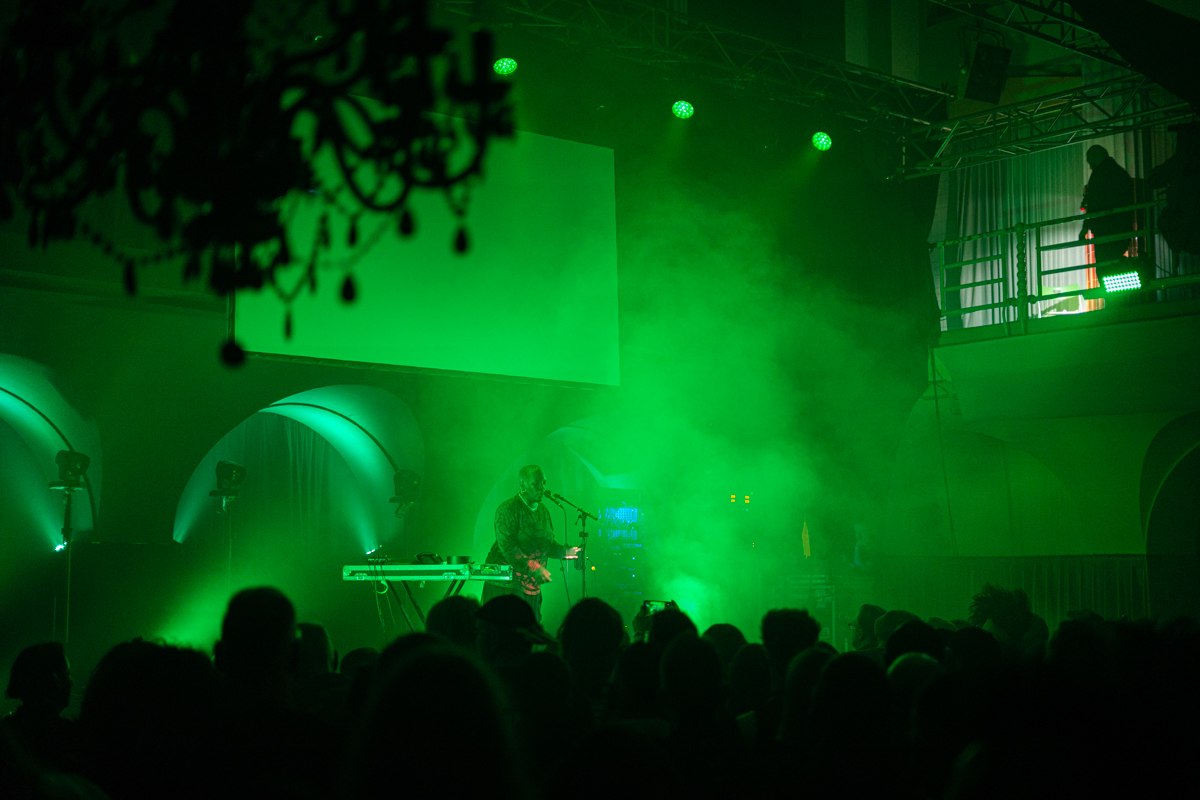
Stadtbad was originally built as a public swimming pool, but in 2013 it was renovated and opened as a concert hall. Despite this, the interior still features hints of its former function as a swimming pool. Near the entrance, where the merch stand is usually located, signs for separate men’s and women’s dressing rooms can still be seen in the foyer, where tonight’s headliners are likely getting ready for their performances. I wonder if the lockers from the changing rooms are still there somewhere? Beneath the floor of the main hall, the depth of the pool remains; naturally, it has been leveled with the floor surface, but when people walk on it, it creates a springy, rubbery sensation, as if there were still water beneath. One year, it made me so nauseous that I had to go to the edge of the hall and sit down. I’d really love to take a guided tour of the building so that, as an architecture enthusiast, I could see all the other additional rooms, saunas, and small halls, which I hope have been preserved close to their original state. There are probably plenty of hidden gems there, if the online galleries are to be believed. Of course, you can’t access the other rooms during WGT.
One concern is how to actually get in to see the more popular artists, especially if you’re coming from the other side of town after a previous concert. Artists like Patriarchy draw huge crowds, and if you arrive too late, you might find yourself in a really long line, which also includes people who’ve stepped outside for a moment to grab a bite at the food truck in front of the venue. Fortunately, the crowd had arrived early this time; there was a line about 50 meters long outside, and the venue still had plenty of room. But there have been lines that snaked around the building, stretching to the end of the street and disappearing around the corner.
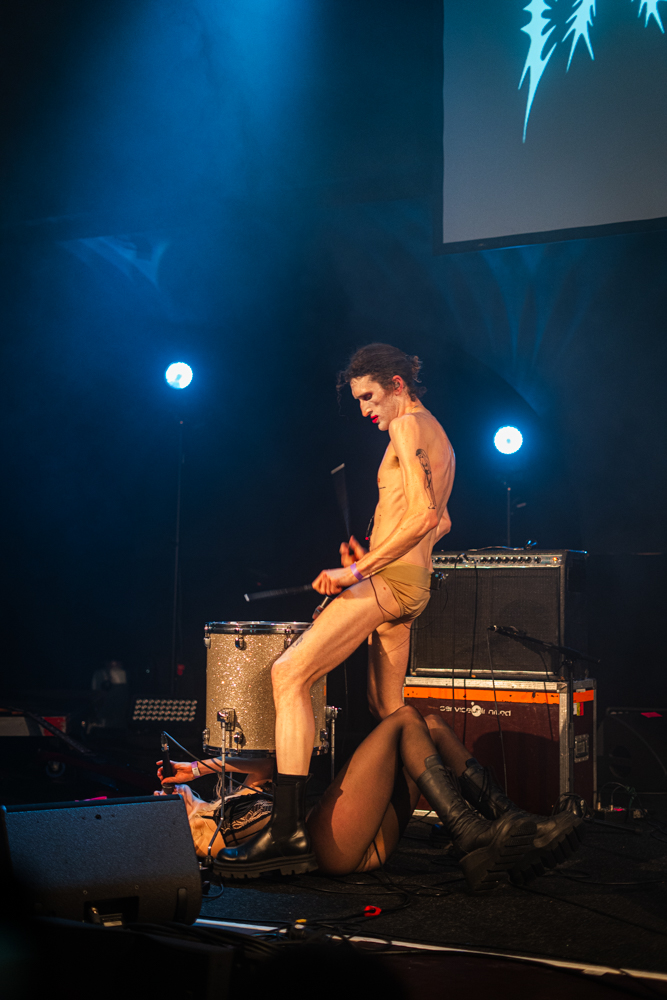
The most memorable concert of the evening was probably given by the LA duo Patriarchy, whose performance was as full of erotic rock ’n’ roll as it was of chaos, during which microphones flew all over the stage and the sound engineer had to go looking for them several times with a slightly exasperated look on his face and reconnect them. So Patriarchy’s frontman, Actually Huizenga, was forced to sing into the bass drum’s microphone, for example, after he’d flung his own mic stand into a corner of the hall. The sound engineer then dragged them back to the center of the stage and tried to reconnect them. I was really looking forward to their show at the festival; I had a feeling it might be one of the festival’s highlights, and I definitely recommend checking out Patriarchy when they come back to tour Europe.
By the way, at their merch stand I saw something that bands don’t usually offer - the chance to buy one-of-a-kind Polaroid photos of the band members in their underwear, which is definitely a pretty original approach in this kind of business. The photos were all apparently at least half a year or a year old, because Actually had welcomed a new addition to the family just before Treffen, and of course nothing from that period is being offered. Best of luck to him, may the next generation be full of energy!
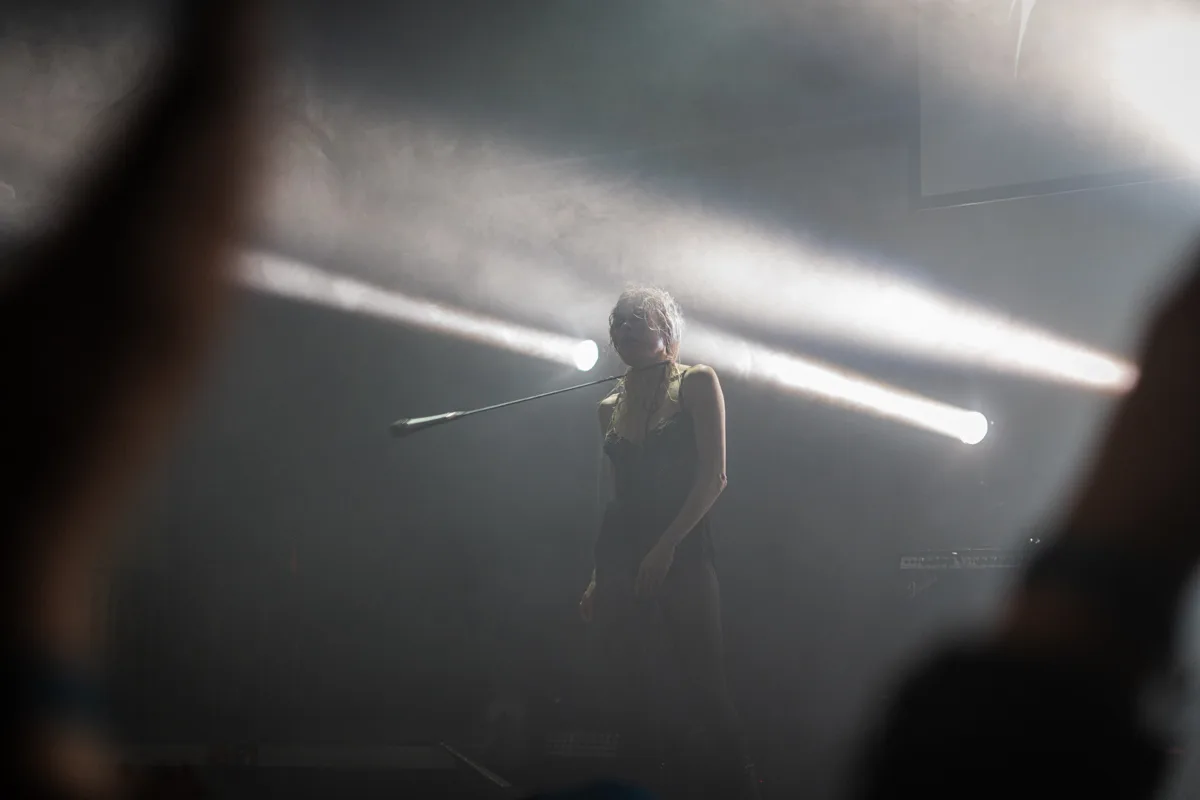
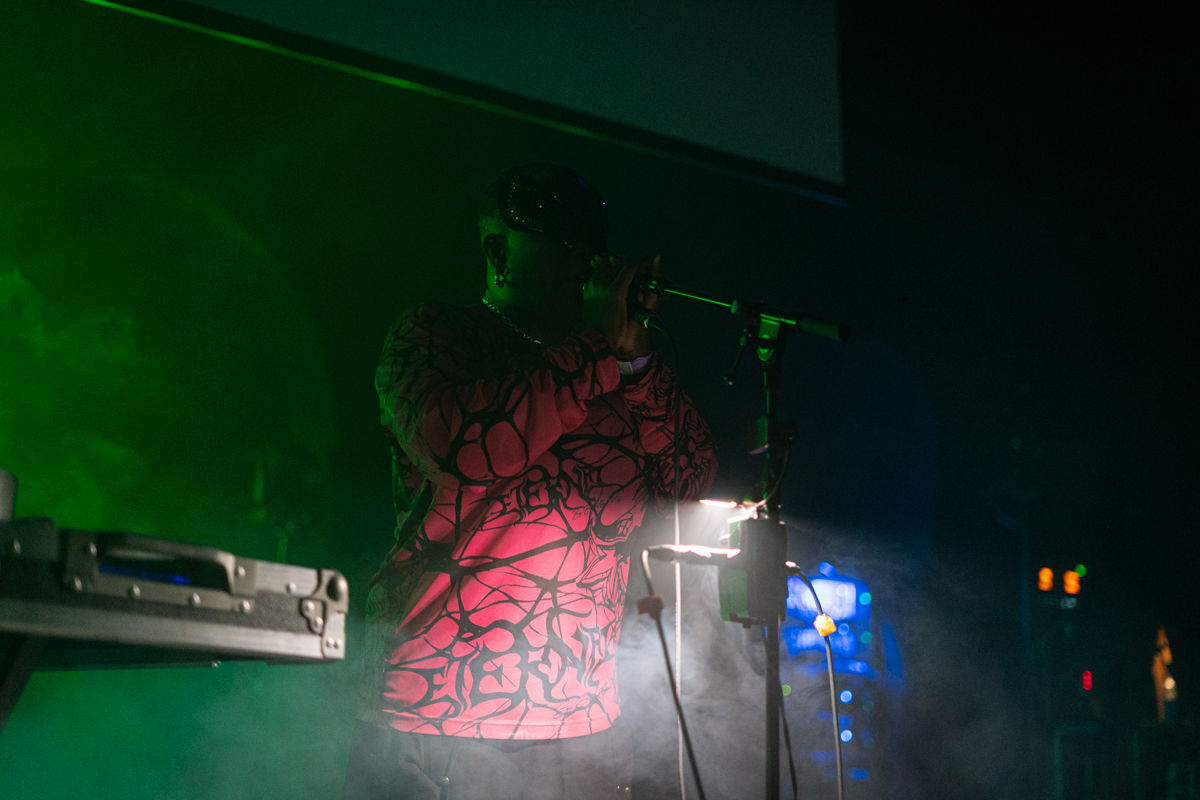
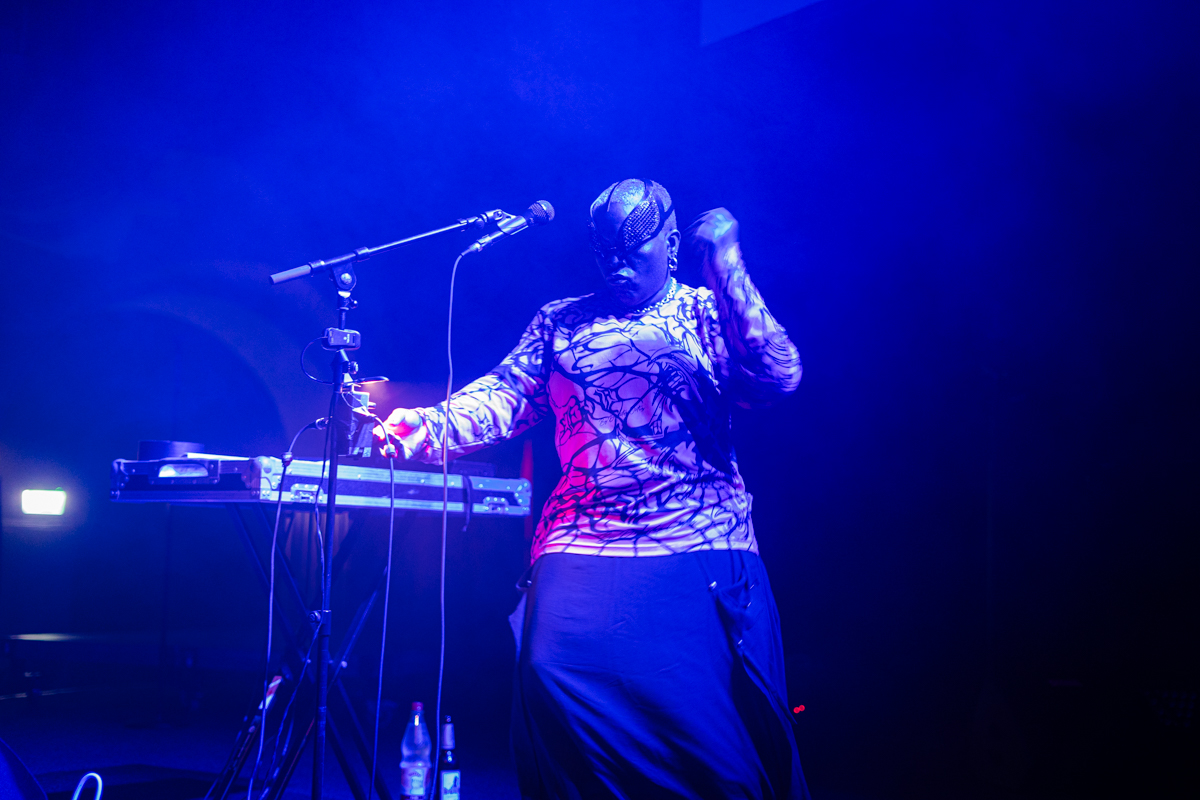
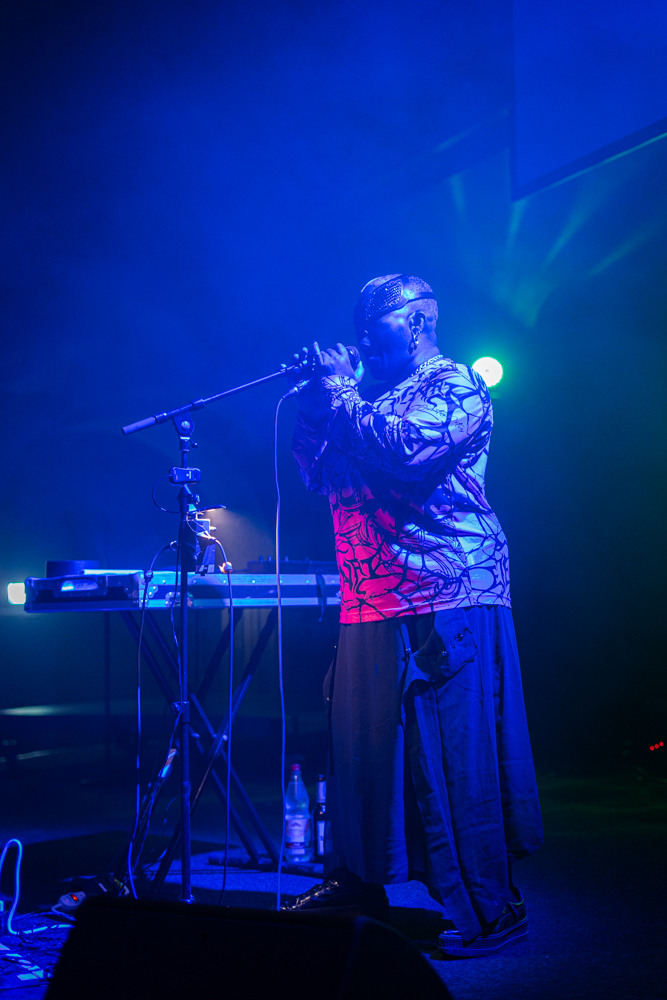
Light Asylum, by comparison, was somehow exceptionally cute and demure. Shannon Funchess, an artist with Brooklyn roots, actually stood on stage a few times before the song began, praying that her equipment would work. Her prayers were answered, and everything was 100% gangsta. At one point, the spider mask covering her face - with its large eyes and sparkling stones - flew off, after which her vocals became even more powerful than they had been before. My dear festival companion, who has frequently played both Patriarchy and Light Asylum for Estonian audiences in her sets over the past few years, was certainly very satisfied. It’s truly great to see your favorite songwriters, whom you deeply respect and whose music you appreciate, performing those very same songs.
We almost ended up waiting for Linea Aspera, whom we had initially decided to see for sure, but our friends recommended going to Täubchenthal instead to experience an extremely important and relevant artist, Klangstabil. And they were playing at the same time on the western edge of the city.
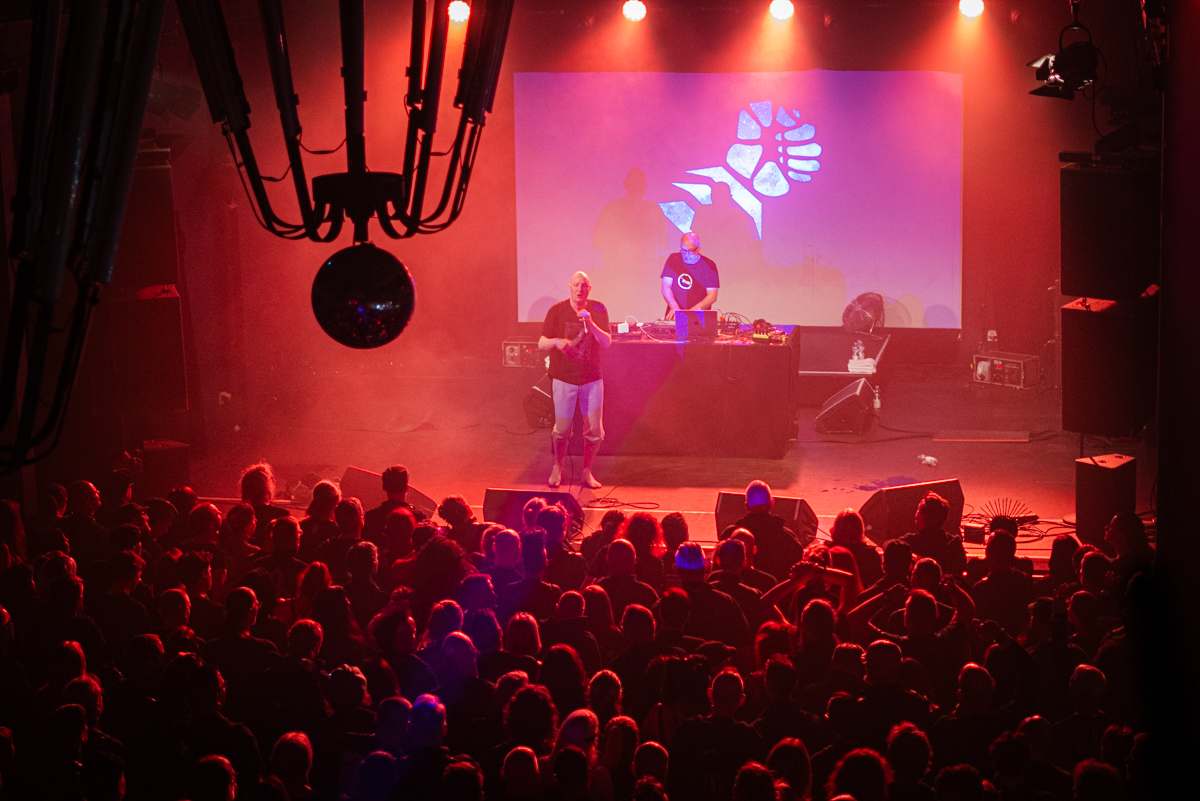
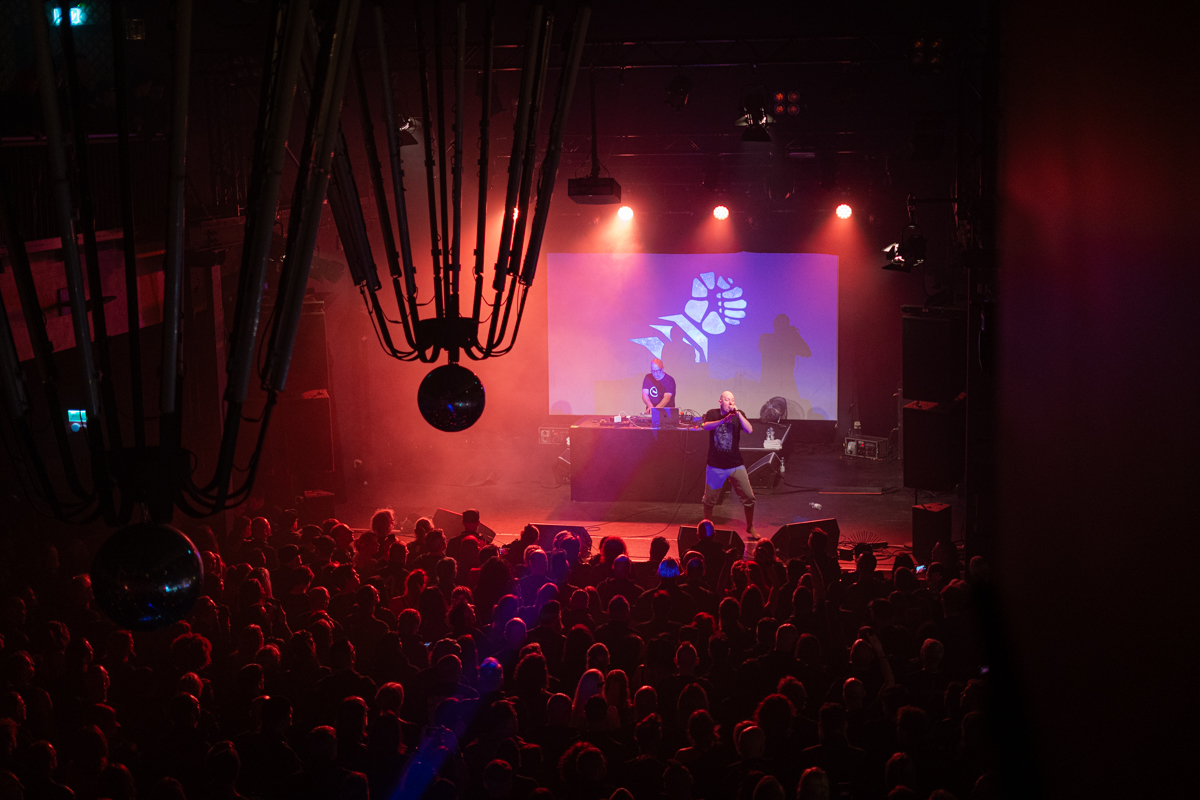
Täubchenthal is a former factory building that has been quite extensively renovated; the industrial atmosphere is further enhanced by the gigantic metal chandeliers hanging from the ceiling, whose style seems to hint slightly at Ralph McQuarrie’s space rockets from “Star Wars”. They seem to be hurtling down toward the audience, cannons disguised as halogen lights, ready to fire. Compared to Estonia, the space also reminds me just a little of the old Rock Cafe atmosphere in the Fahle district: the similar elongated hall and balcony areas evoke a bit of nostalgia for me on the spot, but in Germany, this is combined with a proper bar and beer garden, which we never considered necessary in our rock café. Plus, this industrial area looks a bit rugged at night, which really adds to the industrial party vibe. During WGT, it’s quite common to see rarer industrial and noise artists highly regarded within their scenes, performing right here in Täubchenthal, so it’s definitely worth checking out the lineup this venue offers, and why not take your friends’ recommendations? We briefly checked out Klangstabil’s set and decided to leave a little before the end, because Sunday means the Dystopic Rave afterparty lasting until morning, for which we’d need to make a few sacrifices and save up some energy. It was super cool to listen to industrial mixed with trip-hop in the factory hall with its high ceilings, but unexpectedly, we still found ourselves shivering in the tram line. The evening had turned exceptionally cold.
Dystopic Rave always warms the heart
This is the name of one of WGT’s most important after-parties, held at the city’s most underground venue—Moritzbastei, an underground bastion hall where the most dance-crazy crowd gathers. People literally dance right in front of the DJ booth on stage and atop the subwoofers, partying until morning.
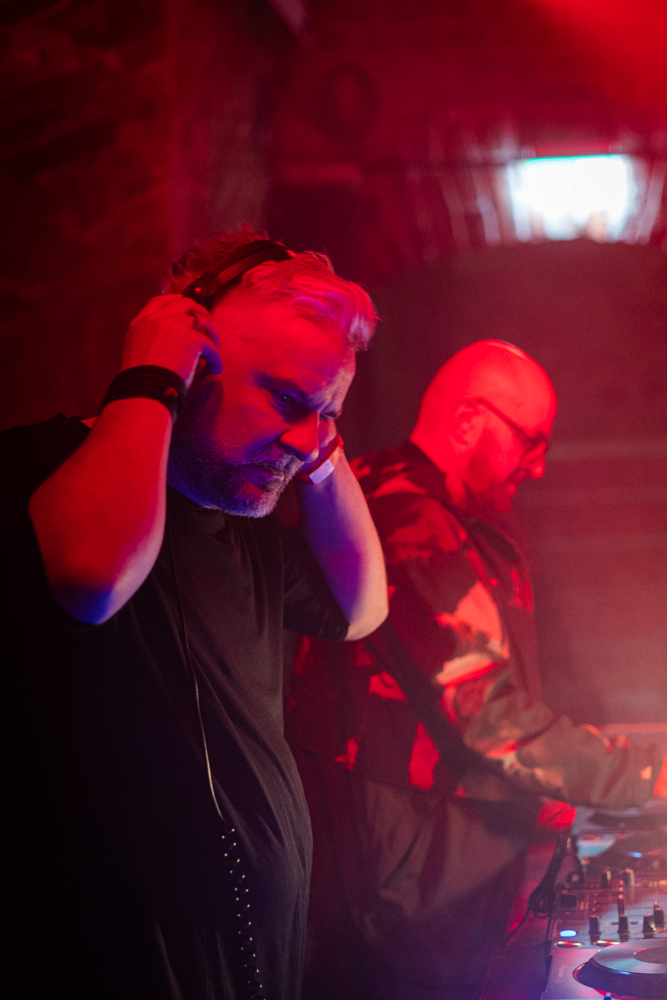
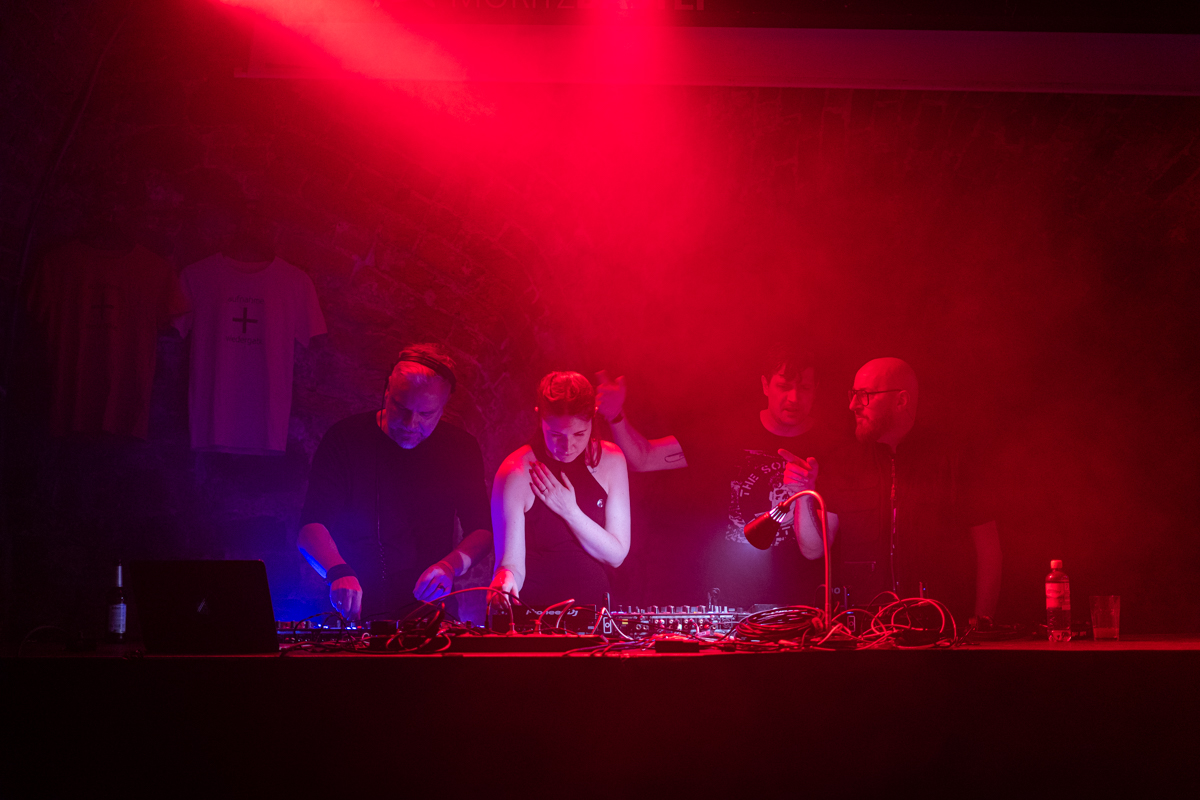
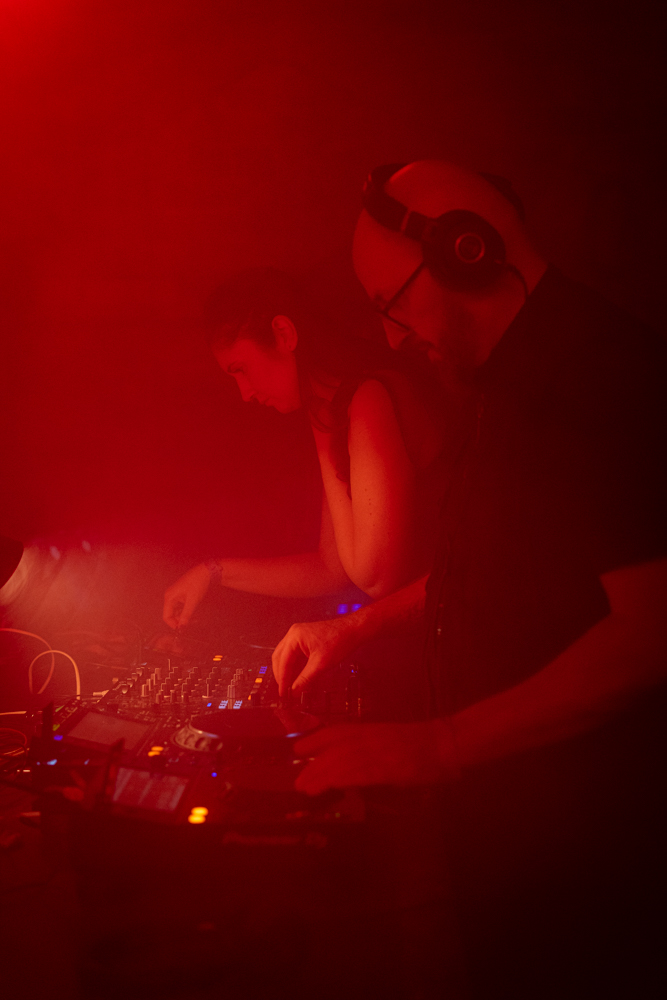
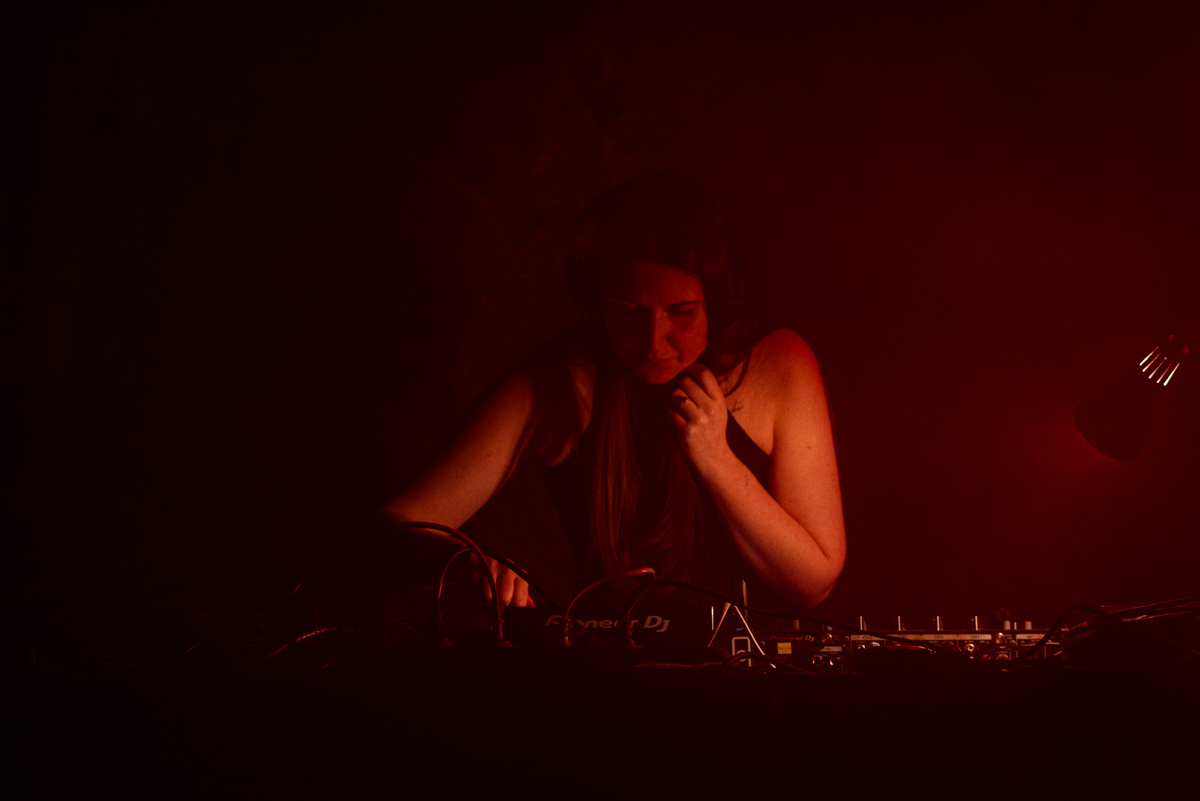
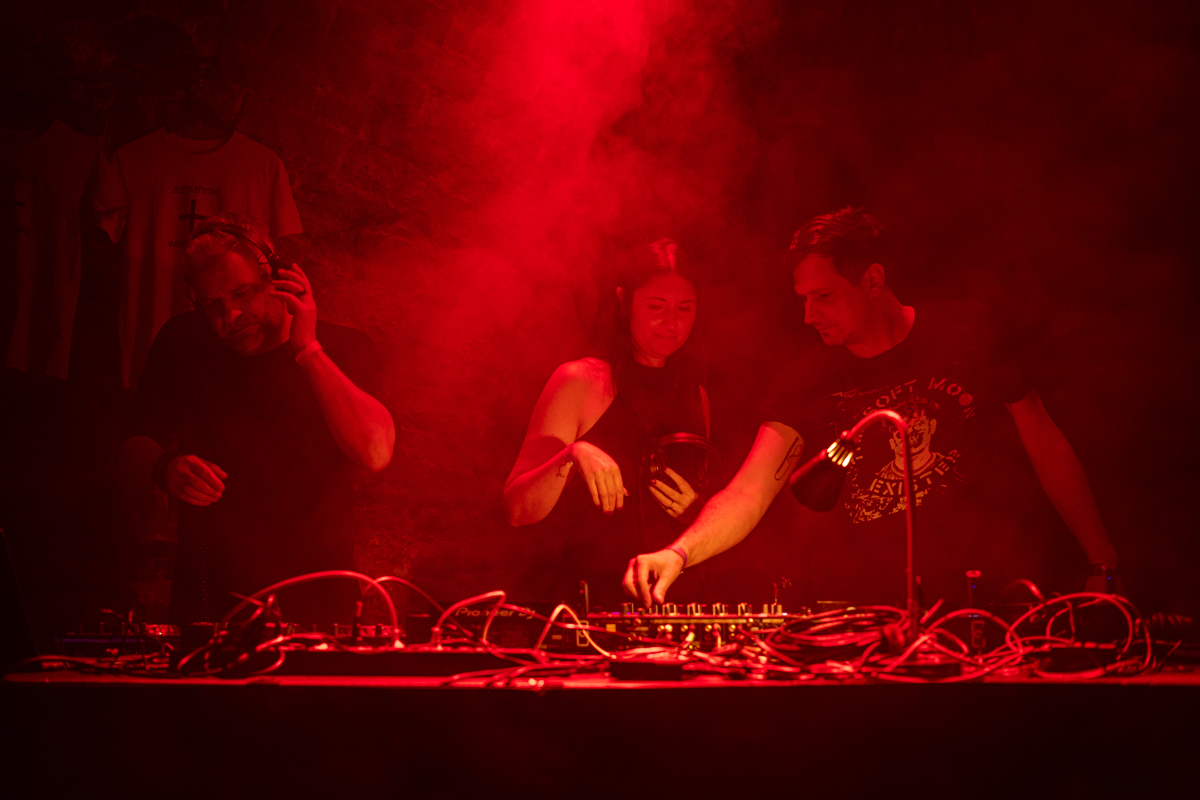
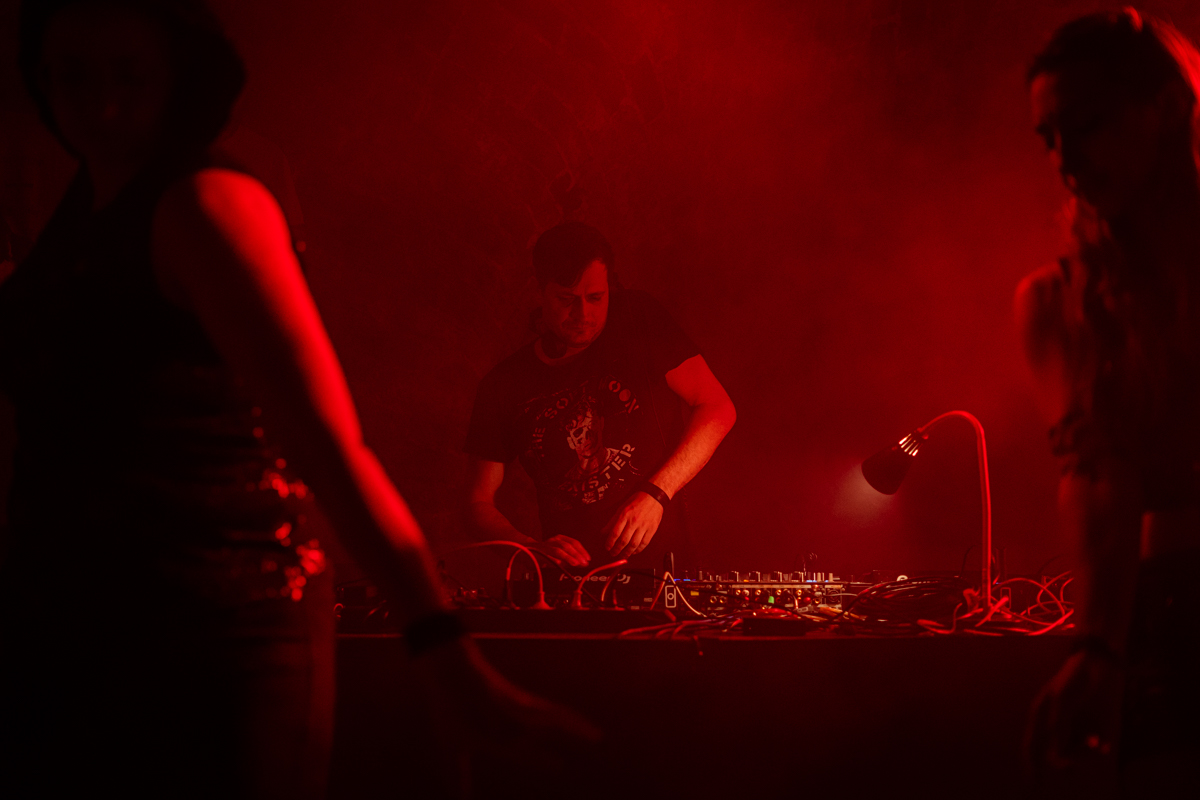
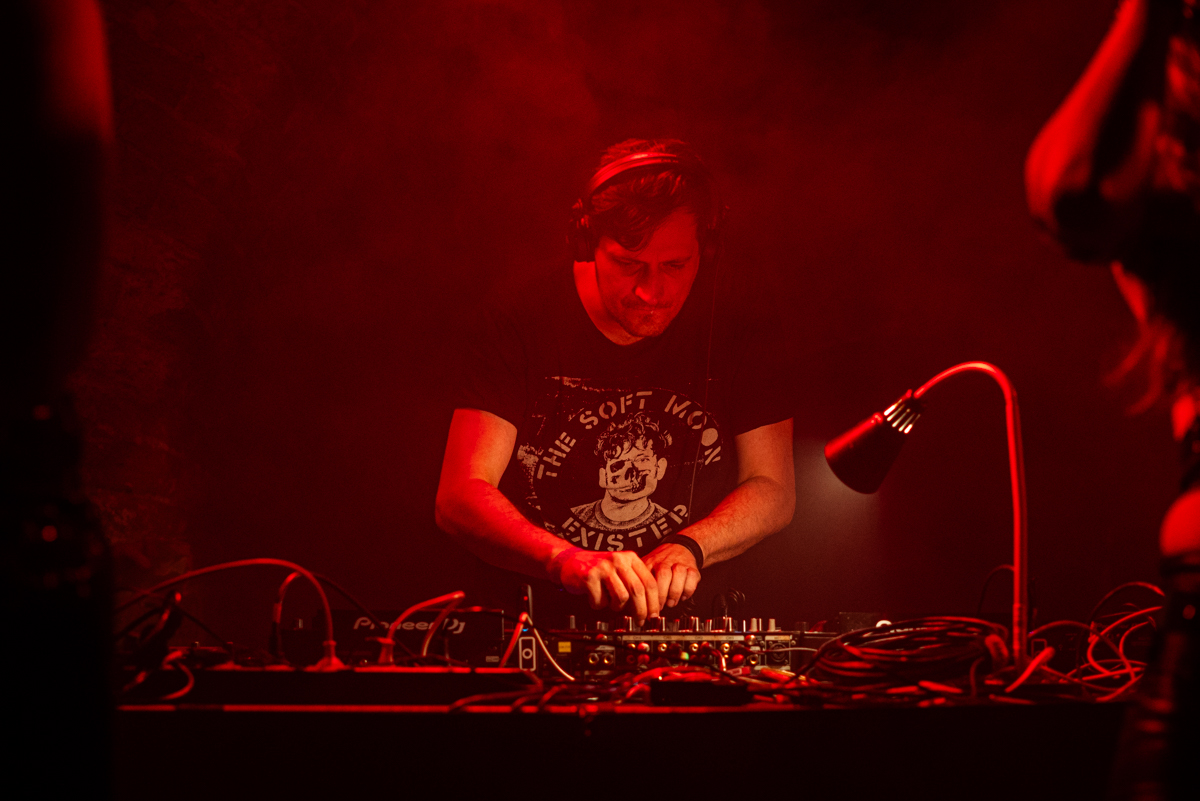
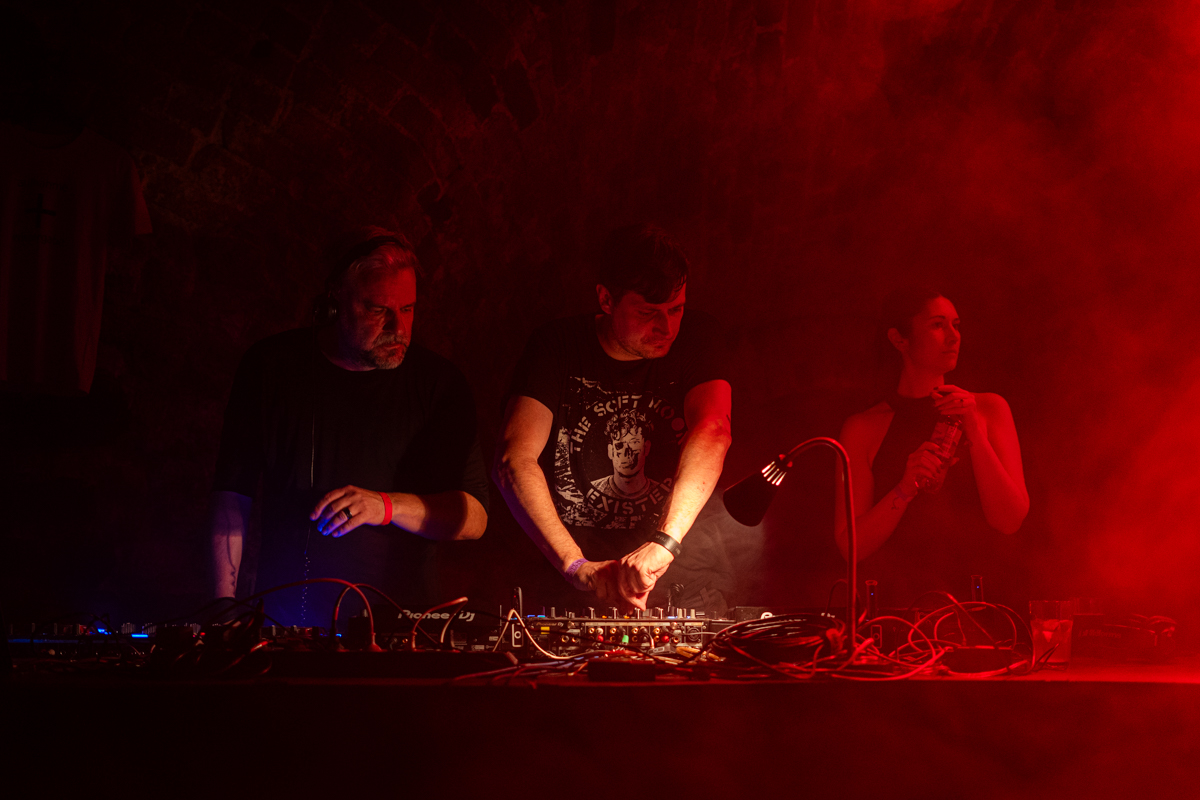
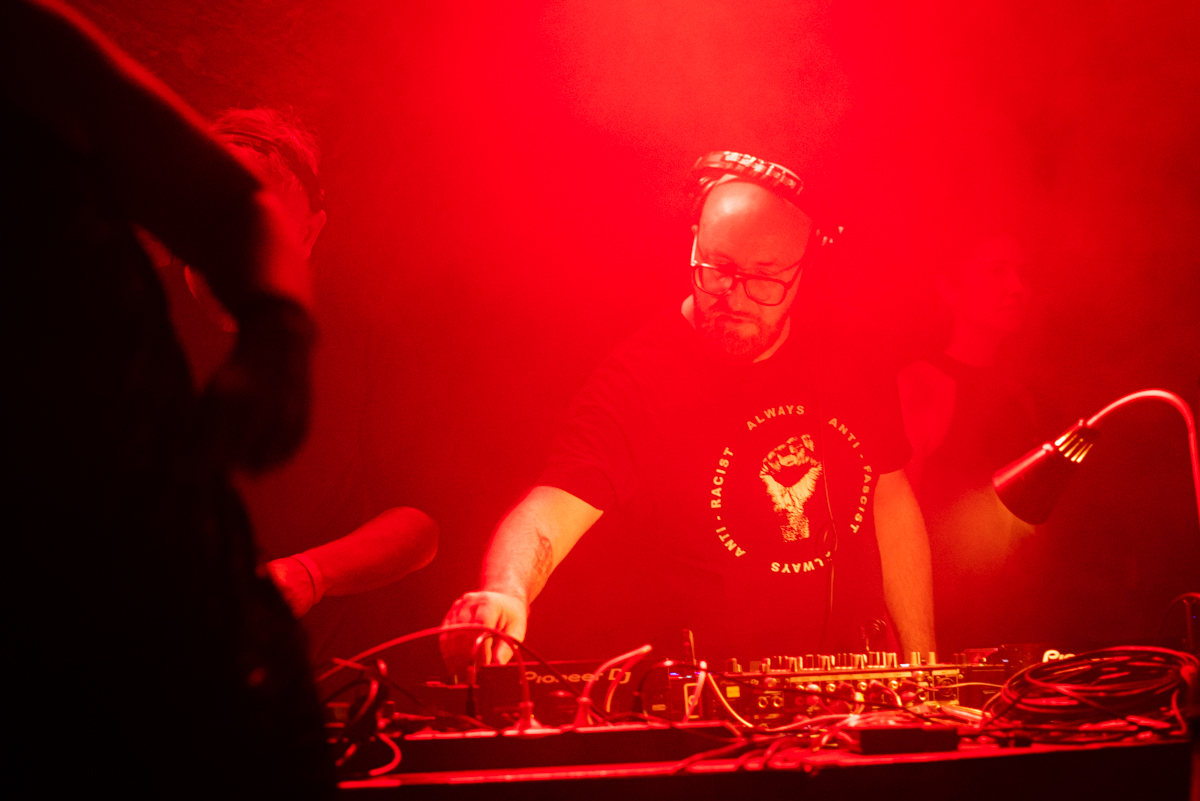
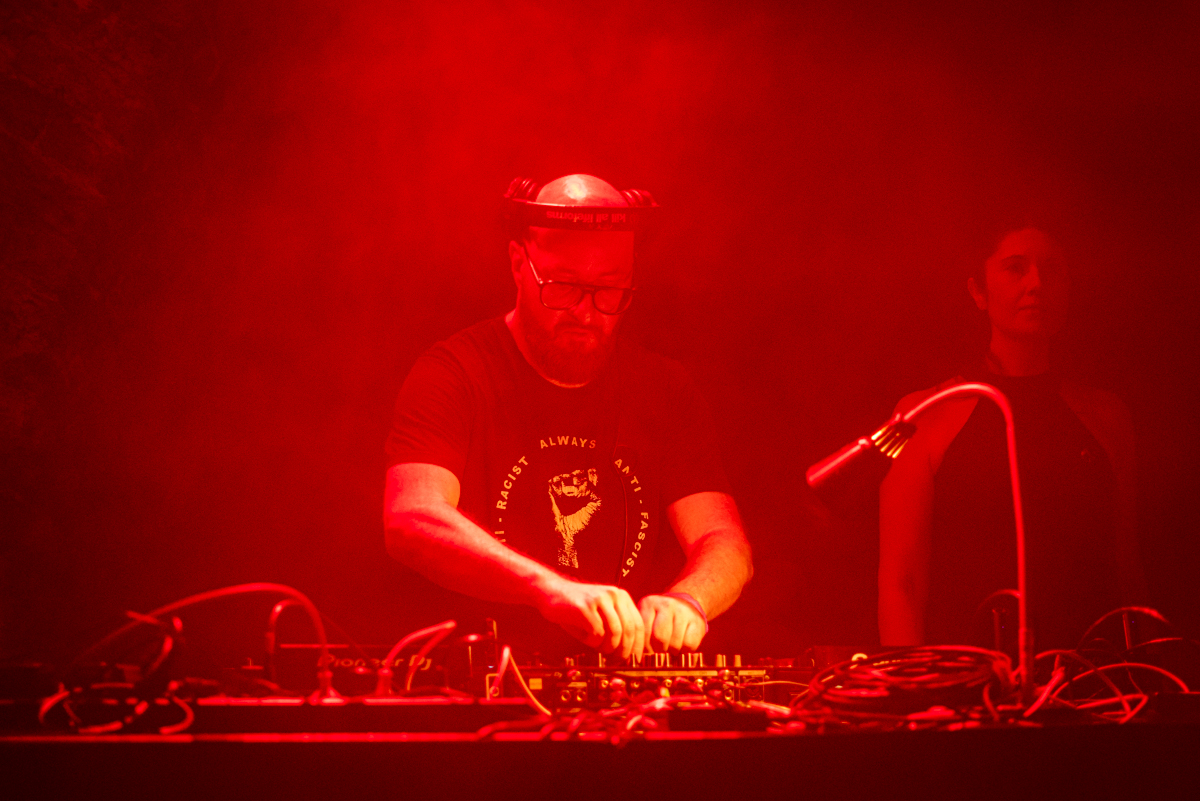
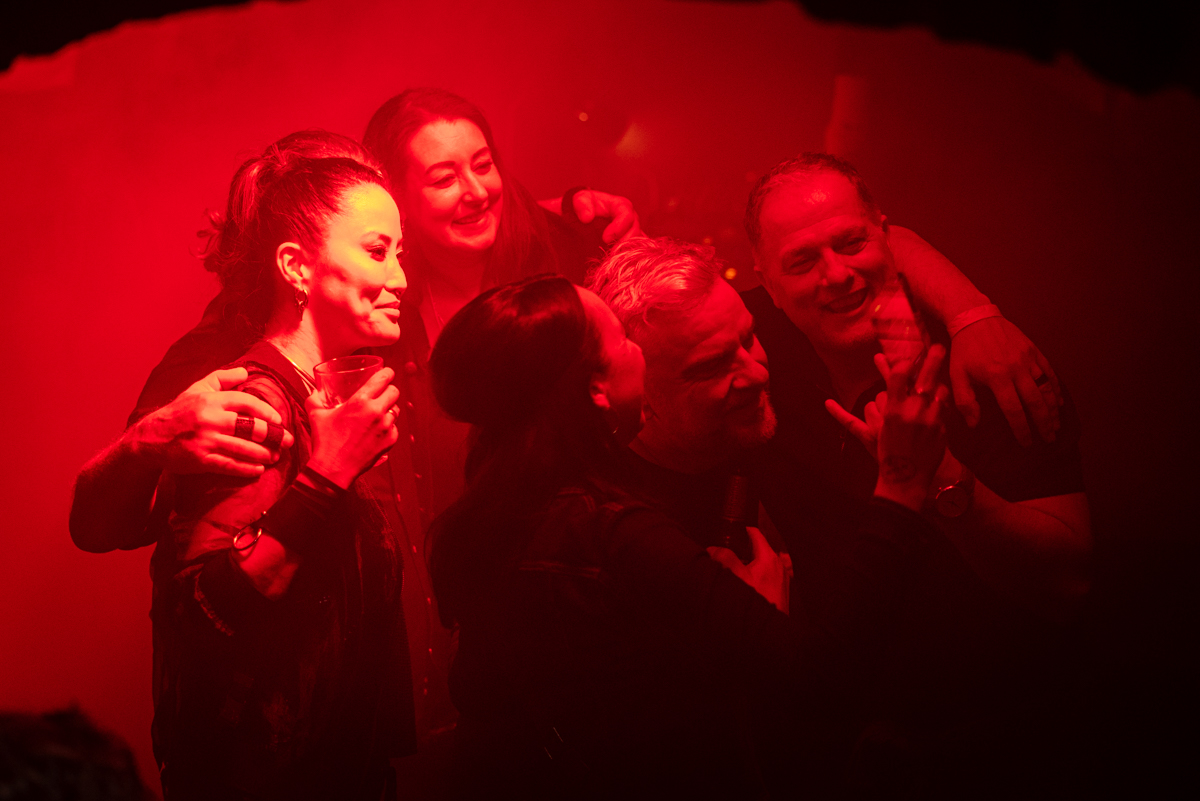
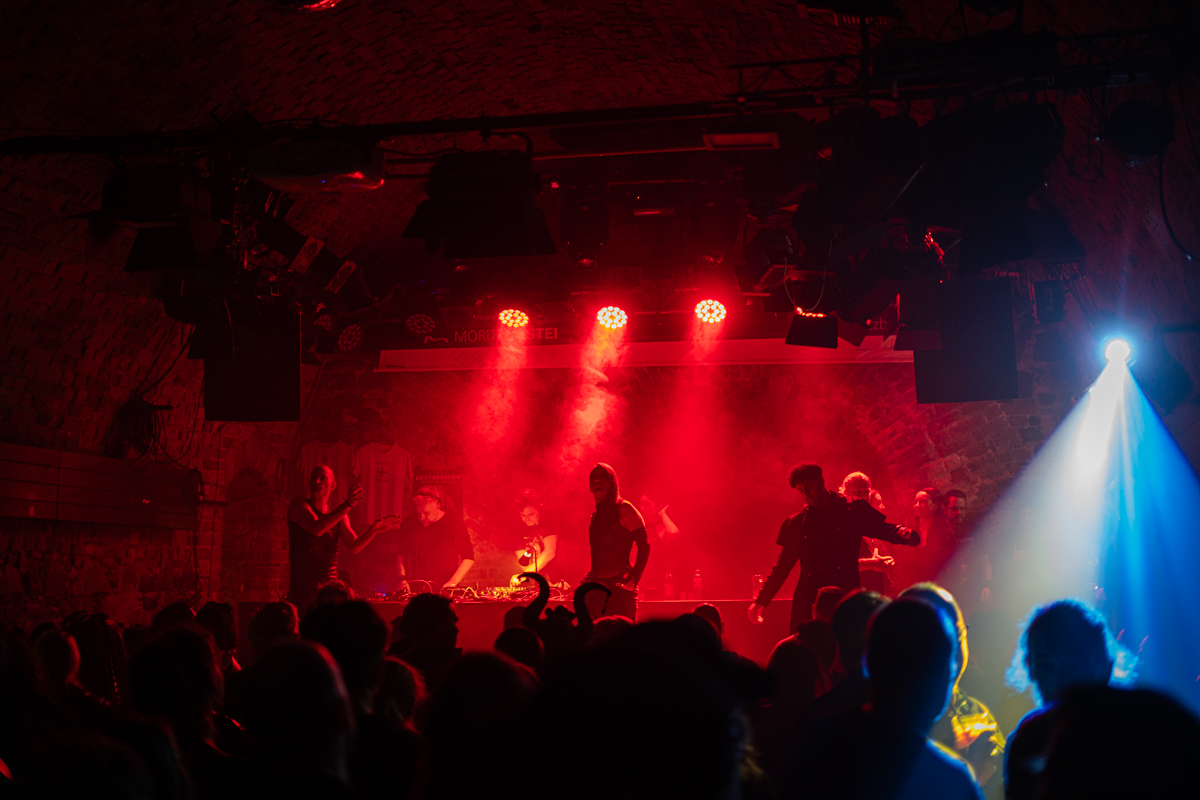
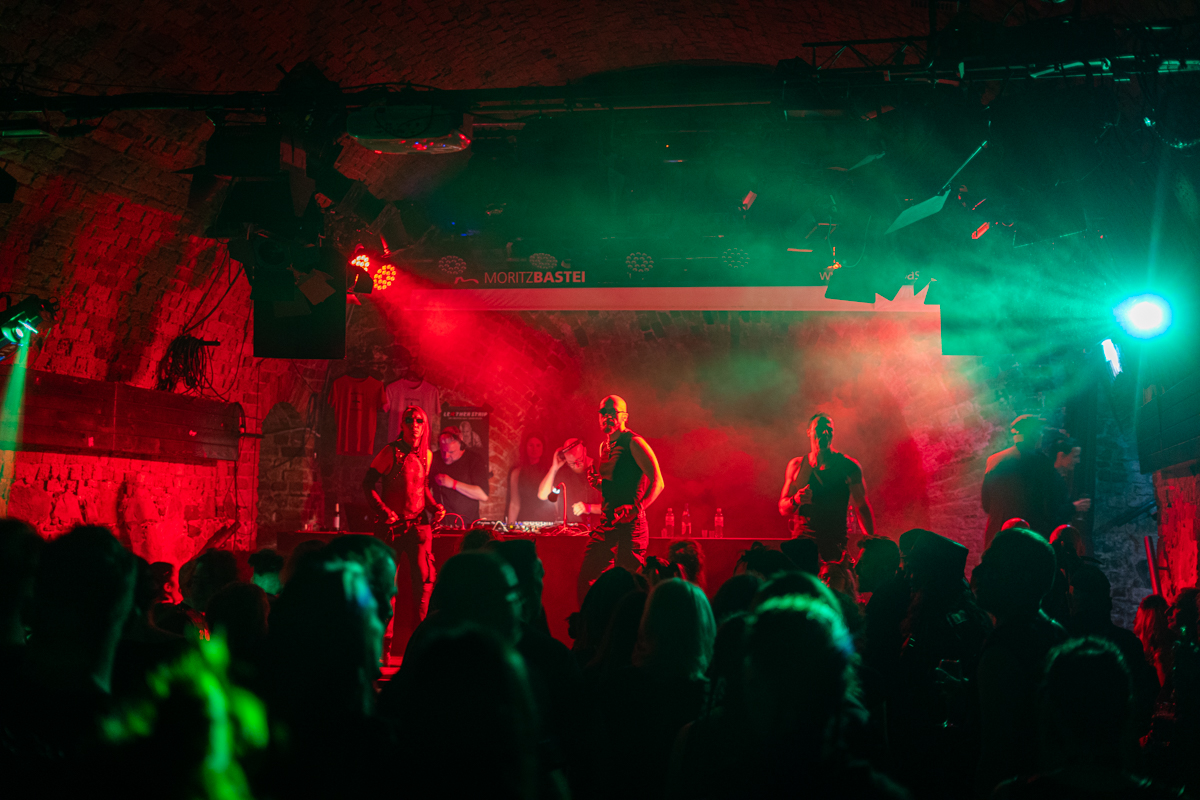
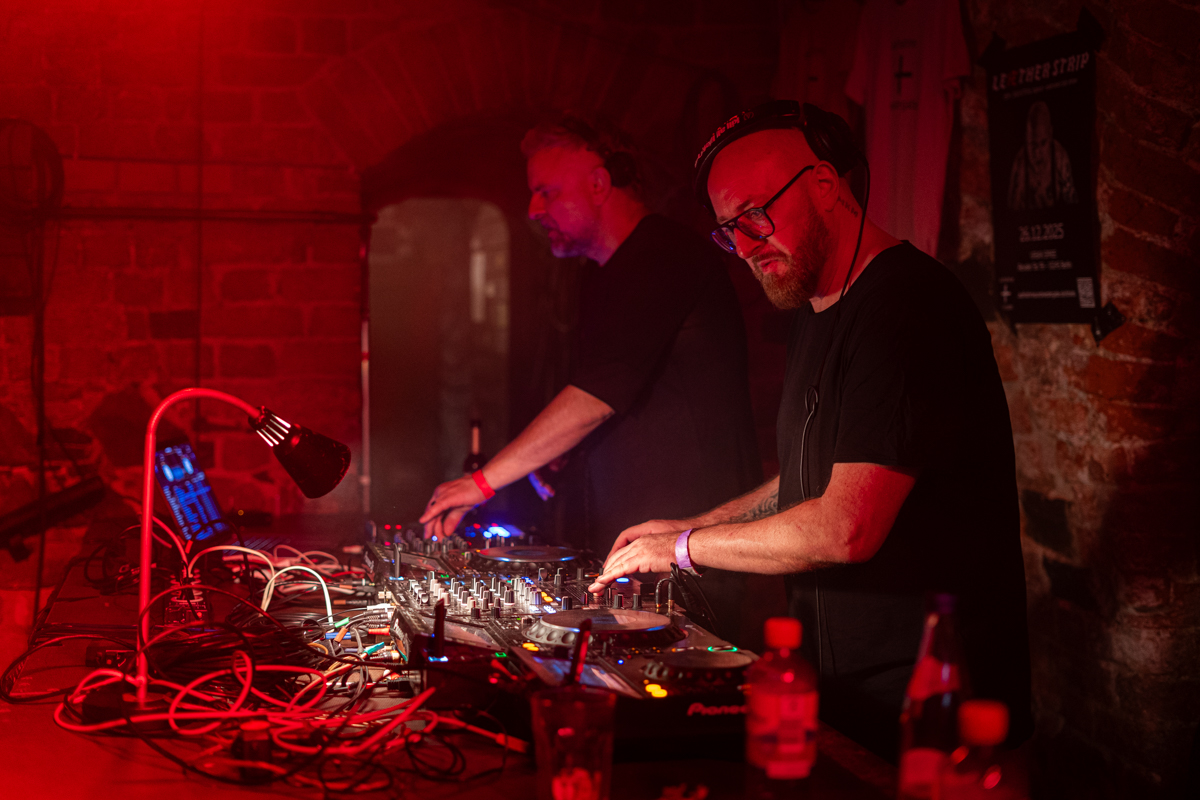
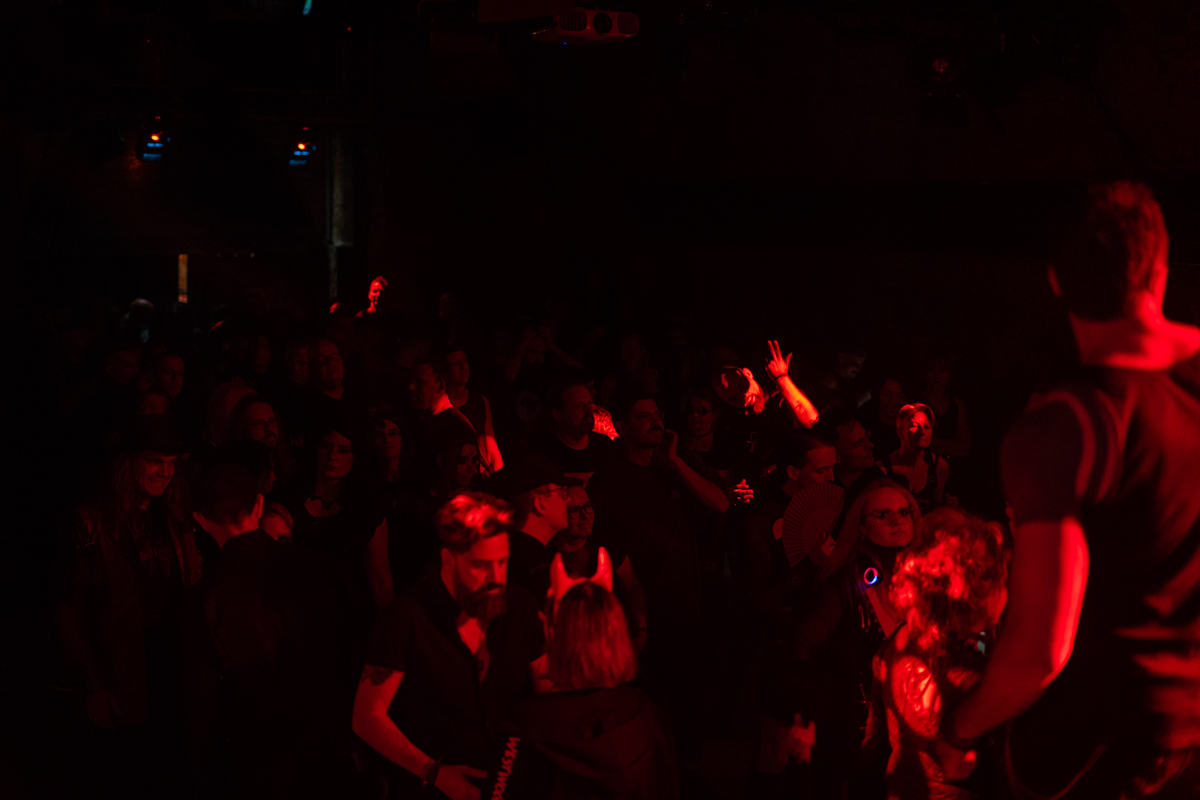
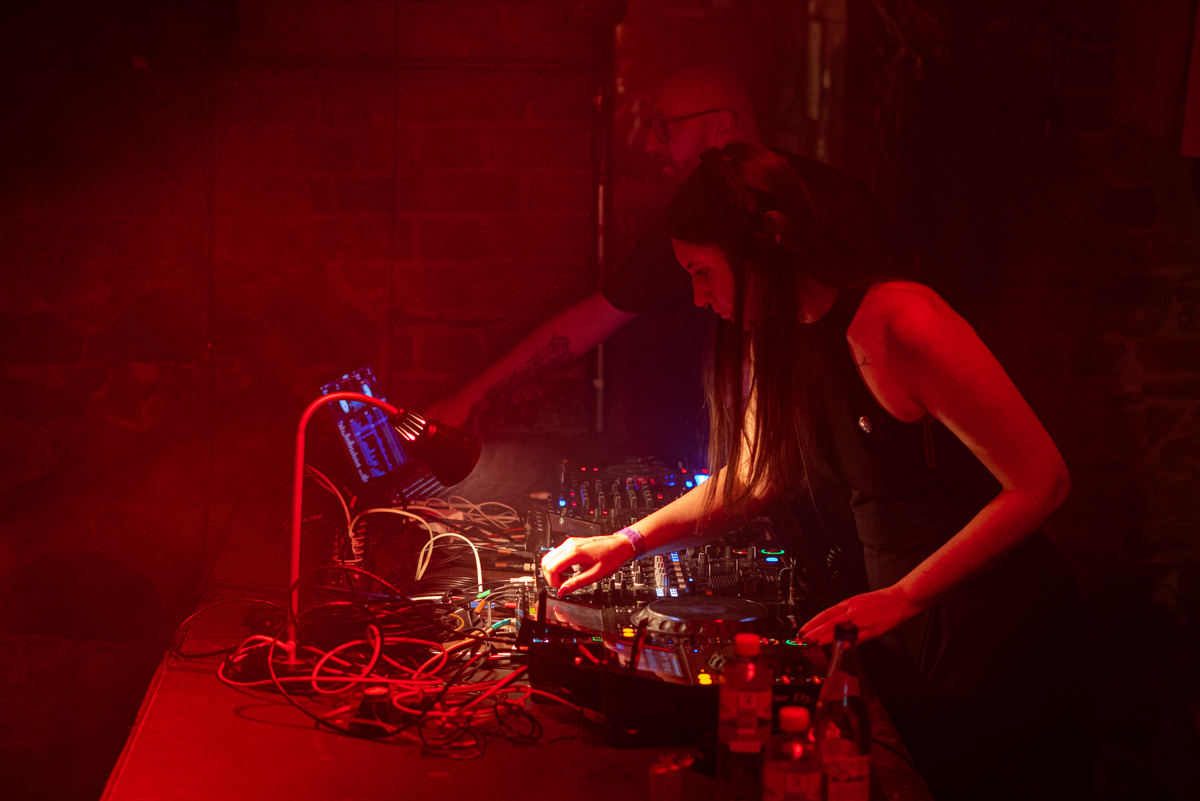
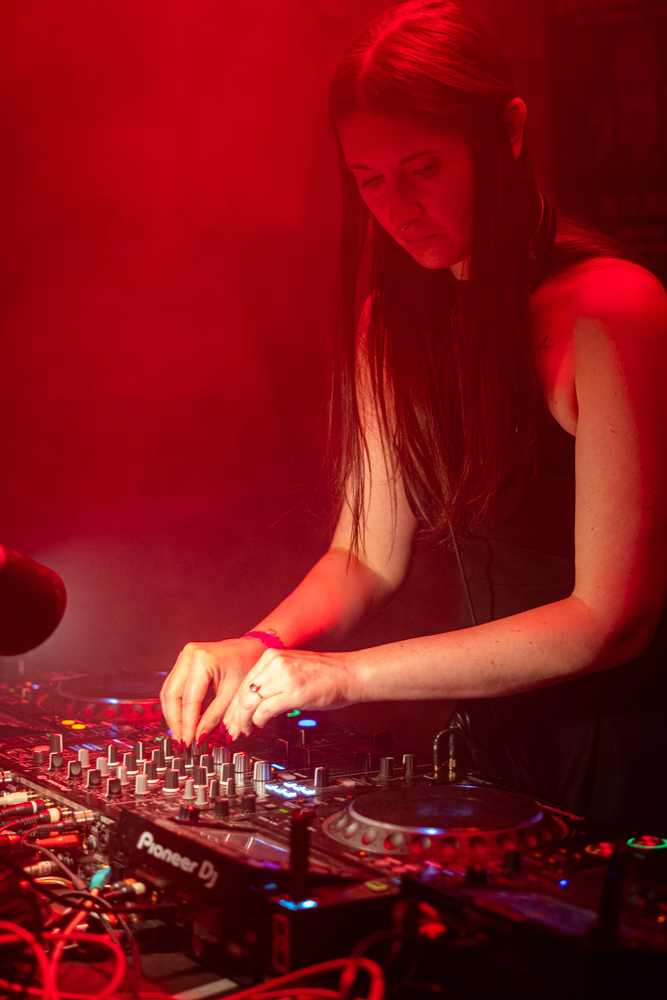
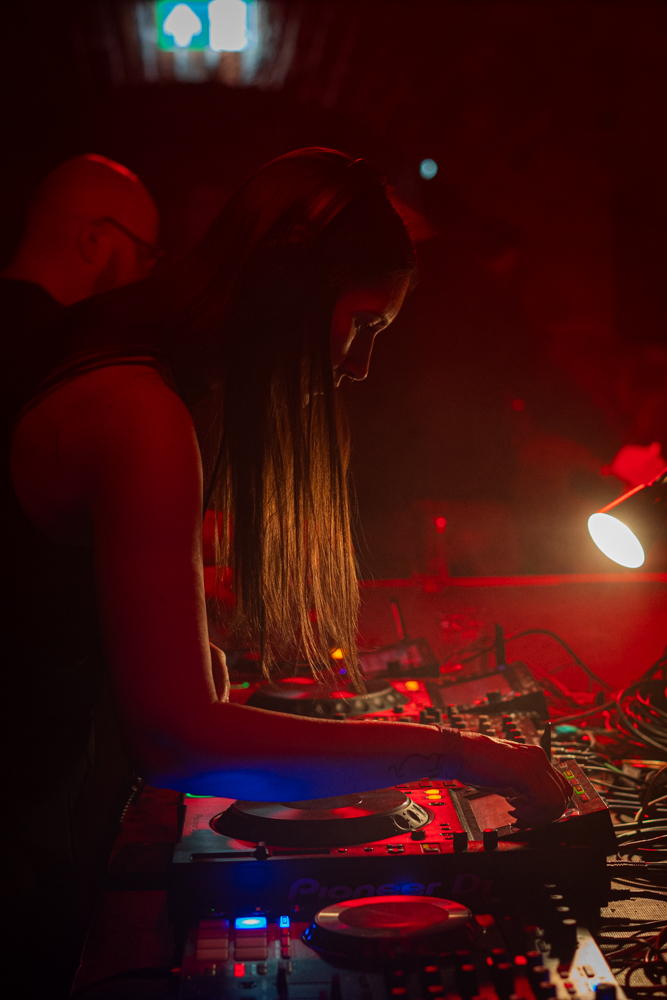
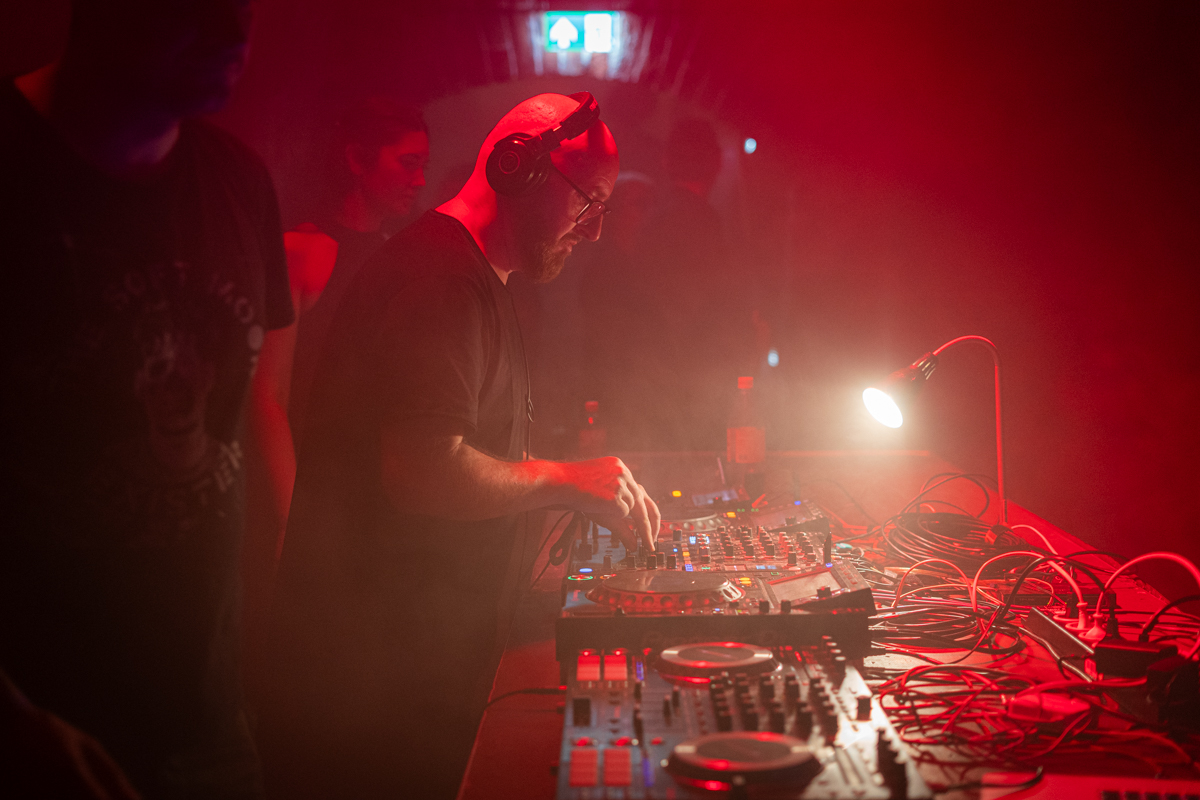
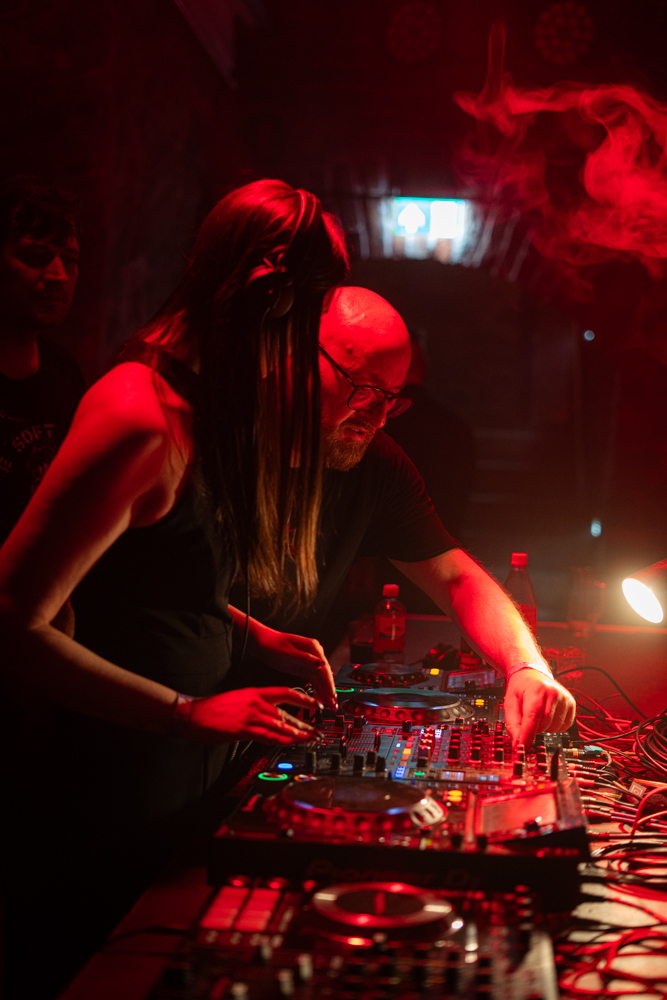
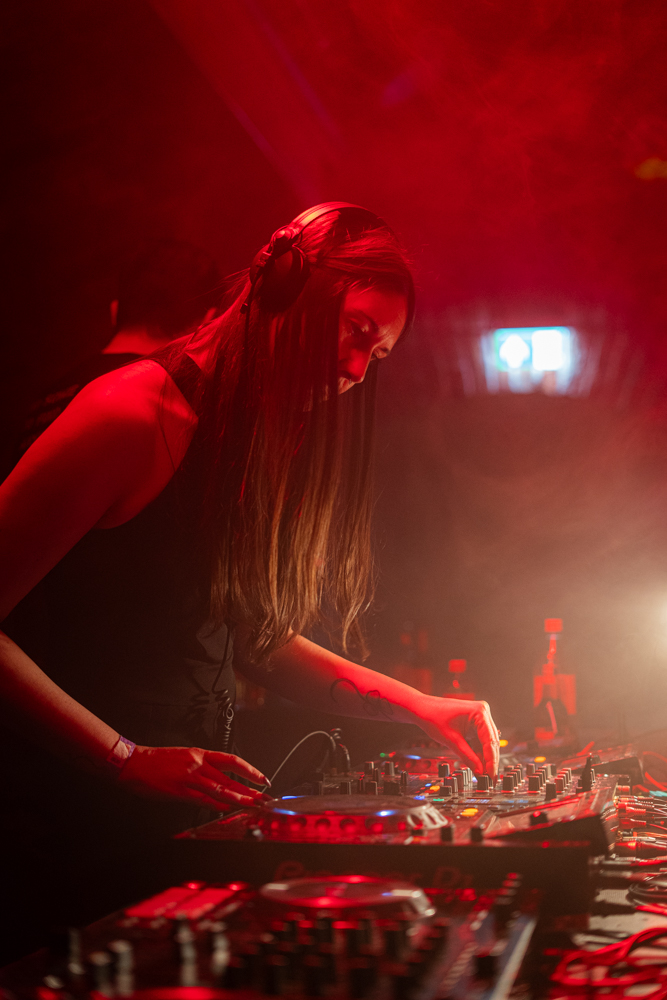
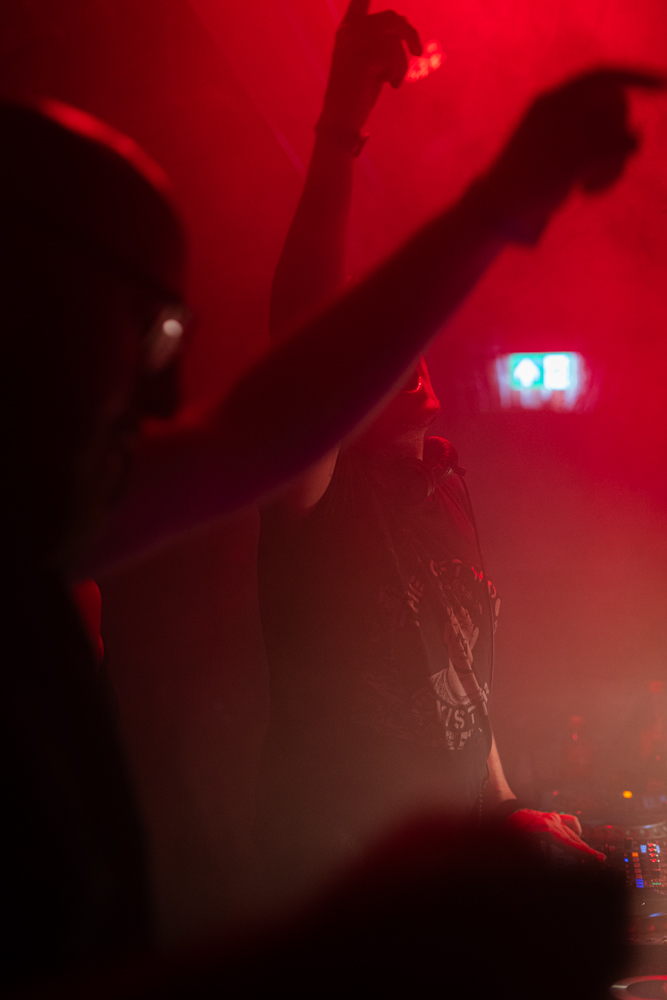
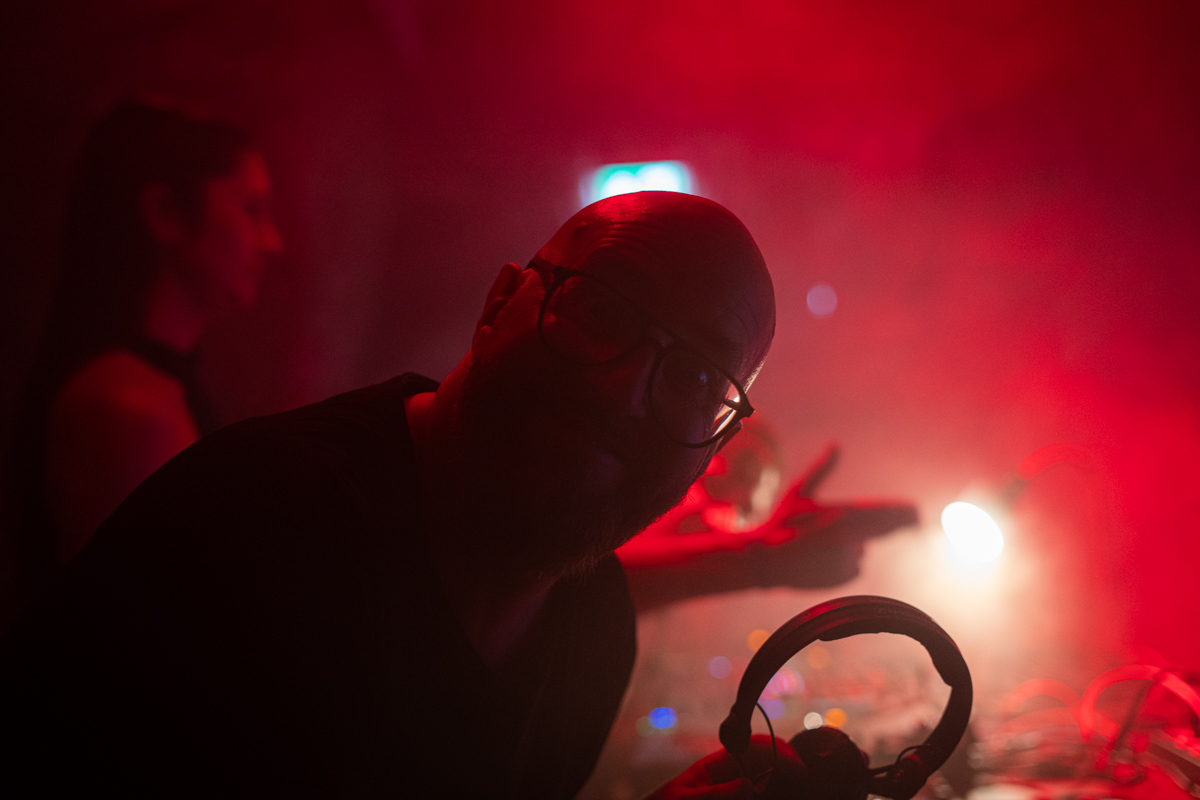
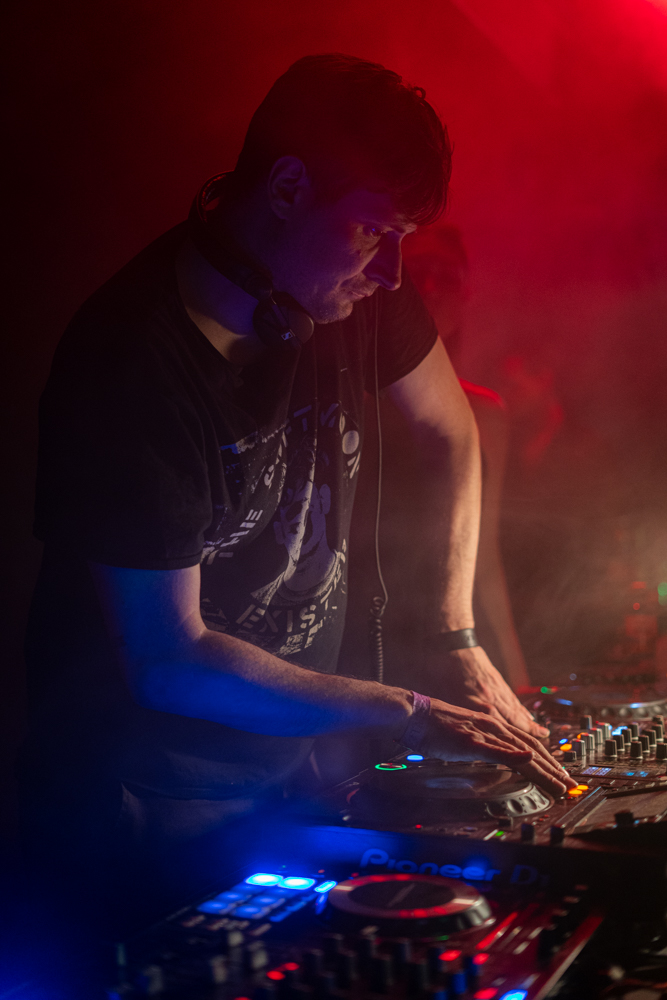
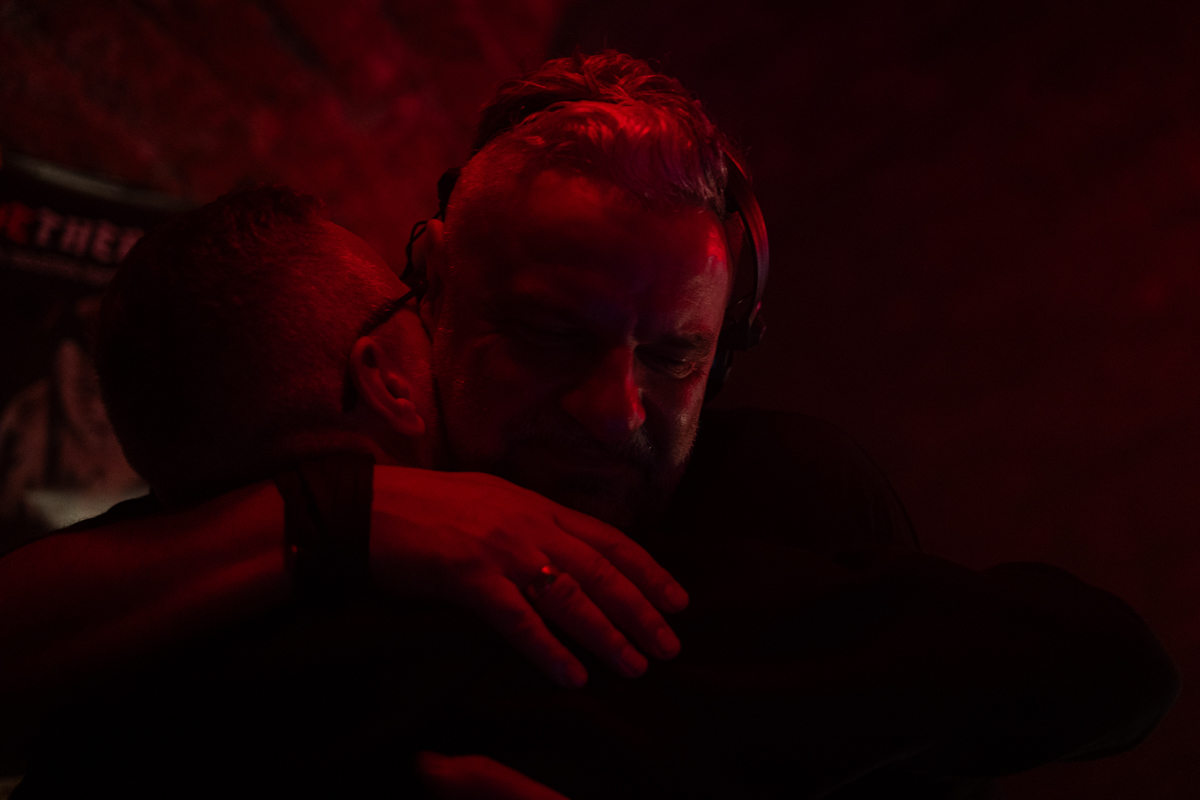
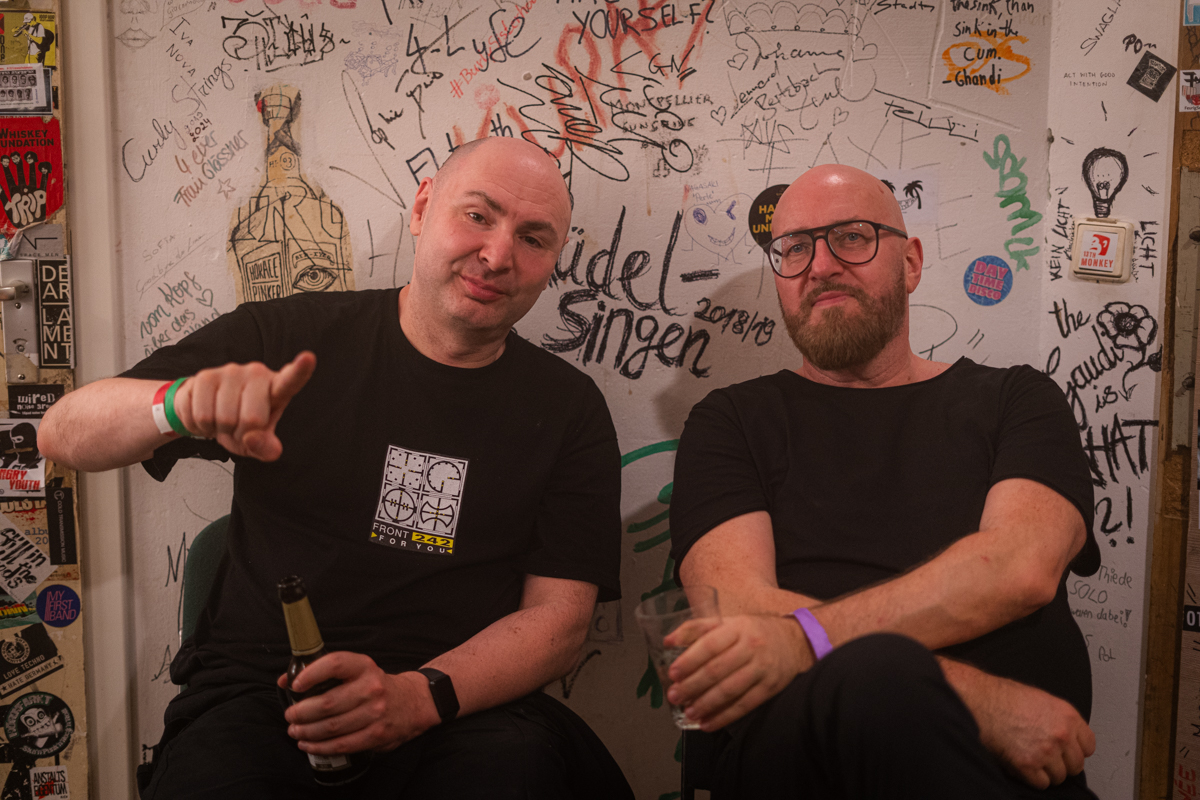
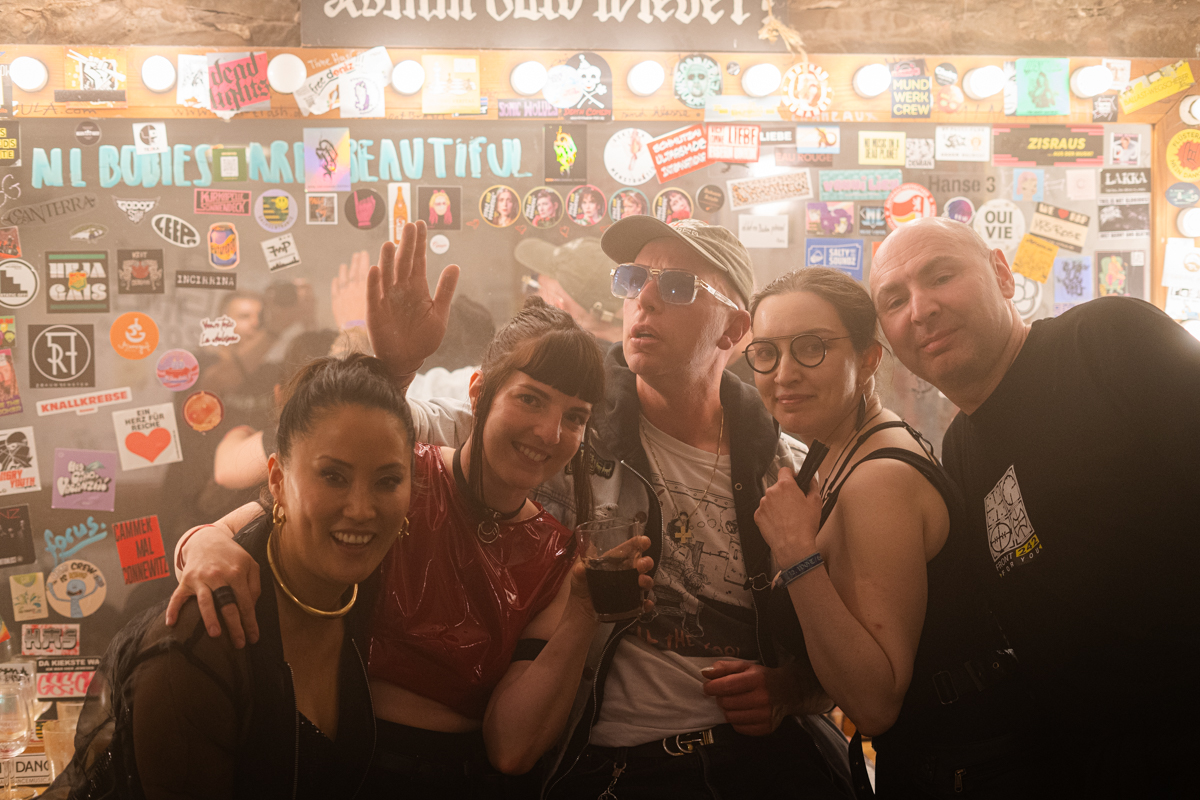
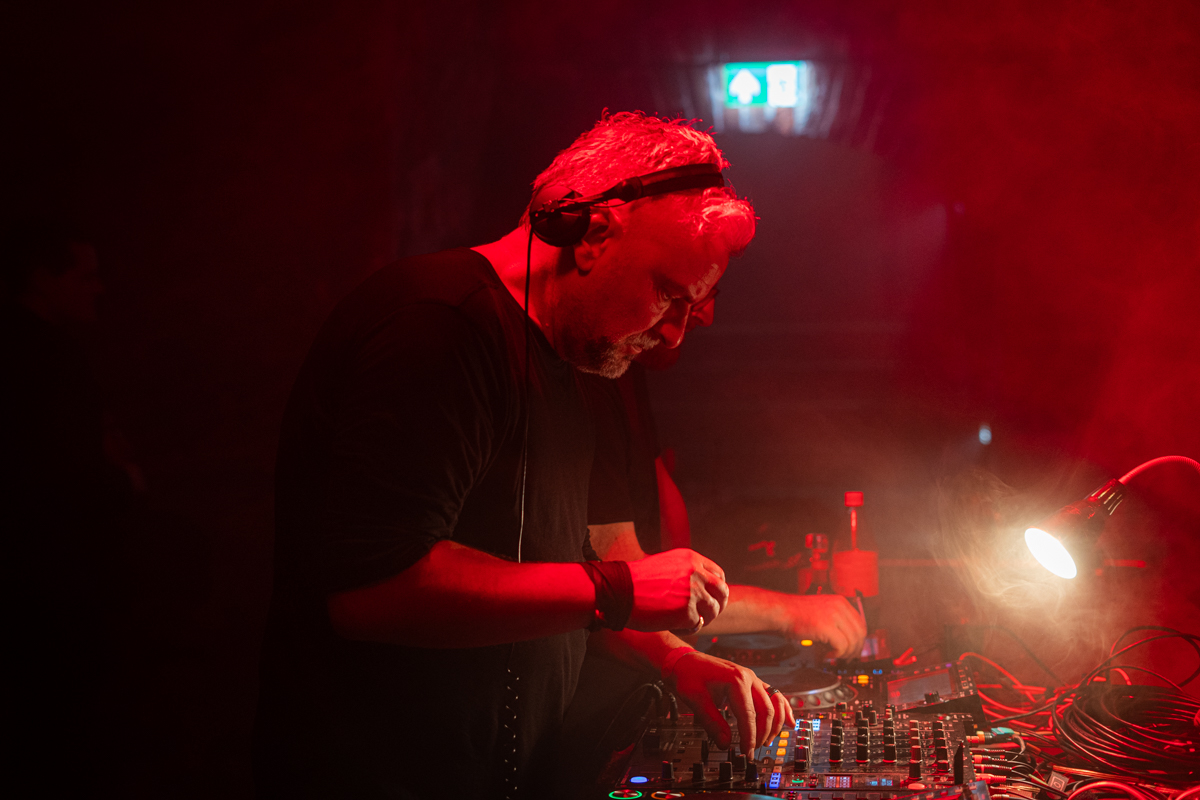
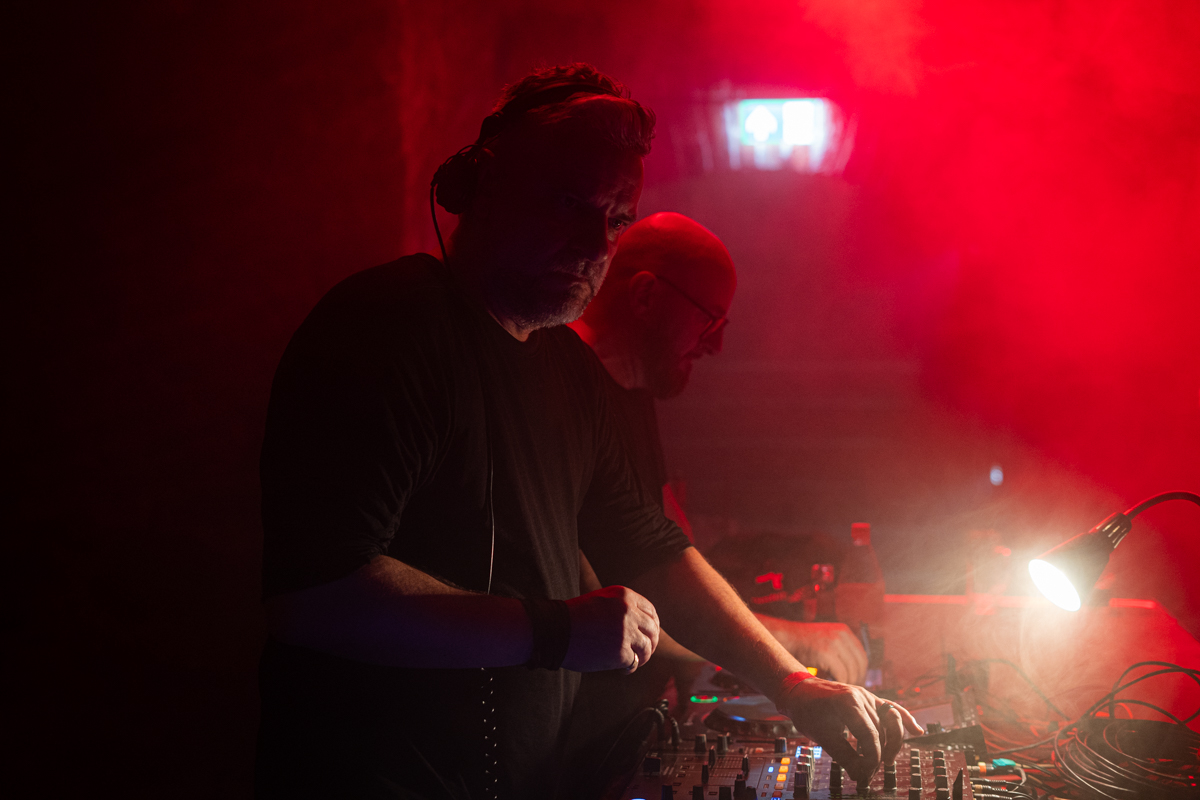
The Dystopic Rave concept features back-to-back DJ sets; organizers Daniel Myer and Blac Kolor usually invite one or even two additional DJs to join the party, who then blast tracks together until dawn. Last year, this featured Aufnahme + Wiedergabe boss Philipp Strobel and his partner DJ Ksylen, both of whom are skilled at mixing post-punk and other body music behind the turntables. Most of the hits, and even the B-sides, get played, though they show no mercy and force their musical selection upon you. It’s a real shame they don’t record this B2B marathon for later listening, but instead do it all for on-the-spot enjoyment and look forward to seeing you there next year. This year’s Dystopic ravers have already been announced: Daniel Myer, Blac Kolor, and Philipp Strobel return behind the decks!
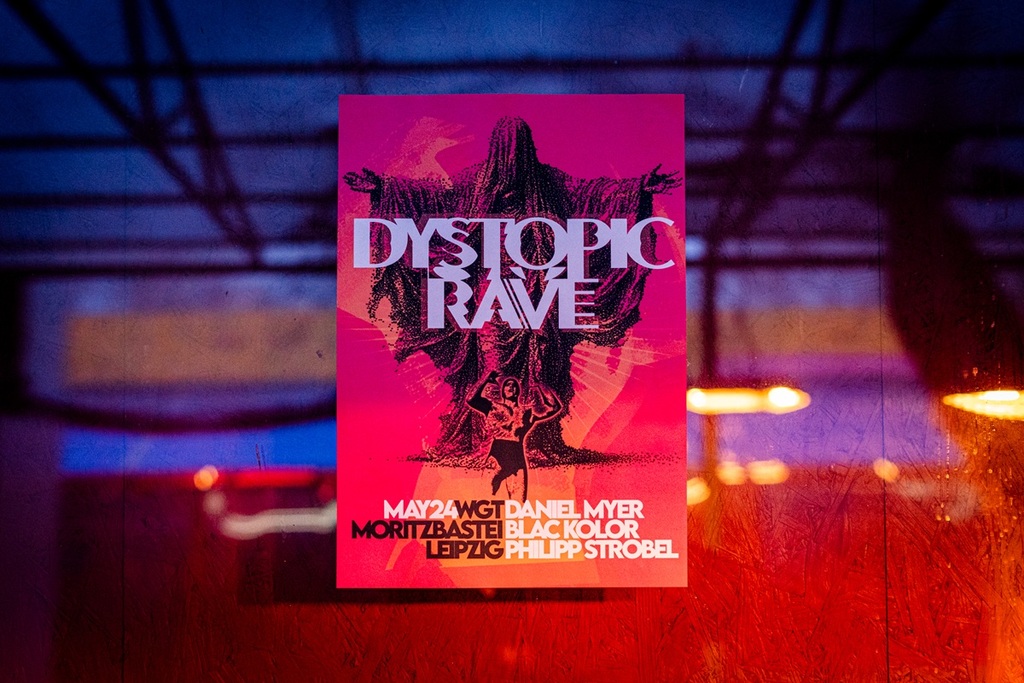
The time before last, our very own BFTV resident DJ Tamhiis also took to the decks, though she certainly didn’t expect to get the chance to spin for thousands of music fans at the Wave Gotik Treffen afterparty. Moritzbastei can accommodate quite a large crowd in its various halls and nooks, and people are free to move between all the party areas. MB is a great place to enjoy the party that night and watch the partygoers, as people in cool and inspiring outfits will be showing up - it would be great to see you there!
Suddenly it’s Monday morning, and we’re dragging ourselves onto the tram in the early dawn to head back to our accommodation. While studying in Leipzig, I learned that taking a water-soluble electrolyte tablet before going to sleep is extremely effective, it works absolutely wonderfully for me. Otherwise, you might end up with a hangover, and the day could go down the drain. There are three bars in Moritzbastei, but drinking wine there, for example, is not really recommended. Well, what do you do when you suddenly get a craving for strong red wine and then want a Red Bull with vodka, but realize this is already your third round? You have to know how to give in to your cravings, but you have to know how to outsmart a hangover.
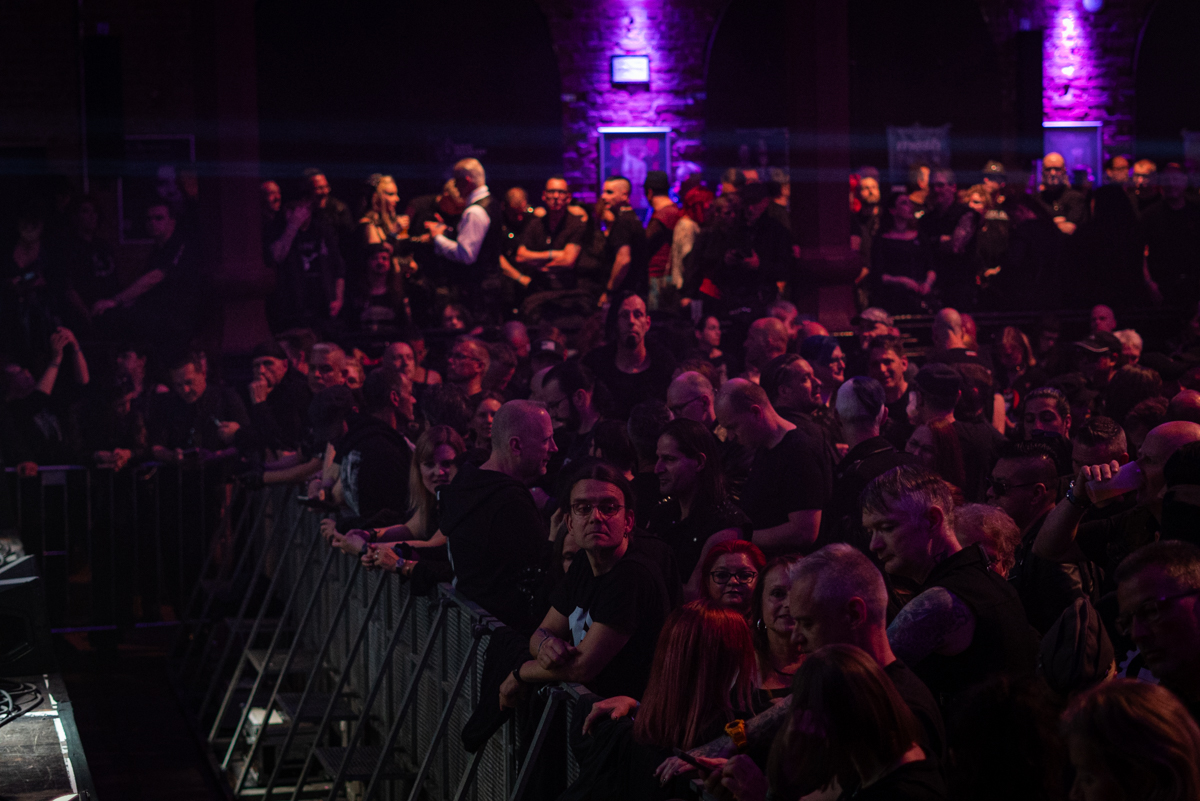
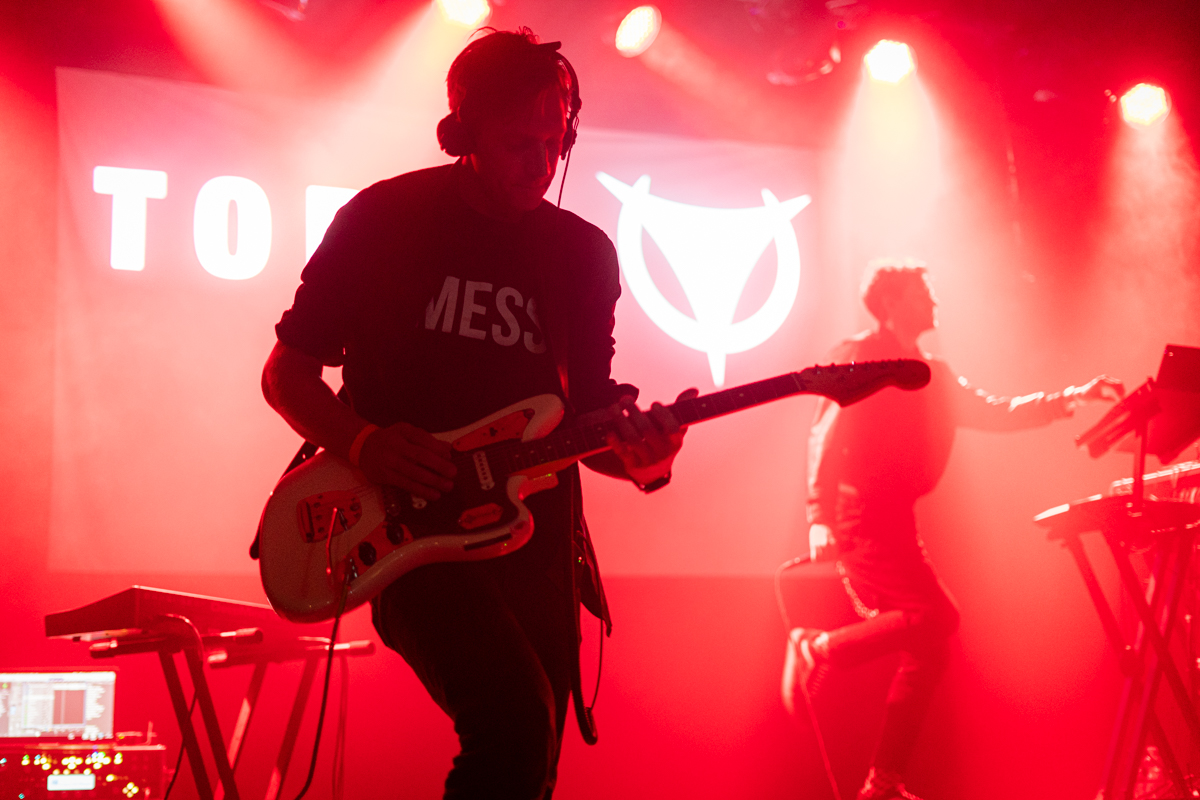
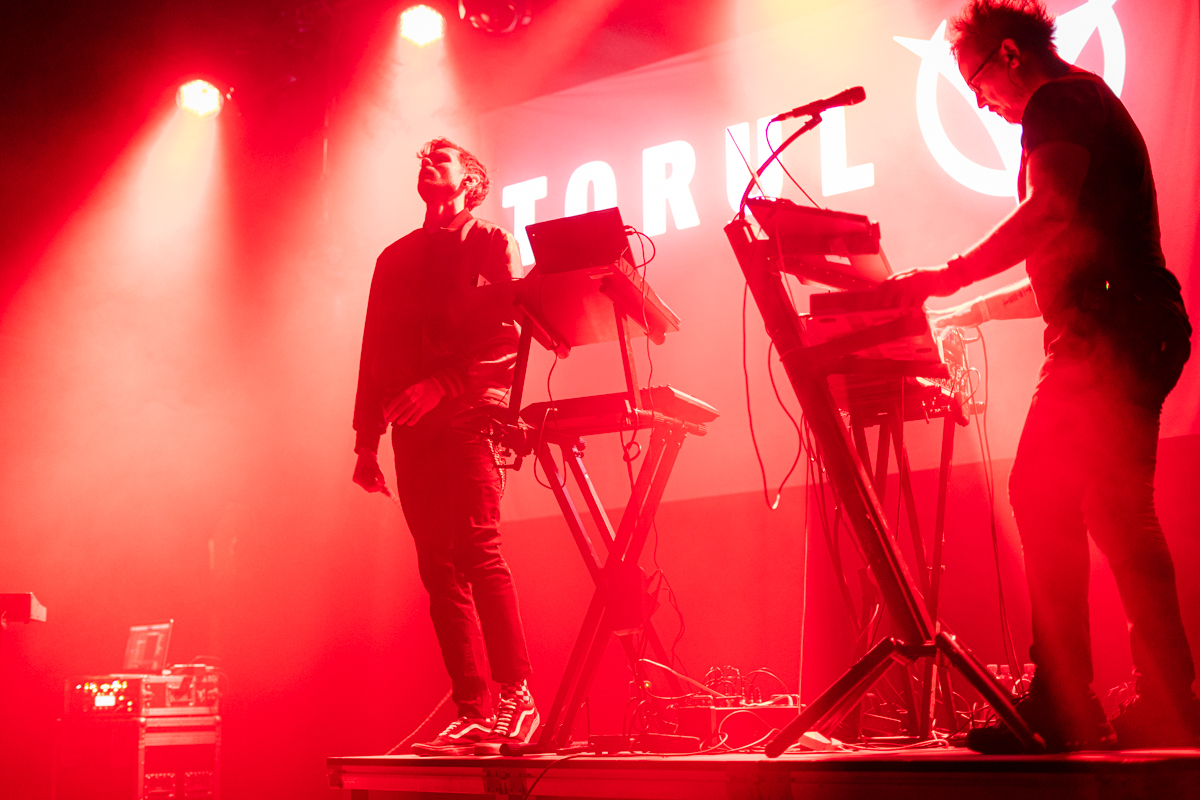
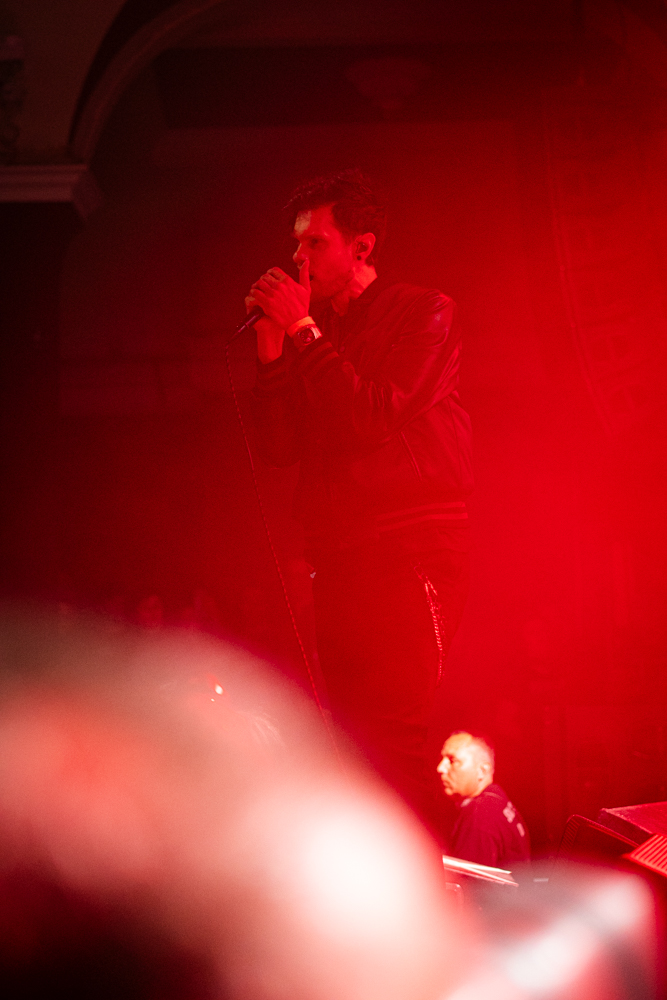
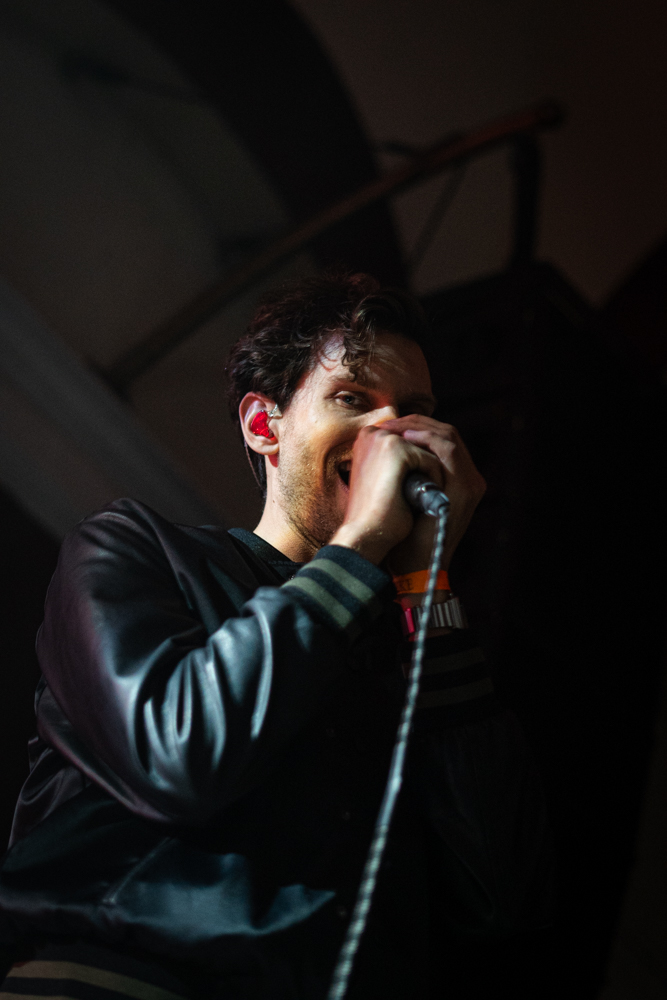
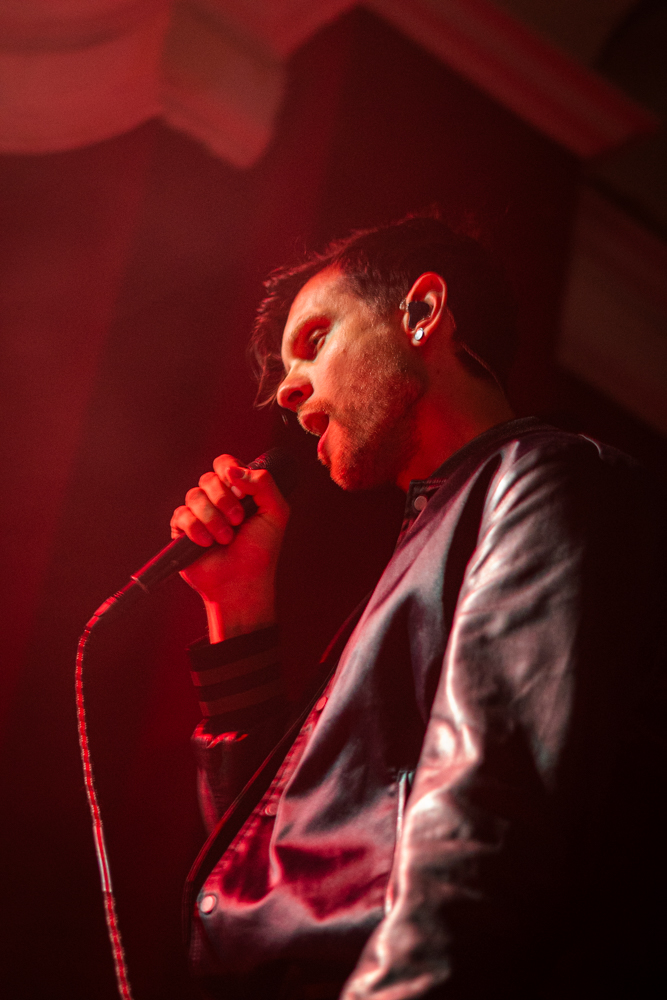
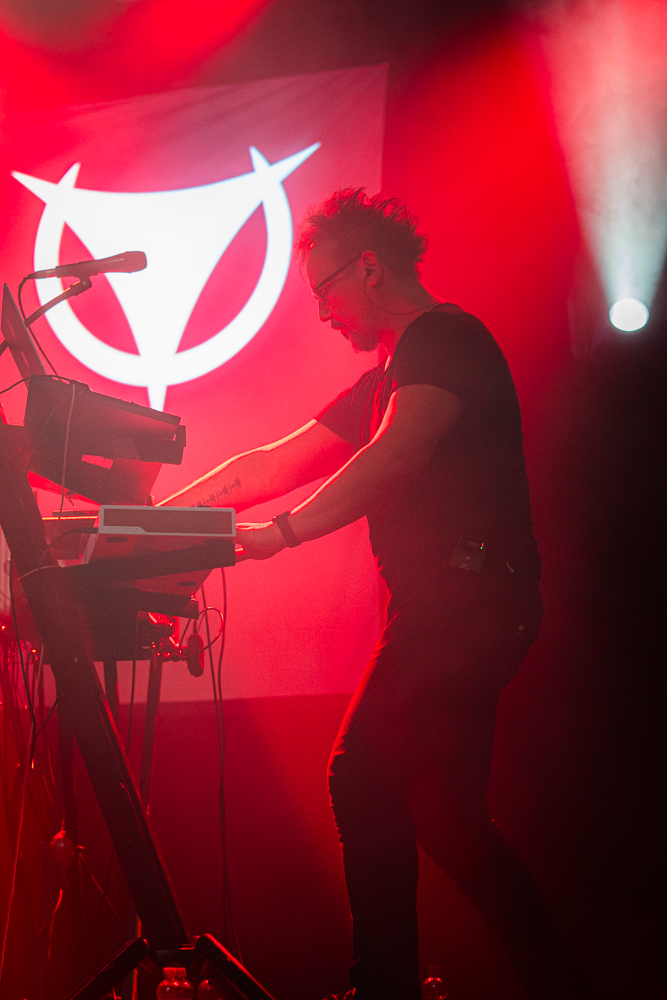
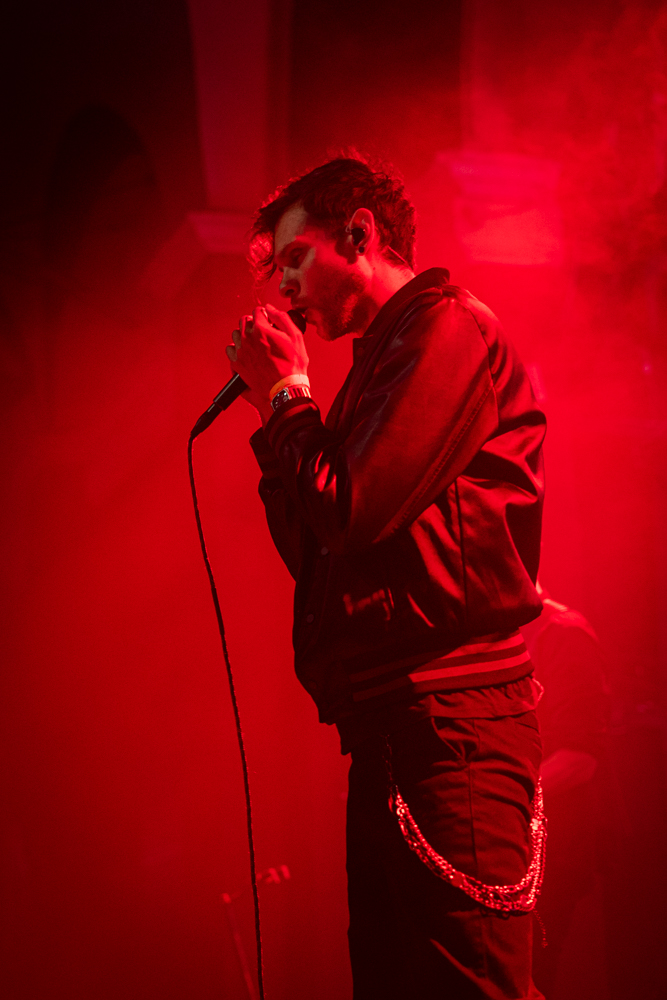
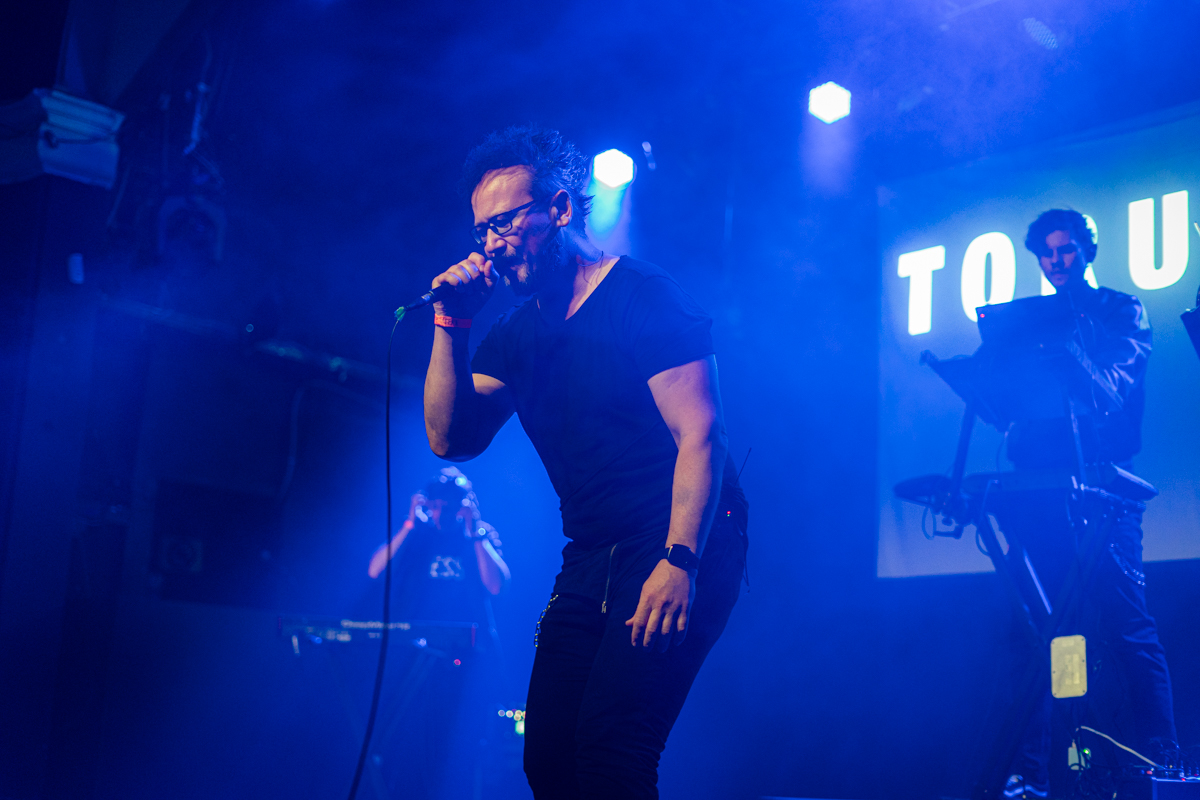
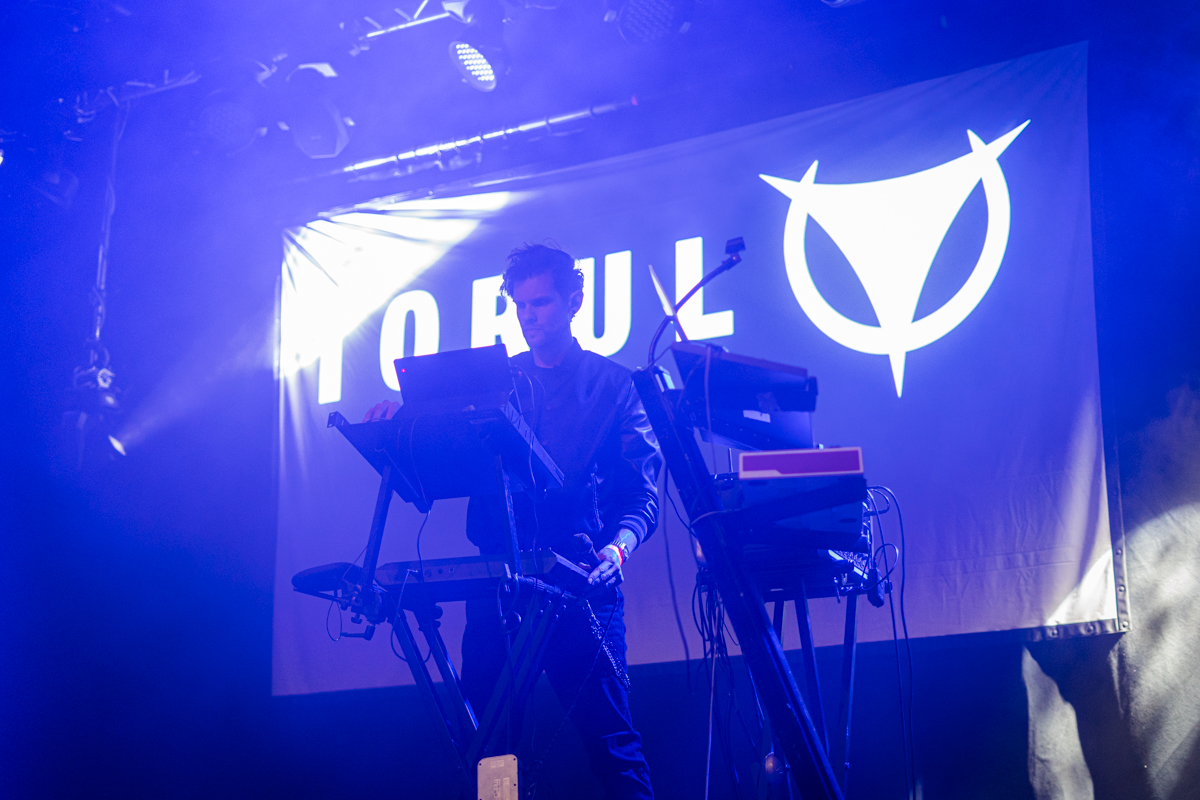
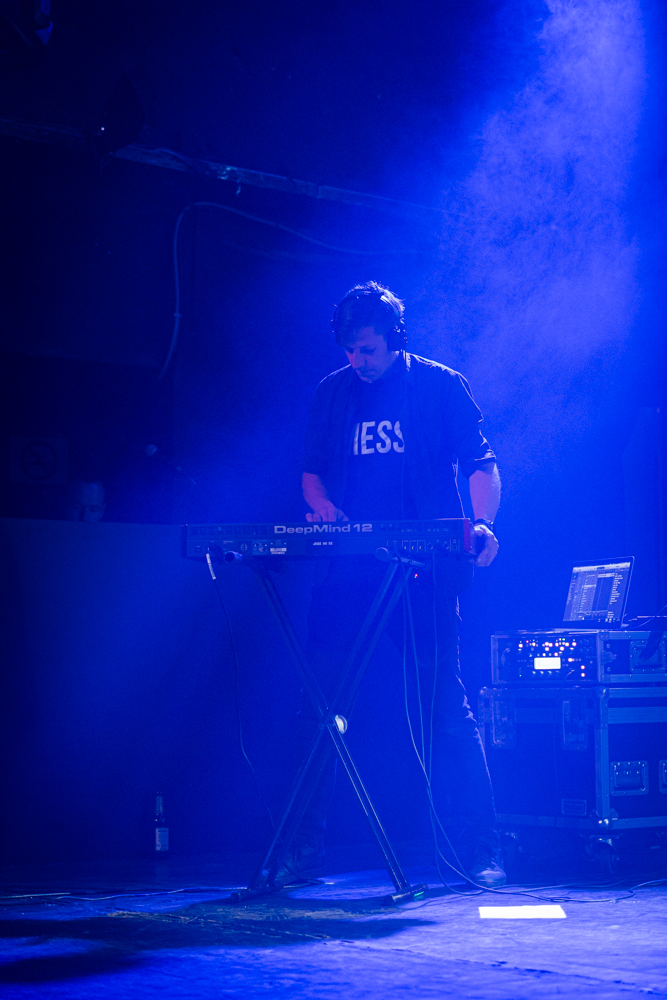
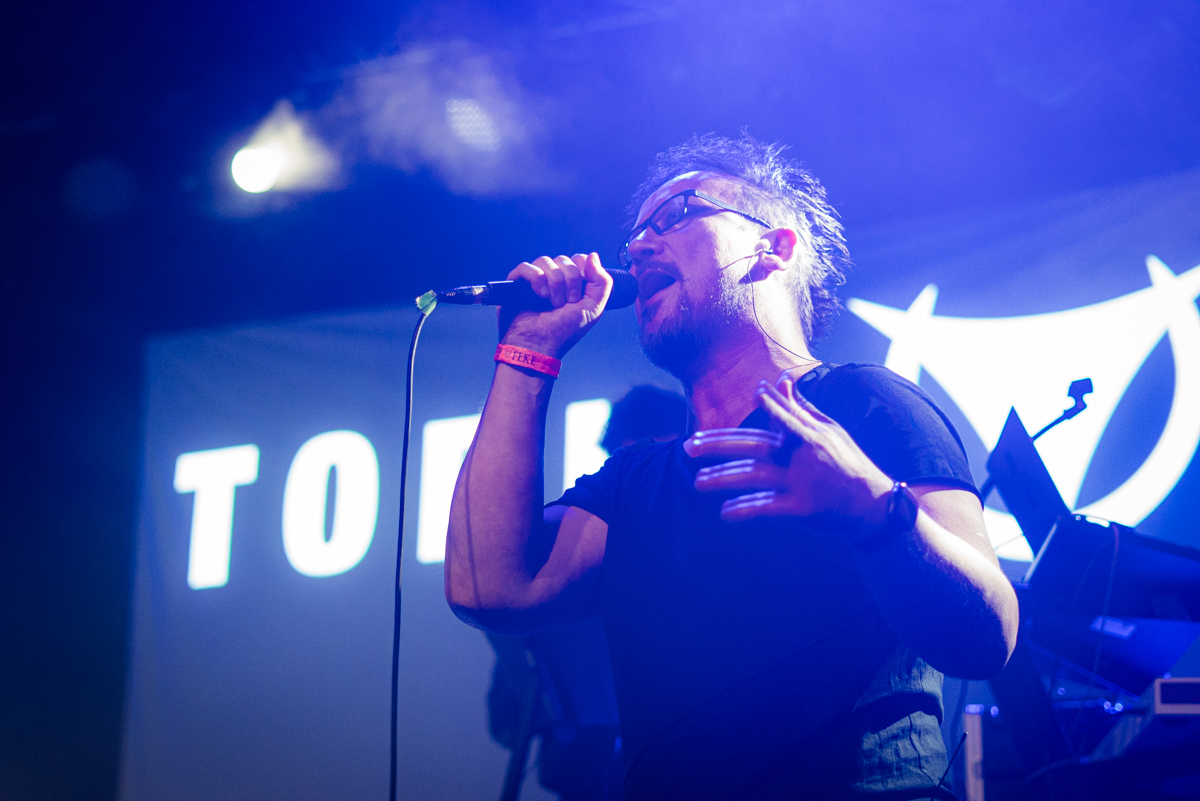
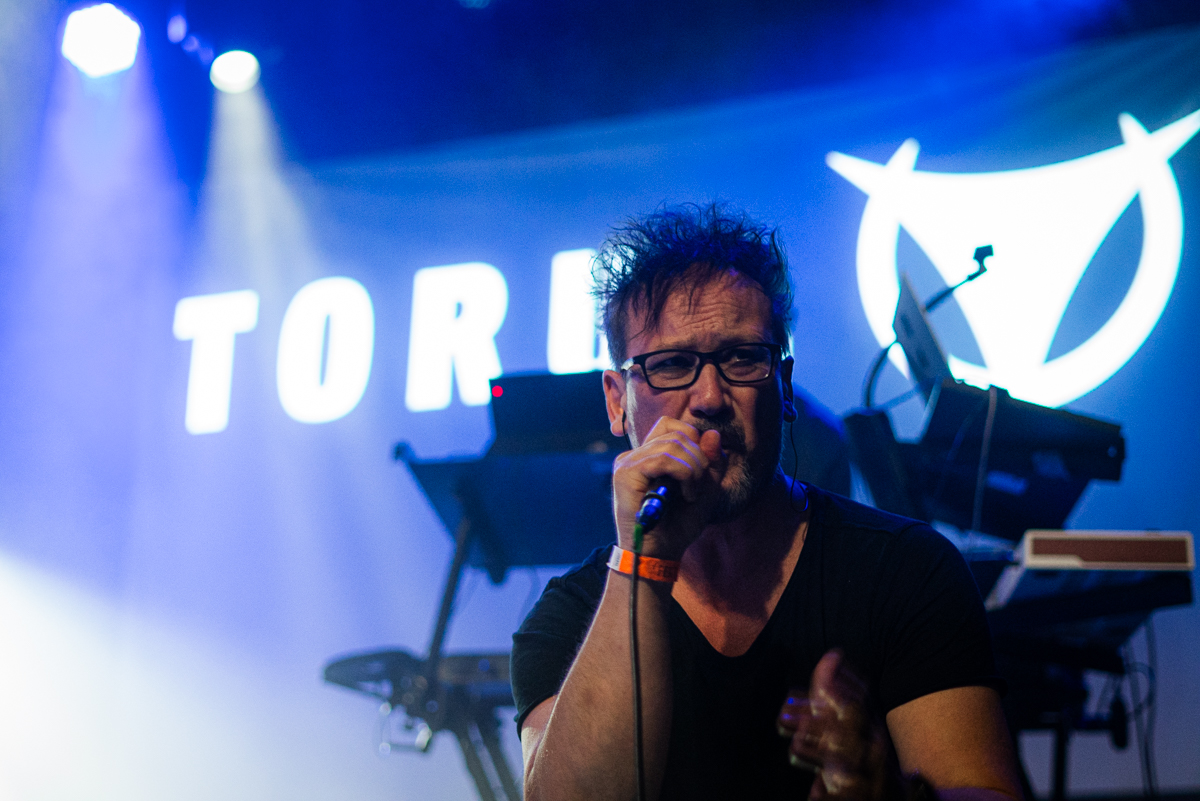
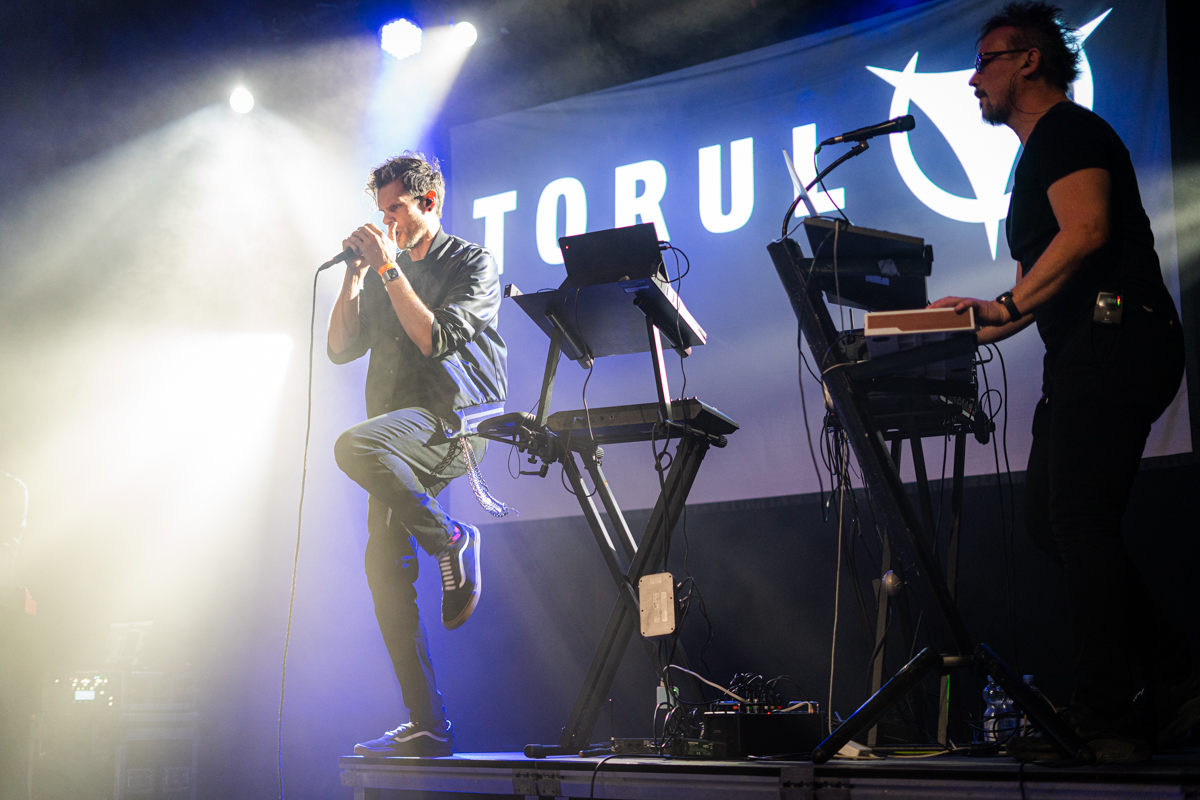
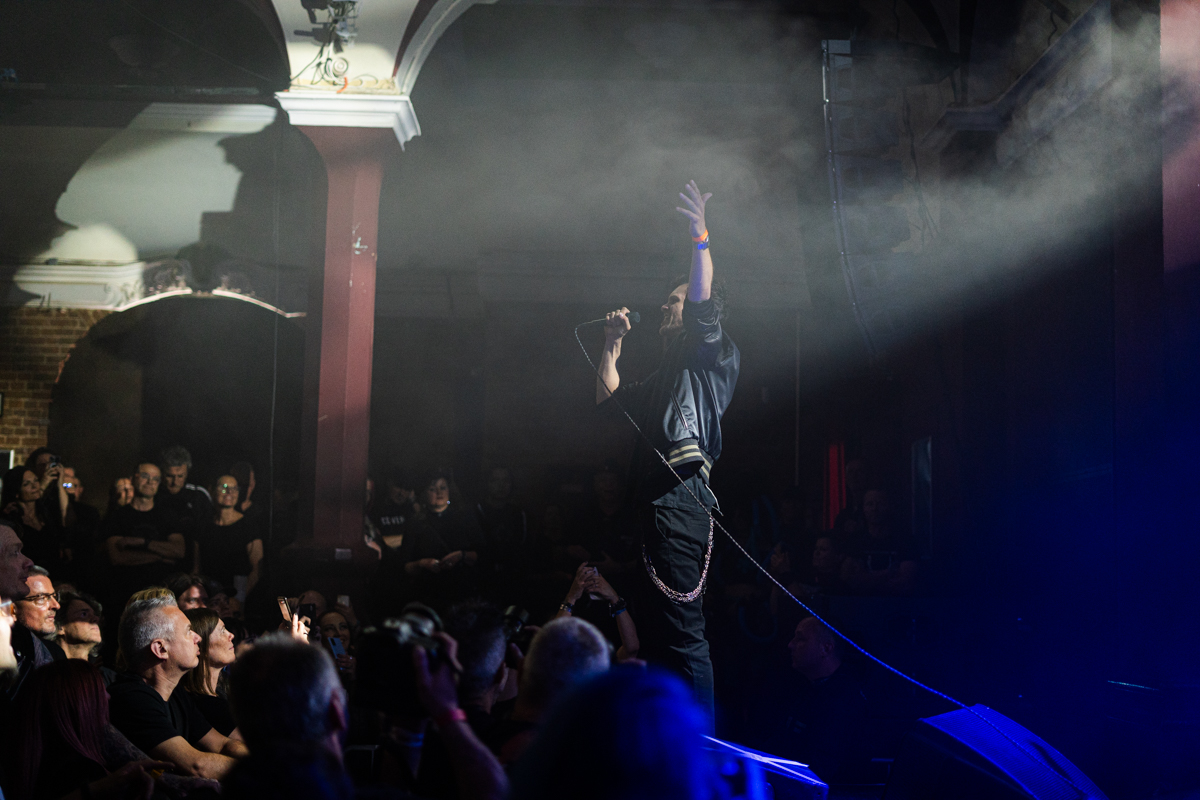
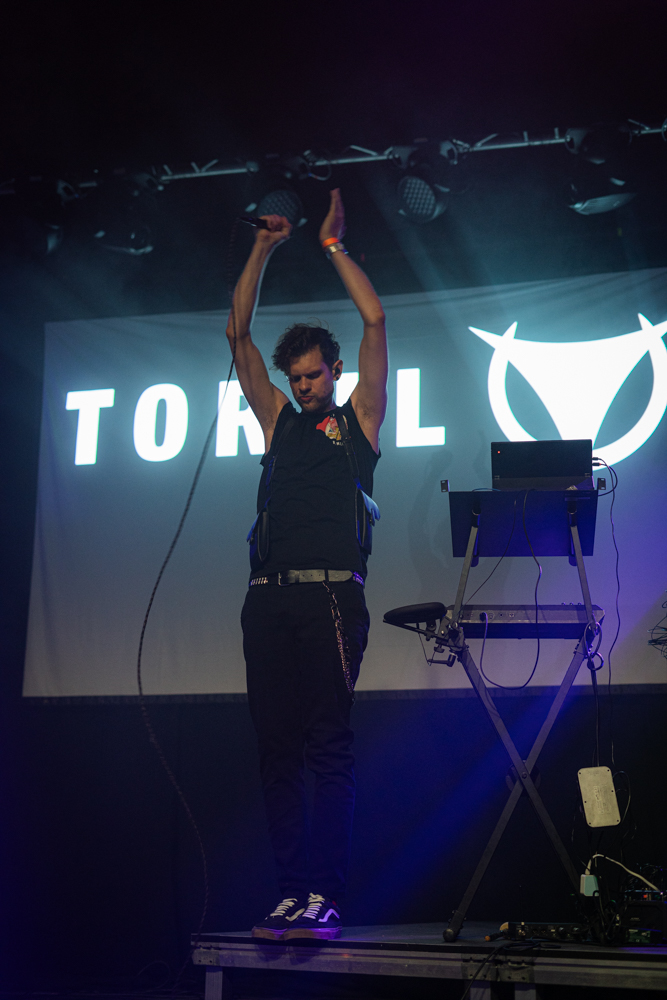
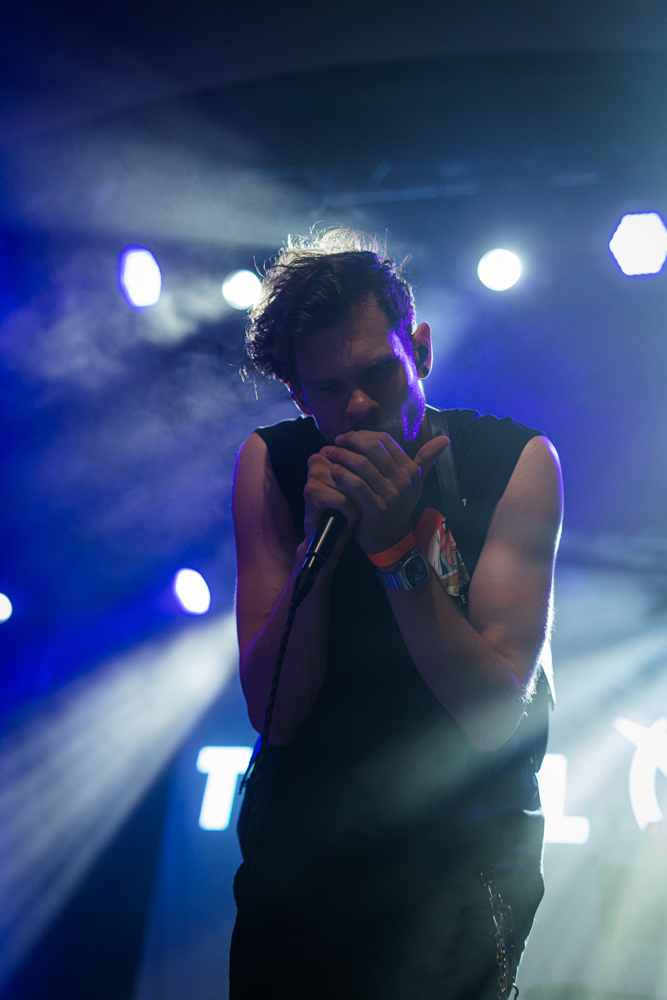
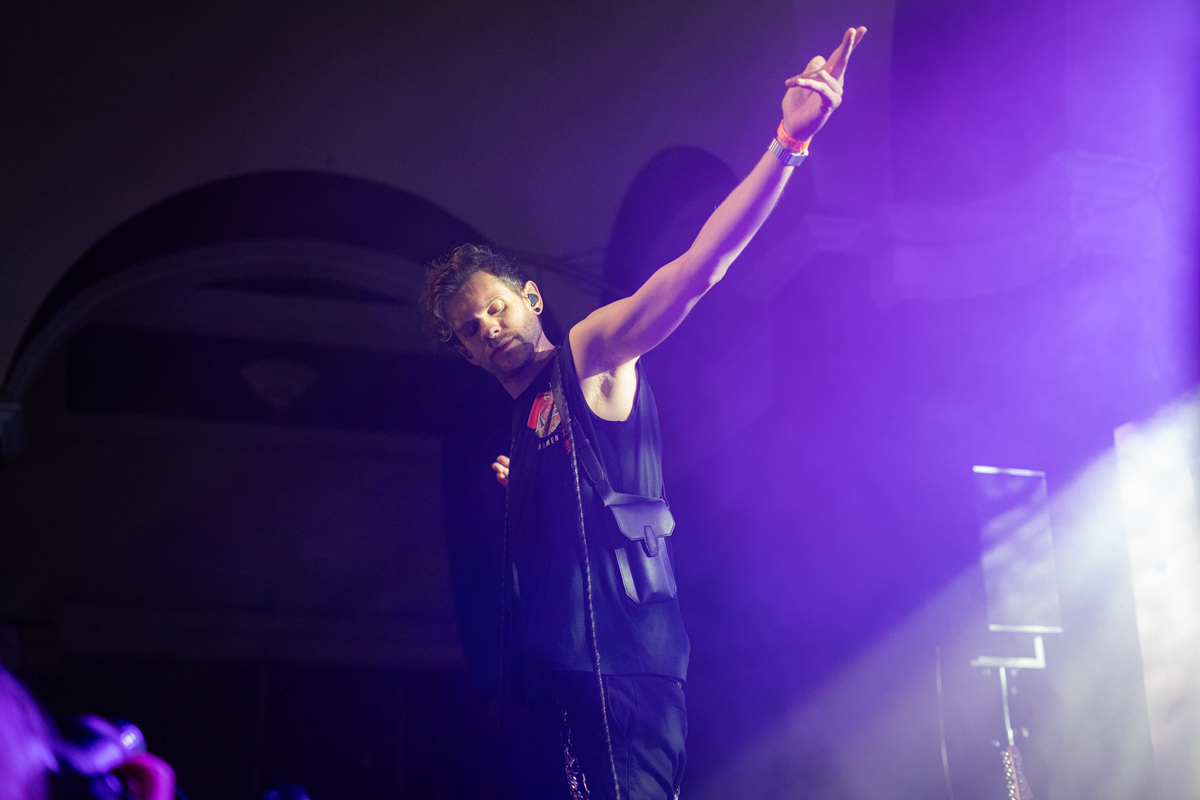
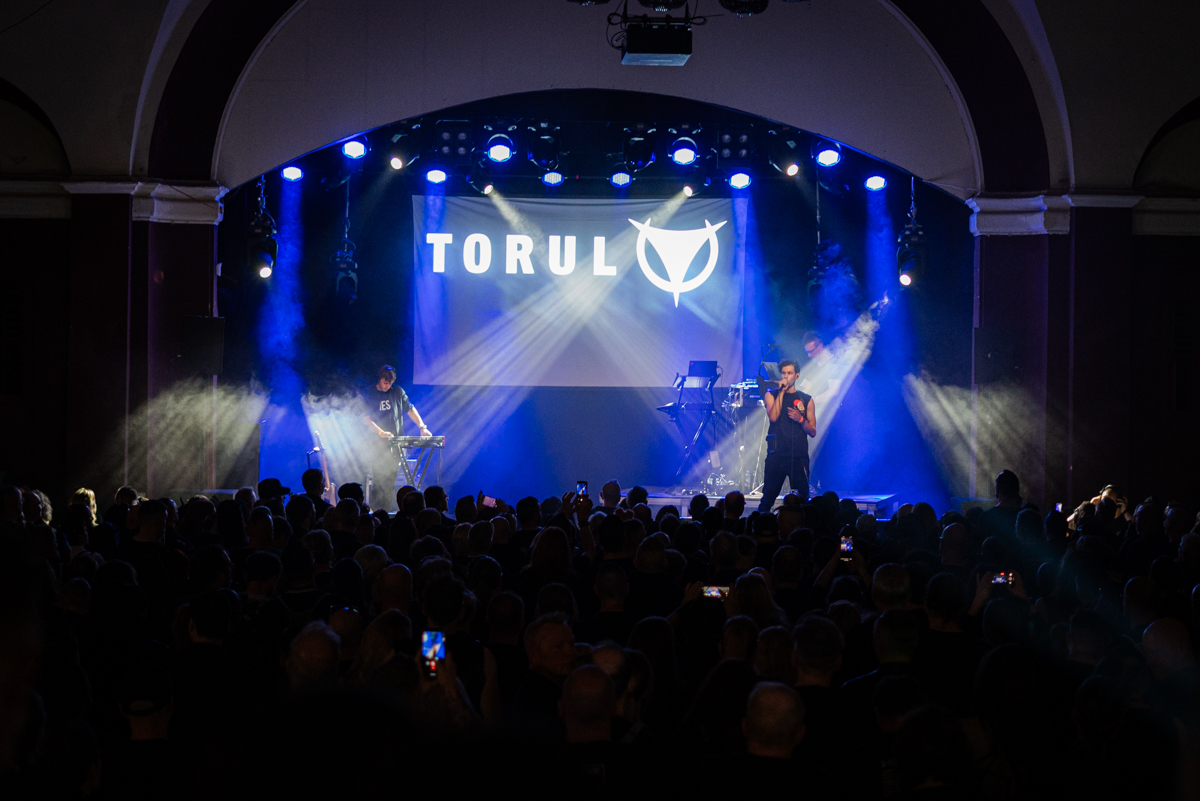
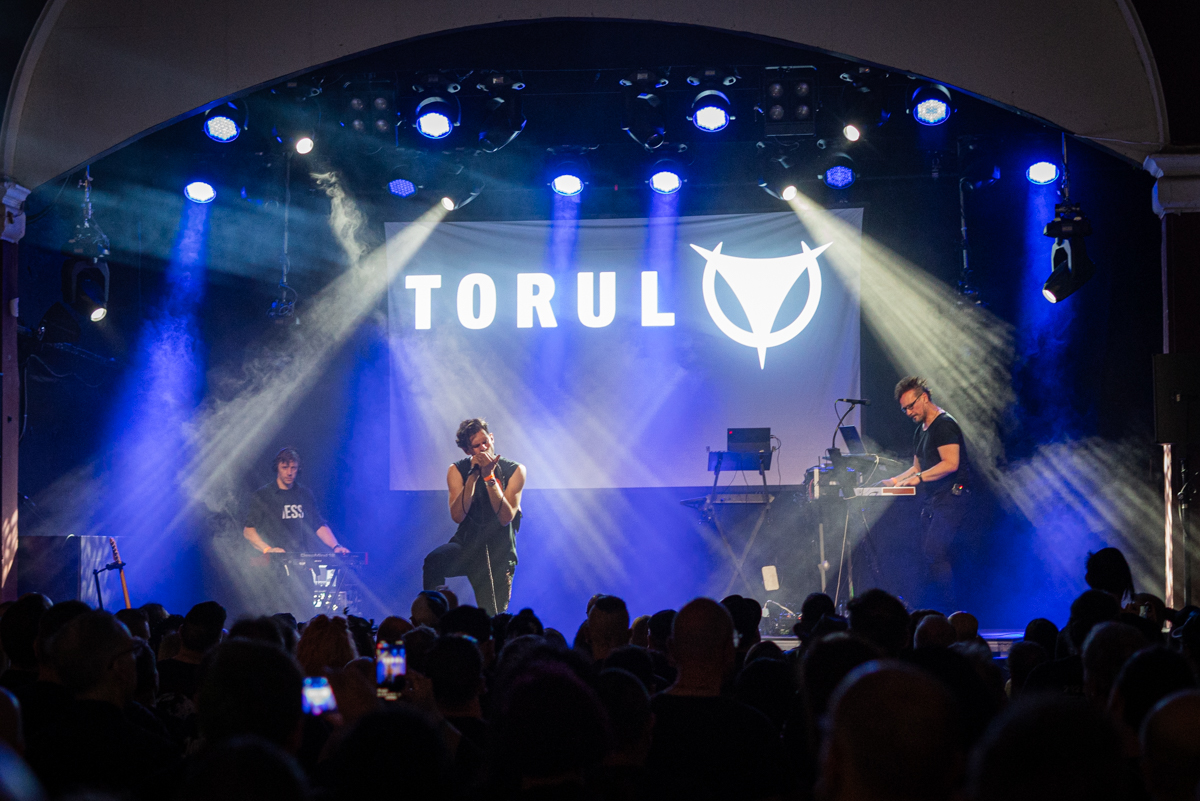
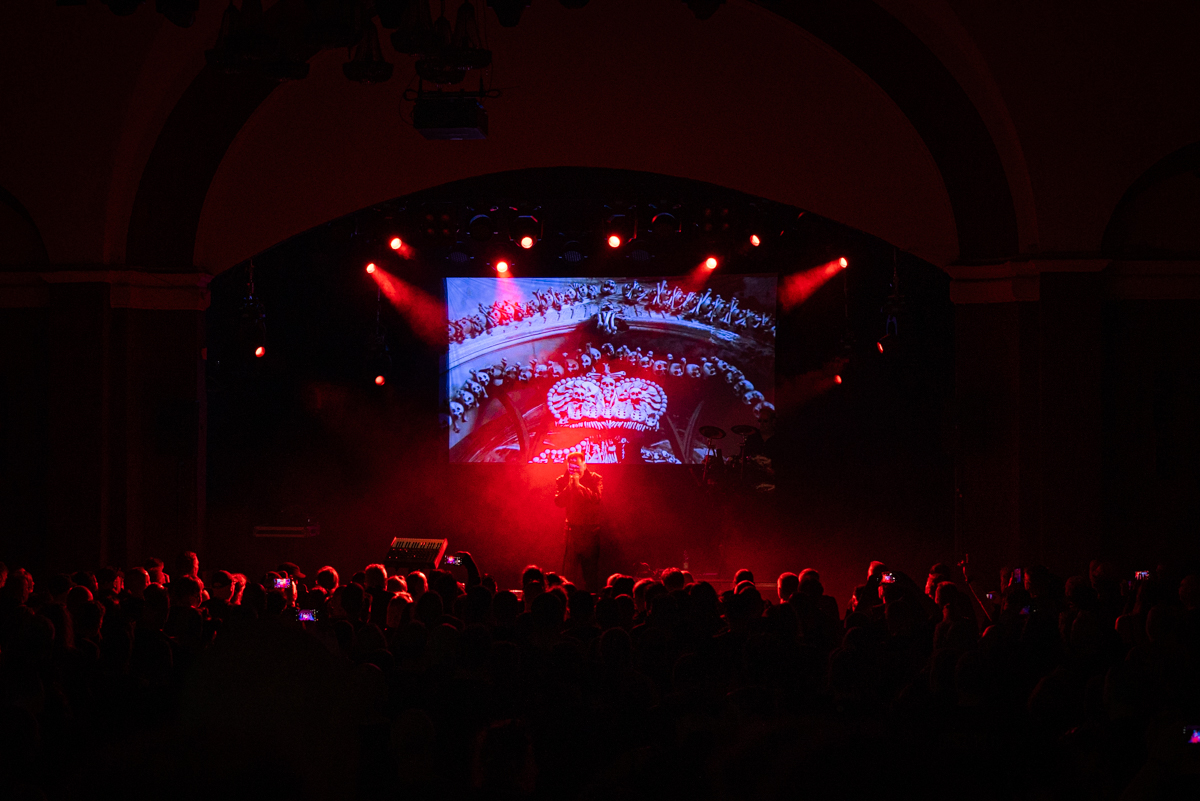
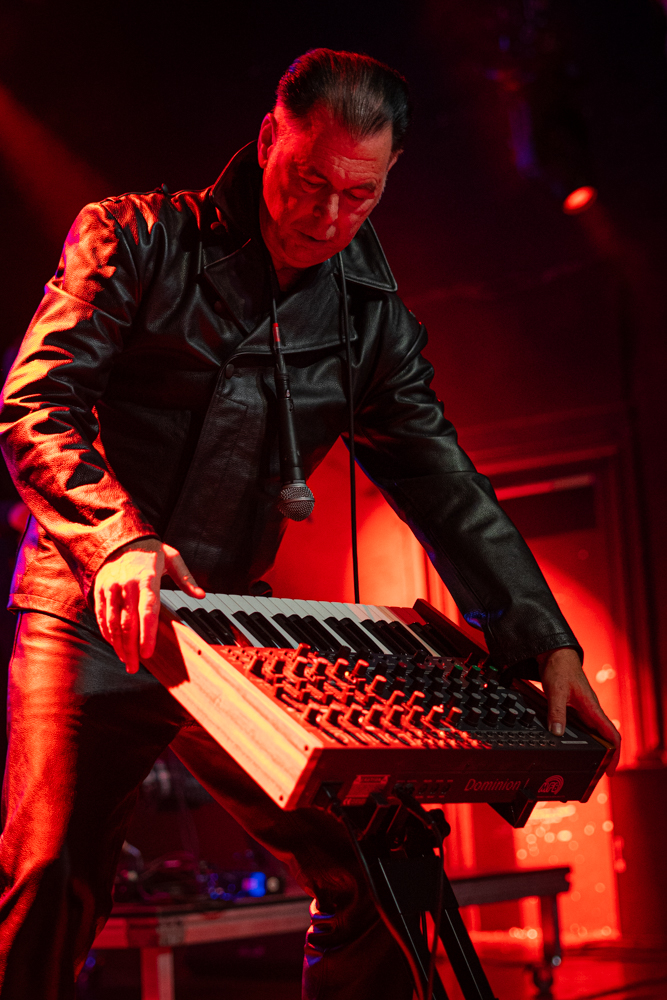
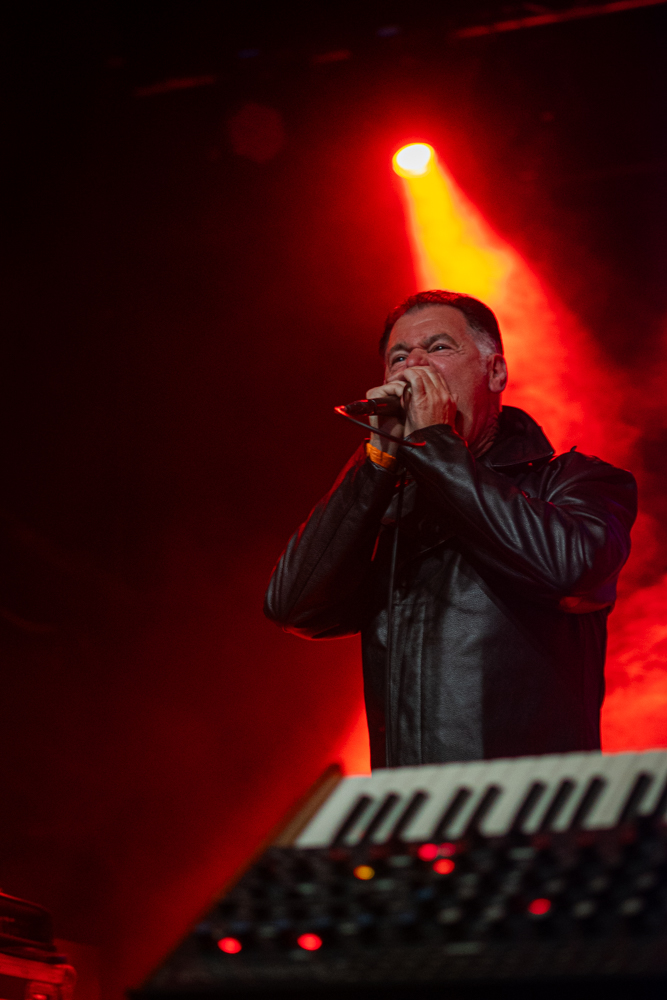
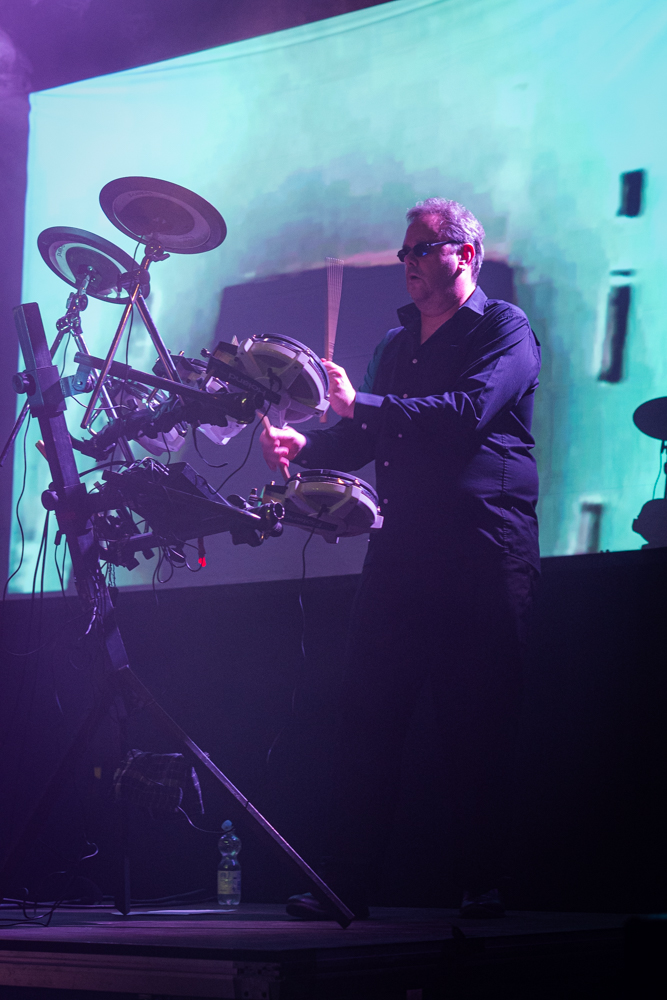
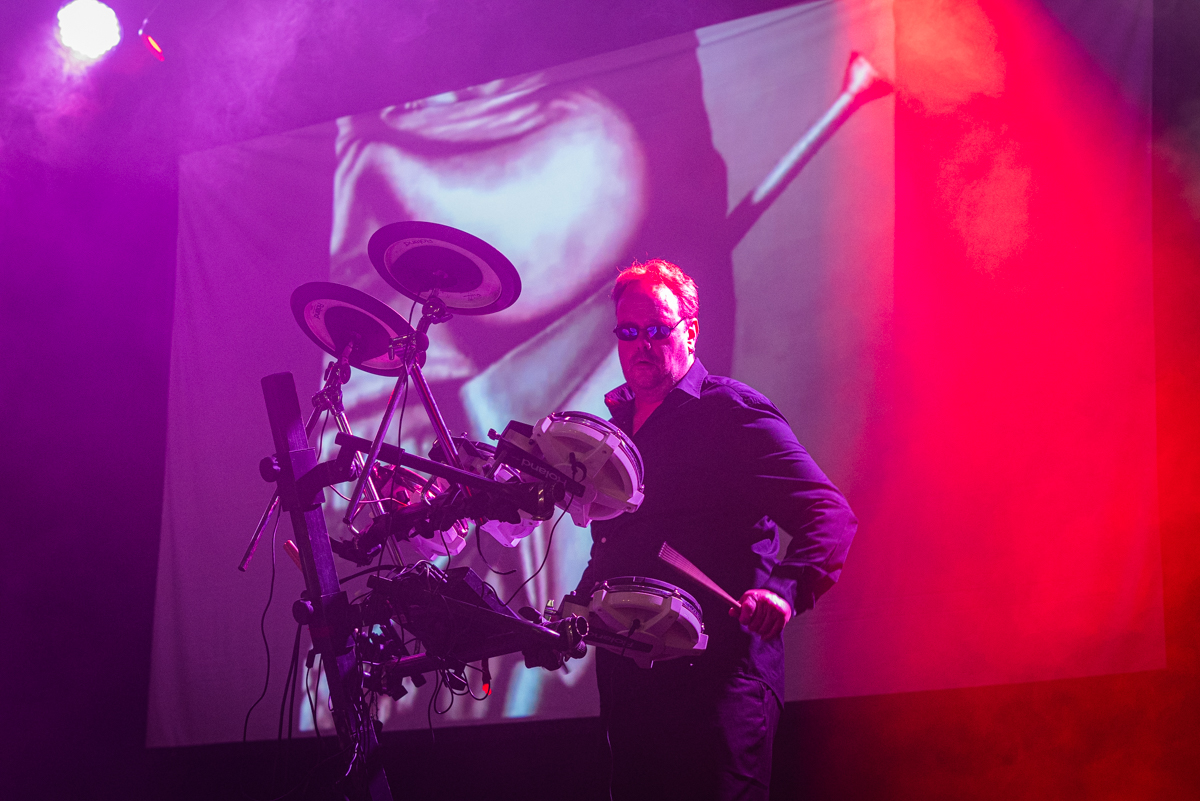
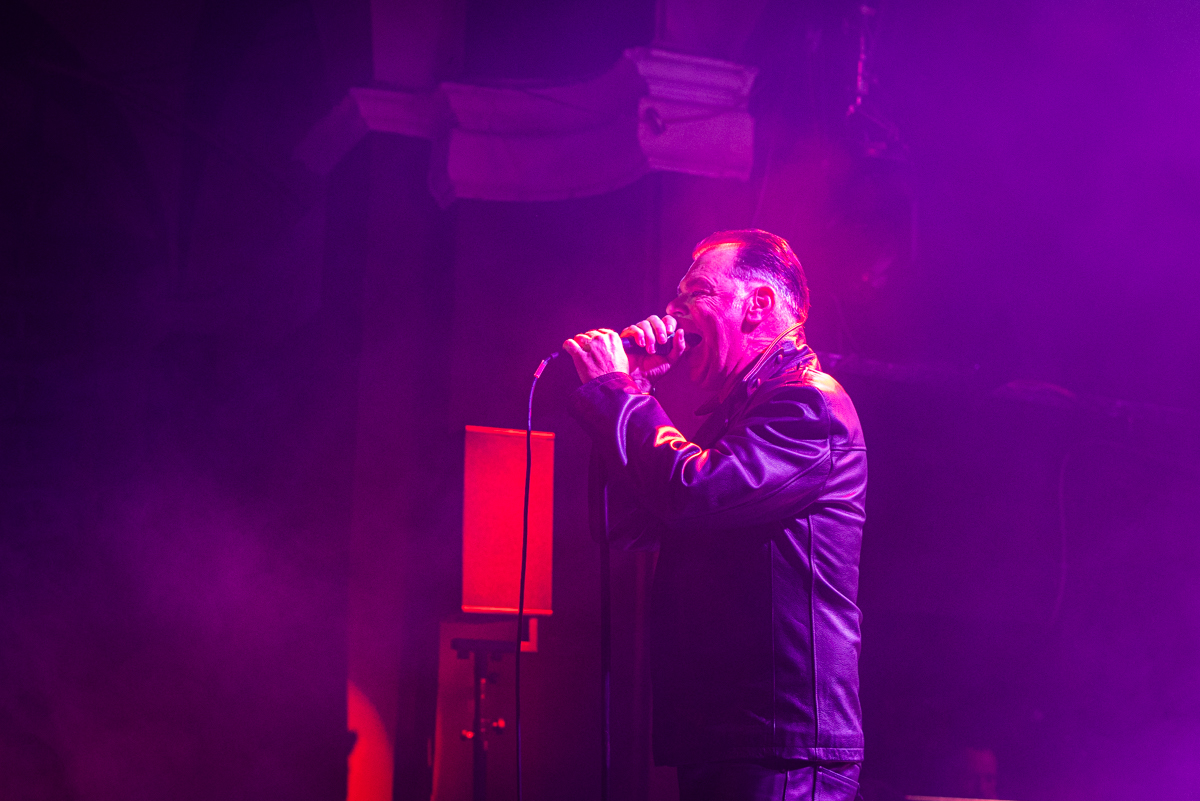
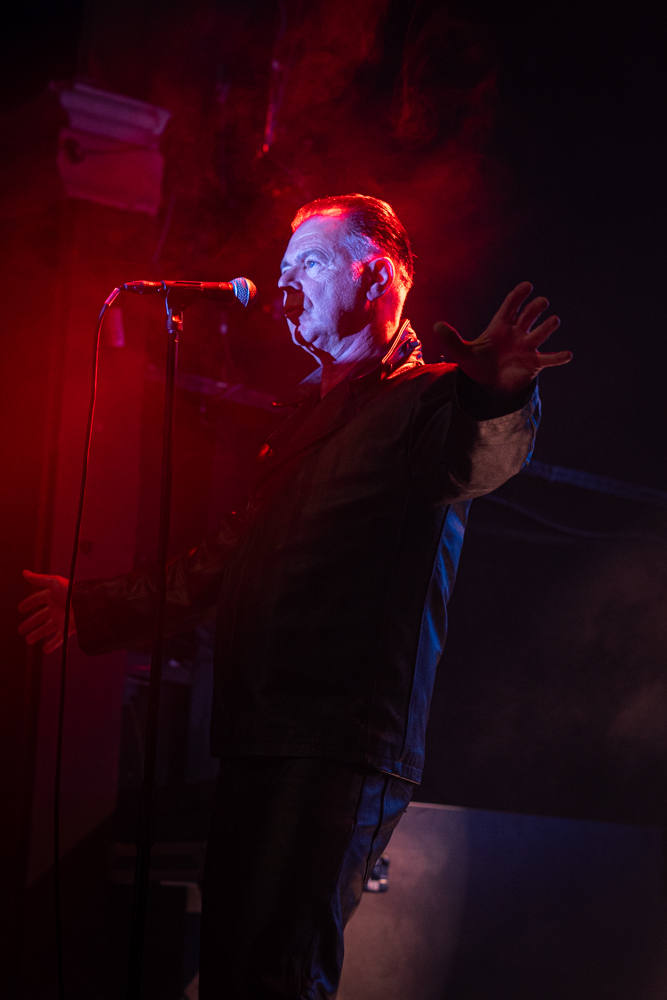
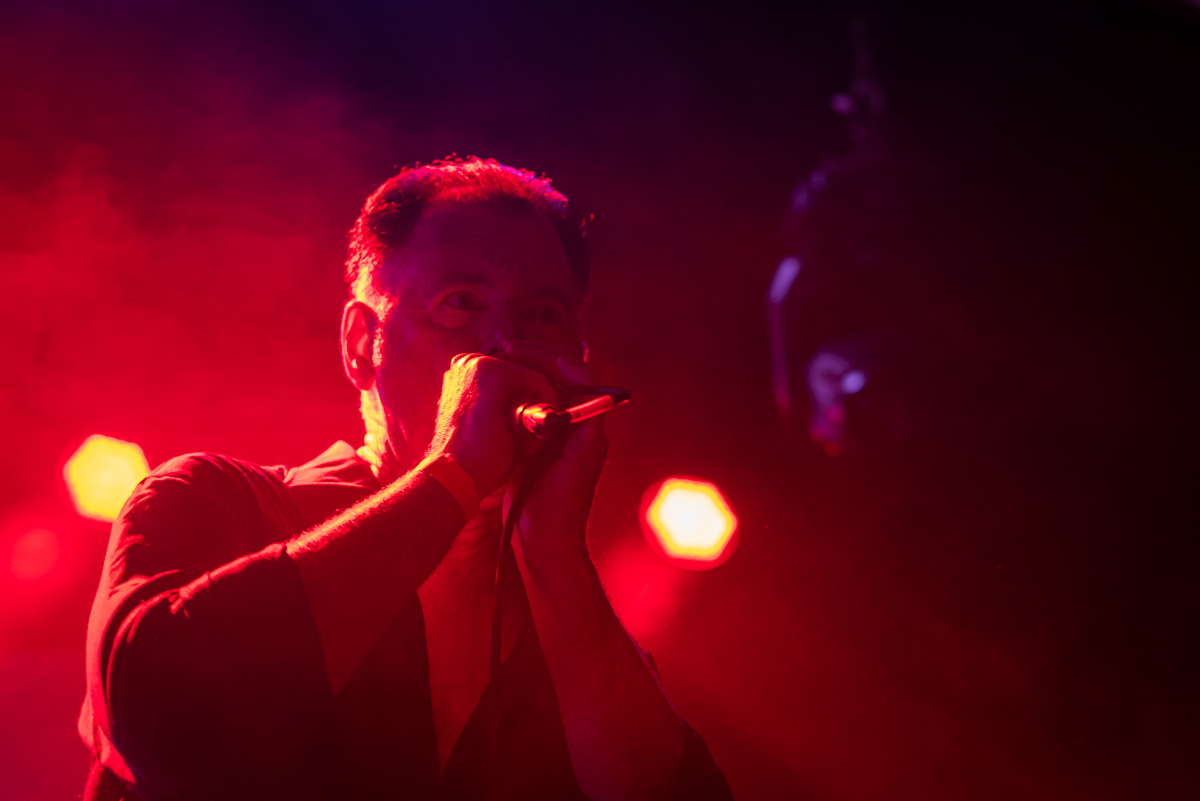
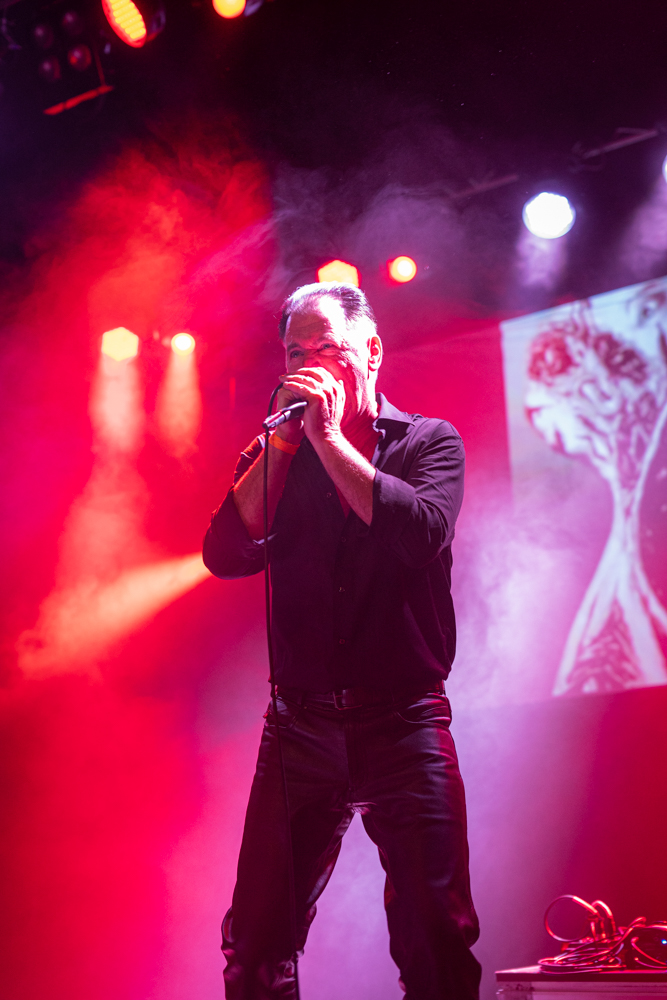
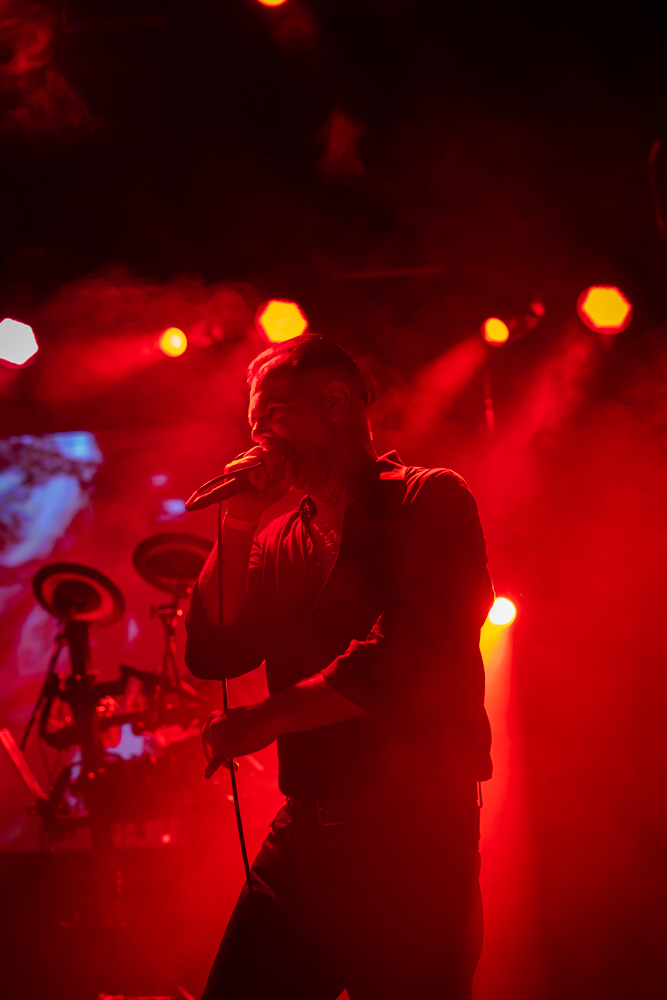
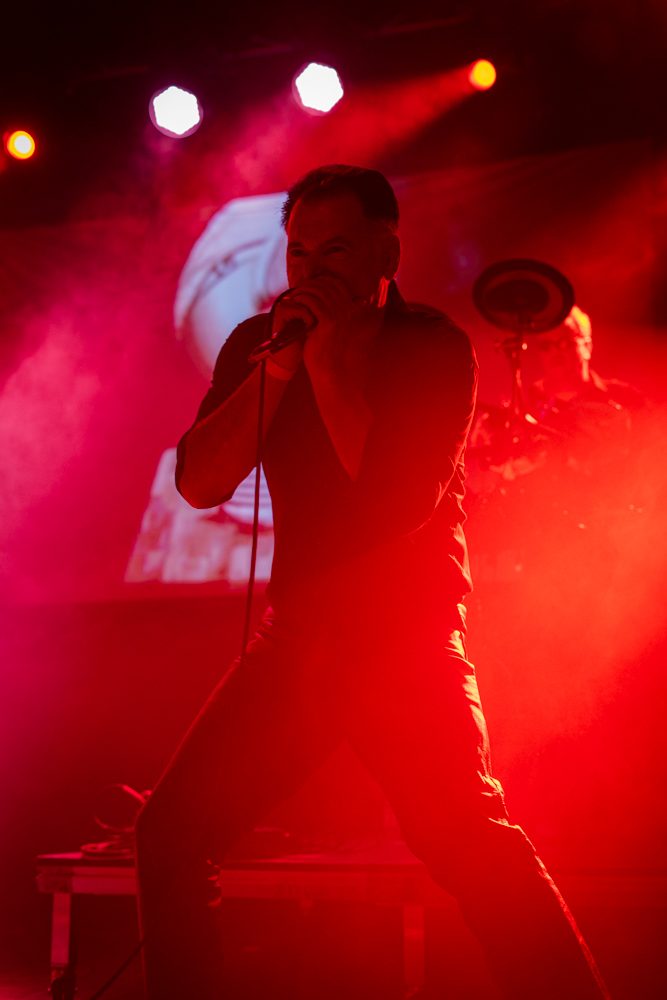
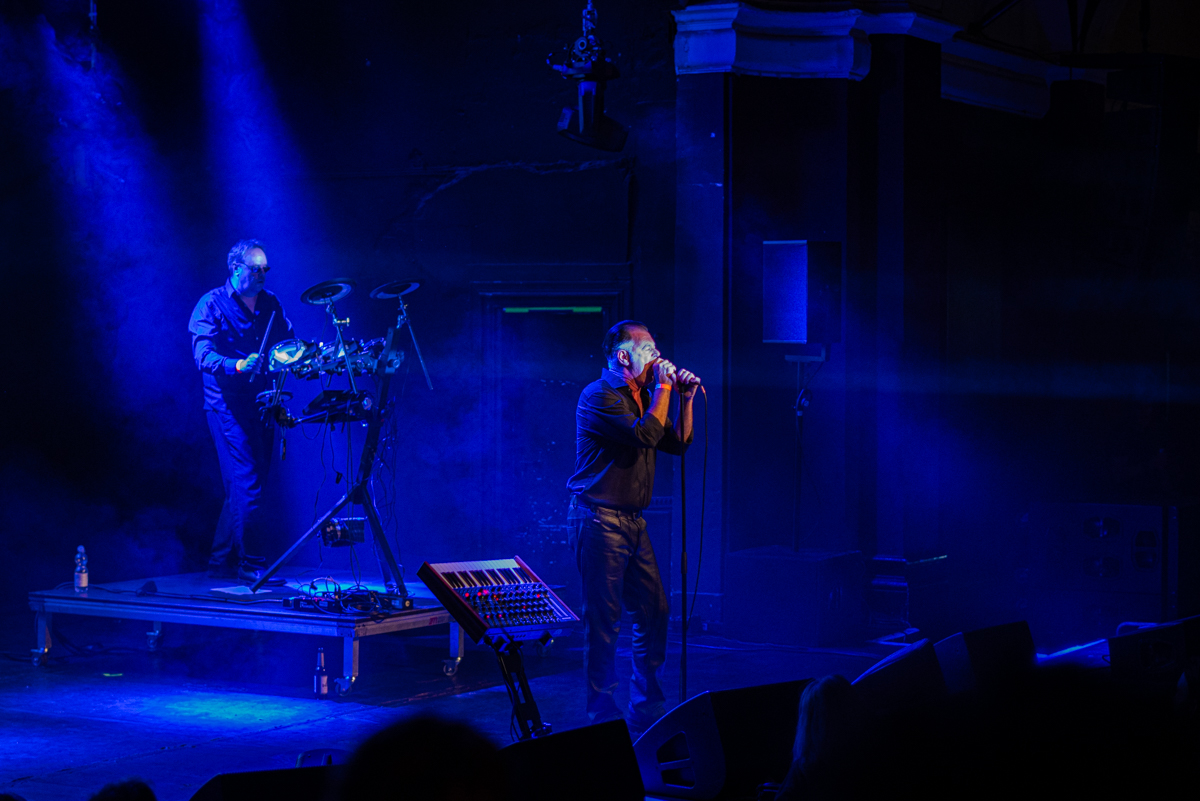
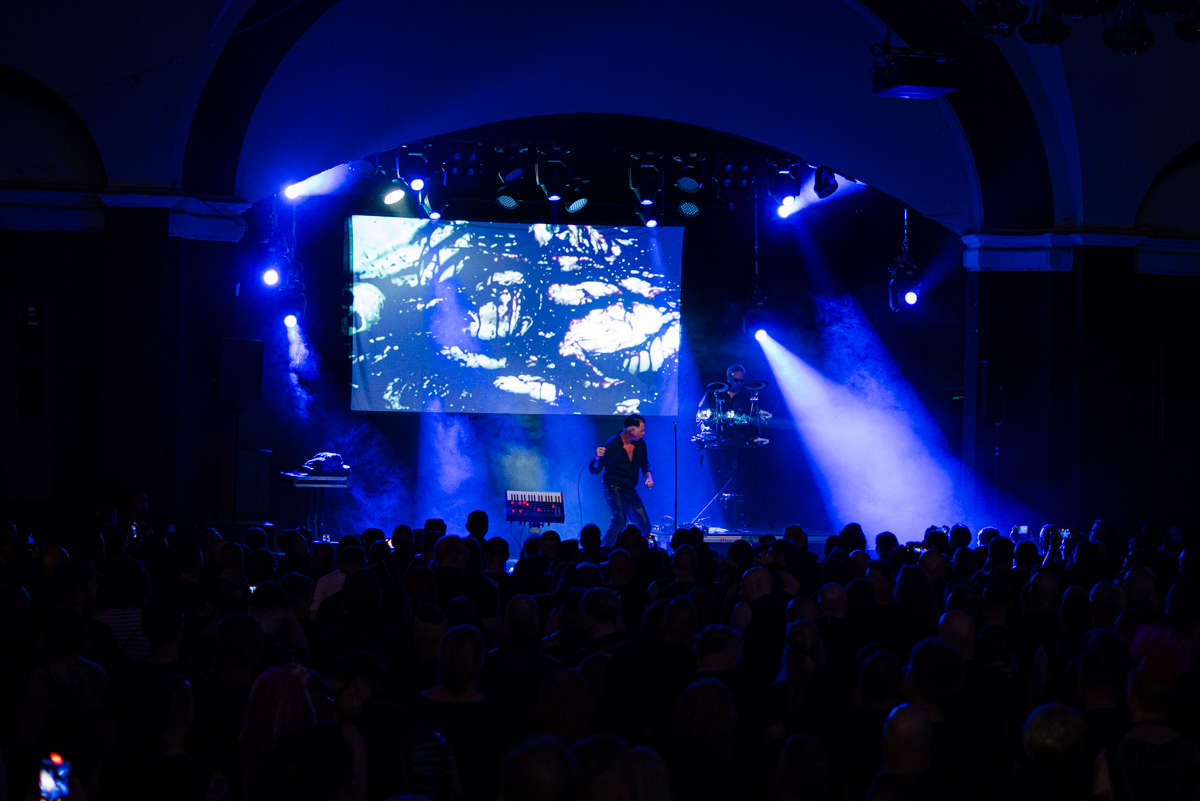
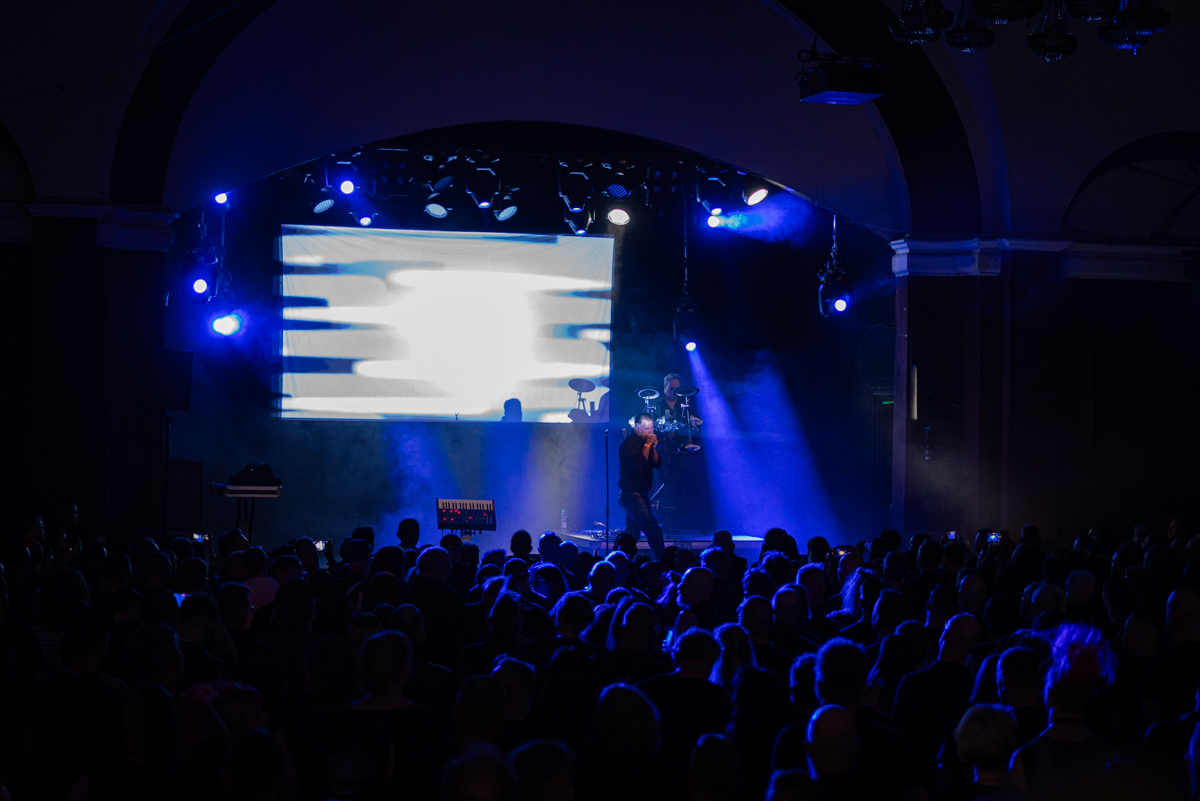
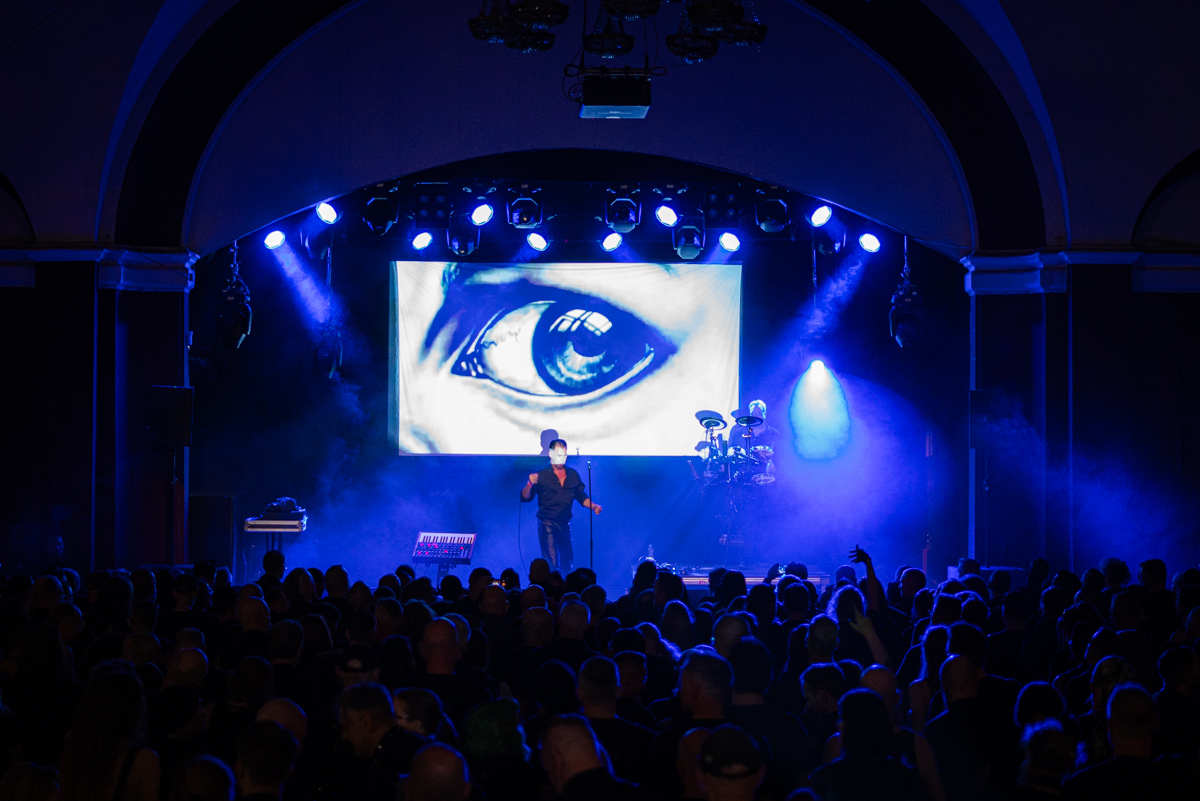
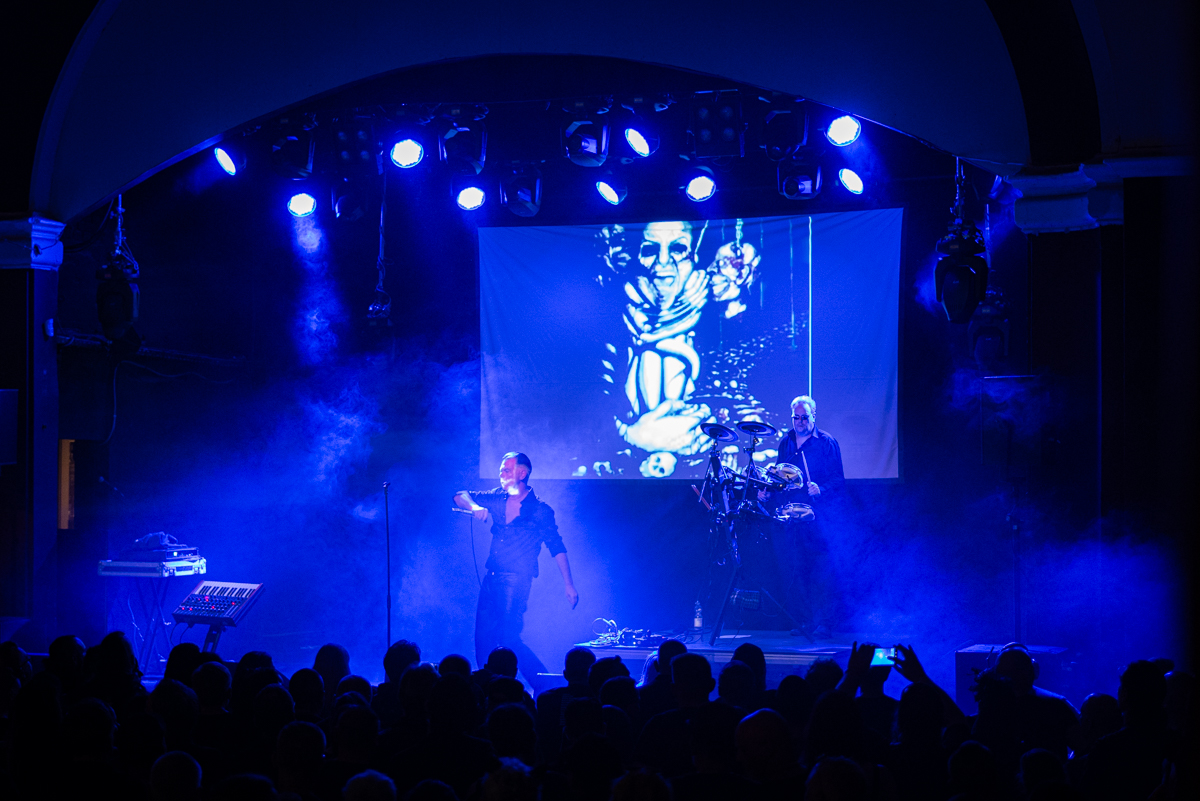
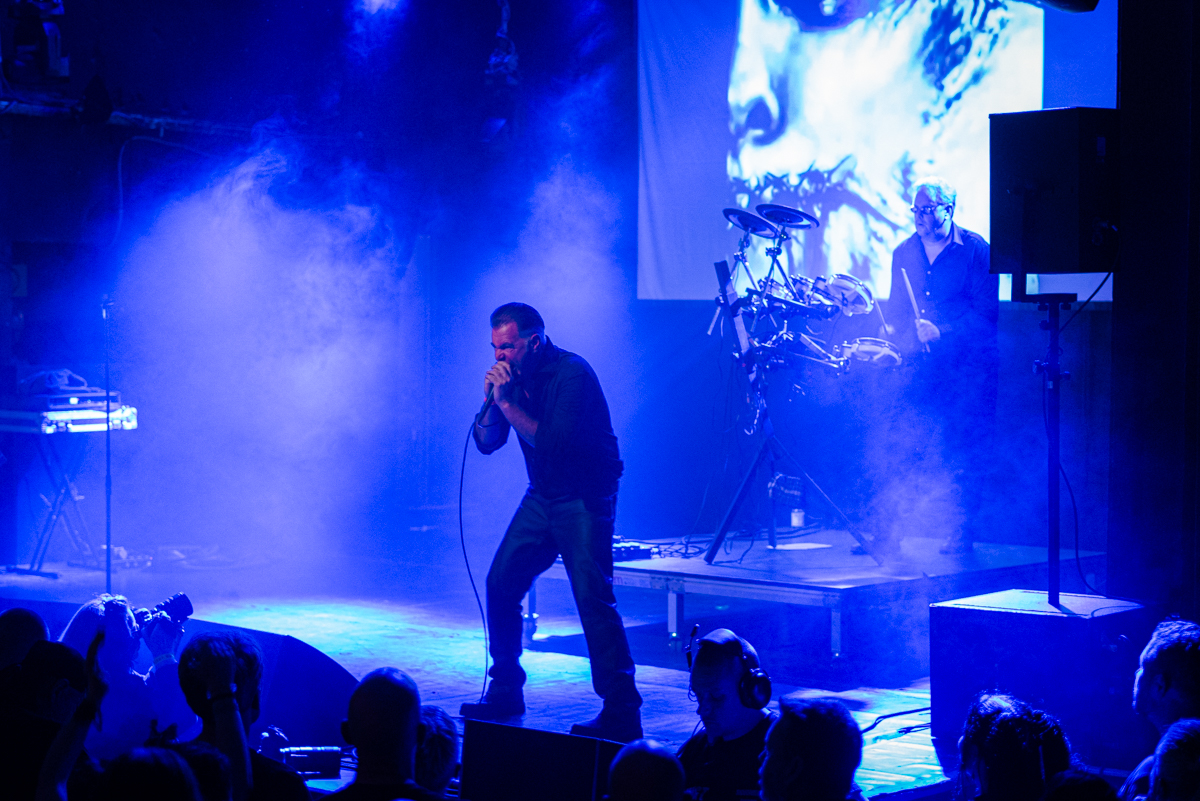
On Monday night, we’re excited to catch just two bands that will bring us back to Felsenkeller. The packed hall welcomes the excellent Slovenian synth-pop band Torul to the stage, followed immediately by the Belgian group Vomito Negro, who blend dark electronica with EBM; their 2013 album “Fall Of An Empire” is probably one of my most-played albums to date. Torul was absolutely perfect synth-pop, it’s hard to describe them any other way, and the band’s current singer, Maj Valerij, is on a significantly higher vocal level than the two previous ones, hitting that perfect tone absolutely wonderfully. But the previous singers weren’t bad at all either. The same goes for Vomito Negro, whose frontman Gin Devo’s raw, menacing voice gave me chills. A truly brilliant and dark highlight of the festival lineup from one of Belgium’s best artists.


Summary
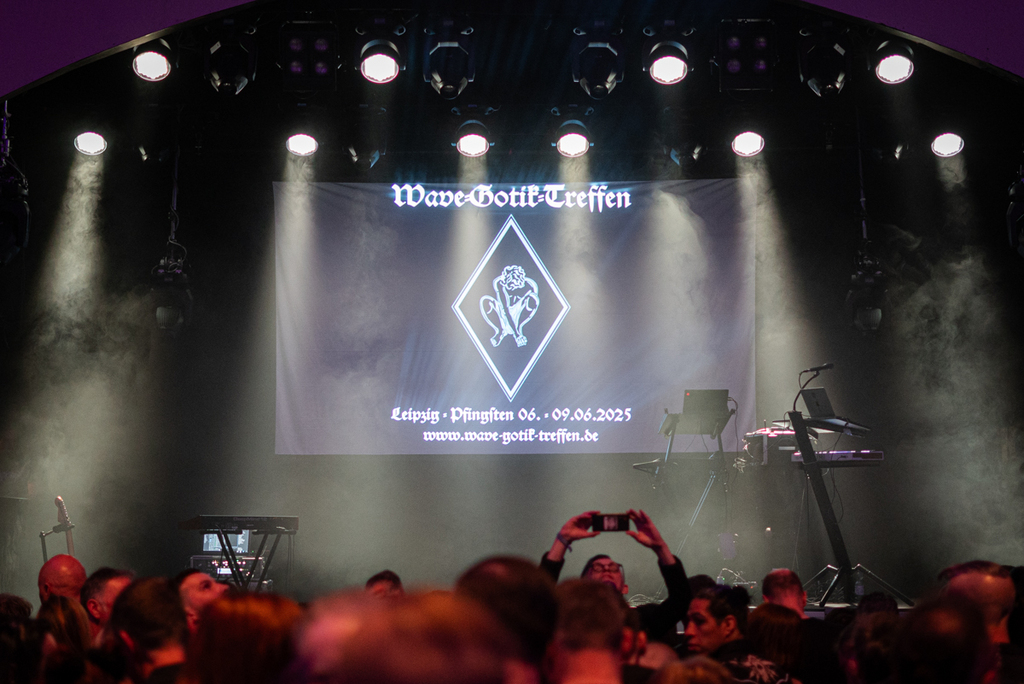
All in all, last year’s WGT once again brought many wonderful surprises and plenty of memories. I’m glad that this time we were able to visit some other places before and during the festival that we hadn’t had a chance to see before. This year, I should try to attend some of the lectures related to dark music; the art and film programs have also been quite impressive. Last year, for example, the documentary “Soul in Flames” was screened, which we brought to the big screen in Estonia a few weeks later with the kind permission of Cold Meat Industry, but unfortunately we didn’t make it to see it in Leipzig. Since a pretty packed evening schedule awaits us, it’s quite difficult to make it to the daytime film screenings or the exhibition hall, even though we could and should. At a big festival, it’s definitely a shame to miss some concerts, but I have to console myself with the fact that I’ve already seen, heard, and chatted about so much. Last year during WGT, it actually happened that, for the first time, we didn’t make it to my favorite artist and one of my best friend Blac Kolor’s rehearsal studio in Leipzig, where every year we’ve been able to listen to his new, or even slightly unfinished, in-progress music in the very environment where it was created. I don’t think there’s a more ideal place than that studio, where the artist puts the finishing touches on his music and has listened to it dozens of times. That studio and that moment of listening to the music is, for me, the most inspiring experience, one that can’t be recreated anywhere else but in his hometown of Leipzig. Home studio monitors, the speakers in Blac Kolor’s personal car while driving through the city of Leipzig, a concert moment in a nightclub, or even listening with high-tech headphones will never create the same feeling or dynamics. That’s probably the only minor disappointment indirectly related to visiting Leipzig during WGT that still stings a little in my heart. But I’m optimistic that we’ll make up for that mistake this year.
Wave Gotik Treffen is coming up again soon - see you in Leipzig from May 22–25!