"We make music because we need to." - Interview with SMFORMA
by Stina Isabel Gavrilin
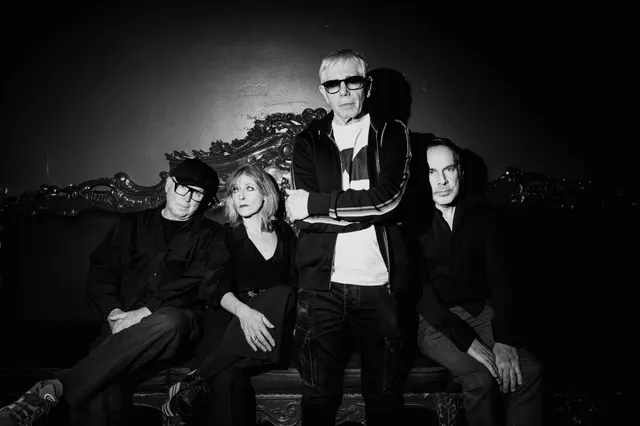
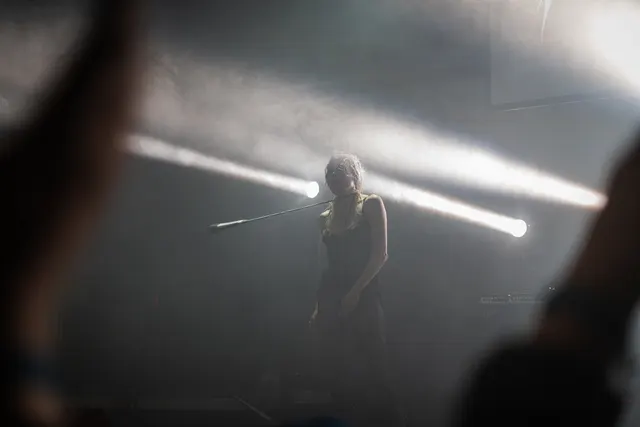
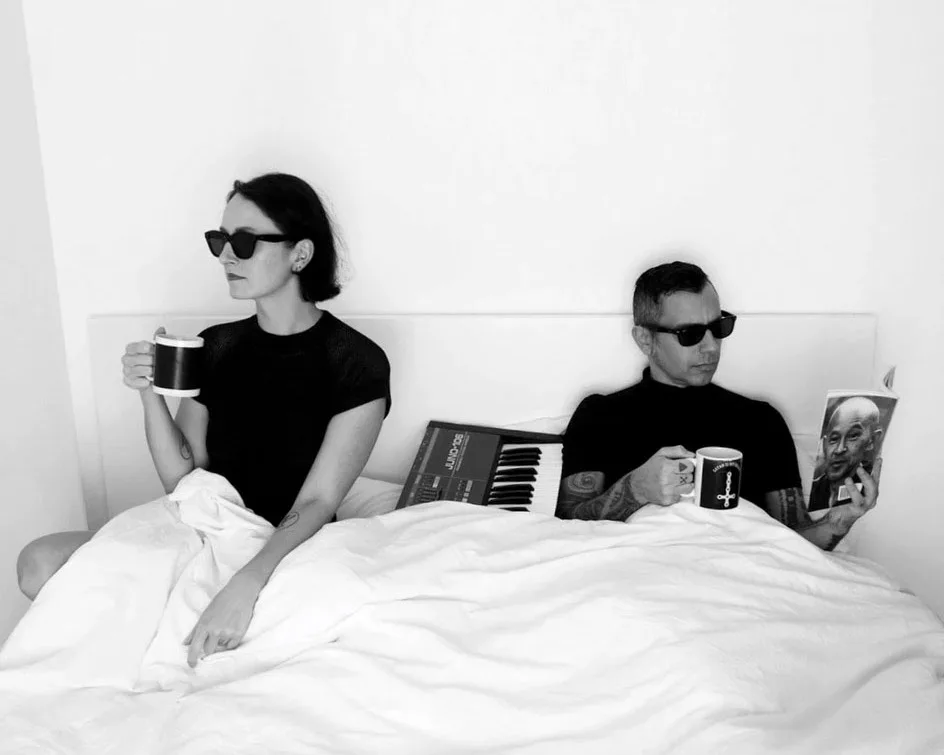
Beats From The Vault returns to HALL this Saturday! Kabel and Krematoorium join forces on the upstairs Mesila dancefloor with five DJs on the decks. But that is far from all - it's been four years since we last had SMFORMA from Spain playing for us, and now they're back for more! Formed by Mario F. and Jogile D. in 2019, their sound built around analogue hardware moves between industrial, techno and EBM, bringing together an uncompromising performance shaped by tension, repetition and physical impact. Read all about their formation, production process, cultural roots and more in this interview!
How did you two meet and merge into SMFORMA?
Jogile: We met nine years ago in Barcelona at the Dead Normal show—Mario’s other project—so our musical connection was clear right from the start. SMFORMA was born naturally out of a shared vision for what we wanted to create together. We recorded a few tracks, released our first vinyl in 2019 on Diffuse Reality Records, and everything just flowed from there. I don’t want to sound too cheesy, but it’s really a story of love and music!
You’ve described yourselves as the perfect combination in terms of your approach to production. How do you see your separate roles in the studio; is there ever conflict?
Jogile: I think Mario’s ideal workday involves me being anywhere except the studio, just because I always have 'one more tweak' or 'one more idea' to pitch. It’s a running joke between us, but it really just comes from how passionate I am about the work.
Mario: Although we have clear studio roles, they're pretty fluid, and we both contribute to key creative decisions. We typically start with a beat, noise, or melody, and then Joga sets the mood of the track. From there, the lyrics and melodies just flow organically.
In the process of creating music, which one comes first, the impulse to say something or specific sonic elements of a track?
Jogile: In our case, definitely first comes the sound - Mario works on some loops, experimenting with sounds.
Jogile, your roots are in Lithuania. Could you tell us a little bit about that time, how did that era influence you musically?
Jogile: I spent the first twenty years of my life in Lithuania, which were incredibly creative and musically formative years for me. At the time, there was a thriving alternative scene driven by both the goth and industrial music communities. These scenes frequently overlapped, with their sounds, crowds, and parties completely merging. Coming from a strong goth background, I was naturally drawn deep into industrial music.
During that era, I had the privilege of playing at festivals such as Kunigunda Lunaria, Mėnuo Juodaragis, and the Lithuanian Avant-Garde Festival with various projects. It left a lasting impression on me—those were genuinely special times.
Mario, you have a pretty eclectic background in everything noisy and aggressive. What kind of musical upbringing do you hail from?
Mario: My background, or at least the part that shaped me the most, comes from harsh noise, experimental music, and anything that moved away from conventional structures. I was always more interested in texture, tension, and physical impact than in melody or 4x4 beats. Artists who pushed sound to its limits fascinated me because they treated noise as a language rather than as something to avoid.
At the same time, when I went out clubbing, I was always drawn to EBM, industrial, dark electro, and other harder electronic sounds. That's where I discovered many of the artists and labels that would later shape my musical taste. Those nights gave me a completely different perspective on rhythm, atmosphere, and energy, one that has stayed with me ever since.
So my musical upbringing really came from those two worlds. One was completely uncompromising and experimental, where almost anything was possible. The other was rooted in the dance floor, with music that was intense, mechanical, and hypnotic. Even though they seem very different, they share the same attitude. Both reject the obvious, both embrace repetition and extremes, and both are driven by emotion. I still carry that mindset into everything I make today.
The direction of SMFORMA is very much shaped by the live music experience. Would the project exist if playing live wasn’t an option?
Jogile: Well, the whole project started with just an idea to release a vinyl together. Then, when the record came out, the live set happened totally naturally. Honestly, we just love performing live, and we think SMFORMA really shows its best self on stage. We love playing for people and seeing everyone dance and feel the music the same way we do. COVID was the ultimate test for us—we couldn't do any gigs, but we had the best time in the studio. So yeah, I think SMFORMA would still exist even if playing live wasn't an option.
Mario: We make music because we need to. It doesn't matter if we can't play live or release a record—we need to make noise to channel our sadness and celebrate our happy moments. I always compare making music to creating a sculpture. There aren't many Jaume Plensas or Fernando Boteros out there, but sculptors keep working with materials to create forms. For us, music is the same: we need to stay connected with our machines to keep our balance... most of the time.
What are your favourite clubs in the world to play? As a live act first and foremost, did you ever even consider yourselves a part of “club culture”?
Jogile: Having lived in Berlin for ten years, I can definitely relate to club culture, and playing in that kind of environment is something we love. Performing at 3 or 4 AM is physically challenging, but that's when the crowd is properly warmed up and ready to go crazy on the dance floor. And while we certainly have a bucket list of venues we'd love to play, very often the best shows aren't in the big, famous clubs, but at underground warehouse-style parties.
You last played in Tallinn four years ago, more than half of the project’s lifetime. How much has changed in the soul of SMFORMA since then?
Over these last four years, after playing numerous shows and releasing several more records, our sound has definitely evolved. The core soul of it, however, remains unchanged: wild as ever. :)
As the world moves through ever greater turmoil, do you feel it’s important as an artist to speak up?
Even though most of us—or at least us—live in contradictory worlds in constant battle with duality, we think it’s very important to speak up. Everything is political; even if you don’t speak up, you’re expressing your political beliefs. When you remain silent and don’t complain, you’re supporting the power of the state. Now more than ever, it’s vital to have a critical mindset. Being curious means listening to different voices, doing your own research, and not believing things blindly. It’s crucial to avoid ambiguity. Coming from a noise and industrial background, we’ve seen too many artists over the years leave it unclear where they actually stood—whether aesthetically or through their lyrics. For us, there is no grey area: we are always anti-fascist.
SMFORMA on Bandcamp: https://smforma.bandcamp.com/
8.08 BFTV in HALL, Tallinn: https://www.facebook.com/events/2213429046145152